Nila Kartika Wati
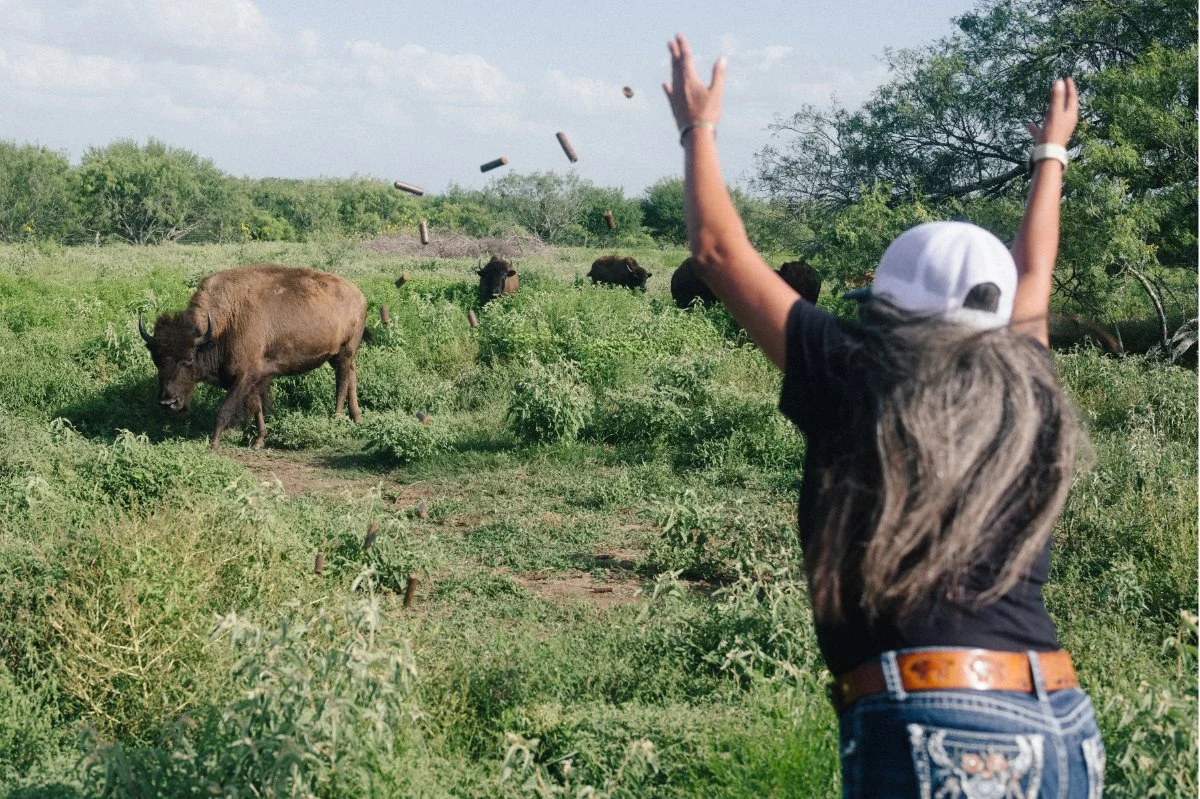
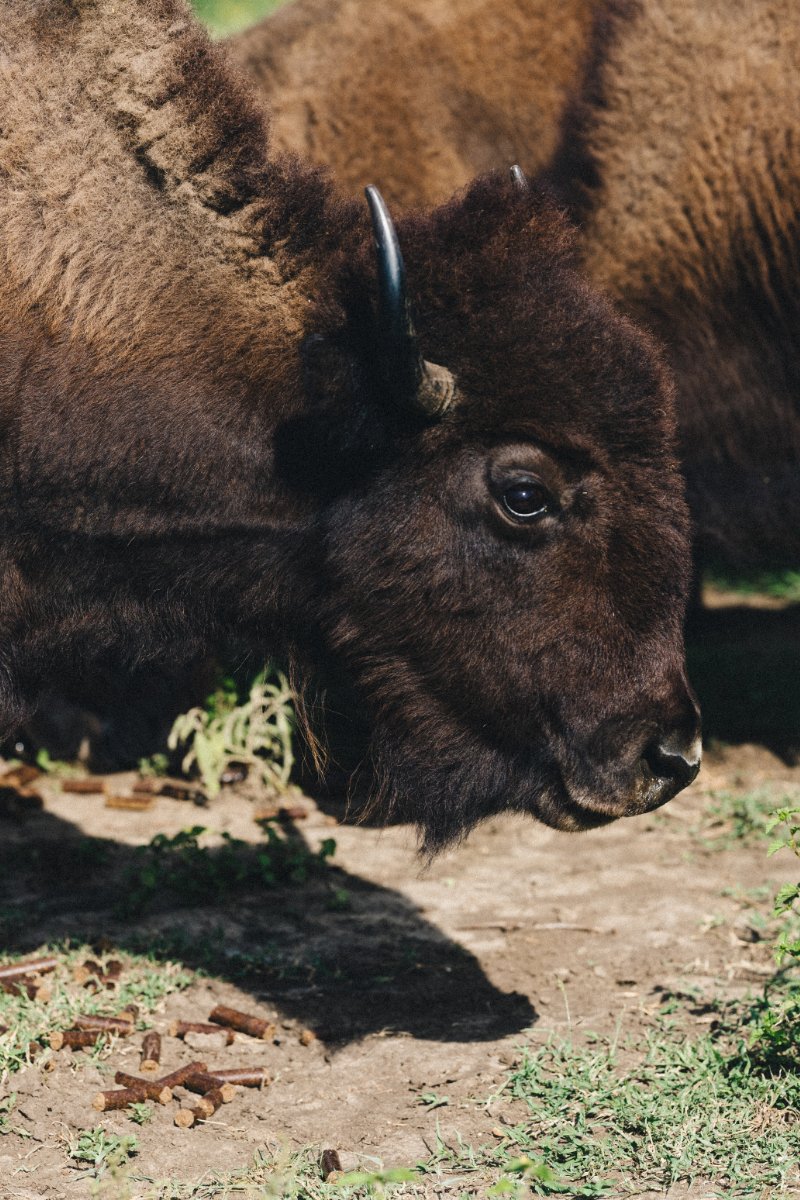
In the rolling post-oak savanna of Waelder, Texas, a transformative movement is taking root that seeks to bridge the gap between ancestral heritage, ecological restoration, and modern food sovereignty. Lucille Contreras, the founder and CEO of the Texas Tribal Buffalo Project (TTBP), is spearheading an initiative to return the American bison—historically known as the buffalo—to the lands and diets of Indigenous people. This endeavor is more than a ranching operation; it is a multi-generational effort to heal the historical trauma of the Lipan Apache and other Texas tribes through the "rematriation" of a species that once served as the cornerstone of their existence.
The Historical Context of the Lipan Apache and the Bison
The Lipan Apache, or Ndé, have a history inextricably linked to the vast herds of buffalo that once roamed the Southern Plains. However, the 19th century brought a period of systematic erasure for both the people and the animals. Following the Treaty of Guadalupe Hidalgo in 1848, which settled the border between the United States and Mexico, the Lipan Apache found themselves caught in a geopolitical crossfire. Native people in the region often faced state-sanctioned violence and forced displacement, leading many families to hide their identities for survival.
For the bison, the devastation was equally absolute. In the early 1800s, an estimated 30 to 60 million bison roamed North America. By the late 1880s, due to overhunting and a deliberate military strategy to starve Indigenous populations into submission, fewer than 1,000 remained in the wild. The loss of the buffalo meant the loss of a primary source of food, shelter, clothing, and spiritual guidance for the Lipan Apache.
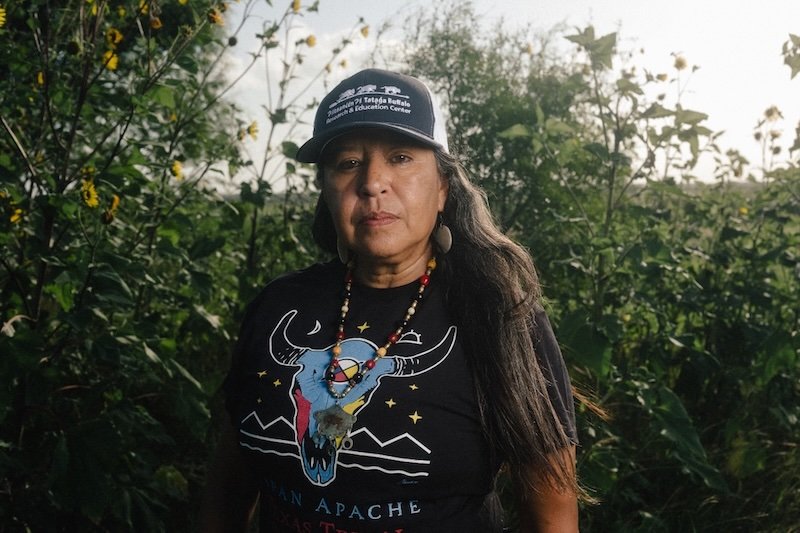
Contreras’s personal history reflects this era of concealment. It was not until she was 20 years old and attending the University of Colorado Boulder that her father revealed their Lipan Apache heritage. He explained that his mother had strictly forbidden the family from disclosing their identity, a defensive measure born from a time when being identified as Apache carried a literal "target on their back." This revelation set Contreras on a lifelong journey to reclaim her roots and restore the relationship between her people and the buffalo.
Chronology of the Texas Tribal Buffalo Project
The seeds for the Texas Tribal Buffalo Project were planted far from the Texas heat. While living in Pine Ridge, South Dakota, during the onset of the COVID-19 pandemic, Contreras immersed herself in the culture of the Oglala Lakota. It was there that she gained practical experience in buffalo husbandry, observing the intricate details of herd health, sustainable slaughtering practices, and the spiritual "two-legged" relationship humans maintain with the animal.
Equipped with these lessons, Contreras returned to her ancestral homeland in Texas. On March 23, 2020, she moved onto a 77-acre property in Waelder, characterized by its post-oak savanna ecosystem. By the end of that year, the project had acquired its first nine buffalo. Today, the Texas Tribal Buffalo Project has expanded significantly, managing 34 buffalo across two separate ranches.
The growth of the herd is not merely a statistical success but a restorative one. The bison is considered a "keystone species," meaning its presence significantly alters and improves the environment. Their grazing patterns promote the growth of native grasses, and their "wallowing"—rolling in the dirt—creates depressions that hold rainwater, supporting diverse insect and bird populations. By returning bison to the Texas savanna, Contreras is effectively repairing the local ecology.

Addressing Food Insecurity and Indigenous Health Data
One of the most critical components of the TTBP is its focus on food sovereignty. According to data from the U.S. Department of Agriculture (USDA) and various public health studies, Indigenous populations in the United States face disproportionately high rates of food insecurity and diet-related illnesses, such as Type 2 diabetes and heart disease. These health disparities are often traced back to the forced transition from traditional, nutrient-dense diets to processed commodity foods provided by the government.
Bison meat offers a nutritional alternative that is historically and biologically compatible with Indigenous health needs. Compared to grain-fed beef, bison meat is significantly lower in fat and cholesterol while being higher in protein, iron, and omega-3 fatty acids.
To combat these systemic issues, Contreras has positioned the TTBP as a leader in accessibility. The project operates an online store that is currently the only buffalo meat provider in the country to accept Electronic Benefit Transfer (EBT) and Supplemental Nutrition Assistance Program (SNAP) payments. This allows low-income families, who are often priced out of high-quality proteins, to access traditional food. The project has successfully shipped EBT-purchased meat as far as Massachusetts and continues to donate regularly to food banks across the state of Texas.
The "Meat for Mama’s" Initiative: A Response to Economic Hardship
The inspiration for the project’s flagship program, "Meat for Mama’s," stems from Contreras’s own experiences as a single mother. While working a professional job in Boulder, Colorado, she found that the high cost of living often left her struggling to provide enough food for her three children. To make ends meet, she would wake up before dawn to prepare burritos to sell at construction sites before heading to her office and taking her children to school.
"I’ve had to use food banks to supplement food for my kids, and even that is a lot of work—to get into the systems and maintain yourself in the system," Contreras noted. "What my mom taught me is, nobody is going to do anything for you. You want something to happen, you better make it happen yourself."
"Meat for Mama’s" is designed to alleviate this burden for other Indigenous women. By providing free or subsidized bison meat, the program ensures that the next generation can grow up with the physical and mental benefits of a traditional diet. This initiative reflects a broader movement within Indigenous communities to center women as the traditional providers and keepers of nutritional knowledge.
Broader Implications for Land Back and Cultural Sovereignty
The work of the Texas Tribal Buffalo Project intersects with the broader "Land Back" movement, which advocates for the return of ancestral lands to Indigenous stewardship. In Texas, where over 95 percent of land is privately owned, the acquisition of acreage for buffalo restoration is a significant milestone in tribal land reclamation.
The project also serves as a model for "rematriation," a term used by Indigenous activists to describe the restoration of living culture and relationships to the land, led by women. This contrasts with the Western concept of "repatriation," which often focuses on the return of inanimate objects or remains. For Contreras, rematriation involves restoring the buffalo as a relative—a teacher that provides examples of governance, community care, and resilience.

While the project is currently focused on the Lipan Apache and other Texas-based Indigenous people, the vision is expansive. Contreras aims to scale the "Meat for Mama’s" program to reach Indigenous women across the continent, often referred to by many tribes as "Turtle Island."
Future Outlook and Ecological Sustainability
As the United States approaches its 250th anniversary, the "Farming 250" series and the "#WeTheCivic" campaign are highlighting voices like Contreras’s to redefine what American agriculture looks like. The Texas Tribal Buffalo Project challenges the industrial monoculture model of farming, offering instead a restorative approach that prioritizes community health over profit margins.
The true wealth of the project, as defined by its leadership, lies in the sustainability of future generations. By reintegrating the bison into the Texas landscape, the TTBP is not just farming; it is conducting a large-scale experiment in cultural and ecological healing.
The success of the project has drawn interest from environmentalists and tribal leaders nationwide. By demonstrating that bison restoration is viable even on relatively small acreages, Contreras provides a blueprint for other landless or displaced tribes to begin their own journeys toward food sovereignty.

As the herd in Waelder grows, the impact of the Texas Tribal Buffalo Project continues to ripple outward. It stands as a testament to the resilience of the Lipan Apache people and a reminder that the restoration of a single species can serve as a catalyst for the restoration of a people’s health, identity, and future. In the words of Lucille Contreras, the mission is to ensure that "future generations can grow up with mental, physical, and spiritual health and wellbeing," rooted in a landscape that once again echoes with the sounds of the buffalo.