Lana Rhoades
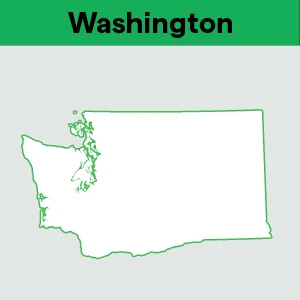
The regulatory framework for commerce in Washington state presents a unique landscape for entrepreneurs and corporate entities, primarily due to the state’s reliance on sales and use tax in the absence of a personal or corporate income tax. For businesses operating within the state or reaching a specific economic threshold from afar, the process of securing a sales tax permit is inextricably linked to the broader requirement of obtaining a Washington State Business License. Managed by the Washington Department of Revenue (DOR), this system ensures that all entities contributing to the state’s economy are properly documented and compliant with the "destination-based" sales tax model.
The Integrated Licensing Framework of Washington State
Unlike many other jurisdictions that issue a standalone "seller’s permit," Washington utilizes a consolidated system. A business license in Washington serves as the foundational document for tax registration. When a business applies for this license, it simultaneously registers with the Department of Revenue for the collection of retail sales tax and the payment of the Business and Occupation (B&O) tax.
The necessity of this permit applies to any entity that has "nexus" in the state. Historically, nexus was defined strictly by physical presence, such as owning a warehouse, employing staff, or maintaining an office within state lines. However, following the landmark 2018 Supreme Court decision in South Dakota v. Wayfair, Inc., Washington, like most states, adopted economic nexus standards. Under current regulations, out-of-state sellers who exceed $100,000 in cumulative gross receipts from Washington customers in a calendar year are legally obligated to register, collect, and remit sales tax.
Chronology of the Registration Process
The path to compliance follows a structured timeline, beginning with the determination of nexus and culminating in the issuance of a Unified Business Identifier (UBI) number.
- Nexus Evaluation: A business must first audit its activities to determine if it meets physical or economic nexus requirements. This includes analyzing sales data from the previous and current calendar years.
- Application Submission: Once nexus is established, the business must file a Business License Application (BLA). The Department of Revenue encourages the use of the "My DOR" online portal, which is the fastest method for processing.
- Processing Period: For online applications, the turnaround time is typically within ten business days, though many digital registrations are processed much faster. For those opting for paper-based mail-in applications, the timeline extends significantly, often taking three to six weeks due to manual data entry and postal transit.
- Issuance of the UBI: Upon approval, the state issues a nine-digit UBI number. This number is used across all state agencies to identify the business entity for tax, employment, and regulatory purposes.
- Activation of Tax Accounts: Simultaneously with the UBI issuance, the DOR opens the necessary tax accounts, including the Sales Tax and B&O Tax accounts, allowing the business to begin legal collection from consumers.
Essential Information for Applicants
The Washington Department of Revenue requires a granular level of detail during the application process to ensure accurate tax categorization. Applicants must be prepared to provide the following:
- Business Structure: Documentation identifying the entity as a sole proprietorship, LLC, C-Corp, S-Corp, or partnership.
- Ownership Details: Full legal names, Social Security Numbers (SSN), or Individual Taxpayer Identification Numbers (ITIN) for all owners or corporate officers.
- Location Data: The physical address of the business (if applicable) and a designated mailing address.
- Estimated Gross Income: A projection of the business’s annual gross income in Washington, which helps the DOR determine the frequency of tax filing (monthly, quarterly, or annually).
- Employment Projections: Information regarding the number of employees and the anticipated date of the first hire, which triggers industrial insurance and unemployment tax obligations.
- Specialty Endorsements: Depending on the industry (e.g., liquor, tobacco, or professional services), additional state and local endorsements may be required on the same application.
Financial Obligations and Fee Structures
While tax registration itself is technically free of charge, the process of obtaining the overarching business license involves a variable fee system. As of 2026, the processing fees for a Business License Application are subject to the nature of the filing. For instance, opening a first-time business or a new location typically incurs a standard processing fee, while adding a new city endorsement to an existing license may incur a different rate.
It is critical to distinguish between the cost of registration and the liability of the B&O tax. The B&O tax is a gross receipts tax on the privilege of doing business in Washington. Unlike sales tax, which is paid by the consumer and held in trust by the business, the B&O tax is a direct cost to the business, with rates varying based on the classification of the business activity (e.g., retailing, wholesaling, or manufacturing).
Implications for Marketplace Sellers and Remote Entities
A common point of confusion in the modern e-commerce era involves the "Marketplace Facilitator" laws. In Washington, platforms such as Amazon, Etsy, and Walmart are required to collect and remit sales tax on behalf of their third-party sellers. However, this does not exempt the individual seller from registration requirements.
If a remote seller meets the $100,000 economic nexus threshold through sales on these platforms, they must still obtain a Washington Business License. While they may not need to collect sales tax on the transactions handled by the facilitator, they are still required to report those sales to the DOR and are often liable for the B&O tax on their gross receipts. Failure to register can result in significant "look-back" audits where the state may demand unpaid B&O taxes and interest for several years of non-compliance.
Maintenance, Renewals, and Compliance Risk
A Washington business license is not a "one-and-done" requirement. The license must be renewed annually. The Business Licensing Service (BLS) typically sends a renewal notice approximately 45 days before the expiration date, which is printed on the upper right-hand corner of the license document.
The implications of failing to renew are severe. A lapsed license can lead to the business being listed as "inactive" in state databases, which can disrupt banking relationships, lease agreements, and the ability to pull necessary permits. Furthermore, operating without a valid license can result in late filing penalties, interest on unpaid taxes, and potential legal action from the Office of the Attorney General.
Data-Driven Analysis of Washington’s Tax Environment
Data from the Washington Department of Revenue indicates that sales and use tax accounts for nearly 50% of the state’s general fund revenue. This high dependency explains the state’s rigorous enforcement of nexus rules and its sophisticated digital tracking of out-of-state shipments.
For businesses, the "destination-based" sales tax rule adds a layer of complexity. This means that tax rates are determined by the location where the buyer receives the goods or services, not where the seller is located. With hundreds of overlapping local tax jurisdictions across Washington’s 39 counties, businesses must utilize robust tax engine software or automated compliance tools to ensure the correct local rates (which can range from 7% to over 10%) are applied to every transaction.
Official Responses and Industry Outlook
Tax policy experts and state officials emphasize that the integration of sales tax permits into the general business license is designed to reduce the administrative burden on the state, though it often requires a steeper learning curve for new business owners.
"The goal is a unified portal where a business can manage its entire relationship with the state," noted a legislative analyst specializing in state taxation. "However, the interplay between sales tax collection and B&O tax liability remains one of the most frequently misunderstood aspects of doing business in the Pacific Northwest."
As e-commerce continues to evolve, analysts predict that Washington may further lower nexus thresholds or introduce more granular reporting requirements for "click-through" nexus and affiliate marketing. For now, the $100,000 threshold remains the gold standard for out-of-state compliance.
Conclusion and Strategic Implications
For any business looking to enter the Washington market, the registration process is the first critical hurdle in a broader compliance strategy. The state’s aggressive stance on tax collection, necessitated by its unique revenue structure, means that ignorance of the law is rarely accepted as a defense during audits.
Prospective business owners and remote sellers must view the Business License Application not merely as a formality, but as a comprehensive registration of their economic footprint in the state. By maintaining an active license, staying abreast of annual renewal cycles, and accurately navigating the destination-based tax rates, businesses can mitigate the risks of penalties and position themselves for sustainable growth within one of the United States’ most dynamic state economies.