Nila Kartika Wati
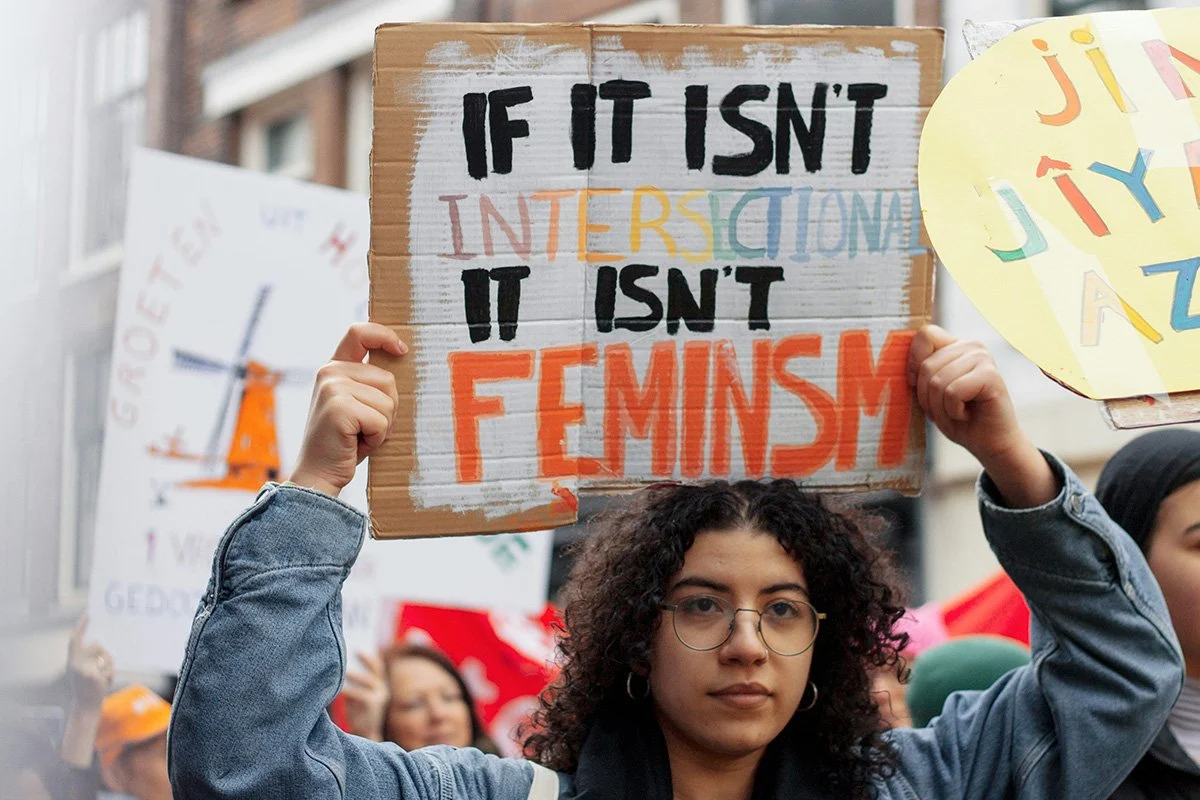
The landscape of social services for girls and gender-expansive youth in the United States is facing a dual crisis as federal support wanes and private philanthropy pivots away from systemic advocacy. A comprehensive report from the Alliance for Girls (AFG), a network representing over 120 organizations, reveals a staggering "advocacy penalty" that is disproportionately affecting nonprofits dedicated to policy change and the protection of civil rights. According to the data, 98 percent of documented funding losses—amounting to $111 million out of a total $113 million deficit—were concentrated among organizations engaged in advocacy for gender equity. This divestment occurs at a critical juncture when the demand for services is rising, and the political climate has become increasingly hostile toward reproductive rights, gender-affirming care, and immigrant protections.
The Scale of the Funding Crisis
The 2026 Political Impact Report, released by the Alliance for Girls, paints a grim picture of the fiscal health of the nonprofit sector serving vulnerable youth populations in the San Francisco Bay Area and Los Angeles County. Of the 43 organizations surveyed in depth, 84 percent reported losing significant funding over the previous twelve months. The sources of these losses are primarily identified as federal grants and foundation contributions, which traditionally form the backbone of social service financing.
The impact of these cuts is not merely a matter of budgetary adjustment; for many, it is an existential threat. Fourteen percent of the surveyed organizations admitted to considering the permanent closure of their doors due to the inability to maintain operations. The crisis is particularly acute for advocacy-focused groups, which lost an average of $6.5 million each—a figure 18 times higher than the average loss of $354,000 reported by non-advocacy organizations between February 2025 and February 2026. This disparity highlights a selective withdrawal of support from organizations that seek to hold systems accountable and influence public policy.
Chronology of Divestment: 2025–2026
The current instability is the culmination of several overlapping trends that accelerated in early 2025. According to the Women’s Philanthropy Institute’s 2025 Women & Girls Index, organizations serving this demographic are uniquely vulnerable because they rely on government grants for approximately 20 percent of their total revenue. This is double the rate of other nonprofit sectors, making them the "canaries in the coal mine" for shifts in federal spending priorities.
The timeline of the decline began to sharpen in mid-2025 as a wave of federal cuts targeted programs related to reproductive health and LGBTQ+ rights. By July 2026, a global report from UN Women confirmed that the trend was not limited to California or the United States; 84 percent of women’s organizations in humanitarian settings reported increased demand, while 90 percent could no longer meet that need. Domestically, the Women’s Funding Network’s 2025 landscape report documented a sector-wide increase in executive burnout, anxiety, and stress as leaders struggled to fill widening gaps in essential services like food security and healthcare while simultaneously managing internal fiscal contraction.
The Mechanics of the Advocacy Penalty
The "advocacy penalty" refers to the specific targeting or neglect of nonprofits that engage in systemic work, such as organizing youth to testify before school boards, filing legal challenges to protect healthcare access, or lobbying for more equitable budget allocations. These organizations do not just provide direct services; they work to change the underlying conditions that create the need for those services.
Data suggests that foundation dollars in California and across the nation are shifting toward "safe" or less politically exposed missions. As political rhetoric surrounding gender identity and reproductive autonomy intensifies, some funders have retreated to traditional service-delivery models that do not challenge existing power structures. This risk aversion leaves advocacy groups—which support those most at risk under current policies, including youth of color and trans youth—without the resources necessary to defend fundamental rights.
In Alameda County, which encompasses Oakland and Berkeley, the impact has been absolute: 100 percent of organizations serving girls and gender-expansive youth reported being negatively affected by these shifts. These groups serve as the primary infrastructure for Black, Brown, and Indigenous youth, as well as immigrant families and those impacted by the juvenile justice system.

Case Study: EmpowHer Institute and the Reality of Resilience
The EmpowHer Institute, a Los Angeles-based organization focused on leadership development and STEM opportunities for girls of color, serves as a poignant example of the current struggle. Over the past year, the institute lost $1 million in combined federal, state, and corporate funding. This loss forced the organization to freeze hiring and salaries, yet the demand for their presence in schools has only increased.
Dawn L. Brown, President and CEO of EmpowHer, noted that the organization’s staff members have had to navigate personal and professional trauma simultaneously. In some instances, staff members assisted students with ICE invasion drills in schools while their own family members faced deportation. To combat the feeling of powerlessness, the institute has shifted toward youth-led advocacy, providing microgrants to young people to lead their own community projects. While this fosters resilience, Brown cautions that "resilience should not be mistaken for sustainability." The emotional and physical labor required to maintain these programs without adequate funding is leading to a hollowing out of the workforce.
The Role of Reproductive and Gender-Affirming Care
The targeted campaign against sexual and reproductive health rights has created a "loyalty test" for many nonprofits. Organizations providing abortion care or gender-affirming services have been forced to make a harrowing choice: discontinue these essential services or lose all federal and, in some cases, state funding.
One leader of a reproductive health organization, speaking on the condition of anonymity, stated that their decision to continue providing abortion services led to immediate defunding. The expectation that philanthropic donors would step in to fill this vacuum has largely gone unfulfilled. Consequently, these organizations have been forced to reduce their reach, serving fewer people at a time when the legal and social need for their expertise is at an all-time high.
Analysis of Implications for the Nonprofit Sector
The erosion of the infrastructure supporting girls and gender-expansive youth has long-term implications for societal equity. Advocacy groups are the primary vehicles for civic engagement among young people. When these groups disappear, the voice of the next generation in the democratic process is silenced.
Furthermore, the "advocacy penalty" signals a dangerous trend in philanthropy where funding is contingent on silence. If nonprofits are conditioned to avoid "controversial" systemic work to ensure their survival, the root causes of poverty, discrimination, and health disparities will remain unaddressed. This creates a cycle of dependency on direct services that can never fully meet the needs of the population.
There is, however, a "bright spot" noted in the AFG report: 42 percent of surveyed organizations reported a marked increase in youth activism. Young people are increasingly taking the lead in civic engagement, showing a readiness for action and solidarity that transcends the current funding crisis. This surge in grassroots energy suggests that while the institutional framework is under threat, the social movement itself remains vibrant.
Recommendations for Philanthropic Realignment
To address this crisis, the Alliance for Girls and other sector leaders are calling for a fundamental shift in how donors and foundations approach gender equity. The report outlines several urgent interventions:
- Multi-Year General Support: Moving away from project-based funding to provide organizations with the flexibility to respond to shifting political and social landscapes.
- Emergency Resilience Funding: Providing immediate capital to organizations at risk of closure to prevent the total loss of community infrastructure.
- Support for Advocacy and Organizing: Explicitly funding groups that engage in policy work, recognizing that systemic change is the only path to long-term sustainability.
- Investment in Leadership Support: Providing dedicated funds for coaching and mental health support for nonprofit staff who are absorbing the trauma of the communities they serve.
Conclusion
The current state of funding for organizations serving girls and gender-expansive youth represents a defining test for American philanthropy. The data confirms a systemic withdrawal from the very advocacy work that protects the most vulnerable populations in a volatile political climate. As federal support continues to be restructured or rescinded, the responsibility falls to private donors and foundations to decide whether they will retreat to the safety of the status quo or invest in the movement-building required to ensure a safe and equitable future for all youth. The resilience of the sector is currently its greatest asset, but without a realignment of resources, that resilience will eventually reach its breaking point.