Lina Irawan
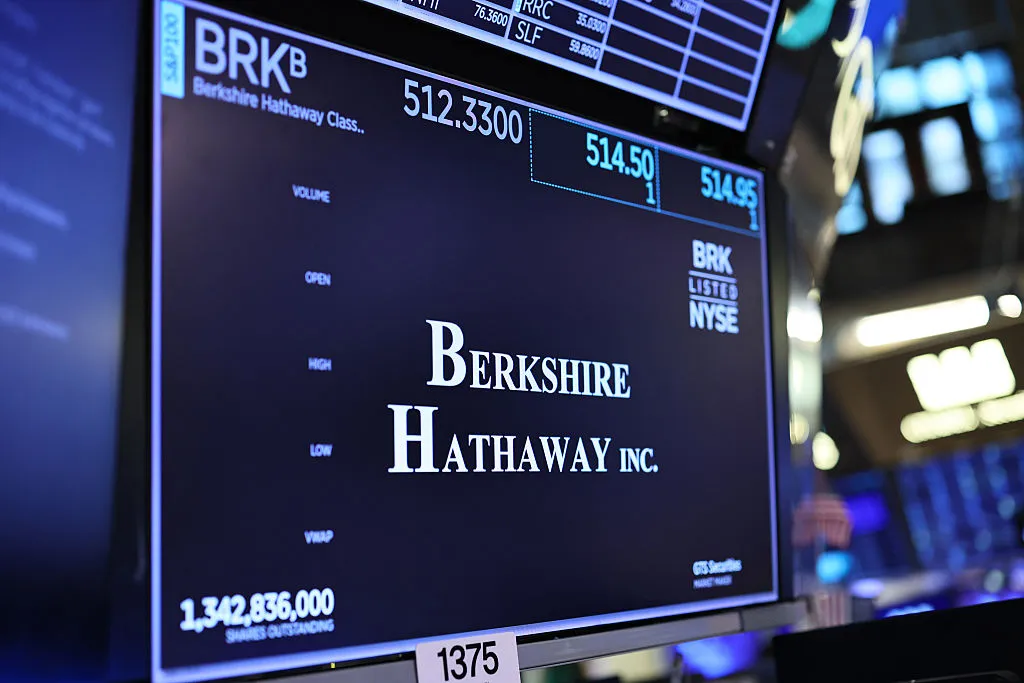
Berkshire Hathaway, the sprawling conglomerate built by legendary investor Warren Buffett, currently holds an astonishing sum in cash and cash equivalents, reportedly including approximately $344 billion in U.S. Treasury bills. This monumental figure, revealed in the company’s most recent earnings reports, represents a strategic deployment of capital that stands in stark contrast to the often-speculative nature of modern investing. While Berkshire’s war chest is immense, the underlying investment vehicle—the Treasury bill—is remarkably accessible, requiring a minimum investment of just $100 for individual investors. Understanding why a company with Berkshire’s unparalleled financial prowess chooses to park such a significant portion of its assets in short-term government debt offers invaluable insights into capital preservation, liquidity management, and strategic patience, lessons that resonate far beyond the corridors of Omaha.
The Oracle’s Prudence: Why Berkshire Holds Billions in T-Bills
For decades, Warren Buffett has preached the virtues of long-term value investing, emphasizing the importance of acquiring quality businesses at reasonable prices. However, even the "Oracle of Omaha" recognizes periods when attractive acquisition targets are scarce, or market valuations appear stretched. It is during such times that Berkshire Hathaway tends to accumulate significant cash reserves, which Buffett often refers to as "dry powder" – capital ready to be deployed when compelling opportunities arise. The sheer scale of Berkshire’s current cash pile underscores a prevailing sentiment of caution in the current market environment.
Buffett’s philosophy dictates that idle cash should not truly be "idle." While holding cash in a standard checking account would yield negligible returns (often less than 1% annual percentage yield, or APY), investing in Treasury bills provides a secure means to earn a respectable return on this liquidity. T-bills offer yields significantly higher than typical bank accounts, ensuring that Berkshire’s massive reserves are not just sitting dormant but are actively contributing to the company’s earnings, albeit conservatively. This approach maintains the essential financial flexibility needed to pounce on "elephant-sized" acquisitions or make substantial investments should market conditions or specific company valuations become more favorable. The ability to deploy billions swiftly is a competitive advantage that Berkshire diligently preserves.
Understanding Treasury Bills: A Primer on Safety and Liquidity
A Treasury bill, or T-bill, represents a short-term debt obligation issued by the U.S. Department of the Treasury. Essentially, it is a loan from an investor to the U.S. government. In return for lending money, the investor receives interest until the T-bill matures, at which point the entire principal is returned. T-bills are distinct from Treasury notes (T-notes) and Treasury bonds (T-bonds) primarily by their maturity periods. T-bills mature in a relatively short timeframe, typically ranging from four weeks up to 52 weeks. T-notes have maturities between two and ten years, while T-bonds have maturities of 20 years or more.
The allure of T-bills lies in their unparalleled safety and liquidity. Backed by the "full faith and credit" of the U.S. government, T-bills are considered virtually risk-free in terms of default. This means that if an investor holds a T-bill until maturity, they are guaranteed to recover their principal and receive the promised interest. This guarantee is a stark contrast to equity investments, where stock prices can fluctuate wildly, leading to significant capital losses over short periods. While stocks offer the potential for higher returns, they inherently carry greater risk. T-bills provide a stable, predictable return, making them an ideal choice for capital preservation and short-term cash management.
T-bills are issued at a discount to their face value. For example, an investor might pay $995 for a 13-week T-bill with a face value of $1,000. At maturity, the investor receives $1,000, with the $5 difference representing the interest earned. The yield is then calculated based on this discount. These securities are regularly auctioned by the Treasury, with both competitive and non-competitive bidding options available. Non-competitive bids, typically used by individual investors, ensure that the investor receives the T-bill at the average price determined by the competitive bids.
A Historical Perspective: Berkshire’s Cash Position Through the Years
Berkshire Hathaway’s cash position has fluctuated significantly over its history, often reflecting prevailing market conditions and the availability of attractive investment opportunities. In the wake of the 2008 financial crisis, for instance, Buffett famously deployed a substantial portion of Berkshire’s cash into distressed assets and companies, making lucrative deals with Goldman Sachs and General Electric that provided both immediate returns and long-term capital appreciation. These "rescue financing" deals showcased the strategic advantage of having substantial liquidity during times of market dislocation.
More recently, Berkshire’s cash pile began to swell significantly post-2015, accelerating further in the latter half of the 2010s and into the 2020s. By early 2020, even before the COVID-19 pandemic, Berkshire’s cash and short-term investments approached $128 billion. The pandemic initially saw a brief dip as Buffett made some opportunistic moves, but the cash reserves quickly rebounded and continued their upward trajectory. By the end of 2023, the figure surpassed $167 billion, and by the first quarter of 2024, it reached a staggering $189 billion in cash and cash equivalents, with a significant portion, as noted, in T-bills. This sustained accumulation points to a period where Buffett and his investment lieutenants, Ted Weschler and Todd Combs, have found fewer compelling equity investments or whole business acquisitions at prices they deem reasonable.
The Macroeconomic Lens: Interest Rates and the Appeal of T-Bills
The attractiveness of T-bills, both for institutional giants like Berkshire Hathaway and individual investors, is heavily influenced by the prevailing interest rate environment. The Federal Reserve’s monetary policy, particularly its decisions on the federal funds rate, directly impacts short-term Treasury yields. From 2008 until late 2015, and again for much of the period after the initial COVID-19 shock until early 2022, interest rates were kept historically low, often near zero. During these periods, T-bill yields were minimal, making them less appealing as a significant earning asset.
However, starting in March 2022, the Federal Reserve embarked on an aggressive campaign of interest rate hikes to combat surging inflation. The federal funds rate rose from near zero to a range of 5.25% to 5.50% by mid-2023, where it has largely remained. This dramatic shift had a profound impact on T-bill yields, pushing them to levels not seen in over a decade. For instance, 4-week T-bill yields, which were often below 0.1% for years, climbed above 5% in 2023 and 2024. This elevated yield environment transformed T-bills from a mere parking spot for cash into a genuinely attractive short-term investment, offering competitive returns with minimal risk.
This macroeconomic backdrop is crucial to understanding Berkshire’s strategy. When T-bills offer a yield exceeding 5%, the opportunity cost of holding cash is significantly reduced. It allows Berkshire to earn billions annually on its liquidity while awaiting more strategic, long-term investments.
Beyond the Bills: Berkshire’s Broader Cash and Equivalent Strategy
While Treasury bills constitute a significant portion of Berkshire’s liquidity, the company’s broader cash and cash equivalents strategy is multifaceted. Its decentralized structure means that various subsidiaries generate substantial free cash flow, which is then upstreamed to the parent company. This constant influx of capital necessitates robust cash management. Beyond T-bills, Berkshire also holds cash in traditional bank accounts and may utilize other short-term instruments. However, T-bills have become the preferred vehicle for the bulk of its deployable cash due to their optimal blend of safety, liquidity, and now, attractive yields.
The management of this capital is a testament to the continuity of Berkshire’s investment philosophy, even as leadership transitions. While Warren Buffett remains at the helm, the influence of his designated successors, Vice Chairmen Greg Abel and Ajit Jain, along with portfolio managers Ted Weschler and Todd Combs, ensures that the principles of prudent capital allocation and risk management are deeply ingrained in the company’s operations.
Implications for the Individual Investor: Leveraging the "Risk-Free" Asset
The lessons from Berkshire Hathaway’s T-bill strategy are highly relevant for individual investors, regardless of their net worth. The fundamental principle is that even small amounts of idle cash can and should earn a return without undue risk. Just as Berkshire uses T-bills to preserve capital and maintain flexibility, individuals can use them for various financial goals:
- Emergency Funds: For many, an emergency fund is crucial. Parking these funds in T-bills ensures safety, liquidity, and a better return than a standard savings account, without the volatility of the stock market.
- Short-Term Savings Goals: If you’re saving for a down payment on a house, a new car, or a significant purchase within the next year or two, T-bills can provide a secure growth vehicle.
- Diversification and Portfolio De-risking: In volatile market conditions, T-bills can act as a ballast in a diversified portfolio, reducing overall risk and providing a safe haven for a portion of assets.
Comparing T-bills to other common cash alternatives for individuals:
- High-Yield Savings Accounts (HYSAs): HYSAs are bank accounts that offer significantly higher interest rates than traditional savings accounts, often FDIC-insured up to $250,000. They offer excellent liquidity, allowing withdrawals as needed. Their yields tend to track the federal funds rate, similar to T-bills. For many, an HYSA is a simpler, more accessible option for emergency funds due to immediate access.
- Certificates of Deposit (CDs): CDs are time deposits offered by banks and credit unions, also FDIC-insured. They lock in a specific interest rate for a fixed term (e.g., 3 months, 1 year, 5 years). CDs typically offer slightly higher rates than HYSAs for comparable maturities but penalize early withdrawals. Like T-bills, they have a maturity date, making them suitable for funds with a known future need.
The choice between T-bills, HYSAs, and CDs often comes down to desired liquidity, maturity preferences, and tax considerations. T-bills generally offer slightly better rates than HYSAs for similar short durations, especially for those who benefit from the state tax exemption.
The Tax Advantage: Navigating State and Local Exemptions
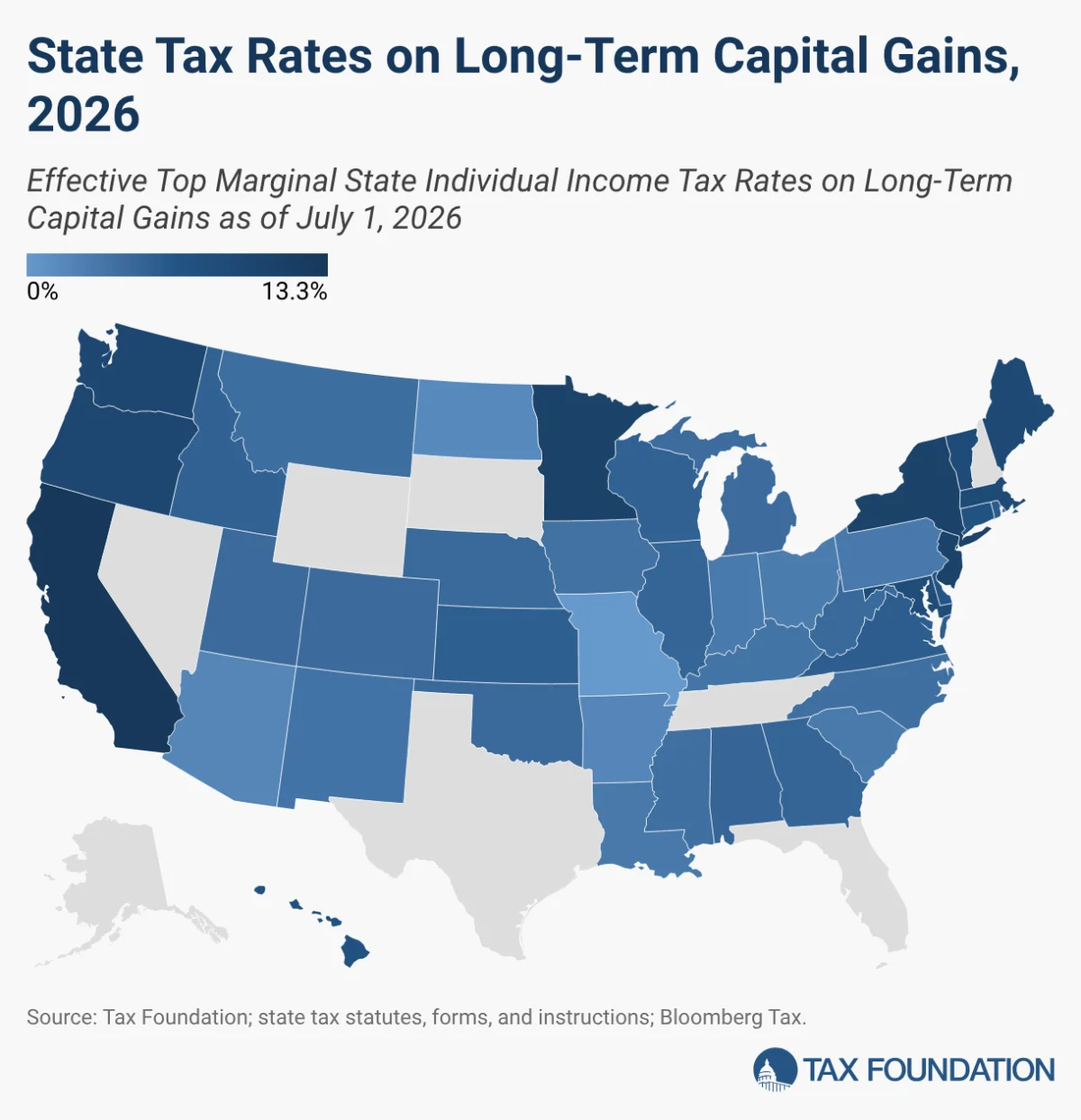
One significant advantage of investing in Treasury bills, notes, and bonds for individual investors is their unique tax treatment. The interest earned from Treasury securities is subject to federal income tax, but it is explicitly exempt from state and local income taxes. This distinction can lead to meaningful savings, particularly for residents of high-tax states.
Consider a resident of New York or California, where state income tax rates can exceed 10%. If that individual earns $5,000 in interest from a T-bill, that $5,000 is only taxed at their federal rate. If they earned the same $5,000 from a corporate bond or a high-yield savings account, it would be subject to both federal and state income taxes. For someone in a high federal tax bracket and a high state tax bracket, this exemption can make T-bills a more attractive after-tax investment compared to other taxable income sources. Conversely, for residents of states with no income tax (e.g., Florida, Texas, Nevada), this specific advantage is less impactful, though T-bills still offer their inherent safety and liquidity benefits.
How to Invest in Treasury Bills: Direct vs. Brokerage
Individual investors have two primary avenues for purchasing Treasury bills:
- TreasuryDirect: This is the official U.S. government website (www.treasurydirect.gov) where individuals can buy T-bills, notes, bonds, and savings bonds directly from the Treasury. It offers the lowest minimum investment ($100) and no commissions. Investors set up an account, link it to their bank account, and can then participate in weekly auctions. TreasuryDirect allows for automated reinvestment at maturity, simplifying the process for those who wish to roll over their investments.
- Brokerage Accounts: Major brokerage firms like Fidelity Investments, Charles Schwab, Vanguard, and others also allow clients to purchase T-bills. This option offers the convenience of keeping all investment assets—stocks, bonds, mutual funds, and Treasury securities—in a single platform. While brokerages may have slightly higher minimums than TreasuryDirect or charge small transaction fees (though many now offer commission-free Treasury purchases), they often provide more sophisticated analytical tools and consolidated reporting.
The choice depends on an investor’s preference for direct government interaction versus consolidated portfolio management. Both methods provide access to these critical safe-haven assets.
What Berkshire’s Cash Signals: Market Sentiment and Future Opportunities
Berkshire Hathaway’s colossal T-bill holding is more than just a balance sheet item; it’s a significant signal to the broader financial market. When a discerning investor like Warren Buffett, known for his long-term perspective, chooses to hold such a massive amount of cash in short-term government debt, it suggests several potential interpretations:
- Overvaluation: It may indicate that Buffett and his team perceive current market valuations for equities and potential acquisition targets as elevated, offering insufficient margins of safety or attractive long-term returns.
- Caution: It could reflect a cautious stance on the economic outlook, implying that liquidity is paramount to navigate potential downturns or capitalize on opportunities arising from economic distress.
- Patience: Ultimately, it underscores Berkshire’s commitment to strategic patience. The company is willing to wait, earning a safe return on its capital, until truly exceptional investment opportunities emerge that align with its stringent criteria.
While the exact timing and nature of Berkshire’s next major capital deployment remain speculative, the current T-bill strategy ensures that the company is exceptionally well-positioned to act decisively when the moment is right. This prudent approach has been a cornerstone of Berkshire Hathaway’s enduring success and serves as a powerful reminder that sometimes, the most intelligent investment move is to preserve capital and patiently await the opportune moment.
In conclusion, Berkshire Hathaway’s substantial investment in Treasury bills is a strategic masterclass in capital preservation, liquidity management, and disciplined patience. It reflects a nuanced understanding of market cycles and the importance of having "dry powder" ready for deployment. For individual investors, the accessibility and safety of T-bills, combined with their favorable tax treatment and competitive yields in the current rate environment, make them an invaluable tool for managing emergency funds, short-term savings, and overall portfolio risk, echoing the wisdom of one of the world’s most successful investors.