Nila Kartika Wati
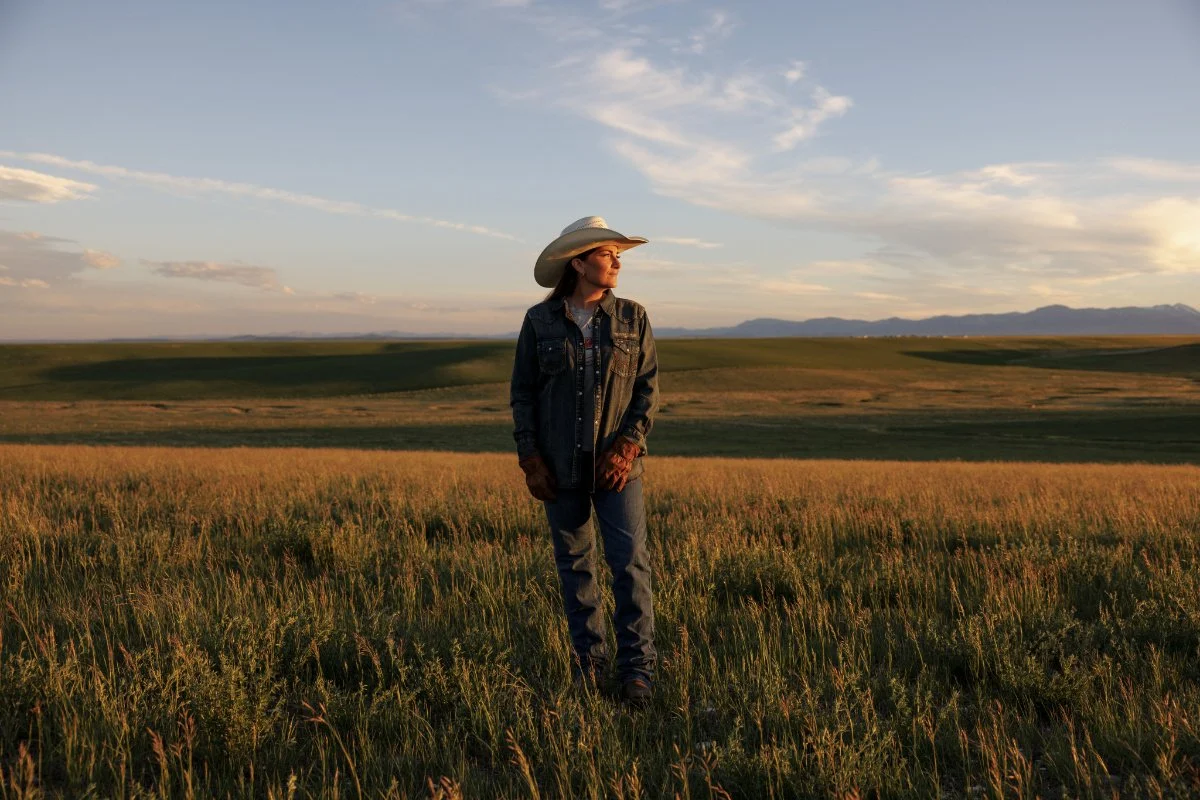
In the expansive landscape of Pendroy, Montana, situated along the Rocky Mountain Front, Tiffany St. Goddard operates at the intersection of ancestral tradition and modern agricultural enterprise. As an enrolled member of the Blackfeet Tribe, St. Goddard has transformed a lifelong affinity for equine culture into a multifaceted ranching operation that encompasses horse training, cattle production, and community-based mentorship programs. Her work serves as a contemporary model for Indigenous land stewardship, highlighting the vital role of women in the rural economy and the enduring significance of the horse in Blackfeet heritage.
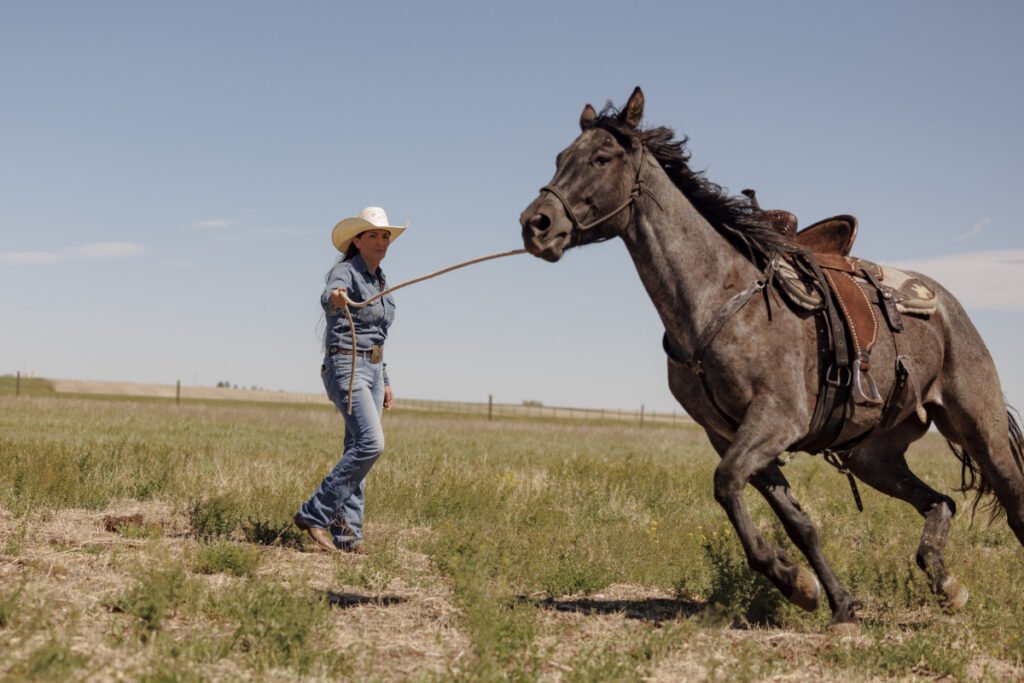
St. Goddard’s ranching operation is primarily focused on two commercial pillars: the breeding and training of registered quarter horses and a seasonal cow-calf cattle operation. Alongside her husband, she specializes in "colt starting"—the critical initial phase of training young horses to accept a saddle and rider—and advanced performance training. This enterprise seeks to produce high-caliber animals capable of excelling in both competitive and working environments. By focusing on the development of the "whole horse," the St. Goddards aim to ensure that each animal is prepared for a successful transition to future owners, a process that requires significant technical expertise and patience.
The Economic Architecture of Montana Ranching
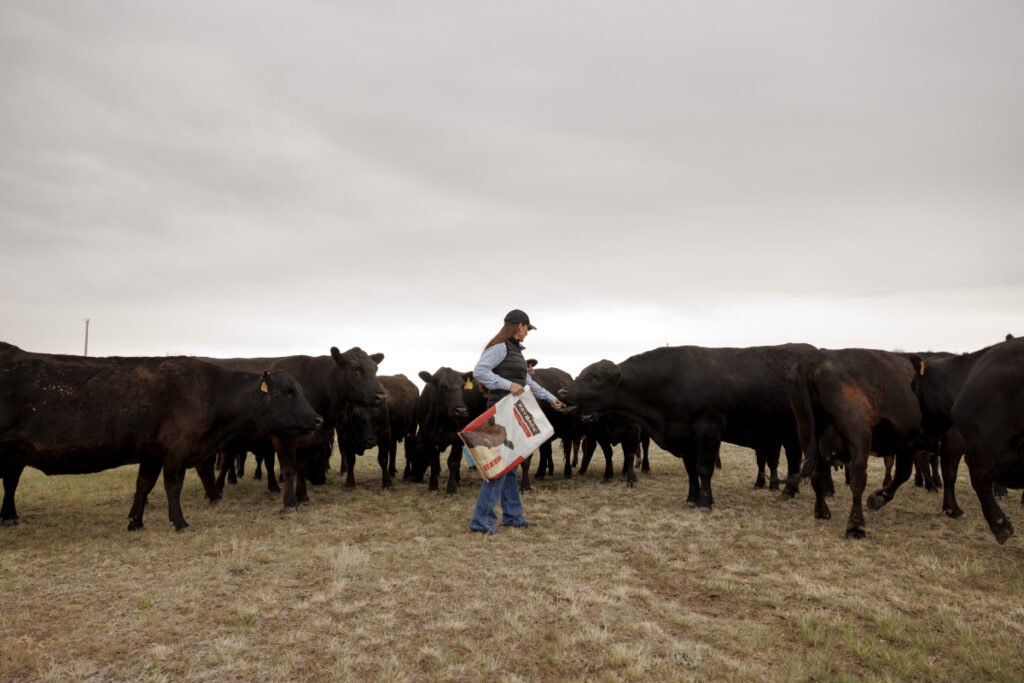
The agricultural landscape in Montana is defined by its volatility, and St. Goddard’s cattle operation reflects the high-stakes nature of the industry. Her ranch manages a "cow-calf" system, a foundational segment of the beef production chain. This cycle begins with the maintenance of a permanent herd of mother cows. In the summer months, bulls are introduced for breeding, leading to a calving season that typically runs from late March through April. The timing is strategic but perilous, as Montana’s early spring can bring unpredictable blizzards and sub-zero temperatures, necessitating 24-hour vigilance to ensure the survival of the newborns.
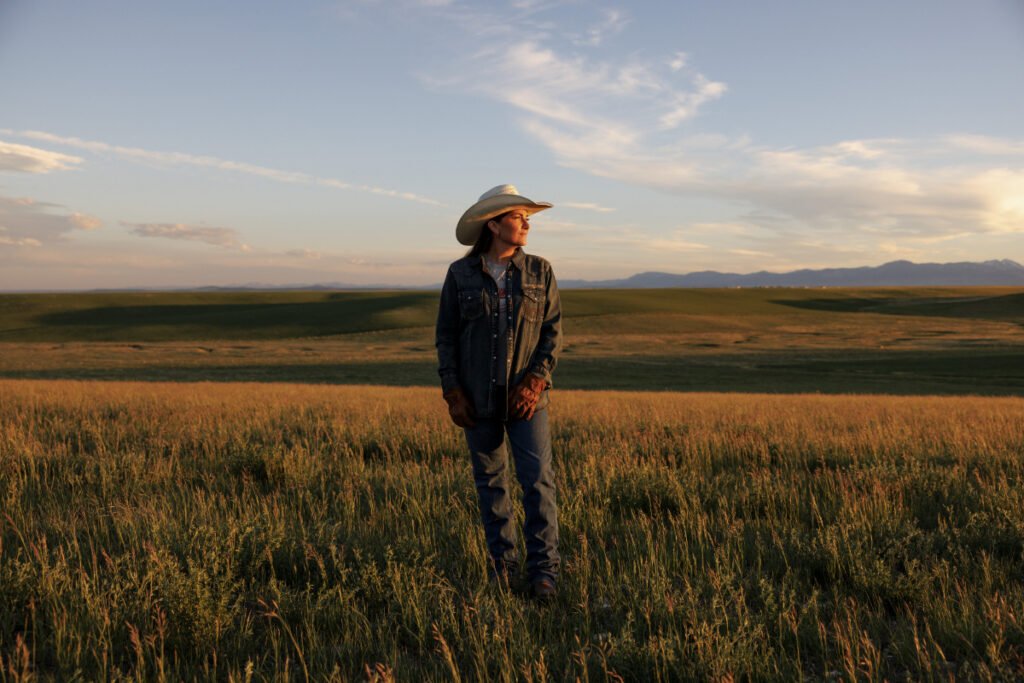
The economic viability of the ranch hinges on the fall sale of these calves. For independent ranchers, this annual transaction represents the primary source of income intended to cover a full year of operating expenses, including hay procurement, veterinary care, equipment maintenance, and personal livelihoods. In recent years, the cattle market has experienced significant fluctuations. As of mid-2026, cattle prices have reached historic highs, in some cases doubling the rates seen in the early 2020s. This surge is attributed to several factors, including a contraction in the national beef herd due to prolonged droughts in the Western United States and a robust consumer demand for high-quality, pasture-raised beef.
However, St. Goddard notes that while high prices are favorable, they are often offset by the rising costs of "inputs"—the materials required to run a ranch. The price of diesel, fencing materials, and supplemental winter feed has climbed alongside cattle prices, narrowing the profit margins for family-owned operations. This economic reality underscores the necessity of diversified income streams, such as the St. Goddards’ horse training and sales business, which provides a financial buffer against the cyclical nature of the beef market.
Indigenous Stewardship and the Blackfeet Legacy
St. Goddard’s approach to ranching is deeply rooted in her identity as a Blackfeet woman. The Blackfeet Nation, or Niitsitapi, has a historical relationship with the horse that dates back to the early 18th century. The introduction of the horse—referred to in the Blackfeet language as ponokamita (elk-dog)—revolutionized the tribe’s mobility, hunting capabilities, and social structure. For St. Goddard, raising horses is not merely a commercial endeavor but a continuation of a cultural lineage.
Her family history reflects a long-standing commitment to the land. Her father’s background in hunting and packing, combined with her maternal grandfather’s legacy in cattle ranching, provided a foundational education in land management. This intergenerational knowledge is a critical component of Indigenous ranching, where the health of the ecosystem is often prioritized alongside economic output. In the Pendroy region, where the plains meet the mountains, maintaining the balance of native grasslands is essential for both the cattle and the local wildlife, including elk, grizzly bears, and wolves.
Fostering Resilience: The Rooted in the Land Program
Recognizing the unique challenges faced by women in the male-dominated agricultural sector, St. Goddard has become a prominent leader within the "Women in Ranching" network. She was instrumental in the development and execution of the "Rooted in the Land" program, an initiative designed specifically by and for Indigenous women. This program addresses a significant gap in rural support systems by providing a space where Indigenous women can share technical resources, discuss land management strategies, and foster emotional resilience.
The geographic isolation of Montana ranching can often lead to social fragmentation. For women, who frequently manage both the administrative and physical demands of the ranch while also serving as primary caregivers, the risk of burnout is high. St. Goddard organizes annual gatherings in her community that move beyond traditional agricultural workshops. These sessions focus on "caring for the whole woman," acknowledging that the sustainability of the ranch is inextricably linked to the well-being of the rancher.
The "Rooted in the Land" initiative also serves as a platform for Indigenous women to reclaim their narrative in the agricultural sector. Historically, Indigenous contributions to American ranching have been undervalued or overlooked. By building a network of support, St. Goddard and her peers are asserting their role as essential stakeholders in the future of the American West.
The Spirit of the Horse: Mentoring the Next Generation
Perhaps the most impactful of St. Goddard’s initiatives is the "Spirit of the Horse Camp." This one-day leadership-through-horsemanship program is tailored for Blackfeet girls between the ages of 12 and 15. The camp utilizes the horse as a medium for teaching self-confidence, emotional regulation, and traditional leadership values.
Participants in the camp engage with elders and mentors, bridging the generational gap and ensuring that cultural knowledge is passed down. The curriculum emphasizes the "Spirit of the Horse"—the idea that the animal reflects the energy and intent of the handler. By learning to lead a thousand-pound animal, young women develop a sense of agency and empowerment that translates to their lives outside the corral.
The program addresses specific needs within the Blackfeet community, where youth often face systemic challenges related to historical trauma and limited economic opportunity. St. Goddard’s vision for the camp is rooted in the belief that the healing power of horses, which aided her own personal development, can serve as a catalyst for community-wide resilience. The camp encourages participants to take pride in their identity as young Blackfeet women, fostering a new generation of leaders who are connected to their heritage and their land.
Analyzing the Broader Impact on Tribal Sovereignty and Rural Stability
The work of Tiffany St. Goddard carries implications that extend far beyond the borders of her ranch in Pendroy. Her success as an Indigenous rancher contributes to the broader goal of tribal food sovereignty—the ability of Indigenous nations to control their own food systems and land use. By maintaining a productive, Indigenous-owned agricultural operation, she helps secure the economic footprint of the Blackfeet Nation.
Furthermore, St. Goddard’s emphasis on community and mentorship highlights a shift in rural development strategies. Rather than focusing solely on technological advancement or industrial scaling, her model emphasizes social infrastructure. In an era where rural populations are declining and family farms are being consolidated into large corporate entities, the survival of mid-sized, family-run operations like St. Goddard’s is vital for the stability of rural towns.
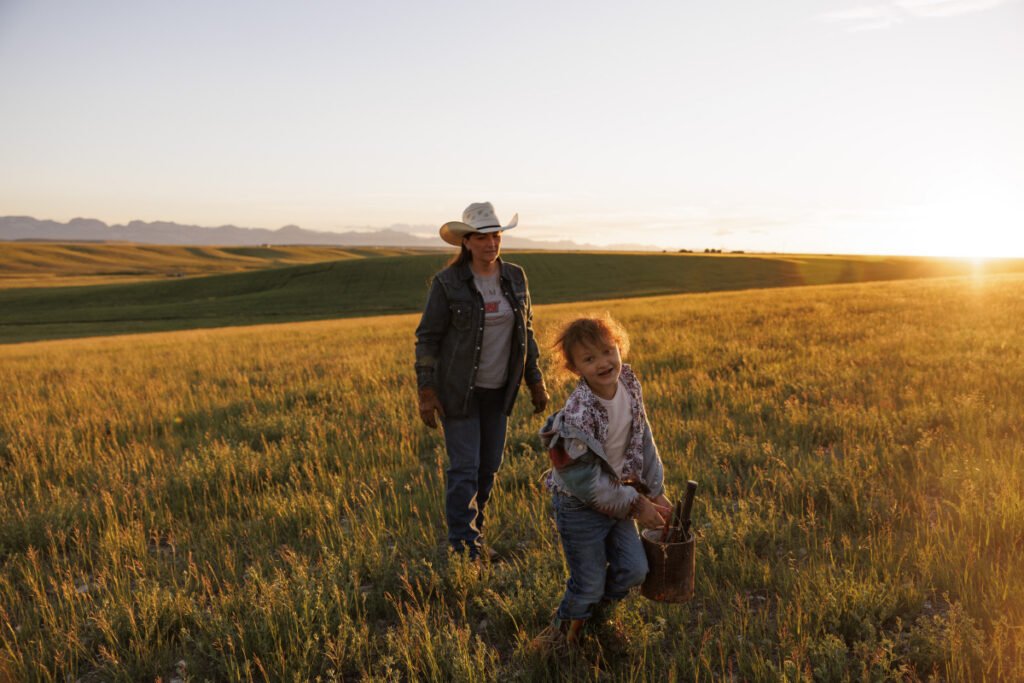
The collaboration between St. Goddard and organizations like Civil Eats and the Nonprofit Quarterly, through the "Farming 250" series, brings national attention to the realities of modern American agriculture. As the United States approaches its 250th anniversary, the stories of ranchers like St. Goddard provide a necessary perspective on what the nation looks like "from the soil up." Her narrative challenges the stereotypical image of the American rancher, replacing it with a more inclusive and accurate representation of the diverse individuals who steward the land.
In conclusion, Tiffany St. Goddard’s operation in Pendroy, Montana, is more than a business; it is a vital node in a network of cultural preservation and community health. Through the rigorous work of colt starting and cattle calving, the strategic leadership of "Women in Ranching," and the inspired mentorship of the "Spirit of the Horse Camp," she is ensuring that the legacy of the Blackfeet people remains as enduring as the landscape they inhabit. As market forces and environmental conditions continue to evolve, the resilience of leaders like St. Goddard will remain a cornerstone of the American agricultural identity.