Pevita Pearce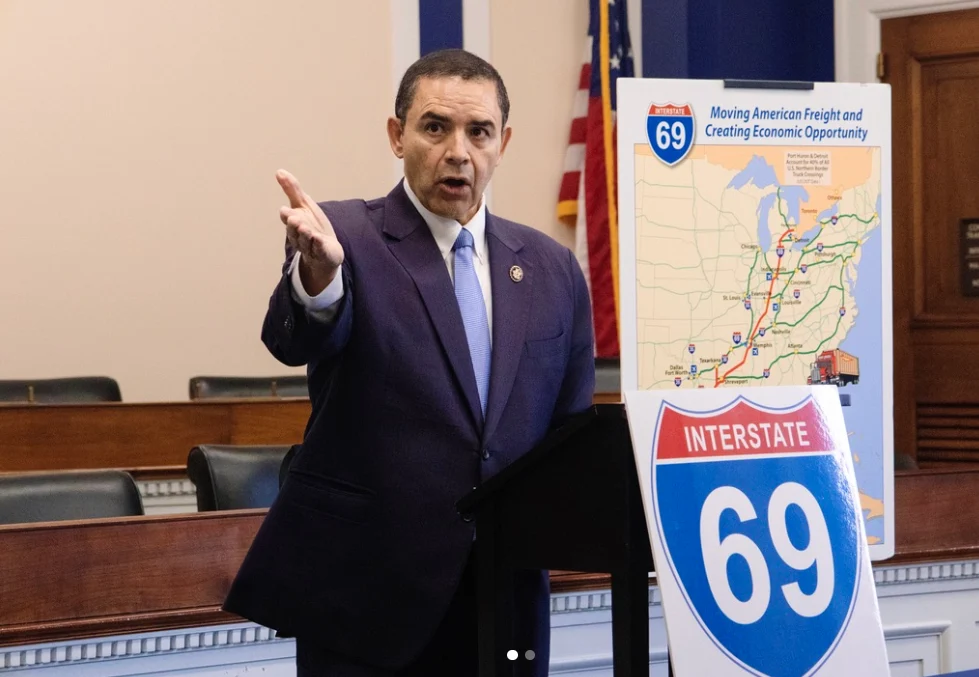
A significant legislative proposal is currently circulating in Congress that could result in substantial rebate payments for individual taxpayers, potentially averaging around $1,020, with additional funds allocated for families with children. This initiative stems from recent court rulings that invalidated tariffs previously imposed under presidential emergency powers, creating a substantial sum of collected revenue that lawmakers are now debating how to redistribute. The proposed legislation, officially titled the American Consumer Tariff Rebate Act of 2026, aims to return these billions of dollars directly to the American public.
The American Consumer Tariff Rebate Act of 2026: A Closer Look
Spearheaded by U.S. Representative Henry Cuellar of Texas, the American Consumer Tariff Rebate Act of 2026 outlines a direct mechanism for returning tariff revenue to citizens. The bill proposes utilizing the existing infrastructure of the Internal Revenue Service (IRS) to distribute these funds, leveraging the tax return data already on file. This approach is designed for efficiency and to ensure that the relief reaches eligible taxpayers promptly.
Estimates provided by lawmakers suggest a tiered distribution system. Single filers could anticipate receiving approximately $1,020. Heads of household are projected to receive around $1,530, while married couples filing jointly could be eligible for approximately $2,040. These figures are contingent on the total number of qualifying taxpayers. Furthermore, the proposal includes a supplemental payment of $125 for each qualifying child listed on a tax return, providing additional support for families.
Representative Cuellar has articulated the rationale behind the bill, emphasizing that tariffs often function as indirect taxes. He argues that businesses, faced with the cost of import duties, frequently pass these expenses onto consumers through increased prices. By returning the collected tariff revenue, the legislation aims to directly offset this financial burden on American households, thereby mitigating the impact of rising consumer costs.
“My bill is secure, efficient, and focused on those most affected by rising prices,” Cuellar stated in a press release announcing the proposal. “I look forward to working in a bipartisan way to advance this provision and deliver meaningful relief to families across South Texas and the country.” This statement underscores a desire for broad political support and a focus on tangible economic relief for constituents.
The Legal Foundation for Tariff Rebates
The impetus for the American Consumer Tariff Rebate Act of 2026 arises from a series of judicial decisions. Courts have recently ruled that certain tariffs enacted under the International Emergency Economic Powers Act (IEEPA) exceeded the executive branch’s statutory authority. These rulings have created a legal precedent and a fiscal consequence: a substantial amount of revenue collected through these invalidated tariffs now sits in a contentious position, with questions arising about its rightful destination.
Analysts estimate that these tariffs generated well over $100 billion in revenue. The duties were typically paid by importers at the point of entry into the United States. The subsequent legal challenges have centered on whether these collected funds should be refunded directly to the companies that paid the tariffs or whether they should be redistributed to a broader segment of the population, such as consumers who ultimately bore the cost. The American Consumer Tariff Rebate Act of 2026 firmly aligns with the latter approach.
Supporting Arguments and Potential Opposition
Proponents of the rebate proposal contend that distributing the funds directly to taxpayers is the most equitable way to return money that ultimately originated from consumers through inflated prices. They argue that the tariffs, by increasing the cost of imported goods, acted as a hidden tax that disproportionately affected middle and lower-income households. Returning this revenue, in their view, is a matter of rectifying an unfair economic outcome.
However, the proposal is not without its critics. Some lawmakers and policy experts have raised questions about the efficacy of issuing direct rebate checks as the best use of such a significant sum of money. Concerns may include the administrative complexity, the potential inflationary impact of injecting billions of dollars into the economy, and whether Congress will ultimately garner sufficient bipartisan support for such a program.
Income Limitations and Funding Considerations
To ensure that the relief is primarily directed towards households most likely to feel the pinch of increased prices, the proposal includes an income limitation. Taxpayers with annual incomes exceeding $400,000 would be excluded from receiving these rebate payments. This provision is intended to concentrate the financial benefits on middle- and lower-income households. Additionally, this income cap could serve as a mechanism to help finance the additional payments designated for qualifying children, thereby broadening the support for families.
Legislative Path Forward
The American Consumer Tariff Rebate Act of 2026 has been formally referred to the House Ways and Means Committee, a key body responsible for considering tax legislation. For the bill to become law, it must successfully navigate the legislative process, requiring approval from both the House of Representatives and the Senate. Following congressional passage, it would then require the signature of President Donald Trump. The timeline for this process remains uncertain, as legislative debates and negotiations can be lengthy and complex.
Broader Economic Context and Implications
The debate surrounding tariff rebates touches upon broader economic principles and policy considerations. Tariffs are a form of trade protectionism, intended to shield domestic industries from foreign competition by making imported goods more expensive. However, they can also lead to retaliatory tariffs from other countries, disrupt global supply chains, and increase costs for domestic consumers and businesses that rely on imported components or finished products.
The court’s decision to invalidate certain tariffs under IEEPA highlights the intricate balance between executive authority and congressional oversight in matters of trade and national security. The use of emergency powers for imposing tariffs has been a point of contention, and the legal challenges underscore the importance of clear statutory authorization for such actions.
The potential redistribution of billions of dollars in tariff revenue presents a significant fiscal decision for Congress. The choice between refunding importers or providing rebates to consumers reflects different philosophies on who ultimately bears the burden of trade policy. The proposed rebate program, if enacted, would represent a direct intervention to offset perceived economic harm to consumers, potentially influencing future trade policy debates and the public’s perception of the costs associated with protectionist measures.
The administrative feasibility of distributing payments via the IRS is a notable aspect of the proposal. The IRS has experience in managing large-scale payment programs, such as economic impact payments issued during the COVID-19 pandemic. However, the scale and specific criteria of the proposed tariff rebates would require careful planning and execution.
Furthermore, the political dynamics surrounding this legislation will be crucial. Bipartisan cooperation will be essential for the bill’s passage. Supporters will need to effectively communicate the benefits of direct consumer relief, while opponents may raise concerns about fiscal responsibility, economic impact, and alternative uses for the funds. The inclusion of an income limitation suggests an effort to build broader appeal by targeting relief to a significant portion of the electorate.
The outcome of this legislative effort could have lasting implications for how tariff revenue is managed in the future and how Congress responds to the economic impacts of trade policies. It also signifies a moment where the judiciary’s role in checking executive power in trade matters has directly led to a significant legislative consideration for economic relief to the public. The coming months will reveal whether the American Consumer Tariff Rebate Act of 2026 can garner the necessary support to become law and provide tangible financial relief to millions of American households.
Historical Precedents and Tariff Policy Debates
The concept of returning funds collected through tariffs is not entirely novel, though the scale and specific legal impetus in this case are significant. Historically, tariff revenues have been a crucial source of funding for governments. However, debates over the fairness and economic consequences of tariff policies have persisted for centuries.
During the Trump administration, the use of Section 232 tariffs, for example, aimed to protect domestic industries deemed critical for national security. These tariffs, applied to goods like steel and aluminum, generated substantial revenue but also led to increased costs for manufacturers and consumers who relied on these materials. The legal challenges that have now arisen suggest a potential overreach in the executive branch’s ability to impose such broad economic measures without more explicit congressional authorization.
The current proposal to refund these tariffs can be viewed as a corrective measure, acknowledging that the economic burden of these duties may have been unfairly distributed. The emphasis on returning the funds to consumers, rather than solely to the importers who initially paid them, reflects a growing awareness of the broader economic ripple effects of trade policy.
The inclusion of additional payments for children also speaks to a policy objective of supporting families, a common theme in economic relief legislation. By targeting a portion of the funds to dependents, lawmakers are attempting to provide more substantial assistance to households with greater financial responsibilities.
The legislative journey of the American Consumer Tariff Rebate Act of 2026 will be closely watched. Its success or failure will not only determine whether billions of dollars are returned to taxpayers but will also offer insights into the current political climate, the priorities of the legislative branch, and the evolving landscape of U.S. trade policy and its economic ramifications for the average American.