Julia Chirkova
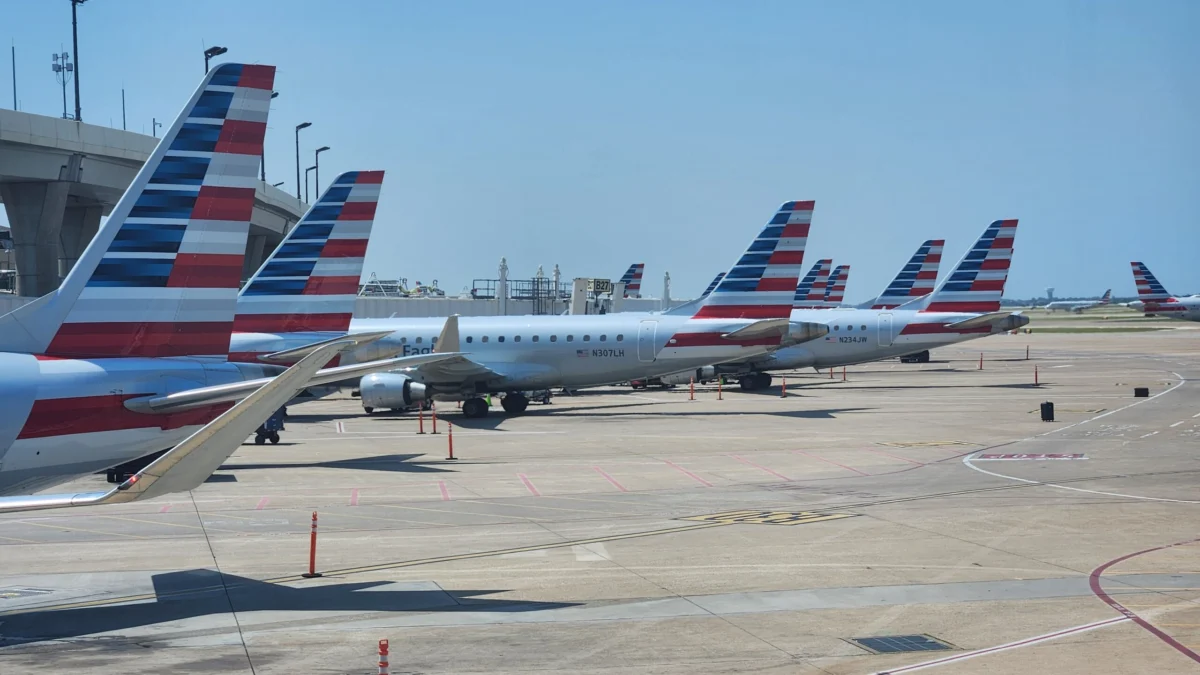
The Federal Aviation Administration (FAA) implemented a nationwide ground stop for all commercial domestic flights in the United States on Friday afternoon, citing "extraordinary circumstances and for reasons of safety." This unprecedented measure, which impacted flights across the country, including at major hubs like Los Angeles International Airport (LAX), stemmed from a significant communication issue affecting air traffic control centers. While the ground stop was later lifted, the incident caused widespread delays and cancellations, leaving travelers stranded and raising concerns about the resilience of critical aviation infrastructure.
The Unfolding Crisis: A Nationwide Halt
The directive, issued Friday afternoon, brought air traffic to a standstill. The FAA’s advisory stated, "all departing traffic should remain ground stopped until further notice." This meant that no commercial domestic flights were permitted to take off. The impact was immediate and far-reaching, affecting thousands of scheduled departures and stranding an untold number of passengers at airports nationwide.
The situation was particularly chaotic at busy airports. At Los Angeles International Airport (LAX), a major gateway for both domestic and international travel, operations ground to a halt. Passengers accustomed to the usual rhythm of air travel found themselves in a state of uncertainty, with departure boards displaying "Delayed" or "Cancelled" for hours on end. Similar scenes unfolded at airports across the country, from the bustling terminals of Chicago O’Hare to the smaller regional airports.
Technical Glitch at the Core of the Disruption
At the heart of the crisis was a communication issue within the air traffic control system. While the exact nature of the technical failure remained under investigation, early reports and leaked audio suggested a breakdown in critical systems responsible for managing flight information and communication between controllers and pilots.
Audio recordings from air traffic control channels provided a glimpse into the confusion and disbelief among those on the front lines. At San Diego International Airport, a controller announced the ground stop to pilots on the runway. The response from one pilot, captured on audio, conveyed the sheer shock of the situation: "That’s a joke, right?" The controller’s confirmation that it was not a joke, and that the ground stop was due to an equipment issue, underscored the severity of the problem.
Speculation within the audio channels pointed towards a potential link to a broader Microsoft Outlook outage that had affected users on November 12th. However, controllers stated they could not confirm this as the cause. Further details emerged from Chicago Air Route Traffic Control Center audio, where a controller reported losing "all frequencies and automation for handoffs and strips." This likely referred to the critical systems that manage the transfer of flight control between different sectors and the electronic records used to track individual aircraft.
A Rare and Significant Event
This nationwide ground stop was a stark reminder of the complex and sensitive nature of air traffic control. It marked the second full ground stop of its kind since the September 11, 2001, terrorist attacks. The previous full ground stop occurred in 2023 when a pilot notification system experienced an outage, highlighting a recurring vulnerability in the system. The FAA’s decision to implement such a drastic measure indicated the gravity of the technical failure and the paramount importance of ensuring flight safety above all else.
Official Response and Investigation
The Federal Aviation Administration, alongside the Department of Transportation, immediately launched an investigation into the cause of the widespread disruption. Secretary of Transportation Sean Duffy addressed the situation via a post on X (formerly Twitter), stating, "FAA technicians are investigating the issue. We will provide immediate updates as we have them." This communication aimed to reassure the public and provide transparency during a period of significant uncertainty.
The FAA’s advisory also outlined protocols for inbound international flights, stating they would be handled "on a case by case basis." This ensured that while domestic departures were halted, essential international travel and cargo operations could continue under careful management, albeit with potential delays.
The Lifting of the Ground Stop and the Road to Recovery
After several hours of disruption, the FAA announced the lifting of the ground stop at 8:23 pm EST. The agency confirmed that commercial domestic flights would begin to resume as airlines made the necessary adjustments to their operations. This announcement brought a sense of relief to stranded passengers and airline operators.
However, the aftermath of a nationwide ground stop is never immediate. Airlines faced the monumental task of repositioning aircraft and crews, managing the backlog of delayed flights, and rebooking passengers. The ripple effect of the disruption would likely be felt for days, with potential for continued delays and cancellations as the system returned to full operational capacity.
Broader Implications and Future Considerations
The incident served as a critical wake-up call regarding the vulnerability of the nation’s air traffic control system. While the FAA is known for its rigorous safety protocols, this event underscored the potential for technological failures to have cascading and significant consequences.
Supporting Data and Context:
- Scale of Disruption: On a typical Friday afternoon, tens of thousands of flights operate within the U.S. airspace. A nationwide ground stop of several hours would therefore impact thousands of flights and potentially hundreds of thousands of passengers.
- Economic Impact: Beyond the immediate inconvenience to travelers, such disruptions carry substantial economic costs. Airlines incur significant expenses related to flight cancellations, passenger rebookings, and crew rescheduling. The broader economic impact can also extend to businesses that rely on timely travel for their operations.
- Technological Dependence: Modern air traffic control relies heavily on sophisticated computer systems, communication networks, and automation. While these technologies enhance efficiency and safety, they also introduce potential single points of failure if not adequately protected and maintained.
- Previous Incidents: The mention of the 2023 pilot notification system outage is significant. It suggests that the FAA and its contractors are continuously working to address and mitigate potential system vulnerabilities. However, this latest event indicates that new or previously unaddressed issues can arise.
Analysis of Implications:
The incident is likely to trigger a thorough review of the FAA’s technological infrastructure, cybersecurity measures, and emergency response protocols. Key areas for examination will include:
- System Redundancy and Resilience: Evaluating the robustness of backup systems and fail-safe mechanisms within the air traffic control network.
- Cybersecurity Threats: Investigating whether external cyber threats played any role in the communication breakdown, especially given the speculation around other widespread system outages.
- Communication Protocols: Assessing the reliability and security of communication channels between FAA facilities and between the FAA and airlines.
- Contingency Planning: Reviewing and potentially enhancing the FAA’s contingency plans for responding to major technological disruptions.
The FAA’s swift action to lift the ground stop and the ongoing investigation are crucial steps. However, the long-term implications will depend on the thoroughness of the inquiry and the implementation of any necessary upgrades or changes to prevent future recurrences. The traveling public and the aviation industry will be looking for assurances that the systems underpinning air travel are as secure and resilient as possible.
The Los Angeles Times, in collaboration with Tribune Content Agency LLC, will continue to monitor this developing story and provide updates as more information becomes available.