

 Candice Horbacz
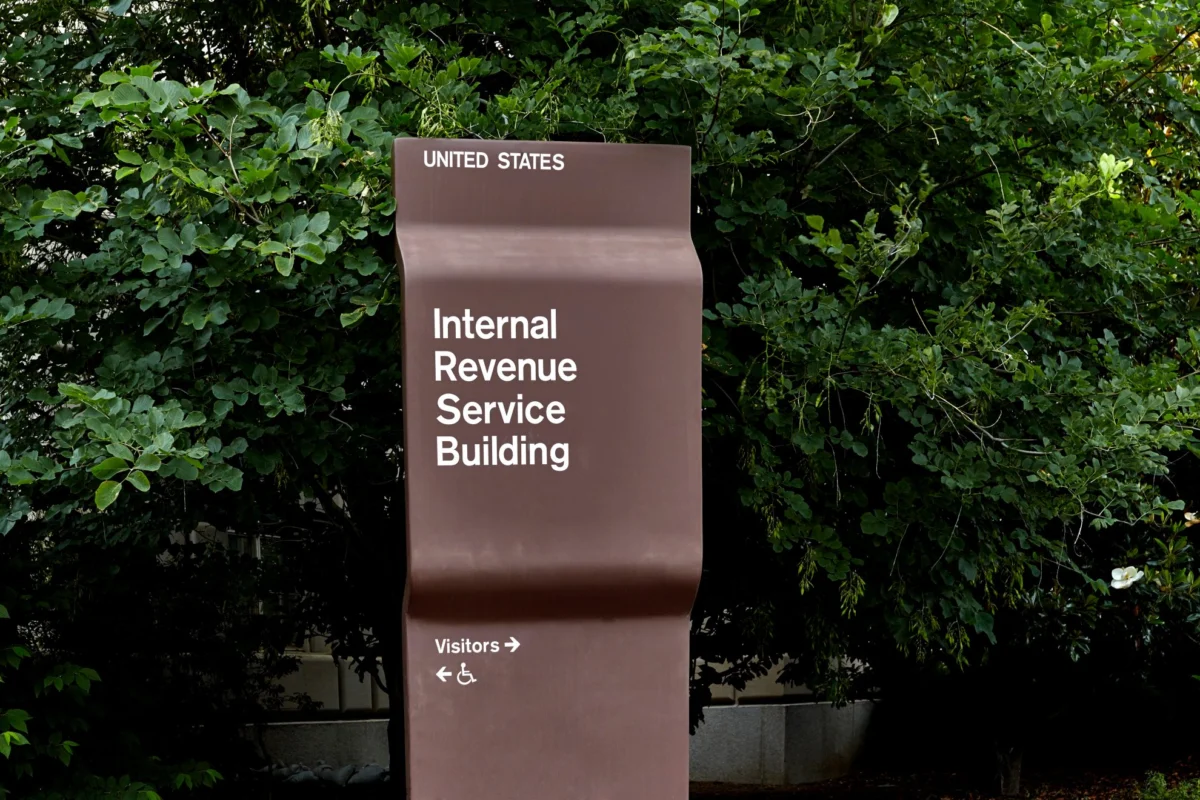
A recent report by the nonpartisan Government Accountability Office (GAAO) estimates that the federal government loses a staggering $116 billion to $304 billion annually to tax fraud. This significant sum represents between two and six percent of the total federal taxes owed each year, a figure that dwarfs the entire budget of the Supplemental Nutrition Assistance Program (SNAP), a critical anti-poverty initiative. The GAO’s findings underscore a persistent and costly challenge for the nation’s fiscal health, intensifying calls for a comprehensive overhaul of the U.S. tax code and more robust, better-coordinated fraud enforcement efforts by the Internal Revenue Service (IRS).
The report’s groundbreaking attempt to formally measure tax fraud within the broader context of the "tax gap" highlights a critical blind spot in federal revenue collection. While the IRS has long provided estimates for the overall tax gap – the difference between taxes legally owed and taxes collected on time – it has not traditionally offered a separate, distinct figure for losses specifically attributable to intentional fraud. This new GAO analysis provides crucial granularity, emphasizing that a substantial portion of uncollected revenue is not merely due to unintentional errors but deliberate evasion. The implications are profound, affecting everything from funding for public services to the perceived fairness of the tax system.
Unpacking the Numbers: Tax Fraud, the Tax Gap, and Improper Payments
To fully grasp the magnitude of the problem, it’s essential to differentiate between several related but distinct concepts: tax fraud, the tax gap, and improper payments. Each contributes to the erosion of federal revenue and presents unique challenges for policymakers and enforcement agencies.
Tax Fraud: A Deliberate Act of Evasion
Tax fraud, as identified by the GAO, involves the intentional misrepresentation or omission of material facts on a tax return to evade tax liabilities. It is a criminal act distinct from unintentional errors or mistakes. Examples of tax fraud are varied and often sophisticated, including:
- Underreporting Income: Failing to declare all earned income, particularly from sources without third-party reporting like cash businesses, freelance work, or illegal activities.
- Falsifying Deductions or Credits: Claiming deductions for expenses that were never incurred, exaggerating legitimate expenses, or claiming ineligible tax credits.
- Hiding Assets: Concealing income or assets in offshore accounts, shell corporations, or through complex financial schemes to avoid taxation.
- Identity Theft: Using stolen identities to file fraudulent tax returns and claim refunds.
- Creating False Businesses: Setting up fictitious businesses to generate fake expenses or losses that reduce taxable income.
A significant portion of the revenue lost to tax fraud, according to the GAO, originates in the "shadow economy." This informal sector, which economic literature reviewed by the GAO suggests could account for anywhere from two to nine percent of the U.S. GDP, encompasses economic activities that are undeclared to tax authorities. It includes everything from unreported cash transactions in legitimate businesses (e.g., unreported tips, off-the-books labor) to illicit activities like drug trafficking, illegal gambling, and human trafficking. The clandestine nature of these operations makes detection and enforcement particularly challenging, as transactions often occur without formal records, third-party reporting, or official oversight.
The Broader Tax Gap: A Measure of Non-Compliance
The tax gap is a more encompassing metric, representing the total difference between taxes legally owed and those collected by the government. As of tax year 2022, the gross tax gap stood at approximately $696 billion, amounting to 15 percent of all federal taxes owed. This figure incorporates both intentional fraud and unintentional taxpayer errors. After accounting for late payments and revenues recovered through IRS enforcement activities like audits, which totaled about $90 billion, the net tax gap for 2022 was still a staggering $606 billion.
The IRS’s analysis of the tax gap reveals its primary components:
- Underreporting (77%): The largest share, where taxpayers fail to report or understate their income, or overstate deductions and credits.
- Non-filing: Taxpayers who fail to file a required tax return.
- Underpayment: Taxpayers who file on time but do not pay the full amount of tax due.
Within underreporting, the individual income tax accounts for the largest portion, particularly income from sole proprietorships. This category alone represents an estimated $117 billion, or 17 percent of the total tax gap. The IRS consistently finds that income sources with little to no third-party reporting or withholding—such as sole proprietorship income, capital gains, and rental income—tend to have significantly higher rates of non-compliance compared to income subject to robust third-party reporting, like wages reported on W-2 forms. The absence of an independent verification mechanism creates fertile ground for both unintentional errors and deliberate evasion.
Improper Payments: Challenges with Refundable Tax Credits
A related but distinct issue contributing to revenue leakage is improper payments associated with refundable tax credits, such as the Earned Income Tax Credit (EITC) and the Child Tax Credit (CTC). Improper payments are defined as either overpayments or underpayments that the government should not have made, or payments for which it could not verify that the correct amount was made to the correct person. The latest estimates from the Treasury Department and the IRS project that improper payments for four major refundable tax credits will total $28.1 billion in fiscal year 2025.
It is crucial to note that not all improper payments of refundable credits are due to intentional fraud. The intricate rules and often confusing structure of programs like the EITC, CTC, and the Premium Tax Credit (PTC) frequently lead to unintentional errors by taxpayers or preparers. These complexities can result in claimants incorrectly determining eligibility or calculating the credit amount, leading to either overpayments or underpayments, all of which are categorized as improper payments in government data. This highlights a systemic issue where policy design inadvertently contributes to non-compliance.
Historical Context and the Evolution of Enforcement
The challenge of the tax gap is not new; it has been a persistent concern for the IRS and policymakers for decades. The IRS first began estimating the tax gap in the 1970s, with methodologies evolving over time to capture a more accurate picture of non-compliance. Early estimates were often lower, reflecting less sophisticated data collection and analysis. For instance, IRS estimates from the early 2010s (covering 2011-2013) placed the gross tax gap at around $441 billion. The substantial increase to $696 billion for 2022 reflects not just growth in the economy and tax base, but also improved data collection and analytical techniques, as well as perhaps a real increase in non-compliance exacerbated by new economic structures and digital transactions.
Efforts to combat tax fraud and reduce the tax gap have historically involved a two-pronged approach: enforcement and simplification. On the enforcement front, the IRS relies on audits, criminal investigations, and civil penalties to deter and detect fraud. However, resource limitations have frequently hampered these efforts. For years, the IRS faced budget cuts that led to a significant reduction in its enforcement staff and audit rates, particularly for high-income individuals and complex corporations. This trend raised concerns among tax policy experts that reduced enforcement capacity could embolden tax evaders and widen the tax gap.
More recently, the passage of the Inflation Reduction Act (IRA) in 2022 marked a significant shift, providing the IRS with nearly $80 billion in additional funding over 10 years. A substantial portion of this funding is earmarked for enforcement activities, including hiring new agents, investing in modern data analytics and artificial intelligence tools, and improving taxpayer services. Proponents of the IRA funding argue that these investments are essential to reverse the decline in audit rates, particularly for wealthy individuals and large businesses, and to close a significant portion of the tax gap. Critics, however, have expressed concerns about potential overreach and the impact on ordinary taxpayers.
Statements, Reactions, and Expert Analysis
The GAO report has predictably drawn reactions from various stakeholders, underscoring the bipartisan concern over lost federal revenue.
Government Accountability Office (GAO): While the report itself serves as the primary statement, implicit in its findings are calls for action. The GAO, as a congressional watchdog, consistently advocates for improved government efficiency and effectiveness. Their recommendation for better data collection and inter-agency coordination aligns with their broader mission to ensure taxpayer dollars are managed responsibly. They would likely stress the need for Congress to provide clear directives and for agencies like the IRS and Treasury to collaborate more seamlessly.
Internal Revenue Service (IRS): IRS officials, while not offering a separate fraud estimate, have consistently acknowledged the challenge of the tax gap. Commissioner Daniel Werfel, for instance, has often highlighted the agency’s efforts to improve compliance through enhanced data analytics and modernization initiatives. The IRS would likely welcome the GAO’s detailed analysis of fraud, seeing it as validation for their requests for increased funding and technological upgrades. They would emphasize that closing the tax gap requires a multi-year, sustained effort, leveraging new tools to detect sophisticated evasion schemes while also improving taxpayer services to reduce unintentional errors.
Treasury Department: The Treasury Department, overseeing the IRS, would echo the need for comprehensive strategies. They would likely point to their "Do Not Pay" system as a promising tool for preventing improper payments, advocating for expanded statutory authority to maximize its effectiveness. Treasury Secretary Janet Yellen has often spoken about the importance of a fair and efficient tax system, suggesting that robust enforcement is crucial for maintaining public trust and ensuring that everyone pays their fair share.
Congressional Leaders: The issue of tax fraud and the tax gap often divides Congress along partisan lines regarding the approach to solving it.
- Democrats typically emphasize stronger enforcement, arguing that increased IRS funding is necessary to crack down on wealthy individuals and corporations who exploit loopholes or actively evade taxes. They would likely use the GAO report to bolster arguments for sustained IRS investment.
- Republicans often prioritize tax code simplification, arguing that a less complex system would inherently reduce both intentional fraud and unintentional errors, thereby narrowing the tax gap without resorting to increased audits. They might express concerns about the scope of IRS power and advocate for reforms that reduce the compliance burden on businesses and individuals.
Tax Policy Experts (like the authors from Tax Foundation): Experts consistently highlight the role of tax code complexity as a major driver of the tax gap. They argue that a "Byzantine" tax code, with its myriad deductions, credits, and special provisions, creates confusion, increases compliance costs, and offers numerous avenues for both unintentional errors and deliberate fraud. Dr. William McBride and Andrew Lautz of the Tax Foundation, for example, would reiterate their call for fundamental tax reform, emphasizing that simplification is not just about ease of filing but a critical component of improving compliance and reducing revenue losses.
Pathways to Reduction: Legislative and Administrative Reforms
While completely eliminating tax fraud and the tax gap is an unrealistic goal, significant improvements are achievable through concerted efforts from Congress and the IRS. The GAO’s report, coupled with existing IRS analysis, points toward several key areas for reform.
1. Modernizing and Empowering the IRS:
- Data Analytics and AI: Investing in cutting-edge data analytics and artificial intelligence can help the IRS identify suspicious patterns and potential fraud much more efficiently than traditional methods. This allows for more targeted enforcement, reducing the burden on compliant taxpayers.
- Inter-Agency Coordination: The GAO implicitly recommends better coordination among federal agencies. Tax fraud often intersects with other criminal activities (e.g., money laundering, organized crime), requiring seamless information sharing and joint operations between the IRS, Treasury, Department of Justice, and other law enforcement bodies.
- Clearer Definitions and Guidance: The IRS needs to provide clear, accessible guidance to taxpayers and tax preparers to minimize unintentional errors, while also having robust legal definitions and frameworks to pursue intentional fraud.
2. Simplifying the Tax Code:
- Addressing Complexity’s Costs: The current tax code’s complexity imposes an estimated $544 billion annually in compliance costs on the U.S. economy, nearly matching the size of the net tax gap. This burden disproportionately affects businesses, which grapple with intricate rules that vary by business form (C corporations, S corporations, partnerships, sole proprietorships). Streamlining these rules could significantly reduce both compliance costs and opportunities for evasion.
- Fundamental Reform: One radical but effective approach, exemplified by Estonia, is to replace complicated corporate and other business income taxes with a tax on distributed profits, combined with a simplified individual income tax at the same rate. This has led to low compliance costs, a reduced corporate tax gap, and a highly competitive tax code. While a complete overhaul of the U.S. system faces significant political hurdles, it offers a vision for radical simplification.
- Piecemeal Simplification: A more incremental approach involves systematically eliminating unnecessarily complicated deductions, credits, minimum taxes, and other special provisions that add layers of complexity without providing substantial economic benefit or clarity. This would involve a thorough review of the tax code to identify and remove outdated or overly intricate provisions.
3. Reforming Refundable Tax Credits:
- Streamlining Eligibility Rules: The complex rules governing refundable credits like the EITC and CTC contribute significantly to improper payments. Differences in qualifying child rules between these credits, for instance, create confusion for taxpayers.
- Consolidating Benefits: As proposed by figures like former Senator Mitt Romney (R-UT), consolidating child benefits into a single, reformed child credit and limiting the EITC to a per-worker incentive, regardless of family dimensions, could drastically simplify these programs. This would reduce the potential for errors while still achieving the policy goals of supporting families and encouraging work.
4. Expanding the "Do Not Pay" System:
- The Treasury Department’s "Do Not Pay" system has shown success in preventing improper payments, such as those to deceased recipients. However, its effectiveness is currently limited by a lack of statutory authority to expand checks related to employment status, income, and identity across all federal programs. Granting Treasury this authority would allow the system to proactively verify critical eligibility criteria, significantly reducing improper payments before they occur. This would require careful consideration of privacy concerns and balancing fraud prevention with individual rights.
Broader Impact and Implications
The hundreds of billions of dollars lost annually to tax fraud and unintentional non-compliance have far-reaching economic and social implications.
Economic Impact: The lost revenue directly translates into fewer resources for critical public services, increased national debt, or a heavier tax burden on compliant taxpayers. When a significant portion of taxes owed goes uncollected, the government’s ability to invest in infrastructure, education, healthcare, and national defense is diminished. It also distorts economic competition, as businesses operating in the shadow economy gain an unfair advantage over those that comply with tax laws.
Social Impact: The perception of widespread tax evasion erodes public trust in the fairness and integrity of the tax system. When ordinary citizens believe that wealthy individuals or corporations are not paying their fair share, it can foster resentment and diminish voluntary compliance, creating a vicious cycle. A tax system perceived as equitable is fundamental to social cohesion and public support for government.
Governmental Effectiveness: The persistent tax gap places a significant strain on government agencies responsible for revenue collection and enforcement. It diverts resources that could be used for other priorities and can undermine the credibility of fiscal planning.
In conclusion, the federal government faces a multifaceted and costly challenge in combating tax fraud and closing the tax gap. The GAO’s new estimates underscore the severity of intentional evasion, adding urgency to long-standing calls for reform. While a complete elimination of non-compliance is unattainable, a strategic and comprehensive approach combining a simplified, transparent tax code with a modernized, adequately funded, and technologically advanced IRS can significantly reduce these losses. This endeavor requires sustained political will, bipartisan cooperation, and a commitment to ensuring that the U.S. tax system is both efficient and equitable for all.








