Pevita Pearce
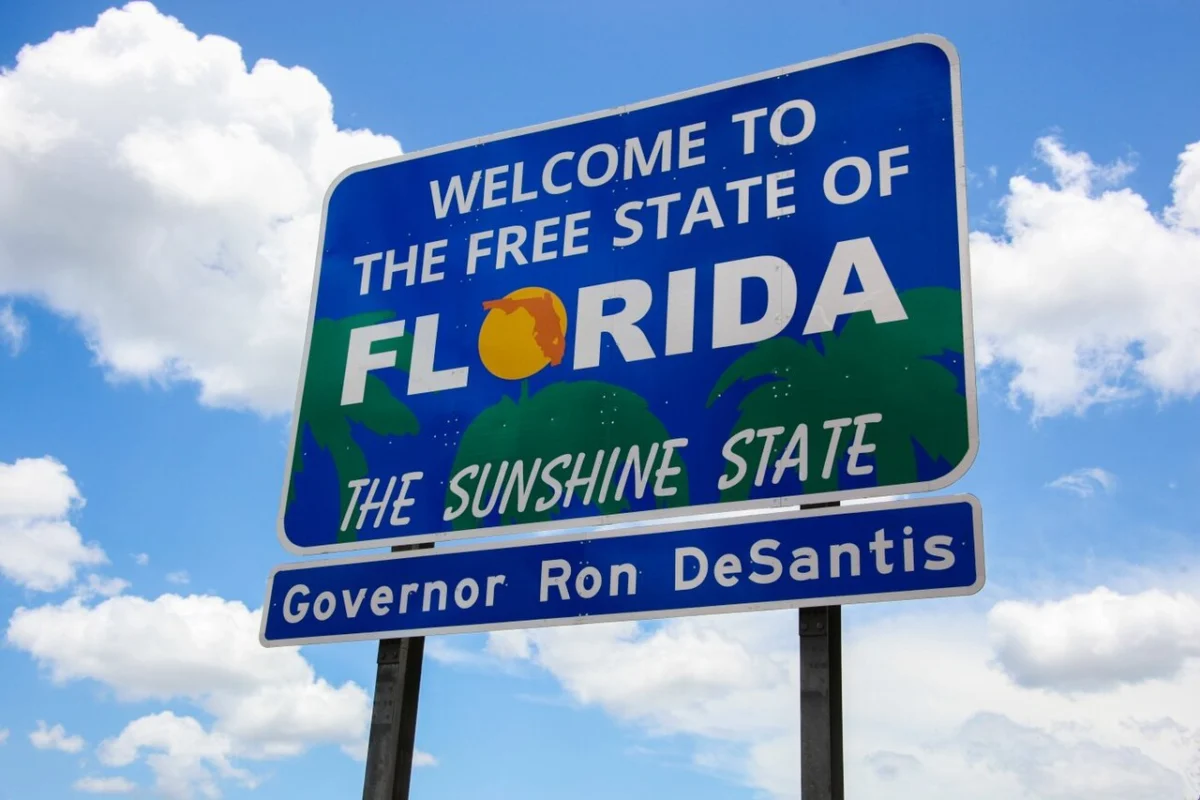
The upcoming general election in Florida presents voters with a critical decision on Amendment 3, a proposed change to the state constitution aimed at significantly reducing property taxes for owner-occupied homes and condominiums. This amendment arrives at a time of heightened public anxiety over affordability and the rising cost of living, yet the outcome of the vote remains uncertain, with recent pre-election polls offering conflicting projections. Passage requires a supermajority of 60% of the vote, a significant hurdle that underscores the complexity and potential divisiveness of the proposal.
Political scientists acknowledge the tightrope walk facing Amendment 3. "It’s probably going to be close," stated Aubrey Jewett, a political scientist at the University of Central Florida. "I can make a case logically for it to pass, and I can also make a case for logically that it won’t. Sixty percent is a pretty significant threshold." This sentiment is echoed by the divergent poll results, which suggest a deeply divided electorate grappling with competing priorities and interpretations of the amendment’s true impact.
Understanding the Proposed Constitutional Amendment
At its core, Amendment 3 seeks to provide substantial property tax relief to a broad segment of Florida’s homeowners. The proposal outlines a two-pronged approach: an expansion of the homestead exemption for owner-occupied properties and a cap on the annual increase of taxable values for non-homesteaded properties.
The current homestead exemption, which shields a portion of an owner-occupied home’s value from taxation, is set to see a significant increase. Starting in 2027, the exemption would rise from its current $50,000 to $150,000, followed by a further increase to $250,000 in 2028. Crucially, this enhanced exemption would not apply to school property taxes, a detail that could influence its overall effectiveness for some homeowners.
Simultaneously, the amendment proposes to limit the annual increase in the taxable value of non-homesteaded properties, such as second homes, vacation rentals, and commercial businesses, to a maximum of 5%. This contrasts with the current 10% cap, offering a degree of predictability and potential cost savings for owners of these types of properties.
The proponents of Amendment 3 argue that these measures will deliver much-needed relief to Floridians who have faced years of escalating property tax bills, a consequence of a booming real estate market and increased local government spending. They contend that this directly addresses the affordability concerns that are top of mind for many voters.
However, opponents of the amendment raise significant alarms about its potential unintended consequences. They warn that the tax reductions for homeowners could necessitate a substantial shift in revenue, potentially leading to increased taxes for other property owners, such as renters and business proprietors. Furthermore, critics suggest that local governments, facing reduced tax revenues, might be forced to curtail essential services. These cuts, they contend, could impact vital public safety functions like police and fire departments, as well as parks, libraries, and healthcare services. There is also a concern that such a shift could centralize fiscal control, moving decision-making power from local communities to the state capital in Tallahassee.
"The basic case for why it would pass is it is promising a big tax cut to homeowners," Jewett explained. "And that’s a really big group of Floridians, many of whom turn out to vote, and historically when we have offered tax cuts on the ballot, they have passed more often than not." He contrasted this with the opposing argument: "On the ‘no’ side, though, it’s really probably a tax shift, not a tax cut. Almost certainly local governments will have to find other sources of revenue because I think objectively there isn’t a lot of waste in local government. Yes, they have increased spending quite a bit in the past five years, but it is because of population growth and inflation, primarily. This could end up with a pretty big tax increase for renters and business owners."
The Political Landscape and Affordability Concerns
The placement of Amendment 3 on the ballot is a strategic move by the Republican-controlled Florida Legislature, which aims to demonstrate its responsiveness to voter anxieties about the cost of living. This initiative has garnered support from the Republican Party of Florida, Governor Ron DeSantis, and the Florida Realtors association. Conversely, the Florida Democratic Party, numerous local elected officials, sheriffs, and law enforcement unions have voiced their opposition, signaling a partisan divide on the issue.
Democrats, in particular, have argued that while affordability is a paramount concern for voters, the state should focus on addressing the high cost of windstorm insurance, which they view as a more pressing issue for many Floridians. This highlights a fundamental disagreement on the root causes of affordability challenges and the most effective solutions.
The timing of this referendum is particularly poignant, coinciding with widespread public frustration over economic conditions. Recent polls underscore this sentiment. A Targoz Market Research poll conducted for the James Madison Institute revealed that only 19% of likely Florida voters felt their household financial situation had improved over the past year, with 38% reporting a worsening situation and 42% indicating it remained the same. Similar findings emerged from a Mason-Dixon Polling & Strategy poll for NBC 6 and Telemundo Station Group, where 26% felt better off, 39% worse off, and 34% about the same.
When asked about the primary drivers of their financial struggles, the Mason-Dixon poll indicated that grocery and food prices were the most significant concern for 26% of respondents. Property taxes, by comparison, were cited by only 6% as the biggest impact on their ability to afford everyday expenses. Other major concerns included income not keeping pace with costs, gas prices, healthcare, rent or mortgage payments, and insurance costs.
The Targoz poll delved deeper into housing affordability specifically, identifying interest rates (22%), property insurance (19%), property taxes (17%), lack of housing supply (14%), and government fees and regulations (10%) as the primary drivers.
Despite property taxes not being identified as the leading cause of affordability issues by a majority of voters in these surveys, the inherent appeal of a direct tax cut remains a powerful factor. "Voters can only vote on what they’re presented with," Jewett observed. "And that’s the property tax amendment. That means if they’re really feeling the pinch, a lot of homeowners may say, ‘I understand all these arguments, but I just really feel we need some affordability relief.’"
Divergent Poll Results and Methodological Nuances
The existence of significantly different outcomes across three recent polls asking about Amendment 3 highlights the inherent challenges and complexities of public opinion surveying. Experts point to a confluence of factors that contribute to these variations, including differing methodologies, survey timing, question wording, and the definition of "likely voters."
"A poll is a snapshot of a moment," explained Kevin Wagner, a political scientist at Florida Atlantic University. "There’s always going to be a lot of statistical noise."
The three polls in question illustrate these methodological differences:
-
St. Pete Polls/Florida Politics: This survey, conducted via automated phone calls and text messages, presented a simplified question: "Do you support or oppose the state constitutional amendment 3 ballot question that would eliminate non-school property taxes on homesteaded primary residences?" While concise, this phrasing could be misleading, as the amendment does not entirely eliminate these taxes but rather significantly reduces them for many. The poll surveyed 836 likely Florida voters from October 5-7, with a margin of error of plus or minus 3 percentage points.
-
Mason Dixon Polling & Strategy (for NBC 6 and Telemundo): This poll employed live telephone callers and offered a more detailed question that provided factual information about the amendment’s provisions. It surveyed 625 registered voters who identified as likely to vote, from September 28 to October 1. The margin of error was plus or minus 4 percentage points. A separate survey of Hispanic voters within this poll showed 58% in favor, 31% opposed, and 11% undecided.
-
Targoz Market Research (for the James Madison Institute): This online poll presented respondents with the full text of the amendment as it will appear on the ballot, offering the most comprehensive description of the proposal. It surveyed 1,200 registered voters, including 857 likely voters, from September 28 to October 4. The margin of error for likely voters was plus or minus 3 percentage points.
The variations in poll results can be attributed to several factors:
- Methodology: The use of live callers, online surveys, or a combination impacts response rates and the demographic makeup of respondents. Historically, live calling was considered the "Gold Standard," but declining willingness to answer unknown numbers has shifted this perception.
- Timing: While the polls were conducted around the same period, slight overlaps and divergences in their collection windows can capture different moments in public discourse and evolving voter sentiment.
- Question Wording: The degree of detail and the specific phrasing of the question can significantly influence how respondents understand and react to the proposal. Simplified questions may lead to broader support based on initial impressions, while detailed questions can elicit more nuanced responses, potentially highlighting concerns.
- Likely Voter Definitions: Each polling organization employs its own criteria to identify "likely voters," which can lead to different samples and, consequently, different results.
- Support vs. Vote Yes: The subtle distinction between asking if respondents "support" a proposal versus if they would "vote yes" can also yield variations in reported outcomes.
Implications and Future Outlook
The outcome of Amendment 3 carries significant implications for Florida’s fiscal landscape and its residents. A "yes" vote would represent a substantial shift in property tax policy, offering immediate financial relief to many homeowners but potentially creating fiscal pressures for local governments and increasing the tax burden on other segments of the population. Conversely, a "no" vote would maintain the status quo, leaving homeowners to contend with rising property tax assessments while preserving current revenue streams for local services.
The debate surrounding Amendment 3 encapsulates a broader conversation about the balance between tax relief, government services, and economic equity. As voters weigh the promises of reduced property tax bills against potential cuts to essential services and tax shifts, their decision will undoubtedly shape the future of Florida’s fiscal structure and the affordability of living in the Sunshine State. The close margins suggested by some polls indicate that voter education and engagement in the final weeks leading up to the election will be crucial in determining the amendment’s fate. The complexity of the issue, coupled with the high threshold for passage, ensures that Amendment 3 will remain a focal point of political discourse and public debate.