Nila Kartika Wati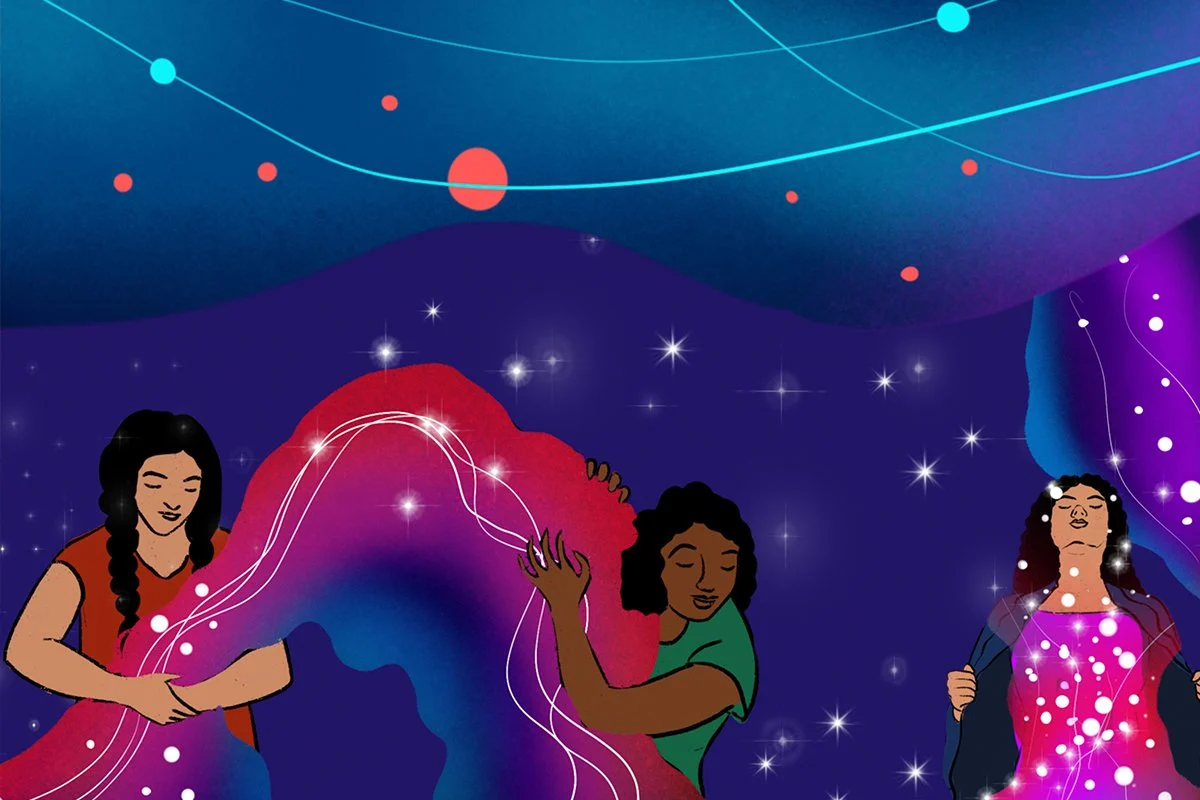
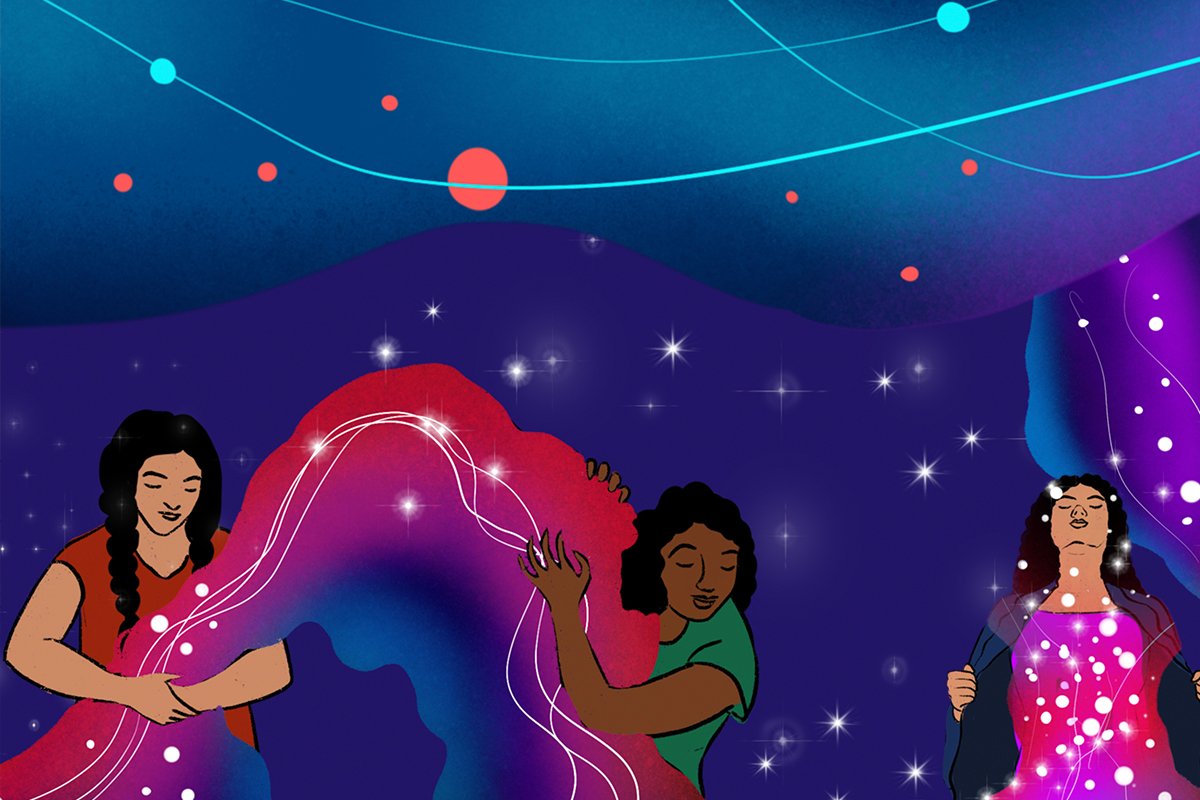
The emergence of dreaming and worldbuilding as a disciplined political praxis marks a significant shift in global feminist movements, particularly among girls and young activists who are reframing resistance as a creative rather than merely reactive force. This year-long series, grounded in the research and experiences of girls and young feminists across multiple continents, explores how the act of imagining alternative futures is a vital component of systemic change. By refusing to accept current conditions of violence, ecological crisis, and systemic oppression as the final limits of human possibility, these young architects are utilizing imagination to construct blueprints for a more equitable society.
The Foundation of Worldbuilding as Political Praxis
At the heart of this movement is the understanding that imagination is not a form of escapism but a prerequisite for transformation. According to data synthesized by Our Collective Practice, a feminist hub dedicated to building knowledge and narrative power, girls and young feminists in countries such as Argentina, Jordan, Kenya, Romania, and the United States are actively engaging in "worldbuilding." This process involves naming the harms of the present while simultaneously rehearsing and implementing alternative ways of living, relating, and organizing.
The methodology behind this research often involves the "Dreaming and Worldbuilding Game," a structured play session designed to bypass the immediate pressures of crisis response. By creating an "interior quiet," these sessions allow participants to move beyond the "path dependency" of current systems. The results frequently highlight recurring themes of mutuality, collective care, joy, and ecological harmony—concepts that stand in stark contrast to the extractive and individualistic models of modern neoliberalism.
Historical Context and the Lineage of Resistance
The practice of using dreams to navigate and dismantle oppressive systems is not a modern invention but an ancestral lineage. Historical analysis reveals that teenage girls and young women have frequently been the original architects of social change, even when their contributions were not formally recorded. A primary historical example is Harriet Tubman, whose predictive visions, beginning at age 13 following a traumatic brain injury, served as a navigational tool for the Underground Railroad. In 1860, three years before the Emancipation Proclamation, Tubman famously declared her people free based on a vivid dream, illustrating how the internal realization of freedom often precedes its external manifestation.
Today’s young feminists see themselves as continuations of this lineage. In Rwanda, activists like Anisie Byukusenge frame dreaming as a daily act of resistance against disability discrimination and gender inequality. By asking, "How did I really contribute to the change?" each night, these activists integrate the visionary with the practical, ensuring that the dream remains tethered to action.

Global Case Studies: Architects of Possibility
The research conducted by authors including Juliana Roman Lozano, Asha Athman, and Nyawira Wahito highlights specific instances where worldbuilding has moved from theory to tangible practice:
- Argentina: In Villa 31, Buenos Aires, the organization La Nuestra Fútbol Feminista has reclaimed public space by imagining and then building "feminist football pitches." These spaces are safe, well-lit, and open to all bodies and identities, challenging the traditional patriarchal control of athletic environments.
- Jordan: Girls have focused on creating "communities of belonging," where the goal is to eliminate fear and judgment within social structures, fostering environments where marginalized youth can exercise agency.
- East Africa (Kenya and Tanzania): Youth-led initiatives are reimagining educational systems. Rather than conforming to colonial-era models of rote learning and exclusion, these movements envision schools as hubs for curiosity, leadership, and collective care.
- Romania: Activists are focusing on the relationship between humanity and the environment, advocating for a shift from extraction to reciprocity with forests and rivers, aligning their goals with global climate justice movements.
- India: The focus has been on the intersection of art and thriving. Girls are insisting that creativity and beauty are not luxuries for the elite but essential conditions for a dignified life.
The Economic and Philanthropic Reality
Despite the transformative potential of these movements, they remain significantly under-resourced. Global philanthropic data indicates that a fraction of a percent of foundation funding reaches organizations led by and for girls. Most current funding models operate under a "logic of scarcity," requiring activists to prioritize urgent crisis response over long-term visionary work.

Experts argue that for worldbuilding to succeed, philanthropy must shift toward the principles of "Buen Vivir"—a South American indigenous philosophy that defines wellbeing through reciprocity and collective flourishing rather than extraction and accumulation. This shift would require donors to:
- Finance without control: Providing flexible, long-term funding that trusts the expertise of young leaders.
- Prioritize Rest and Care: Recognizing that emotional capacity and "interior quiet" are part of the movement’s infrastructure.
- Reject Extractive Metrics: Moving away from quantifying outputs and toward supporting the conditions that allow life to flourish.
Timeline of Modern Worldbuilding Initiatives
- 2010: Founding of La Nuestra Fútbol Feminista in Argentina, marking a major milestone in gender-inclusive sports activism.
- 2015-2020: Expansion of girl-centered "empowerment retreats" in Kenya and Tanzania, shifting focus from individual success to collective leadership.
- 2021: Launch of the "Global Resilience Fund," a participatory fund resourcing young feminists in crisis contexts, co-led by researchers involved in the current series.
- 2023-2024: Publication of "Dreaming and Worldbuilding: Insights, Strategies, and Calls to Action," synthesizing years of data from play sessions and community organizing across eight countries.
Analysis of Implications: Dreaming as Self-Defense
The current global political climate is marked by what researchers call the "politics of cruelty." With the rise of authoritarianism and the erosion of democratic norms in various regions, the bodies and mobility of girls, women, and queer people are under direct attack. In this context, collective dreaming serves as a tool of self-defense. By building spaces of tenderness and joy, these movements create a "psychic infrastructure" that is difficult for oppressive regimes to dismantle.

This "epistemological rebellion" shifts the focus from managing what is broken to creating what is needed. When a girl names a dream—whether it is a clean river or a safe school—she is performing a diagnostic on the current system while simultaneously proposing a cure. This process "cleanses the mind of the historical wound of scarcity," allowing activists to reclaim agency over their futures.
Official Responses and Institutional Challenges
While grassroots organizations have embraced these methods, institutional response remains mixed. Some international NGOs have begun to adopt "participatory grantmaking" models, which allow young activists to decide where resources are allocated. However, critics argue that many institutions still suffer from "imagination deficits," relying on the same short-term problem-solving techniques that contributed to current systemic crises.

The authors of the series suggest that the role of allies and donors is not to act as the "architects" of these new worlds, but to provide the "scaffolding"—the resources, time, and space—required for girls and young feminists to continue their work. This involves a fundamental re-evaluation of what constitutes "real work" in the nonprofit sector, elevating rest, play, and imagination to the same status as advocacy and direct service.
Future Outlook
The work of worldbuilding is an ongoing, intergenerational practice. As the series "Girls are Full of Power" continues to unfold, it provides a roadmap for how systemic change can be nurtured from the ground up. The evidence suggests that another world is not merely a distant possibility; it is already being inhabited through the daily acts of resistance and imagination performed by young feminists globally.

The ultimate success of these initiatives will depend on whether broader society—including governments, educational institutions, and philanthropic bodies—is willing to align its resources with the visions already being brought to life. As historian Robin D.G. Kelley has noted, the survival of marginalized communities has always depended on the ability to envision a radically different future. For the current generation of girls and young feminists, that vision is not a fantasy, but a political necessity.