Pevita Pearce
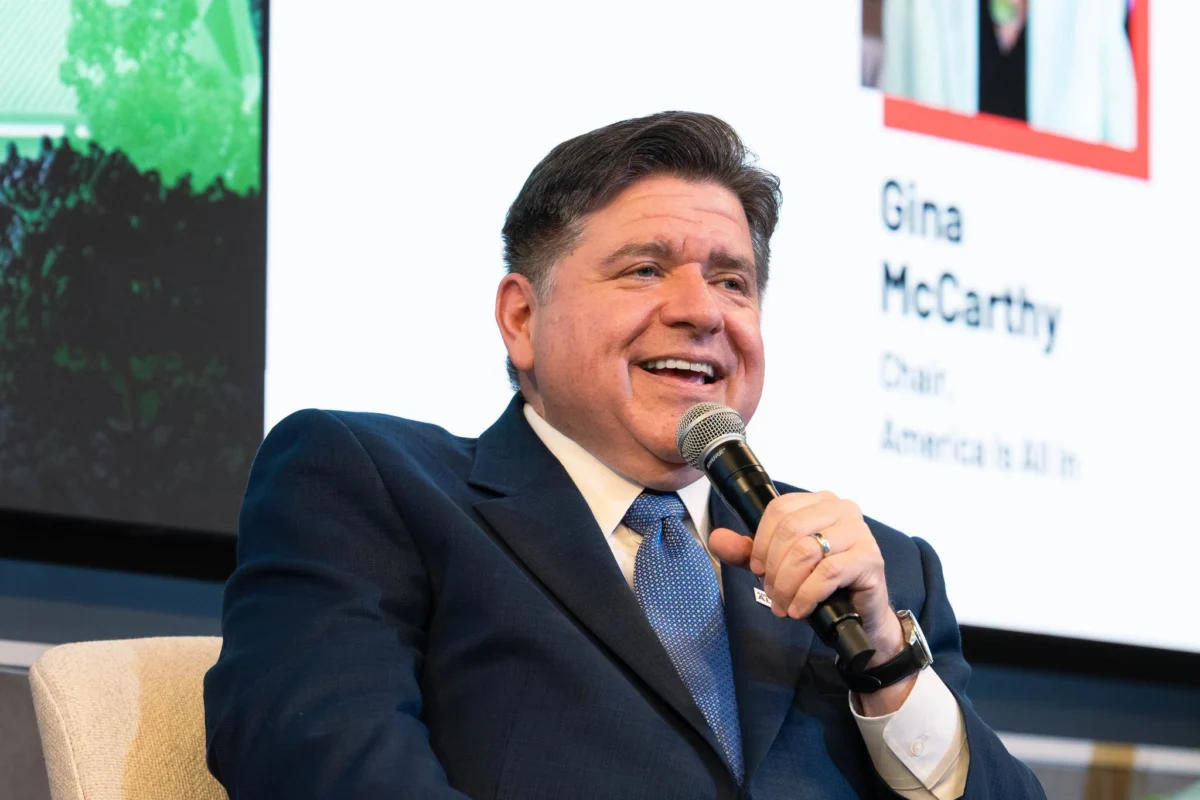
Governor JB Pritzker has once again voiced his strong disapproval of a per-employee corporate tax in Chicago, a policy Mayor Brandon Johnson is advocating for as a key component of his latest city budget proposal. Pritzker’s firm stance creates a significant hurdle for Johnson, who is seeking new revenue streams to address Chicago’s persistent fiscal challenges. This recurring clash between the state’s chief executive and the city’s mayor highlights differing philosophies on economic development and taxation, particularly as both leaders face upcoming electoral tests.
"I do not think that is a great way to provide revenue for the city, and here’s why: it sends a signal. It’s just the most direct signal to employers: don’t hire more people," Pritzker stated during an unrelated news conference in West Englewood. The governor’s remarks, made less than a week before his own re-election campaign for a potentially historic third term, underscore his commitment to fostering job growth across Illinois. He views increased employment as a direct driver of tax revenue that benefits not only the state but also its municipalities, including Chicago.
This is not the first time the two leaders have clashed over this specific tax. Mayor Johnson included a similar corporate head tax in his 2026 budget proposal, which was ultimately rejected by the City Council. At that time, Governor Pritzker also expressed unequivocal opposition, describing himself as "absolutely, four-square opposed" to the proposed $21-per-employee fee on large companies. The proposed tax this year has been increased to $25 per month per employee for companies with at least 125 workers.
Johnson’s Rationale and the Proposed "Head Tax"
Mayor Johnson’s administration argues that the proposed tax, often referred to as a "head tax," is a necessary measure to generate revenue and stimulate economic development in underserved communities. Griffin Krueger, a spokesperson for Mayor Johnson, stated in a release that the new proposal includes a tax credit specifically "designed to incentivize job growth and economic development in socioeconomically disadvantaged communities." This provision represents an attempt to garner broader support from the City Council, many of whom expressed skepticism towards the previous iteration.
The proposed tax structure includes a significant caveat: companies can receive a full $25 monthly rebate per employee if those jobs are located within economically disadvantaged regions, as defined by a city formula. These designated areas predominantly encompass the South, Southwest, and West sides of Chicago. For the rebate to apply, the employee must spend "the majority of scheduled work hours in any given calendar month" at these designated locations. This nuanced approach suggests an effort to balance revenue generation with targeted investment in areas with higher unemployment and lower economic activity.
A further provision in the revenue ordinance indicates that the city comptroller will establish guidelines for determining eligibility for companies whose services are of a "peculiar nature," making it challenging to ascertain whether the work performed falls within the designated geographic zones. This acknowledges the complexity of modern work arrangements and aims to provide clarity and prevent potential disputes.
The Governor’s Perspective on State-Wide Economic Policy
Governor Pritzker, while professing his affection for Chicago, emphasizes his role as the governor of the entire state. "I love this city. I’m from the city. I live in this city. But I also am the governor of the entire state, so everybody deserves to have a more affordable state," he remarked. His broader vision for Illinois prioritizes attracting and retaining businesses through a supportive economic climate, which he believes is fostered by policies that encourage hiring and investment, rather than imposing new taxes on businesses.
Pritzker has consistently advocated for policies that he believes will broadly benefit the state’s economy. His push for a statewide progressive income tax, which ultimately failed in a 2020 referendum, is a prime example of his strategy to increase state revenue by taxing higher earners more. The governor has also expressed support for a "millionaires tax" at the state level.
The Mayor’s Push for Expanded Home Rule
Mayor Johnson’s administration has also highlighted state-level limitations as a barrier to implementing progressive revenue-generating policies. "Currently, state law severely limits the City’s ability to levy increased taxes on corporations," Krueger stated. He added that the Mayor "appreciates the Governor’s stated support for a state-wide millionaires tax and remains committed to working with the Governor and the General Assembly to pursue expanded home rule authority to give Chicago greater flexibility and additional avenues to raise progressive revenue to address deeply-rooted fiscal challenges."
The concept of home rule in Illinois grants municipalities certain powers to govern themselves without direct state interference. However, specific tax authority, particularly on corporations, is often subject to state preemption. Johnson’s request for expanded home rule authority suggests a desire for greater autonomy in crafting Chicago’s fiscal policies.
Political Undercurrents and Electoral Pressures
Both Mayor Johnson and Governor Pritzker are operating under significant political pressures. Johnson is facing a challenging re-election campaign and is grappling with a substantial budget deficit projected for 2027. His strategy of taxing corporations and the wealthy, rather than directly burdening Chicago residents with new taxes or fees during an election year, is a calculated political maneuver. However, the resistance he faces from a significant portion of the City Council, with 29 aldermen having signed a letter opposing the head tax, makes the passage of his budget a precarious endeavor. He requires 26 votes for approval, or 25 if he is willing to cast a tie-breaking vote.
Governor Pritzker’s opposition also carries electoral weight, particularly as he seeks a third term. His comments likely resonate with business groups and voters concerned about Chicago’s business climate and the potential for taxes to stifle economic growth. The historical precedent of the failed progressive income tax referendum in 2020, a policy strongly supported by Pritzker, serves as a reminder of the challenges in implementing significant tax reforms in Illinois.
A History of Opposition and Confrontation
The opposition to Johnson’s head tax proposal has not been without its dramatic moments. Last November, Ald. Byron Sigcho-Lopez, a progressive ally of Mayor Johnson, publicly confronted Governor Pritzker in Little Village, expressing frustration over the governor’s stance. Pritzker, in response, reiterated his belief in the state’s progressive income tax as a more viable statewide revenue solution. This incident illustrates the tension and differing priorities between city and state leadership on fiscal matters.
Mayor Johnson’s fourth budget proposal overall is a clear attempt to fulfill his campaign promises of "taxing the rich" without directly impacting the city’s residents during a critical election period. The inclusion of the tax credit for jobs in disadvantaged areas is a strategic addition aimed at appeasing aldermen concerned about the economic impact on businesses and potentially creating a more palatable proposal than the one that failed last year.
Broader Economic Implications and Analysis
The debate over Chicago’s head tax touches upon fundamental questions of economic development, corporate responsibility, and municipal finance. Proponents argue that corporations benefiting from Chicago’s infrastructure and workforce should contribute more to the city’s upkeep and social programs. They contend that the tax, especially with incentives for job creation in underserved areas, can be a tool for equitable growth.
Critics, including Governor Pritzker and many business leaders, argue that such taxes can deter investment, lead to job losses, or encourage businesses to relocate or expand elsewhere. They emphasize that Chicago needs to remain competitive in attracting and retaining businesses to ensure a robust tax base and create employment opportunities. The risk, they posit, is that a per-employee tax, regardless of its structure, ultimately increases the cost of doing business, potentially leading to higher prices for consumers or reduced wages for employees.
The inclusion of a tax credit for businesses in economically disadvantaged areas is a significant attempt to mitigate these concerns and build broader consensus. However, the effectiveness of such credits in truly spurring significant, long-term economic development in these areas remains a subject of ongoing debate and empirical study. The definition of "economically disadvantaged" and the administrative complexities of verifying employee work hours in designated zones will be crucial to the tax’s practical implementation.
The outcome of Mayor Johnson’s budget proposal will likely have far-reaching implications for Chicago’s fiscal health, its business community, and its ability to address pressing social needs. The continued opposition from the state’s governor adds another layer of complexity to an already challenging political and economic landscape for the city. The coming weeks will reveal whether Mayor Johnson can navigate the City Council’s skepticism and secure the votes needed to enact his vision for Chicago’s financial future, a vision that Governor Pritzker remains steadfast in his opposition to.