Pevita Pearce
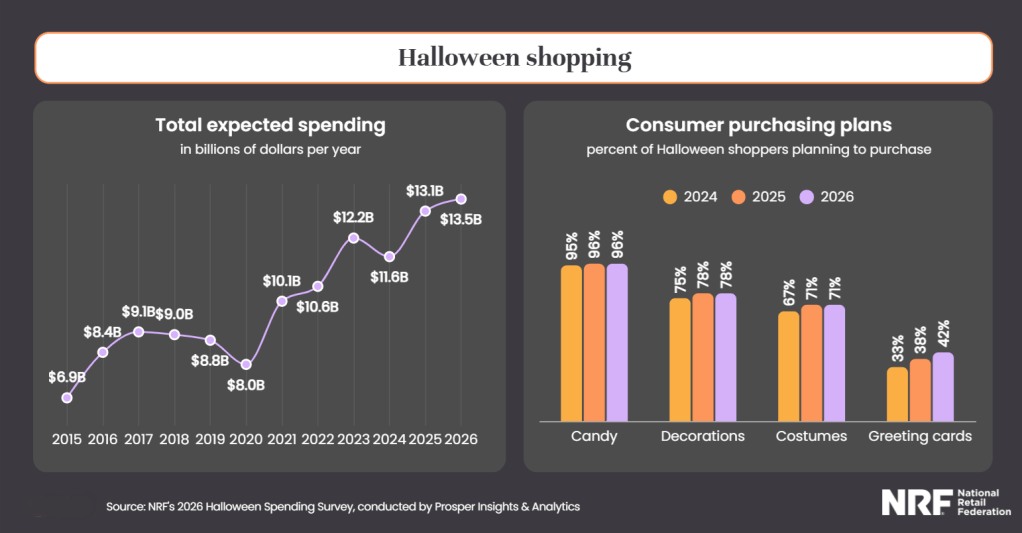
Retail spending on Halloween is projected to reach an impressive $13.5 billion this year, a figure that not only maintains the robust spending levels of last year’s record $13.1 billion but also underscores consumers’ unwavering enthusiasm for the beloved autumn holiday. This projection, derived from the National Retail Federation’s (NRF) annual consumer survey conducted by Prosper Insights & Analytics, highlights a sustained commitment to Halloween celebrations despite evolving economic considerations.
The National Retail Federation, a leading authority and voice for the retail industry, has been tracking consumer behavior and spending trends for key holiday periods for decades. Their annual Halloween survey, initiated in 2005, provides invaluable insights into how Americans engage with and prepare for the festivities. This year’s survey, which gathered data from 7,889 consumers between September 1st and 9th, with a margin of error of plus or minus 1.1 percentage points, paints a comprehensive picture of current Halloween spending patterns and consumer motivations.
A Season of Celebration: Halloween’s Growing Significance
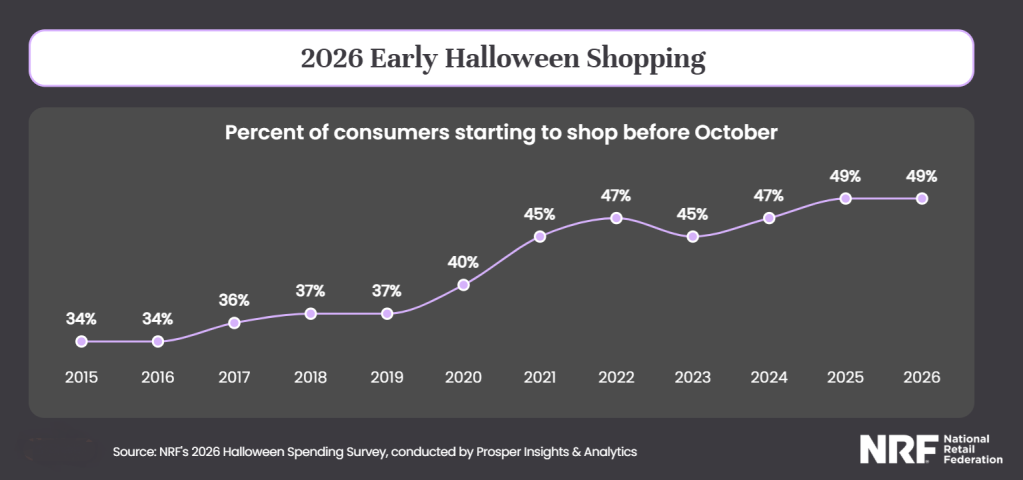
Halloween has steadily transformed from a single-day event into an extended season of celebration for many consumers. This shift is evident in the increasing number of individuals who begin their Halloween preparations well in advance. This year, approximately half of consumers (49%) plan to start their shopping in September or earlier, a trend that has been on the rise over the past decade. This figure is consistent with last year’s early shopping habits, indicating a sustained commitment to early engagement with the holiday. The growing tendency to shop before October, which stood at 34% in 2016, reflects a broader cultural embrace of Halloween as a significant seasonal event.
The motivations behind this early shopping spree are multifaceted. A substantial 42% of early shoppers cite their anticipation for the fall season as a primary driver, while 34% express that Halloween is among their favorite holidays. This emotional connection to the season fuels the desire to immerse oneself in the festive atmosphere as early as possible. Furthermore, practical considerations also play a role. Twenty-three percent of early shoppers deliberately begin their purchases to spread out their budgets, acknowledging the financial prudence of distributing expenses over a longer period. An additional 21% are motivated by attractive prices and promotions, indicating a keen eye for value even in the early stages of holiday preparation.
Enduring Popularity and Evolving Traditions
The enduring popularity of Halloween is further reinforced by the fact that 74% of consumers plan to celebrate this year, a figure that closely mirrors last year’s 73%. This sustained high level of participation is particularly noteworthy, as it represents a significant increase compared to pre-pandemic levels, when only 68% of consumers intended to celebrate in 2019. The pandemic era appears to have spurred a renewed appreciation for communal and festive holidays, with Halloween emerging as a beneficiary of this trend.
Consumers are embracing a variety of traditional activities to mark the occasion. The most popular way to celebrate remains handing out candy, with 61% of celebrants planning to participate. Dressing in costumes continues to be a major draw, with 50% of consumers indicating they will don a costume. Home and yard decorations remain a significant aspect of the celebration, with 42% planning to adorn their properties. The creative spirit of Halloween is also evident in activities like pumpkin carving, with another 42% of consumers planning to engage in this classic pastime. Finally, 42% of individuals intend to embrace the spooky season by watching scary movies.
Strategic Spending in a Value-Conscious Environment
While consumer enthusiasm for Halloween remains high, there is a discernible shift towards more strategic and value-conscious spending. The average expenditure per person is expected to be around $115.14, a figure consistent with the $114.45 observed in 2025. This stability, however, masks a deeper consumer awareness of costs and a deliberate approach to maximizing value.
In response to potential price increases on Halloween items, consumers are employing a range of tactics. Nearly one-third (31%) of shoppers indicate they will engage in comparative shopping to find the best deals. A further 26% plan to actively seek out coupons and sales. Demonstrating a commitment to long-term value and sustainability, 34% of consumers intend to purchase items that can be reused in future years or repurposed for other occasions. This focus on longevity and versatility reflects a growing consumer trend towards mindful consumption.
Key Spending Categories and Retailer Preferences
The breakdown of Halloween spending reveals consistent patterns in popular purchase categories. Candy remains the undisputed leader, with 96% of consumers planning to buy sweets, contributing an estimated $4.1 billion to overall spending. Decorations are the second most popular category, with 78% of consumers planning purchases that are expected to total $4.3 billion. Costumes follow closely, with 71% of shoppers intending to buy them, accounting for an estimated $4.4 billion. Interestingly, greeting cards are experiencing a surge in popularity this year, with planned purchases increasing to 42% from 38% in 2025, and projected spending reaching $0.8 billion.
When it comes to where consumers are making their Halloween purchases, discount stores continue to be the preferred destination, attracting 39% of shoppers. Specialty Halloween and costume stores are the second most popular choice, with 32% of consumers opting for these outlets. Online retailers are also a significant channel, with 27% of shoppers making their purchases digitally. Notably, there has been a considerable increase in interest towards local and small businesses for Halloween shopping. Thirteen percent of consumers now plan to make their purchases at these establishments, a substantial rise from just 7% a decade ago in 2016. This trend suggests a growing consumer desire to support local economies and discover unique, handcrafted items.
The Rise of AI in Halloween Planning and Shopping
A significant development in this year’s Halloween preparations is the increasing integration of Artificial Intelligence (AI) into the consumer shopping journey. Nearly half of consumers (47%) are leveraging AI platforms and tools to assist with their Halloween shopping. The most common applications of AI include brainstorming and generating ideas during the planning phase (34%) and seeking recommendations or inspiration during product research (32%).
Phil Rist, Executive Vice President of Strategy at Prosper Insights & Analytics, commented on this emerging trend: "AI is becoming an increasingly common part of the consumer shopping journey. As consumers prepare for Halloween, many are using these tools to brainstorm costumes and decorating themes, explore production options and find inspiration that help bring their celebrations to life." This suggests that AI is not merely a tool for transactional purposes but is actively contributing to the creative and inspirational aspects of holiday preparation.
Costume Trends: From Childhood Fantasies to Adult Escapades
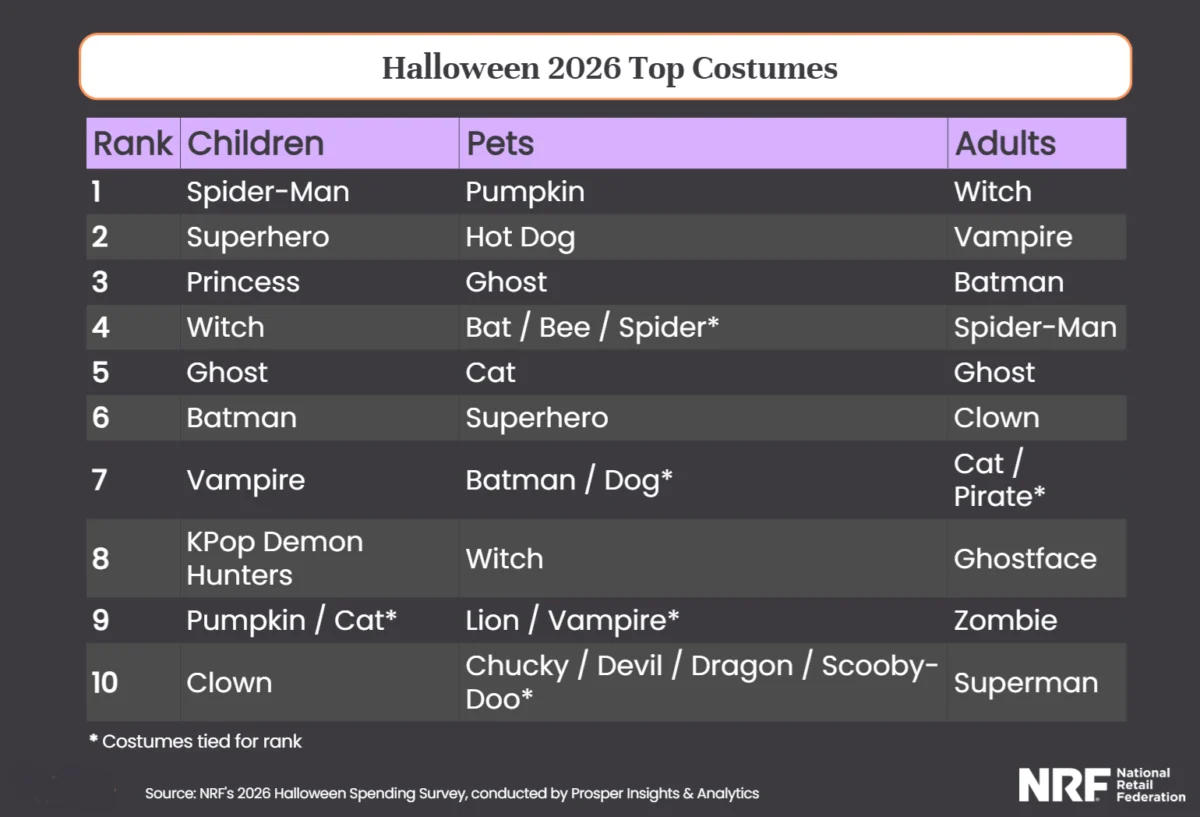
The perennial favorite of Halloween costumes continues to drive significant spending, particularly for children. An estimated $1.5 billion is expected to be spent on children’s costumes this year. Unsurprisingly, comic book characters dominate the landscape of popular children’s costumes. Spider-Man is projected to be the most popular choice, with an estimated 4.6 million children planning to dress up as the web-slinging superhero. Other superheroes are also a strong contender, with 2.3 million children opting for general superhero costumes. Rounding out the top five for children are princesses (2.2 million), witches (1.6 million), and ghosts (1.6 million).
For adult costumes, spending is projected to reach $2 billion. Classic Halloween archetypes remain highly favored. Witches are expected to be the most popular adult costume, with 4.8 million individuals planning to embrace the arcane. Vampires follow closely, with 4.2 million adults donning fangs. Other top choices for adults include Batman (2 million), Spider-Man (1.5 million), and ghosts (1.4 million). The enduring appeal of these characters suggests a consistent fascination with timeless spooky and heroic figures.
Pet Costumes: A Growing Market Segment
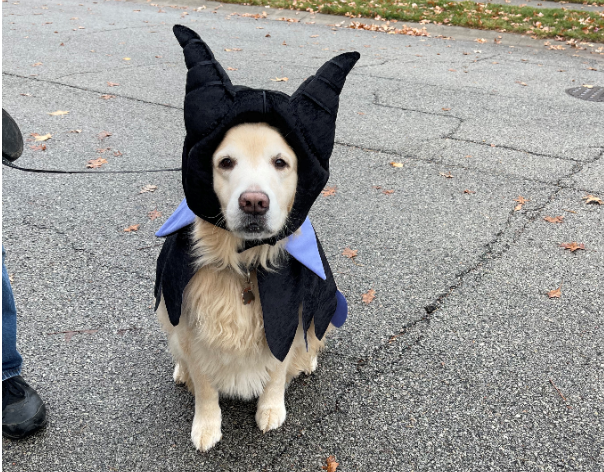
The tradition of including pets in Halloween festivities continues to expand, with consumers planning to spend $0.92 billion on costumes for their four-legged companions. Popular costume choices for pets include pumpkins (11.6%), hot dogs (5.9%), and ghosts (2.8%). This growing segment highlights the increasing role of pets as integral members of the family, with owners eager to involve them in holiday celebrations.
Inspiration Sources: A Blend of Digital and Traditional Channels
While online searches remain the leading source for Halloween costume inspiration, their dominance has slightly waned. Thirty-two percent of consumers are turning to online platforms for ideas, a decrease from 37% last year and marking its lowest level in a decade. This suggests a potential saturation of online inspiration or a shift in how consumers are discovering new trends.
Conversely, traditional retail environments are gaining prominence as sources of inspiration. Retail stores and costume shops are now the second most popular inspiration source for costumes, attracting 26% of consumers. Furthermore, these physical locations have emerged as the top inspiration source for decorations, with 31% of consumers finding their decorative ideas within these stores. This indicates a valuable synergy between online research and in-person discovery, where consumers might begin their search online but finalize their choices after experiencing products and displays in physical retail settings.
The National Retail Federation’s comprehensive annual survey continues to be an essential resource for understanding the dynamics of holiday spending and consumer behavior. As Halloween preparations unfold, the data underscores a holiday that is not only financially significant but also deeply woven into the fabric of American culture, evolving with technology and consumer preferences while maintaining its core festive spirit.