Dwi Wanna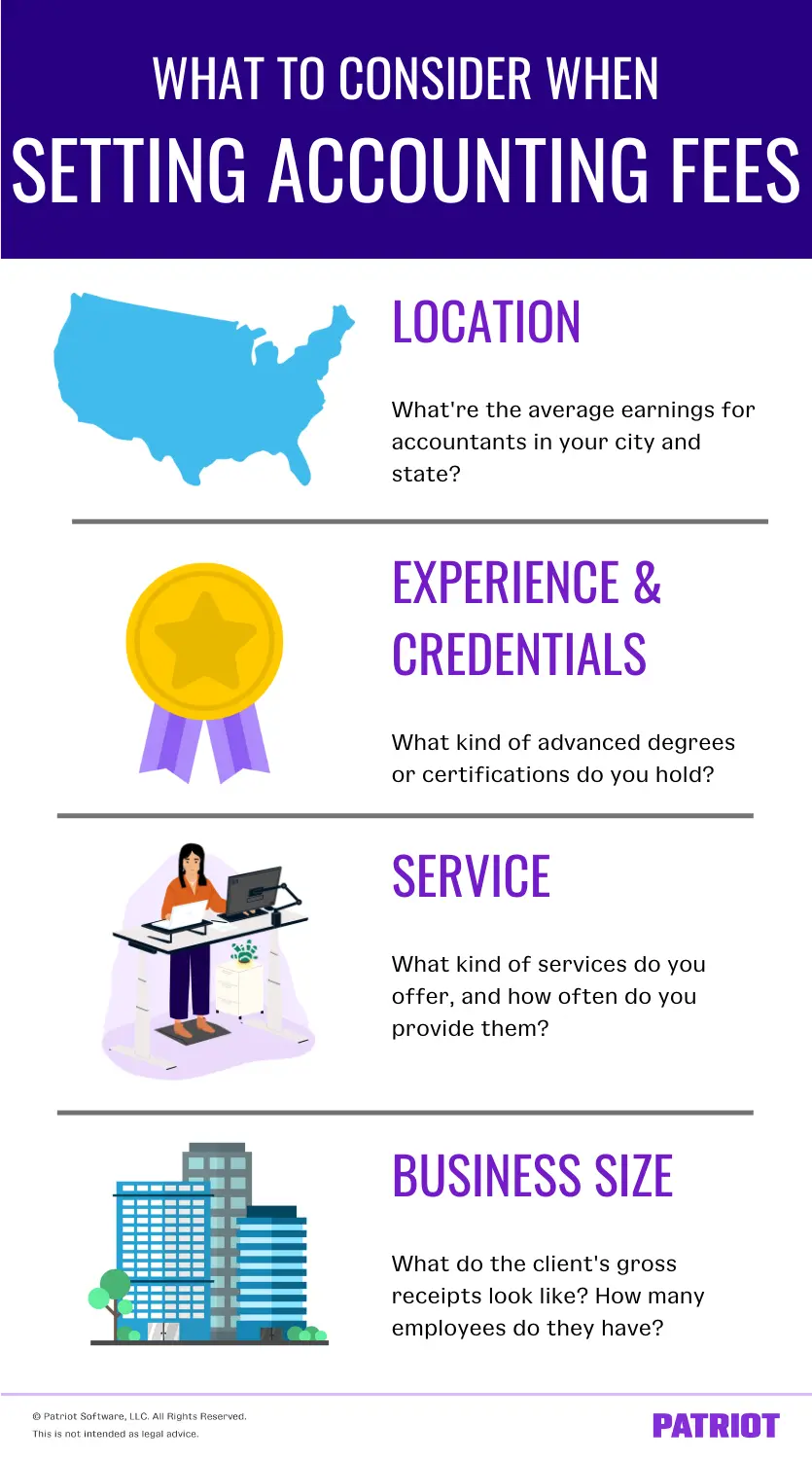
The challenge of determining a fair and competitive rate for accounting services has become increasingly complex as the global financial sector shifts toward digital transformation and specialized advisory roles. For both newly minted practitioners and established firms updating their fee schedules, the stakes are high: overpricing can lead to a rapid loss of market share to more agile competitors, while underpricing risks eroding the firm’s bottom line and devaluing the professional expertise required to navigate modern tax codes and compliance regulations. In an era where small businesses and corporations alike are scrutinizing every line item of their overhead, understanding the nuances of accounting fees is no longer just a matter of bookkeeping—it is a critical strategic imperative.
The Evolution of Accounting Pricing Models
Historically, the accounting profession was synonymous with the billable hour, a legacy of the legal and consulting frameworks of the mid-20th century. However, the last decade has seen a significant diversification in how services are billed. Accountants today typically employ one or a combination of four primary pricing structures: hourly rates, flat-fee billing, value-based pricing, and retainer agreements.
Hourly rates remain the standard for unpredictable work, such as audits or complex forensic accounting investigations where the scope of work cannot be fully determined at the outset. Conversely, flat-fee billing has gained popularity for routine tasks such as monthly bookkeeping or standard personal tax returns, providing clients with the price certainty they often crave. Value-based pricing represents the most modern shift, where fees are determined by the perceived or actual value provided to the client—such as the amount of tax saved or the strategic growth enabled—rather than the time spent on the task. Finally, retainer models are increasingly used for ongoing advisory services, ensuring that a professional is available for consultation throughout the fiscal year.
Market Data and Average Compensation Benchmarks
To establish a baseline for what constitutes a "reasonable" fee, one must look at the broader economic data provided by labor statistics and industry surveys. According to the U.S. Bureau of Labor Statistics (BLS), the median annual wage for accountants and auditors was approximately $78,000 in 2023, though this figure fluctuates wildly based on specialization and geography.
On an hourly basis, average rates for independent accountants typically range from $30 to $300 per hour. Junior bookkeepers or general accountants at smaller firms may charge between $30 and $90 per hour, while Certified Public Accountants (CPAs) in mid-to-large urban markets frequently command rates between $150 and $450 per hour. For specialized services, such as international tax law or mergers and acquisitions (M&A) advisory, rates can exceed $500 per hour.
Specific service-based averages also provide a clearer picture for consumers. For instance, a basic Form 1040 with a state return might cost between $200 and $600, whereas a more complex corporate return (Form 1120) often starts at $800 and can reach several thousand dollars depending on the volume of transactions and the number of subsidiaries involved.
The Chronology of Fee Adjustments: From Manual Ledgers to AI
The trajectory of accounting fees has been deeply influenced by technological milestones. In the 1990s and early 2000s, fees were largely tied to the physical labor of data entry and ledger reconciliation. The introduction of cloud-based accounting software like QuickBooks and Xero in the 2010s began to automate these low-level tasks, leading to a temporary downward pressure on bookkeeping rates.
However, the period between 2020 and 2024 has seen a reversal of this trend. The COVID-19 pandemic necessitated a massive influx of government stimulus programs, such as the Paycheck Protection Program (PPP) and the Employee Retention Credit (ERC), which required expert navigation. This shifted the accountant’s role from a "historian" of financial data to a "forward-looking advisor," justifying a rise in fees despite the increase in automation. As of 2024, the integration of Artificial Intelligence (AI) is once again reshaping the landscape, allowing accountants to process data faster but requiring them to charge for the high-level analysis that AI cannot yet provide.
Critical Factors Influencing Professional Fees
When setting or evaluating accounting fees, four primary variables dictate the final cost: geography, experience, service complexity, and the size of the client’s business.

1. Geographic Location and Cost of Living
Geography remains one of the most potent drivers of price variance. Accountants operating in high-cost-of-living hubs like New York City, San Francisco, or London must charge higher rates to cover significant overhead and competitive salaries. Data from career platforms like Indeed and Glassdoor indicate that an accountant in Los Angeles earns roughly 15% to 20% more than their counterpart in a mid-sized Midwestern city. For virtual accounting firms, this creates a unique opportunity to arbitrage costs by hiring talent in lower-cost regions while serving clients in major metropolitan areas.
2. Experience and Credentials
The "alphabet soup" of professional designations—CPA (Certified Public Accountant), EA (Enrolled Agent), CMA (Certified Management Accountant), and MBA (Master of Business Administration)—acts as a proxy for expertise and risk mitigation. A CPA, who is licensed by a state board and subject to rigorous continuing education requirements, will almost always command a premium over a non-certified accountant. This premium is rooted in the CPA’s ability to represent clients before the IRS and perform audited financial statements, which are required for many bank loans and regulatory filings.
3. Complexity and Timing of Services
The nature of the service itself is a major determinant. Routine bookkeeping is increasingly commoditized, but specialized services like R&D tax credit studies, forensic audits, or fractional CFO (Chief Financial Officer) services are priced as high-value intellectual capital. Furthermore, the timing of the request can impact the cost. "Rush fees" are common during the height of tax season (January through April), as firms must manage extreme workloads and overtime costs.
4. Client Business Size and Transaction Volume
A client’s business complexity is often measured by their annual revenue, the number of employees, and the volume of monthly transactions. A small business with five employees and 50 transactions a month requires significantly less oversight than a multi-state corporation with 200 employees and complex inventory management. Many firms now use "tiered pricing" based on these metrics, ensuring that as a client grows, the accounting fee scales proportionally with the increased risk and workload.
Industry Perspectives: The Shift Toward Advisory
The American Institute of Certified Public Accountants (AICPA) has frequently noted in recent industry summits that the "compliance-only" model is dying. Barry Melancon, CEO of the AICPA, has emphasized that as technology handles more of the "doing," accountants must focus on the "thinking."
Industry analysts suggest that the firms most successful in the current economy are those that have moved away from "time-and-materials" billing in favor of "fixed-price" or "subscription-based" models. This shift aligns the interests of the accountant and the client: the accountant is incentivized to be efficient through technology, and the client receives a predictable monthly cost without the fear of being billed for every five-minute phone call.
Broader Implications and Strategic Analysis
The current state of accounting fees reflects a broader trend in the professional services sector toward specialization. As tax codes become more convoluted and globalized, the "generalist" accountant is becoming a rarity. For small business owners, the implication is clear: the cheapest option may be the most expensive in the long run if it results in missed deductions or, worse, regulatory penalties.
For the accounting professionals themselves, the data suggests that profitability is no longer tied to how many hours they can work, but how much value they can protect. Firms that fail to communicate this value—choosing instead to compete solely on price—risk being marginalized by automated software solutions.
In conclusion, setting accounting fees is a delicate calibration of market averages, internal costs, and the specific value delivered to a client. By understanding the interplay of geographic location, professional credentials, and the evolving technological landscape, accountants can build sustainable practices that fairly compensate their expertise while providing clients with the financial clarity necessary for long-term success. As the industry moves further into the 2020s, the focus will likely remain on transparency, with the most successful firms being those that can clearly articulate why they charge what they do and how that investment translates into a healthier bottom line for the clients they serve.