Nila Kartika Wati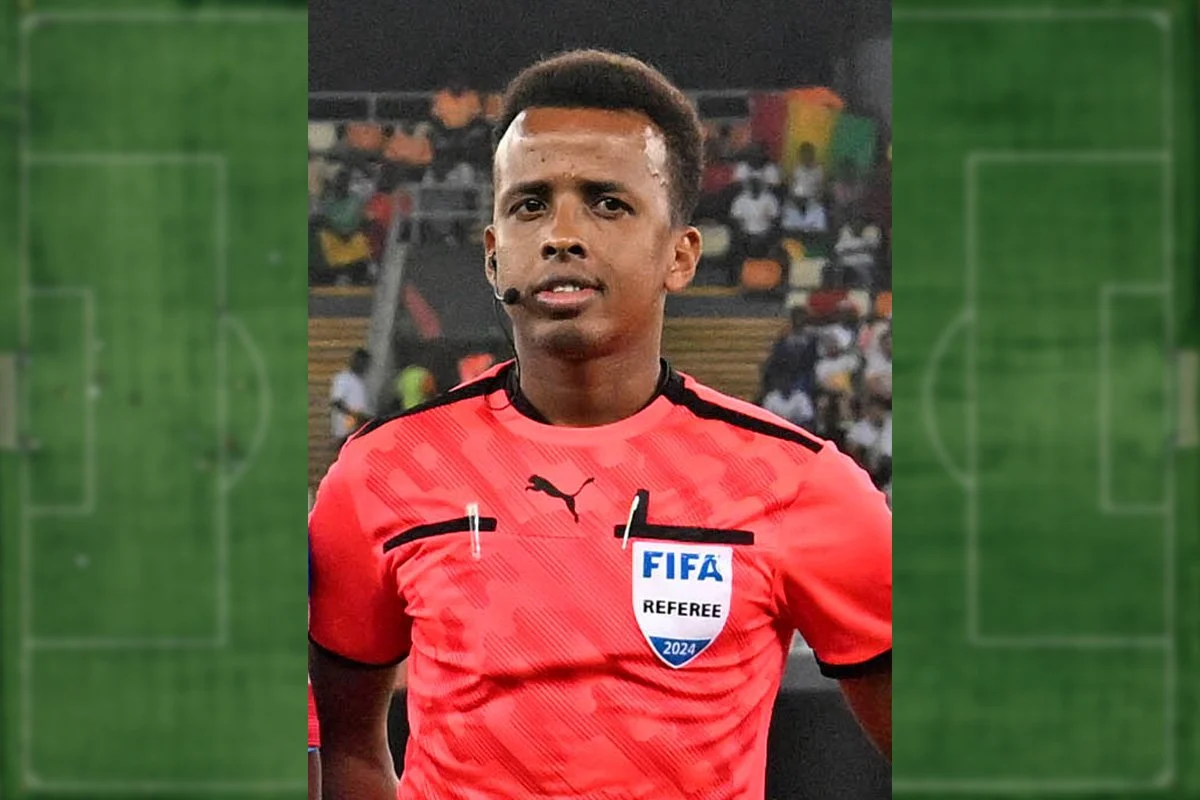
The 2026 FIFA World Cup, the first edition of the tournament to be hosted across three nations—the United States, Mexico, and Canada—was envisioned as a celebration of global unity and the "beautiful game." However, the commencement of the event has instead been overshadowed by a series of human rights controversies and stringent immigration enforcement actions that critics argue are undermining the tournament’s inclusive spirit. From the deportation of high-profile officials to the systemic exclusion of specific national delegations, the intersection of international sport and domestic border policy has created a volatile environment. These developments have prompted a coalition of human rights organizations, labor advocates, and civil rights groups to warn that the United States’ current immigration landscape poses a "chilling threat" to the safety and dignity of participants and spectators alike.
The primary catalyst for the current wave of international criticism was the detention and subsequent deportation of Omar Abdulkadir Artan, a Somali referee of high standing. Selected as one of approximately 50 elite referees for the tournament, Artan arrived in Miami from Turkey with what he maintained were valid documents and a formal invitation to officiate. Despite his credentials—which included being named the Men’s Referee of the Year by the Confederation of African Football (CAF) just one year prior—Artan was intercepted by U.S. authorities, interrogated, and held in a detention cell before being forced onto a flight back to his home country. In an interview with The New York Times, Artan expressed disbelief, stating that his only objective was to fulfill a career-long dream of officiating on the world’s largest stage.
A Chronology of Warnings and Institutional Friction
The incident involving Artan did not occur in a vacuum. As early as March 2026, Amnesty International released a comprehensive report titled "Humanity Must Win: Defending Rights and Tackling Repression at the 2026 FIFA World Cup." The report served as a preemptive warning, detailing how the United States’ travel restrictions and the aggressive posture of agencies such as Immigration and Customs Enforcement (ICE) could tarnish the tournament. Amnesty’s researchers argued that the legal and political climate in the U.S. would likely lead to racial profiling and the arbitrary denial of entry for individuals from certain Global South nations.
Following the report, the lead-up to the opening match saw further complications for the Iranian national delegation. Due to ongoing diplomatic tensions and U.S. visa restrictions, the Iranian team was unable to establish a base of operations within U.S. borders. Instead, the delegation was forced to reside in Mexico, with some members only granted entry into U.S. territory on the specific days of their matches. This logistical hurdle was cited by sports analysts and human rights observers as a clear example of how geopolitical friction can impede the fair participation of athletes. CJ García, the organizing co-director at the Fair Work Center, noted that such incidents reveal a "troubling pattern of exclusion" where certain groups are welcomed with open arms while others are treated with inherent suspicion.
The Political Landscape and the Termination of Protections
The treatment of Somali nationals during the World Cup is inseparable from the broader political rhetoric and policy shifts occurring at the federal level. In February 2026, the U.S. administration intensified its focus on the Somali community. Public statements from the executive branch disparaged the African nation, questioning its sovereignty and characterizing its citizens in derogatory terms. This rhetoric was quickly followed by institutional action; in January 2026, the Department of Homeland Security (DHS) announced the termination of Temporary Protected Status (TPS) for Somalia.
TPS had been a cornerstone of humanitarian protection for thousands of Somalis since 1991, allowing them to live and work legally in the U.S. while their home country faced protracted conflict. Although a provisional court order has since suspended the termination of TPS, the move created a pervasive sense of insecurity. For the Somali community in the U.S., the deportation of a high-profile figure like Artan served as a confirmation of their worst fears regarding state-sanctioned discrimination. The Council on American-Islamic Relations (CAIR) has been vocal in its opposition, with Deputy Director Edward Ahmed Mitchell stating that no individual should be barred from the country based on race or ethnicity, particularly when they are part of a sanctioned international event.
Data and Trends: Racial and Religious Profiling
The concerns raised by NGOs are supported by data reflecting a broader trend in U.S. civil rights. CAIR’s Civil Rights Report for 2026 highlighted a significant increase in complaints related to immigration and travel, particularly among Muslim communities. The report suggests that the current administration’s policies have effectively created a scheme of racial and religious profiling.
Key findings from recent civil rights assessments include:
- A 25 percent increase in reported incidents of secondary inspection and harassment at U.S. ports of entry for travelers from Muslim-majority countries.
- A rise in "expedited removals" where individuals are deported without a hearing, often despite holding valid visas.
- The expansion of digital surveillance tools used by ICE to monitor immigrant gatherings, including those centered around cultural and sporting events.
These statistics provide a backdrop for the "know your rights" campaigns currently being spearheaded by the American Civil Liberties Union (ACLU). Haddy Gassama, senior policy counsel at the ACLU, emphasized that the organization has been distributing materials to stadium attendees to prepare them for potential encounters with ICE. Gassama noted that the "energy around the game" has shifted from excitement to vigilance, as even those with legal status fear the consequences of being in areas with a heavy police or federal presence.
Labor Exploitation and Worker Protections
Beyond the gates of the stadiums, the World Cup has brought renewed attention to the vulnerability of the labor force responsible for the event’s infrastructure. Mega-events historically rely on a precarious workforce, often comprised of immigrants and low-wage earners. In Seattle and other host cities, labor advocates are fighting to ensure that the tournament does not leave a legacy of wage theft or unsafe working conditions.
Lizeth Chacón, executive director of the Workers Defense Action Fund, has been at the forefront of demanding accountability from both local officials and FIFA representatives. Her organization has pushed for enforceable labor standards that include fair wages, heat protections for outdoor workers, and a guarantee that reporting abuses will not lead to deportation. "We decided to get involved to ensure that we were pushing FIFA and city officials to guarantee strong worker protections," Chacón said. She added that her organization has also had to provide guidance on risk awareness, advising workers to keep attorneys’ contact information on hand and to maintain strict communication with family members regarding their whereabouts.
FIFA’s Responsibility and the Governance Gap
As the governing body of world soccer, FIFA faces mounting pressure to enforce the human rights standards it adopted into its statutes in 2016. These statutes were intended to be a landmark in sports governance, theoretically requiring host nations to adhere to international human rights laws as a condition of their bid. The 2026 World Cup was the first to have these requirements embedded from the bidding phase through to implementation.
However, the response from FIFA leadership has been criticized as inadequate. FIFA President Gianni Infantino has sought to downplay the severity of the visa denials and deportations, suggesting that the organization has negotiated for "flexibility" with U.S. authorities. Regarding the Artan case, Infantino’s public stance was for stakeholders to "relax and trust FIFA," an assertion that did little to mollify critics. Andrea Florence, executive director of the Sport & Rights Alliance, argued that FIFA’s failure to step up and demand compliance from the host country puts the credibility of its entire human rights framework at stake. "It’s very worrying that FIFA did not ensure the rights they are supposed to respect are actually fulfilled," Florence noted.
The Long-Term Legacy of Mega-Sporting Events
The history of mega-sporting events in North America provides a cautionary tale for the current tournament. Jennifer Li, coordinator of Dignity 2026 and director at Georgetown Law, pointed to the 1996 Atlanta Olympics as a prime example of "troubling legacies." During those games, the city constructed a jail specifically to house thousands of homeless individuals, many of whom were Black men, to "clean up" the city for international visitors. Similarly, the 2010 Vancouver Winter Olympics faced criticism for the displacement of low-income residents.
Advocates argue that while FIFA will move on to its next tournament in a few months, the host cities will be left to deal with the social and financial consequences of these policy decisions. The "bottom-up" pressure from local residents and nonprofits is seen as the only way to ensure that the 2026 World Cup does not result in a permanent expansion of surveillance or the further marginalization of immigrant communities.
As the tournament progresses, the eyes of the world remain on the United States, not just for the performance of the athletes on the field, but for the nation’s ability to uphold the values of dignity and equal treatment it purports to champion. The case of Omar Abdulkadir Artan remains a symbol of the friction between the global nature of sport and the restrictive realities of modern border enforcement. For the organizations on the ground, the fight continues to ensure that "humanity must win," both inside and outside the stadium.