Pevita Pearce
The Internal Revenue Service (IRS) has officially commenced the application period for its esteemed Compliance Assurance Process (CAP) program, specifically for the 2027 program year. This initiative, designed to foster enhanced federal tax compliance among large corporations, invites eligible businesses to submit their applications until October 30, 2026. The IRS anticipates notifying successful applicants of their acceptance into the program in February 2027.
Understanding the Compliance Assurance Process (CAP)
Launched in 2005, the CAP program represents a proactive and collaborative approach to tax administration. It aims to significantly improve federal tax compliance by enabling a more integrated and continuous dialogue between large corporations and the IRS. The core principle of CAP is to identify and resolve potential tax issues before a tax return is officially filed. This forward-thinking methodology benefits both the taxpayer and the tax agency by providing greater certainty and clarity regarding tax obligations.
"The program improves federal tax compliance by identifying and resolving tax issues before a return is filed, providing greater certainty for taxpayers while allowing the IRS to more effectively focus its resources," the tax agency stated in a press release issued on September 8. This statement underscores the program’s dual objective: to offer taxpayers peace of mind through early issue resolution and to enable the IRS to optimize its examination resources by focusing on high-risk areas and systemic issues rather than routine compliance checks.
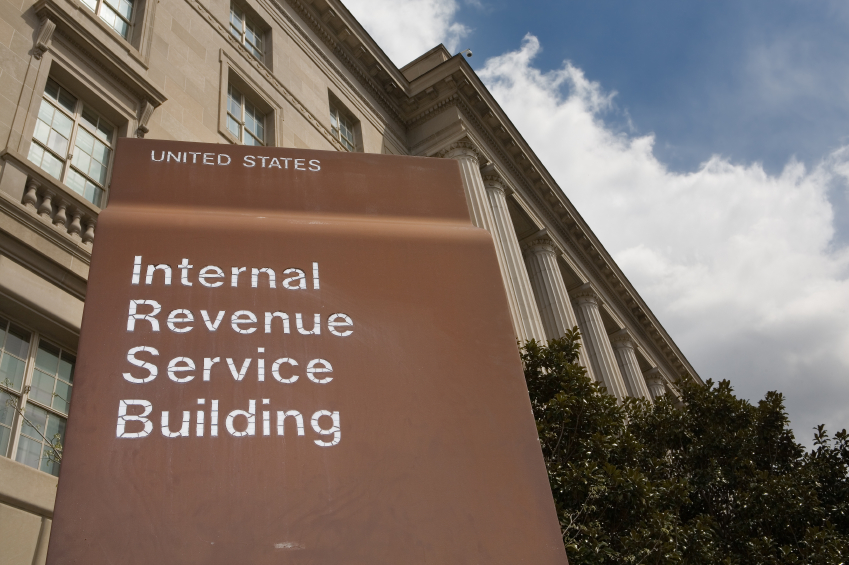
Eligibility Criteria for CAP Participation
To be considered for the CAP program, corporations must meet specific eligibility requirements designed to ensure the program’s effectiveness and manageability. While the precise details of these requirements are available through official IRS channels, general criteria typically include:
- Size and Complexity of Operations: The program is primarily designed for large corporations with significant tax liabilities and complex business structures, often involving international operations, intricate financial instruments, or numerous subsidiaries. This ensures that the resources invested in CAP yield substantial benefits in terms of compliance assurance.
- Commitment to Compliance: Applicants must demonstrate a strong commitment to voluntary tax compliance and a willingness to engage openly and cooperatively with the IRS. This includes a readiness to share information and participate actively in the collaborative review process.
- Internal Control Systems: Corporations are expected to have robust internal control systems in place to manage their tax compliance effectively. This demonstrates a foundational commitment to accurate tax reporting.
- Tax Return Filing: While the program aims to resolve issues before filing, it generally requires that the corporation has filed its most recent federal income tax returns.
The CAP Framework: A Collaborative Partnership
The CAP program operates on a foundation of mutual trust and transparency. It facilitates a continuous disclosure and issue-resolution process. Rather than relying solely on traditional post-filing examinations, CAP involves ongoing communication and review throughout the tax year. This allows for:
- Early Issue Identification: Taxpayers and the IRS work together to identify potential tax issues as they arise, stemming from new transactions, changes in tax law, or evolving business practices.
- Timely Resolution: Once identified, issues are discussed and resolved promptly. This prevents potential disputes, penalties, and interest charges that could accrue from unresolved tax matters.
- Improved Taxpayer Certainty: By resolving issues proactively, corporations gain a higher degree of certainty regarding their tax liabilities, enabling better financial planning and risk management.
- Efficient Resource Allocation for the IRS: The IRS can dedicate its examination resources more strategically, focusing on complex, high-risk areas rather than spending time on issues that could have been addressed through ongoing dialogue.
Historical Context and Evolution of CAP
The introduction of the CAP program in 2005 marked a significant shift in the IRS’s approach to large corporate tax compliance. Prior to CAP, the IRS primarily relied on post-filing examinations, which could be lengthy, resource-intensive, and often resulted in contentious disputes. The landscape of corporate taxation had become increasingly complex, with globalized business operations, sophisticated financial products, and evolving accounting standards. Recognizing the limitations of the traditional model, the IRS sought a more integrated and preventive approach.
CAP was developed as a response to these challenges. It was modeled on the concept of "assurance," aiming to provide the IRS with assurance of a large corporation’s compliance on an ongoing basis. The program’s success has been evident in its sustained operation and the positive feedback received from participating corporations and IRS personnel. Over the years, the program has been refined to adapt to changing tax laws and business environments, reinforcing its role as a critical tool for large business tax administration.

Supporting Data and Program Impact
While specific quantitative data on the impact of the CAP program is often proprietary or part of internal IRS assessments, qualitative evidence and program objectives highlight its significance. The program is designed to reduce the number of tax controversies and the associated costs for both the government and taxpayers. By preventing issues from escalating into formal disputes, CAP contributes to a more stable and predictable tax environment.
The IRS’s emphasis on "effectively focus[ing] its resources" is a key indicator of the program’s value. For an agency with finite resources, CAP allows for a more strategic deployment of auditors and specialists. Instead of conducting broad, sweeping examinations that might uncover only minor discrepancies, CAP enables the IRS to engage with corporations on specific, complex issues that pose a greater risk to tax revenue. This targeted approach is crucial in ensuring the integrity of the tax system.
Furthermore, the program’s success is often measured by the reduction in the time it takes to resolve tax matters and the decrease in the number of penalties and interest assessed for issues that are identified and addressed through the CAP process. For participating corporations, the predictability offered by CAP allows for more accurate financial forecasting and a reduction in the uncertainty that can arise from potential tax liabilities.
Broader Implications and Future Outlook
The opening of the 2027 CAP application period signifies the IRS’s continued commitment to its large business compliance strategy. In an era of increasingly complex global commerce and evolving tax legislation, such proactive programs are essential for maintaining the health and fairness of the tax system.

The CAP program’s emphasis on collaboration and early issue resolution can serve as a model for other areas of tax administration. By fostering open communication and a shared understanding of tax obligations, the IRS can build stronger relationships with taxpayers, leading to improved compliance across the board.
For corporations considering participation, the benefits of enhanced tax certainty, reduced risk of disputes, and more efficient tax management are substantial. The application process, while rigorous, is an investment in a more predictable and cooperative tax future.
Accessing Further Information
Corporations interested in learning more about the 2027 CAP application period are encouraged to visit the IRS website. Specific details regarding the program, including comprehensive eligibility requirements and application procedures, can be found in the IRS’s official guidance.
For highlights and updates pertaining to the CAP 2027 application period, taxpayers can refer to the dedicated section on IRS.gov. Additionally, general program information, including a detailed overview of eligibility criteria and application specifics for 2027, is available on the Compliance Assurance Process page on IRS.gov. These resources are vital for prospective applicants to understand the program’s nuances and ensure a successful application.

The IRS continues to emphasize the importance of voluntary compliance and the role that programs like CAP play in achieving this objective. The ongoing availability of the CAP program underscores the agency’s commitment to modernizing tax administration and fostering a more collaborative relationship with large corporate taxpayers.