admin
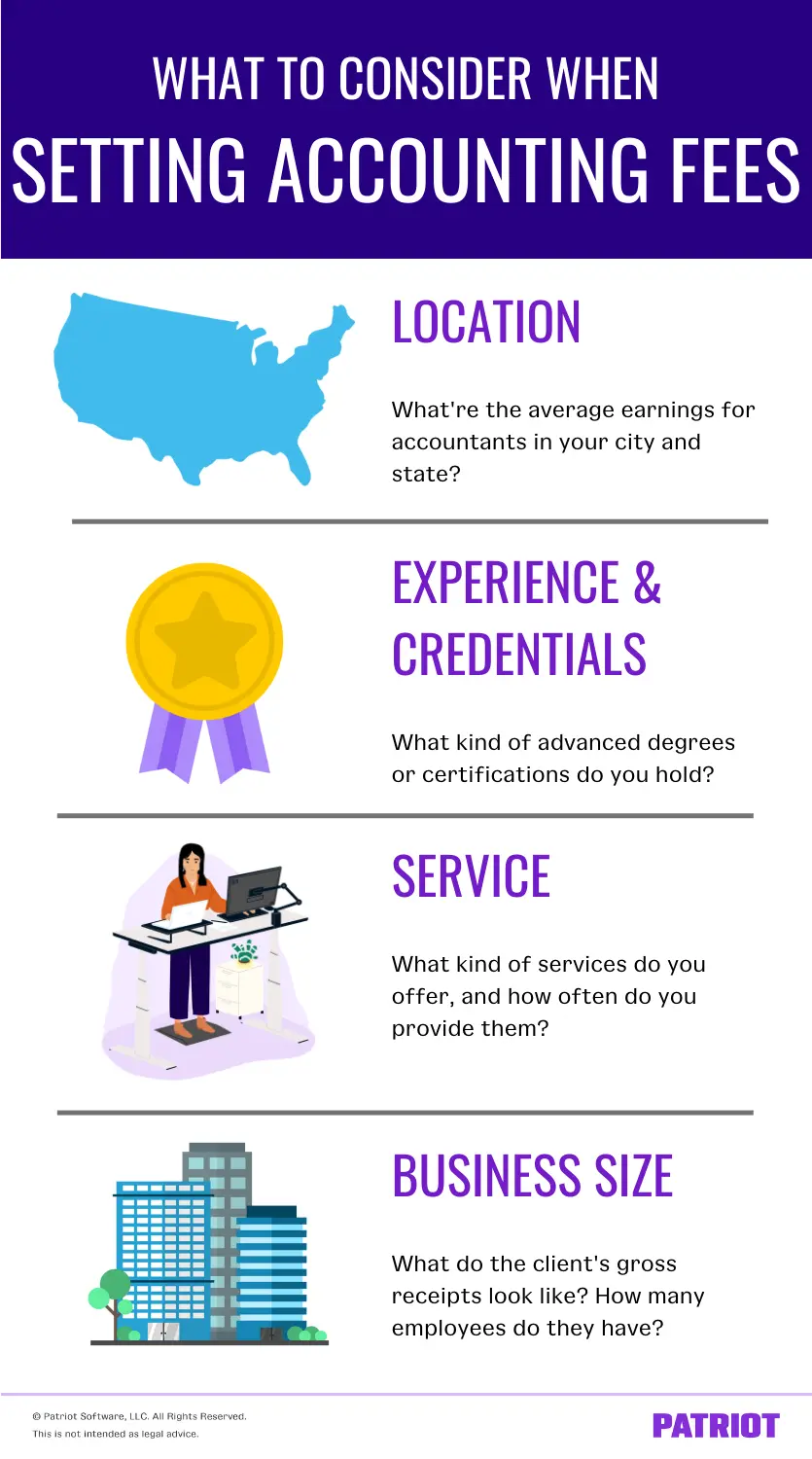
Setting accounting service rates, whether for a nascent practice or an established firm, presents a multifaceted challenge that demands strategic foresight and a keen understanding of market dynamics. The question, "How much do accountants charge?" transcends a simple numerical answer, delving into a delicate balancing act between attracting and retaining clients, ensuring business sustainability, and accurately valuing professional expertise. Overpricing risks alienating potential clients and driving them towards competitors, while underpricing can severely jeopardize a firm’s bottom line, diminish perceived value, and hinder growth. The imperative for accounting professionals, therefore, is to calibrate their fees with precision, reflecting both their intrinsic worth and the prevailing economic landscape.
The Evolving Landscape of Accounting Services and Pricing Models
The accounting profession has undergone significant transformations in recent decades, moving beyond traditional compliance services like tax preparation and auditing to embrace a broader scope of advisory, consulting, and technology-driven solutions. This evolution has, in turn, reshaped how accounting services are priced and perceived. Historically, hourly billing was the predominant model, a straightforward approach that directly correlated effort with cost. However, as clients increasingly seek predictability, transparency, and demonstrable value, firms have diversified their pricing strategies to align with modern business expectations. The digital transformation of accounting, accelerated by cloud computing and automation, has further prompted a re-evaluation of traditional time-based billing, favoring models that emphasize outcomes and strategic partnership.
Understanding the various pricing structures available is fundamental for any accounting professional aiming to establish a competitive and profitable fee schedule. These structures are not mutually exclusive; many firms adopt hybrid models or offer different options depending on the client and service complexity.
Common Accounting Service Pricing Structures:
-
Hourly Billing:
- Description: This traditional model charges clients based on the actual time spent by the accountant on a particular task or project. Rates typically vary by the experience level of the professional (e.g., partner, senior accountant, junior staff). Time tracking is meticulous, often down to the minute, and invoices detail the work performed.
- Pros: Simple to implement and understand for the firm, ensures compensation for all time invested, suitable for unpredictable or open-ended projects where the scope is difficult to define upfront. It offers flexibility when project requirements change mid-stream.
- Cons: Lacks predictability for clients, often perceived as incentivizing inefficiency, and can lead to client reluctance to ask questions or seek advice due to fear of escalating costs. It directly ties revenue to hours, limiting scalability and income potential beyond billable hours. Disputes over billed hours can also strain client relationships.
- Application: Remains relevant for ad-hoc consulting, complex forensic accounting investigations, litigation support, or initial engagements where the scope of work is still being fully determined.
-
Fixed-Fee (Project-Based) Pricing:
- Description: The accountant quotes a single, predetermined price for a specific service or project before the work begins. This requires a clear, well-defined scope of work, outlining deliverables and timelines.
- Pros: Provides unparalleled cost predictability and transparency for clients, which is a major draw for budgeting purposes. For the firm, it encourages efficiency, process optimization, and the effective use of technology. It can enhance client trust by eliminating hourly surprises.
- Cons: Requires accurate scoping and estimation; underestimation can lead to significant reductions in profitability, while overestimation might deter potential clients. It is less suitable for projects with frequently changing requirements or unforeseen complexities without clear change order protocols.
- Application: Widely adopted for standard services like annual tax preparation (personal and business), financial statement compilation, specific audit engagements with defined parameters, or setting up new accounting systems. Many firms now offer fixed fees for bundled compliance services.
-
Value-Based Pricing:
- Description: Instead of charging for time or specific tasks, this model bases fees on the perceived or quantifiable value the service delivers to the client. This necessitates a deep understanding of the client’s business, strategic goals, and the tangible benefits of the accounting service, such as cost savings, increased profitability, risk mitigation, or improved decision-making.
- Pros: Potentially much higher profitability for the firm, as fees are not capped by hours but by impact. It fundamentally aligns the accountant’s interests directly with client success, positioning the accountant as a strategic partner rather than a mere service provider. It emphasizes outcomes, not effort.
- Cons: Can be challenging to implement, requiring strong client communication skills to articulate and demonstrate value. It demands a significant shift in mindset from traditional billing and may not be suitable for all clients or services, particularly routine compliance work. Quantifying value can be subjective.
- Application: Increasingly popular for high-level advisory services, strategic tax planning, business consulting, M&A due diligence, succession planning, or optimizing operational efficiency, where the financial impact on the client can be substantial and directly measurable.
-
Retainer or Subscription Models:

- Description: Clients pay a recurring fee (monthly, quarterly, or annually) for ongoing access to a suite of services or a certain level of support. This ensures a consistent, predictable revenue stream for the firm and continuous, proactive access for the client. Services are typically bundled into packages.
- Pros: Provides predictable recurring revenue, which is vital for firm stability and growth planning. It encourages long-term client relationships and allows clients to feel comfortable reaching out without worrying about incremental hourly charges. Firms can offer tiered service levels to cater to different client needs.
- Cons: Requires careful definition of what’s included in the retainer to prevent "scope creep," where clients demand services beyond the agreed-upon package. It can be challenging to price initially for varying client needs and service consumption patterns.
- Application: Ideal for ongoing bookkeeping, payroll services, fractional CFO services, continuous tax advisory, or general business consulting, fostering a stable, proactive relationship where the accountant is an integral part of the client’s financial team.
-
Tiered Pricing:
- Description: Firms offer multiple packages of services at different price points, often labeled "Bronze," "Silver," and "Gold" or similar. Each tier includes a progressively comprehensive set of services, designed to meet varying client needs and budgets.
- Pros: Caters to a wider range of client needs and financial capacities, simplifies the client’s decision-making process by presenting clear options, and encourages upselling to higher-value packages. It provides clear value differentiation across service levels.
- Cons: Requires careful design of service bundles to ensure perceived value at each tier and avoid client confusion. Managing expectations regarding what is and isn’t included in each tier is crucial to prevent dissatisfaction.
- Application: Common for small business accounting services, offering basic compliance (tax, bookkeeping), advanced reporting and analysis, and full advisory packages. This model is also seen in payroll services, offering varying levels of support and features.
Before selecting a pricing structure, professionals must consider the nature of their services (ongoing vs. one-time), the time commitment required, the complexity of the client’s needs, and the value they aim to deliver. The trend is clearly moving towards models that offer greater predictability and emphasize value over time.
Average Accountant Rates: A Snapshot of the Market
While specific figures are highly dependent on numerous variables, general market data provides a useful benchmark for accounting professionals. According to various industry reports and salary aggregators like the U.S. Bureau of Labor Statistics (BLS), Indeed, Salary.com, and industry surveys from organizations like the American Institute of Certified Public Accountants (AICPA), average accounting fees and salaries exhibit significant ranges.
- Hourly Rates for CPAs: For independent Certified Public Accountants (CPAs) or small to mid-sized firms, hourly rates can typically range from $100 to $300+ per hour. This variation is primarily influenced by geographical location, specialization (e.g., tax, audit, advisory, forensic), and the CPA’s experience level and reputation. Highly specialized or forensic CPAs in major metropolitan areas, or those with niche expertise (e.g., cybersecurity accounting, ESG reporting), may command significantly higher rates, potentially exceeding $400-$500 per hour.
- Bookkeeping Services: For basic bookkeeping, which often forms the foundation of a firm’s offerings, hourly rates generally fall between $30 and $100 per hour. However, many firms now offer monthly fixed-fee packages, which can range from $200-$500 for very small businesses with minimal transactions, scaling upwards to $1,000-$5,000+ per month for larger entities with higher transaction volumes, multiple bank accounts, and more complex reporting needs.
- Average Accountant Salary (Employee): The U.S. Bureau of Labor Statistics reported the median annual wage for accountants and auditors was $78,000 as of May 2022. This national average, however, encompasses a wide spectrum. Entry-level positions might start around $50,000-$60,000, while experienced CPAs in managerial roles or senior positions within large corporations or public accounting firms can earn well over $100,000 to $150,000 annually. Partners in successful firms, particularly in major markets, can achieve annual compensation significantly higher, often in the multi-six-figure range or more, influenced by equity and firm profitability.
- Specific Service Averages:
- Personal Tax Preparation (Form 1040): Simple returns with standard deductions may cost $150-$300. Returns involving investments, rental properties, small business income (Schedule C), or foreign income can range from $400 to over $1,500, depending on complexity and required forms.
- Business Tax Preparation (e.g., Form 1120, 1065): These are typically more complex than individual returns, with fees often starting from $500 for very small businesses (e.g., single-member LLCs filing Schedule C within a 1040) and escalating significantly based on revenue, number of transactions, specific industry requirements, and the entity structure (e.g., S-Corp, C-Corp, Partnership), potentially reaching several thousands of dollars for larger entities.
- Auditing Services: Due to their highly specialized, labor-intensive, and regulatory nature, audits command premium fees. Costs can range from several thousand dollars for small non-profits or private companies to hundreds of thousands or even millions for large, publicly traded corporations, depending on scope, industry, and internal control complexity.
- Payroll Services: Often offered as a recurring service, pricing can be per employee per pay period (e.g., $5-$15 per employee) or a monthly fixed fee, often bundled with other services like tax filings and direct deposit. Base fees for payroll services typically start around $50-$100 per month.
These figures serve as a starting point, but the true value of accounting services is determined by a confluence of factors that professionals must meticulously assess. A recent survey by Accounting Today indicated a continued upward trend in accounting service fees, driven by increased demand for advisory services and a shortage of skilled professionals.
Four Critical Factors Influencing Accounting Fees
Beyond national averages, several specific elements directly impact the appropriate pricing for accounting services. A comprehensive evaluation of these factors ensures that fees are both competitive and reflective of the value delivered.
-
Location:
The geographical location of an accounting firm and its clientele significantly influences pricing. Operating costs, including rent, utilities, and labor, vary widely by region. Consequently, accountants in major metropolitan areas with high costs of living, such as New York City, San Francisco, Los Angeles, or Washington D.C., typically charge higher fees than those in rural areas or regions with lower economic activity. For instance, data from Indeed and Salary.com consistently shows accountants in financial hubs earning substantially more than their counterparts in less expensive states. The rise of virtual accounting services has introduced a new dimension, allowing firms to serve clients across different geographies. In such cases, firms must decide whether to align their pricing with their operational location or the client’s location, or adopt a blended approach, taking into account the competitive landscape in both regions and the firm’s perceived market positioning. -
Experience and Credentials:
An accountant’s professional background, years of experience, and specialized certifications are paramount in determining their fee structure. Seasoned professionals who have navigated numerous complex financial scenarios, developed deep industry insights, and built a robust reputation can justifiably command higher rates. Clients are often willing to pay a premium for the assurance that comes with extensive experience, a track record of success, and proven expertise.
Key credentials that significantly enhance an accountant’s value include:- Certified Public Accountant (CPA): This is the gold standard in the U.S., requiring rigorous examination, specific educational requirements, and practical experience. CPAs possess legal authority to perform audits and provide opinions on financial statements, granting them a higher fee ceiling due to the inherent trust and regulatory compliance associated with the designation.
- Certified Management Accountant (CMA): Focuses on financial planning, performance, analysis, and strategic decision support, highly valued in corporate and management accounting roles.
- Enrolled Agent (EA): Authorized by the U.