Lana Rhoades
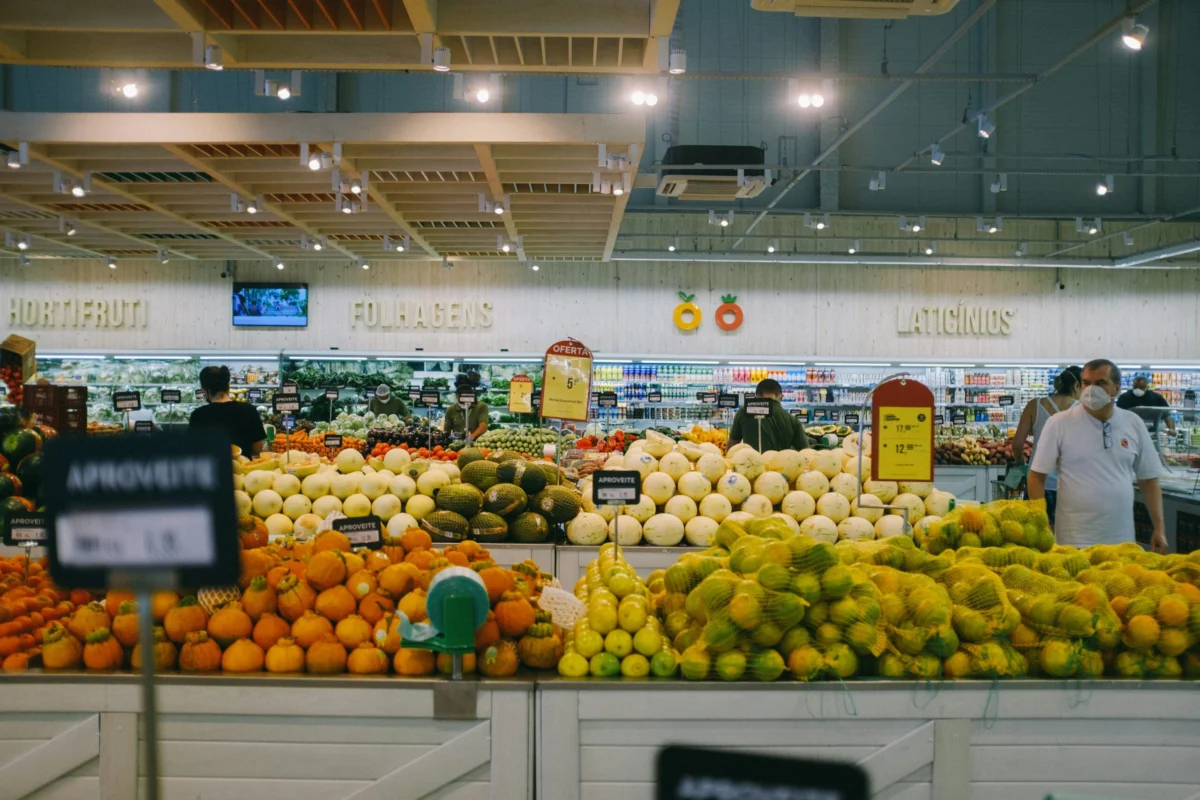
For businesses operating within the food and beverage (F&B) sector, the most significant threat to fiscal health is often an invisible one, embedded deep within digital product catalogs. As state departments of revenue sharpen their auditing tools, the misclassification of a single Stock Keeping Unit (SKU) has emerged as a primary source of tax liability. The inherent complexity of the F&B vertical—where the taxability of an item can change based on its temperature, its ingredients, or even the inclusion of a plastic utensil—has created a minefield for retailers, wholesalers, and e-commerce platforms alike.
The distinction between a taxable and a non-taxable item is frequently microscopic. To a consumer, a raw chicken and a rotisserie chicken are both food items. However, to a state tax auditor, the former is often classified as an exempt grocery staple, while the latter is a taxable "prepared food." Similarly, a chocolate bar containing flour may be categorized as "food," while a similar bar without flour is taxed as "candy." When these minor coding decisions are replicated across thousands of orders and multiple jurisdictions, the resulting financial exposure can be catastrophic for a growing enterprise.
The Legislative Shift: A Timeline of Grocery Tax Reform
The landscape of food taxation in the United States is currently undergoing a period of rapid transformation. Historically, sales tax on groceries has been criticized as a regressive measure, disproportionately affecting lower-income households who spend a larger percentage of their earnings on essential nutrition. In response, a bipartisan wave of state legislatures has moved to reduce or eliminate state-level grocery taxes over the past three years.
A review of the legislative chronology reveals a clear momentum toward exemption:
- August 2024: Oklahoma officially eliminated its 4.5% state grocery tax, joining the majority of states in providing relief at the checkout counter.
- July 2025: Mississippi, while maintaining its tax, reduced the grocery rate from 7% to 5%, signaling a gradual shift in policy.
- September 2025: Alabama followed suit, lowering its state grocery tax to 2%. However, analysts note that because local governments in Alabama are still permitted to levy their own rates, some residents continue to pay nearly 9% in total sales tax on food items.
- January 1, 2025: Kansas completed a multi-year phase-down, reaching a 0% state tax rate on groceries.
- January 1, 2026: Both Arkansas and Illinois eliminated their state-level grocery taxes.
Despite this trend toward state-level exemptions, the reality for businesses remains complicated. In Illinois, for instance, the removal of the 1% state tax was accompanied by new legislation authorizing hundreds of municipalities to impose their own 1% local grocery taxes. This "decentralization" of tax authority means that a product may be exempt in one town but taxable in the next, requiring sellers to maintain hyper-local tax logic in their point-of-sale systems.
The Definition of "Prepared Food" and the Fork Rule
One of the most frequent points of failure in tax compliance is the misinterpretation of what constitutes "prepared food." Under the guidelines established by the Streamlined Sales Tax (SST) Governing Board—an organization representing 24 states—a three-part test is used to determine if an item is taxable.
First, if a seller heats the food or sells it at a heated temperature, it is taxable. Second, if the seller combines two or more ingredients to create a single item (such as a deli sandwich or a pre-mixed salad), it is classified as prepared food. The third and most surprising criterion is the "utensil test." If a seller provides a plate, fork, spoon, or even a napkin with the item, that item may become taxable, regardless of its preparation state. The logic employed by revenue departments is that the inclusion of a utensil indicates the food is intended for immediate consumption rather than home preparation.
This leads to significant discrepancies in the "combination test." A meal-delivery service shipping chilled, fully cooked dinners may assume their products are exempt groceries because they are delivered cold. However, because the seller assembled multiple ingredients into a single meal, many states classify these as prepared foods. For a business shipping thousands of meals monthly, the difference between a 0% grocery rate and an 8% prepared food rate can result in hundreds of thousands of dollars in uncollected tax over a standard three-year audit cycle.
Candy, Soda, and the "Flour Factor"
Even in jurisdictions where groceries are strictly exempt, "luxury" or "discretionary" items like candy and soft drinks are often carved out and taxed at the full state rate. The definitions used to separate a "snack" from "candy" are notoriously technical.
Under SST definitions, candy is a preparation of sugar or sweeteners combined with chocolate, fruits, or nuts. Crucially, the definition excludes any item that contains flour. This creates the "Kit Kat vs. Hershey" paradox: a plain chocolate bar is taxed as candy, but a chocolate bar containing a wafer (and thus flour) is often classified as "food" and remains exempt.
Soft drinks face similar scrutiny. Generally defined as non-alcoholic beverages containing natural or artificial sweeteners but no milk or milk substitutes, the taxability of a drink often hinges on its juice content. A beverage containing 51% fruit juice may be an exempt grocery, while a similar drink with 49% juice is a taxable soft drink. For beverage manufacturers, this necessitates a meticulous review of ingredient labels to ensure SKU codes align with state-specific juice-percentage thresholds.
Alcohol: Special Districts and Excise Tiers
Alcoholic beverages represent perhaps the most complex sub-sector of F&B taxation. Beyond standard sales tax, alcohol is subject to per-gallon excise taxes that vary wildly between states and beverage types (beer, wine, and spirits).
Furthermore, many urban centers apply special district rates. In Washington, D.C., while the general sales tax rate is 6%, alcohol sold for off-premises consumption is taxed at 10.25%. In states like Tennessee and South Carolina, "liquor-by-the-drink" taxes add an additional 5% to 15% on top of the base sales tax. Seventeen "control states" further complicate matters by maintaining a government monopoly on wholesaling or retailing, effectively embedding the tax into the product price. For direct-to-consumer wine clubs and spirits retailers, failing to account for these localized "stacks" of tax creates an immediate and compounding liability.
The Mechanics of an Audit: From Sampling to Extrapolation
The danger of misclassification is magnified by the way state tax authorities conduct audits. Auditors rarely examine every transaction. Instead, they typically select a statistically significant sample of transactions over a specific period—often three months—and review them for errors.
If an auditor finds that a business failed to collect tax on a specific type of item (such as "prepared" chilled meals) in that sample, they calculate an error rate. That error rate is then extrapolated across the entire audit period, which usually spans three to four years. A $500 error in a sample can quickly transform into a $50,000 assessment once penalties and interest are added. In many states, penalties for non-payment range from 5% to 25%, with interest accruing monthly, making the cost of "getting it wrong" far higher than the cost of the tax itself.
Strategic Recommendations for Business Compliance
To mitigate these risks, industry experts suggest a rigorous four-step internal audit process:
- SKU Mapping: Every product must be mapped to a specific tax category (e.g., "unprepared grocery," "dietary supplement," "soft drink") based on its ingredients and packaging.
- Nexus Verification: Businesses must identify every state where they have "nexus"—a physical or economic presence—and cross-reference their product categories against that state’s specific tax laws.
- District-Level Validation: For states with local taxes (like Illinois and Georgia), companies must ensure their tax engines are calculating rates based on the exact delivery address, not just the state or zip code.
- Exemption Certificate Management: For B2B wholesalers, the collection and storage of valid resale certificates is vital. An expired or unsigned certificate is viewed by auditors as a taxable sale, with the burden of proof resting entirely on the seller.
Broader Economic and Technological Implications
The increasing complexity of F&B taxability is driving a shift toward automated compliance solutions. Manual maintenance of tax tables is no longer feasible for companies selling more than a handful of products across state lines. The rise of "Tax-as-a-Service" (TaaS) platforms allows businesses to integrate real-time tax calculation into their e-commerce checkouts, ensuring that as state laws change (such as the recent shifts in Oklahoma and Kansas), the software updates automatically.
However, as many analysts point out, automation is only as effective as the data it receives. If a brand codes a sugar-laden snack as an exempt "grocery staple" in its internal database, the most advanced tax engine in the world will still produce an incorrect calculation.
In the final analysis, the burden of tax compliance in the food and beverage industry has shifted from a back-office accounting task to a front-line data management priority. As states continue to adjust their revenue models in a post-2026 economic environment, the ability to distinguish between a "snack" and "candy" or "grocery" and "prepared food" will remain a defining characteristic of fiscally resilient companies. Finding and correcting a misclassified SKU internally is a minor administrative task; having a state auditor find it for you is a major financial event.