Lana Rhoades
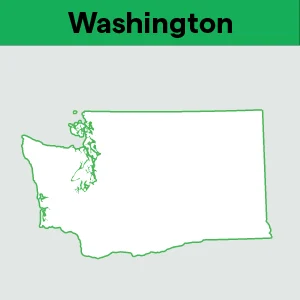
The fiscal landscape of the United States is undergoing a fundamental transformation as state governments recalibrate their revenue models to align with a service-oriented economy. In the state of Washington, this shift is particularly pronounced. While the historical precedent in many jurisdictions has been to levy sales tax primarily on tangible personal property (TPP)—physical items such as clothing, electronics, and vehicles—Washington has long maintained one of the most comprehensive service-taxation frameworks in the country. With a base state sales tax rate of 6.5% and local increments that can push the total levy above 10% in certain municipalities, understanding the nuances of what constitutes a taxable service is critical for business compliance and financial planning.
The Legal Framework: Defining Retail Sales in Washington
The Washington Department of Revenue (DOR) operates under a regulatory structure that differs significantly from many of its neighbors. In many states, services are exempt from sales tax unless the law specifically identifies them as taxable. In Washington, the Revised Code of Washington (RCW) 82.04.050 provides a broad definition of "retail sale" that encompasses a wide variety of service-based activities.
Under this framework, a service is considered a retail sale if it involves the sale of or charge made for personal, business, or professional services. This includes, but is not limited to, the construction, repair, or improvement of real property; the cleaning, repairing, or decorating of personal property; and various amusement and recreation services. Consequently, businesses operating within the state must navigate a complex matrix to determine whether their specific offerings require the collection of sales tax from the consumer or if they fall under the Business and Occupation (B&O) tax category instead.
A Chronology of Washington’s Tax Evolution
The evolution of Washington’s tax code reflects the state’s efforts to maintain a robust treasury in the absence of a personal or corporate income tax. The following timeline illustrates the key milestones in the development of service-based taxation:
- 1935: The Revenue Act: Washington establishes the Business and Occupation (B&O) tax and the retail sales tax. This dual system creates a unique environment where businesses pay a tax on gross receipts (B&O) while also acting as agents for the state to collect sales tax on retail transactions.
- 2008: Transition to Destination-Based Sourcing: Washington moves from an origin-based to a destination-based sourcing model. This change dictates that the sales tax rate is determined by the location where the service is received or the goods are delivered, rather than where the business is located.
- 2009: Digital Products Legislation: Recognizing the rise of the digital economy, the state legislature passes comprehensive laws regarding the taxation of digital goods, including "prewritten" software and Software as a Service (SaaS).
- 2018: South Dakota v. Wayfair, Inc.: The U.S. Supreme Court ruling allows Washington to enforce economic nexus laws. This means out-of-state service providers with no physical presence in Washington must collect sales tax if they exceed certain revenue thresholds (typically $100,000 in annual gross receipts).
- 2020-Present: Remote Work and Service Expansion: The post-pandemic shift toward remote service delivery has led the Department of Revenue to issue clearer guidance on the taxation of professional consulting and digital delivery, ensuring that the tax base remains stable as physical office footprints shrink.
Taxable Services: A Detailed Breakdown
To remain compliant, merchants must distinguish between services that are classified as "retail sales" and those that are considered "professional" or "personal" services. The following categories are generally subject to Washington state sales tax:
Construction and Real Property Improvements
Washington is notably aggressive in taxing construction labor. This includes the constructing, repairing, decorating, or improving of new or existing buildings. Whether a business is installing a new roof or simply painting a room, the total charge—labor and materials—is subject to sales tax.
Repair and Maintenance of Tangible Personal Property
Any service performed to restore or maintain physical items is taxable. This includes automotive repair, electronic equipment calibration, and watch repair. If a technician is sent to a home to fix a dishwasher, the service fee is taxable.
Landscape Maintenance and Horticultural Services
While some agricultural activities are exempt, standard residential and commercial landscaping services are taxable. This includes lawn mowing, hedge trimming, and planting.
Personal Recreation and Fitness
The state taxes "amusement and recreation services." This category includes memberships to fitness centers, entry fees for golf courses, and charges for guided tours. However, a specific exemption exists for fitness services provided by non-profits or local government entities in certain contexts.
Digital Services and SaaS
Washington was an early adopter of taxing digital products. Software as a Service (SaaS) is considered a taxable retail sale. This applies whether the software is downloaded or accessed via the cloud. Conversely, "custom software"—software developed specifically for a single user—is generally exempt from sales tax, though it remains subject to B&O tax.
Exemptions and the Business and Occupation (B&O) Tax Distinction
Not all services are subject to retail sales tax. However, even if a service is exempt from sales tax, the business is almost certainly liable for the B&O tax. Common exemptions from the retail sales tax include:
- Professional Services: Fees charged by attorneys, accountants, architects, and doctors are generally not subject to sales tax. Instead, these professionals pay a higher B&O tax rate under the "Service and Other Activities" classification.
- Janitorial Services: Routine cleaning of offices and homes is exempt from sales tax, though specialized cleaning like chimney sweeping or pressure washing may be taxable.
- Laundry Services: Self-service laundry facilities and certain industrial laundry services are exempt.
- Public Transportation: Charges for bus, train, or ferry travel are not subject to retail sales tax.
Supporting Data: The Economic Impact of Sales Tax
The importance of sales tax to Washington’s fiscal health cannot be overstated. According to data from the Washington Economic and Revenue Forecast Council, retail sales and use taxes consistently account for approximately 50% of the state’s General Fund revenue.
In the 2023-2025 biennium, sales tax collections are projected to exceed $30 billion. As the manufacturing sector’s share of the economy has stabilized, the growth in tax revenue has been increasingly driven by the "Services and Other" category. Fiscal analysts note that as consumer spending shifts from purchasing physical "things" to purchasing "experiences" and "digital access," the state’s ability to tax services ensures that the revenue stream remains elastic and capable of funding essential public services like education and infrastructure.
Compliance and Nexus: The Merchant’s Responsibility
For businesses, the primary challenge lies in "nexus"—the legal connection between a business and the state that triggers tax obligations. Under current Washington law, nexus is established through:
- Physical Presence: Having an office, warehouse, or employees in the state.
- Economic Nexus: Surpassing $100,000 in cumulative gross receipts from Washington customers in a calendar year.
Once nexus is established, a business must register with the Washington Department of Revenue, obtain a UBI (Unified Business Identifier) number, and begin collecting tax based on the customer’s location. Failure to do so can result in significant back-tax liabilities, interest, and penalties during an audit.
Official Responses and Industry Reactions
The Washington Department of Revenue maintains that its comprehensive approach to service taxation creates a "level playing field." In official guidance, the DOR emphasizes that by taxing both goods and services, the state avoids the "regressive" nature of taxing only essential physical goods, which can disproportionately affect lower-income residents.
However, industry groups, such as the Association of Washington Business (AWB), have occasionally raised concerns regarding the complexity of the B&O tax combined with the sales tax. They argue that the "tax on a tax" (where a business pays B&O tax on the same revenue for which they collect sales tax) can create a heavy administrative burden for small startups and freelancers. In response, the state has implemented various small business tax credits to alleviate the B&O burden for those with lower gross incomes.
Broader Implications and Future Outlook
Washington’s model serves as a bellwether for other states considering tax reform. As more states face budget shortfalls due to the erosion of the traditional "bricks-and-mortar" retail base, the "Washington Model" of taxing services and digital goods is increasingly seen as a viable solution.
For the merchant, the implication is clear: the definition of "retail" is no longer confined to the exchange of a physical box for cash. In the modern economy, expertise, labor, and digital access are the new commodities. Businesses must invest in automated tax compliance software or consult with tax professionals to navigate the "destination-based" sourcing rules, which require identifying the specific tax rate of thousands of different local jurisdictions across the state.
As we move toward 2027 and beyond, it is expected that the Washington legislature will continue to refine definitions around artificial intelligence (AI) services and virtual reality environments. The goal remains consistent: ensuring that the tax code evolves as quickly as the marketplace, capturing revenue from the services that define the 21st-century economy. Merchants who stay ahead of these regulatory shifts will not only remain compliant but will also gain a clearer understanding of their true operational costs in one of the nation’s most dynamic economic environments.