Lana Rhoades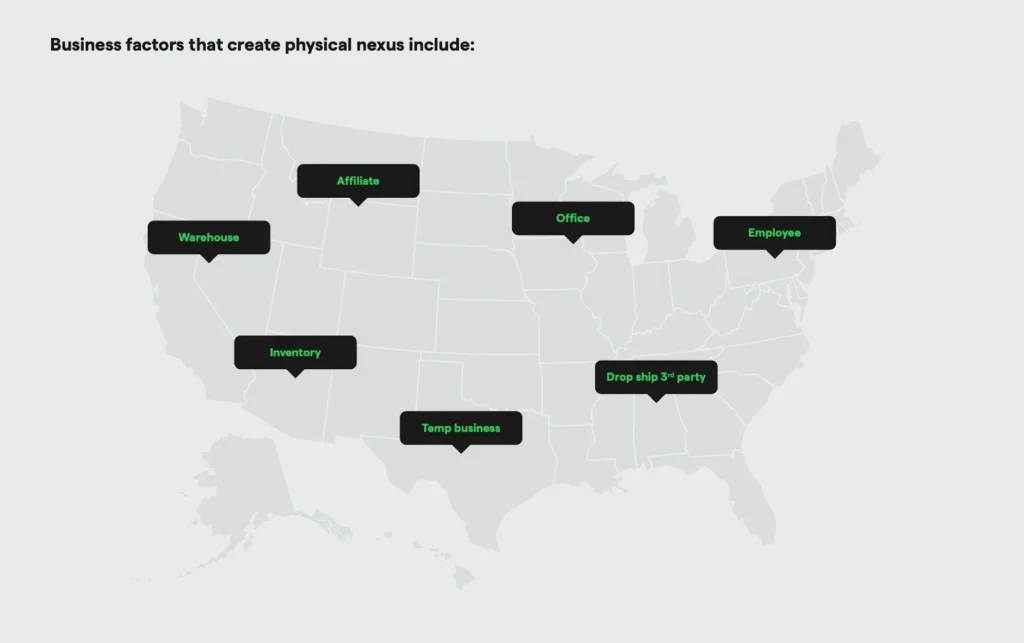
The rapid acceleration of the digital economy has transformed the fundamental relationship between commercial activity and state jurisdiction, creating a regulatory environment where physical borders no longer define tax obligations. As global e-commerce sales are projected to exceed $8.1 trillion by 2026, the burden of sales tax compliance has shifted from a secondary administrative task to a primary pillar of corporate risk management and financial strategy. For modern retailers, the concept of "nexus"—the legal connection between a business and a taxing authority—has evolved into a multi-dimensional challenge shaped by shifting state laws, landmark judicial rulings, and the intricate logistics of 21st-century fulfillment.
In the contemporary retail landscape, failing to monitor these evolving standards can lead to severe financial repercussions, including retroactive tax assessments, heavy penalties, and exhaustive audits. As states seek to capture revenue from the burgeoning volume of online transactions, the distinction between physical presence and economic impact has become the focal point of tax litigation and corporate accounting.
The Evolution of Nexus: From Physical Presence to Economic Connection
The current framework for sales tax nexus is defined largely by a chronological shift in how the U.S. legal system views interstate commerce. For decades, the precedent was set by the 1992 Supreme Court case Quill Corp. v. North Dakota, which established that a state could only require a business to collect sales tax if that business had a physical presence—such as an office, warehouse, or employees—within the state’s borders.
However, the explosion of the internet rendered the Quill standard increasingly obsolete. States argued that they were losing billions in potential tax revenue to out-of-state online retailers. This tension culminated in the 2018 Supreme Court decision in South Dakota v. Wayfair, Inc., which overturned the physical presence requirement. The Court ruled that an "economic nexus" was sufficient to trigger tax obligations, allowing states to require remote sellers to collect and remit sales tax once they reached specific revenue or transaction thresholds.
Since that landmark ruling, nearly every state with a sales tax has implemented its own version of economic nexus laws. This has created a fragmented regulatory environment where a single transaction can trigger compliance requirements across multiple jurisdictions, often without the seller ever stepping foot in the state.
Understanding the Dual Pillars of Nexus: Physical and Economic
Retailers today must navigate two distinct types of nexus, each with its own set of triggers and evidentiary requirements.
Physical Nexus Triggers
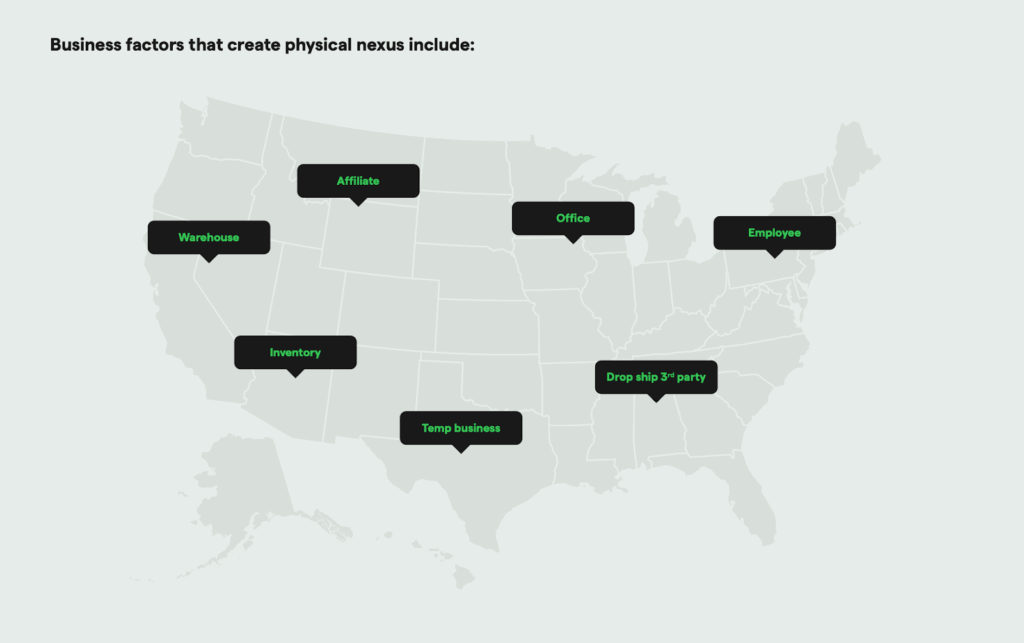
Despite the rise of economic nexus, physical presence remains a primary trigger for tax liability. Modern physical nexus is often established through indirect means that many retailers overlook. Beyond owning a brick-and-mortar storefront, physical nexus can be triggered by:
- Inventory Storage: Utilizing Third-Party Logistics (3PL) providers or services like Fulfillment by Amazon (FBA) often places inventory in warehouses across various states, establishing a physical connection in each of those locations.
- Remote Personnel: The rise of remote work means that an employee or independent contractor living and working in a different state can establish nexus for the employer.
- Temporary Presence: Attending trade shows, craft fairs, or setting up temporary "pop-up" shops can create a nexus obligation for the duration of the event and, in some cases, for the remainder of the tax year.
Economic Nexus Thresholds
Economic nexus is determined by the volume of business conducted within a state, regardless of physical presence. These thresholds vary significantly by jurisdiction. For instance, Illinois requires compliance if a business exceeds $100,000 in gross sales or completes 200 or more transactions within a 12-month period. Conversely, California sets a higher bar, requiring registration only after a business grosses more than $500,000 in sales within a calendar year.
A significant trend in recent legislative sessions has been the removal of transaction-based thresholds. Many states are moving toward a revenue-only model to simplify compliance for small businesses that may have a high volume of low-value sales but do not generate substantial revenue in a specific state.
The Nuances of Product Taxability and Exemptions
Establishing nexus is only the first step; the second involves determining whether the specific goods or services sold are actually subject to tax. Under U.S. law, most "tangible personal property"—physical items like electronics, furniture, and clothing—is taxable. However, state legislatures frequently grant exemptions for items deemed "necessities," though the definition of a necessity varies by region.
Commonly exempted or reduced-rate categories include:
- Groceries and Prepared Foods: While many states exempt raw groceries, prepared or "hot" foods often remain taxable.
- Clothing: Some states, like Pennsylvania, exempt most clothing, while others only offer exemptions during "tax holidays" or for items under a certain price point.
- Medical Supplies: Prescription drugs are widely exempt, but the taxability of over-the-counter medications and medical devices is highly inconsistent across state lines.
- Digital Goods and SaaS: Software-as-a-Service (SaaS) and digital downloads represent one of the most complex areas of tax law. Some states view SaaS as a taxable service, others as tangible property, and some do not tax it at all. Furthermore, the tax rate may change depending on whether the software is used for personal or business purposes.
The Compliance Lifecycle: From Threshold to Remittance
Once a business determines it has met a nexus threshold, it enters a structured compliance lifecycle. The first and most critical step is obtaining a sales tax permit. It is a common misconception that businesses should begin collecting tax as soon as they hit a threshold; in reality, most states prohibit the collection of sales tax until a business has been formally registered with the state’s Department of Revenue.
Establishing a Nexus Start Date
Determining when the "clock starts" on tax liability is essential for avoiding back-tax penalties. For physical nexus, the start date is typically the day the activity began (e.g., the day inventory arrived at a warehouse). For economic nexus, the start date is usually the day the threshold was crossed. Tax experts and Certified Public Accountants (CPAs) often advise businesses to conduct regular "nexus studies" to ensure they are not inadvertently operating with unregistered liability.
The Role of Marketplace Facilitator Laws
To streamline the collection process, many states have enacted Marketplace Facilitator Laws. These laws require platforms like Amazon, eBay, and Walmart to collect and remit sales tax on behalf of their third-party sellers. While this reduces the burden for many small retailers, it does not entirely absolve them of responsibility. Many states still require marketplace sellers to register for a permit and file "zero-dollar" returns if they have nexus, even if the marketplace handles the actual tax payment.
Industry Implications and the Rise of Automation
The sheer volume of data required to track sales across 45 states (plus the District of Columbia), each with unique rates and rules, has made manual compliance nearly impossible for scaling businesses. The financial sector has seen a surge in "TaxTech" solutions designed to automate these workflows.
Industry analysts suggest that the cost of non-compliance—which includes not only the unpaid tax but also interest and penalties that can exceed 30% of the original tax due—is a primary driver for the adoption of automated systems. These platforms integrate with e-commerce storefronts to monitor sales in real-time, alerting business owners when they are approaching a nexus threshold in a new jurisdiction.
Broader Economic Impact and Future Outlook
The shift toward aggressive nexus enforcement reflects a broader trend of "tax base broadening" as states grapple with the erosion of traditional revenue streams. As e-commerce continues to take a larger share of the total retail market, states are expected to further refine their definitions of nexus.
Legal scholars anticipate that the next frontier of nexus litigation may involve "click-through nexus" (based on affiliate marketing) or "cookie nexus" (based on the digital presence of software on a user’s computer). Furthermore, the ongoing debate over the "Streamlined Sales and Use Tax Agreement" (SSUTA)—an effort by several states to simplify and modernize sales tax administration—continues to gain traction as a potential federal-level solution to the current fragmentation.
For the e-commerce retailer of 2026, sales tax is no longer a localized concern but a global strategic variable. Success in this environment requires a proactive stance: monitoring legislative changes, understanding the geographical footprint of fulfillment networks, and leveraging technology to ensure that growth does not come at the cost of compliance. In a world where $8 trillion in transactions are moving through the digital ether, the states are watching more closely than ever, and the cost of oversight has never been higher.