Lina Irawan
From the dawn of civilization, when gold first captivated human societies as a symbol of wealth, power, and divinity, to its contemporary role as a crucial component of global financial portfolios, the precious metal has maintained an unparalleled status. Revered across ancient empires, coveted by medieval nobility, and now a steadfast asset for modern investors, gold’s intrinsic value and perceived stability have cemented its position as a high-demand commodity. This enduring allure stems from its reputation as a reliable store of value, particularly during periods of economic uncertainty, inflation, or geopolitical instability, offering a tangible safe haven when traditional markets falter.
Historical Context: Gold’s Journey Through Economic Epochs
The history of gold as a monetary and investment asset is rich and complex, evolving significantly over millennia. For centuries, gold coins served as primary currency, facilitating trade and defining national wealth. Its role became institutionalized with the gold standard, a monetary system where a country’s currency or paper money has a value directly linked to gold. This system, prevalent from the late 19th century until the early 20th century, provided stability but also limited governments’ ability to manage their economies through monetary policy.
A pivotal moment arrived with the Bretton Woods Agreement in 1944, which pegged the U.S. dollar to gold at a fixed rate of $35 per troy ounce, with other global currencies then pegged to the dollar. This established the dollar as the world’s reserve currency and gold as its ultimate backing. However, by 1971, mounting economic pressures, including the costs of the Vietnam War and increasing inflation, led President Nixon to unilaterally end the dollar’s convertibility to gold, effectively dismantling the Bretton Woods system. This shift decoupled gold from its official monetary role, transforming it into a freely traded commodity whose price was dictated by market forces of supply and demand, rather than fixed government decree.
Since then, gold has demonstrated its resilience and utility as an investment. During the high inflation of the 1970s, gold prices surged, proving its effectiveness as an inflation hedge. The 2008 global financial crisis saw gold’s value climb significantly as investors sought refuge from collapsing equity markets and banking instability. More recently, the economic dislocations caused by the COVID-19 pandemic and subsequent inflationary pressures further underscored gold’s appeal, driving its price to unprecedented highs in 2020 and beyond. Central banks globally have also ramped up their gold reserves in recent years, signaling a renewed appreciation for the metal as a foundational asset and a hedge against currency devaluation. For instance, in 2022, central banks purchased a record 1,136 tonnes of gold, the highest level in 55 years, according to the World Gold Council, reflecting a strategic move to diversify reserves amidst geopolitical tensions and economic volatility.
Understanding Gold’s Market Dynamics and Price Drivers
The price of gold is influenced by a confluence of macroeconomic factors, geopolitical events, and market sentiment. Unlike productive assets such as stocks that generate earnings or bonds that pay interest, gold’s value is primarily driven by supply and demand dynamics, its perceived scarcity, and its role as a psychological anchor in times of distress.
Key factors impacting gold prices include:
- Inflation: Gold is often seen as a hedge against inflation. When the purchasing power of fiat currencies erodes, investors tend to flock to gold as a store of value that historically retains its purchasing power.
- Interest Rates: Rising real interest rates (nominal rates minus inflation) tend to make non-yielding assets like gold less attractive compared to interest-bearing alternatives. Conversely, falling real rates can boost gold’s appeal.
- U.S. Dollar Strength: As gold is typically denominated in U.S. dollars, a weaker dollar makes gold cheaper for holders of other currencies, potentially increasing demand and pushing prices up. A stronger dollar has the opposite effect.
- Geopolitical Instability: Wars, political crises, and international tensions often trigger a flight to safety, with gold being a primary beneficiary as investors seek assets perceived as immune to national or regional conflicts.
- Supply and Demand: Global gold mining output, recycling rates, and demand from various sectors (jewelry, industrial, and investment) all play a role. While mining supply has generally been stable, concerns about "peak gold" (the theoretical point of maximum gold extraction) could influence future prices. Investment demand, particularly from exchange-traded funds (ETFs) and central banks, has become a significant driver.
Diverse Avenues for Gold Investment
For investors contemplating an allocation to gold, a spectrum of options exists, each with distinct advantages and disadvantages. The choice hinges on individual financial goals, risk tolerance, investment horizon, and desired level of liquidity.
1. Investing in Physical Gold
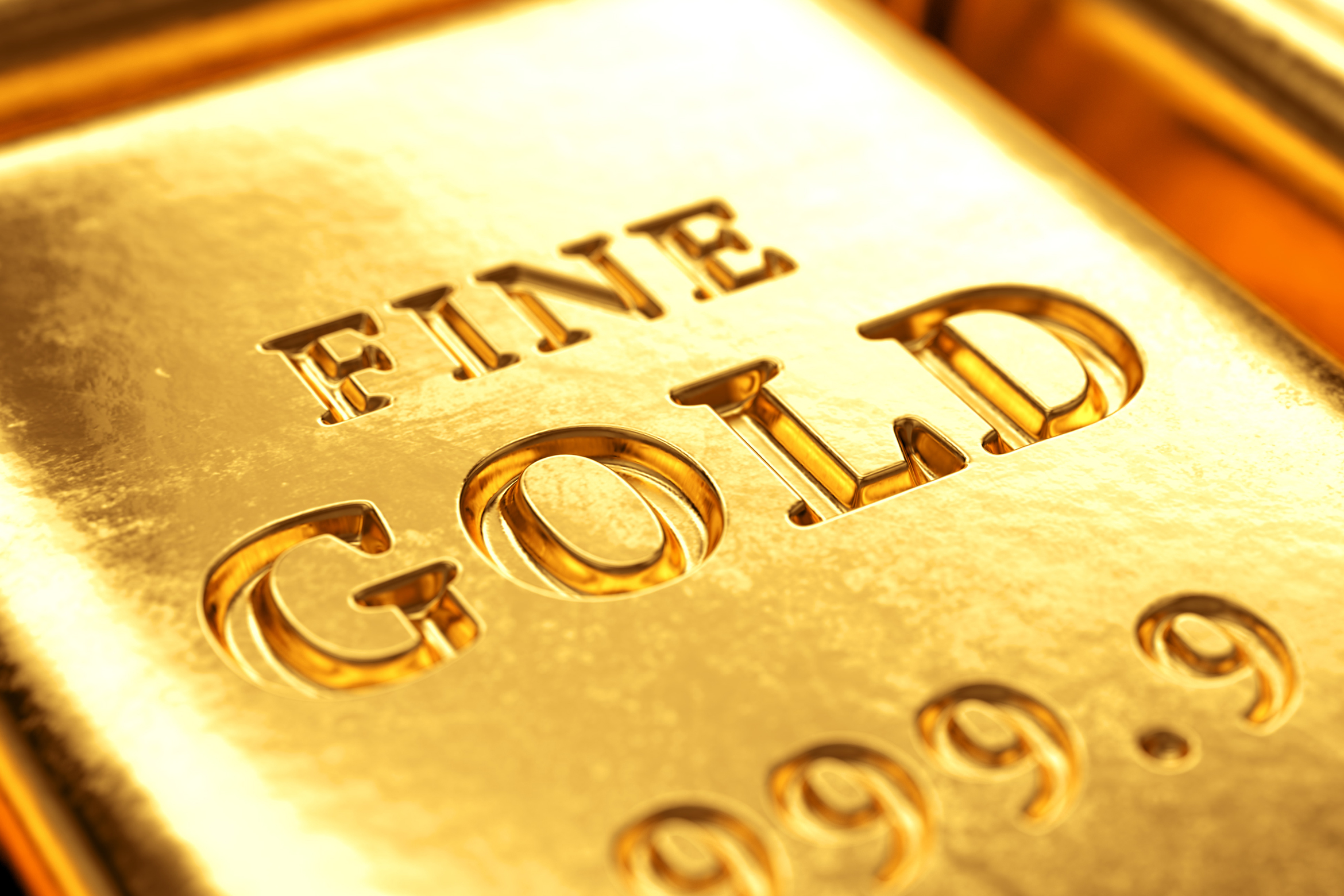
The most direct approach is acquiring physical gold, which can take various forms, including investment-grade gold bullion (bars, ingots, coins, rounds with a purity of 99.5% or higher) and, to a lesser extent, gold jewelry or collectibles.
- Advantages: Tangible ownership provides a sense of security and control. It offers a direct hedge against currency devaluation and systemic financial risks. Transparent pricing, based on the global spot price, ensures market value is readily ascertainable. For some, the option of self-storage avoids recurring custodian fees.
- Disadvantages: Verifying authenticity and purity is crucial, necessitating purchases from reputable dealers. Physical gold incurs various costs, including premiums over spot price, transaction fees, shipping, insurance, and secure storage (either professional depositories or home security measures). It is also less liquid than other forms of gold investment and may involve higher capital gains taxes upon sale, as the IRS classifies physical precious metals as collectibles, potentially subject to a maximum 28% long-term capital gains tax rate.
2. Investing in Gold-Related Securities
For those preferring indirect exposure or greater liquidity, gold-backed securities offer diverse avenues.
-
Gold Mining Stocks: This involves purchasing shares in companies engaged in gold exploration, extraction, or processing. These can range from "senior miners" (large, established companies like Barrick Gold or Newmont) to "junior miners" (smaller, often speculative startups) and "gold streaming" or "royalty" companies (which provide upfront financing to miners in exchange for future gold production at a discounted price).
- Analysis: While mining stocks theoretically benefit from rising gold prices, their performance is also influenced by operational efficiencies, management quality, geopolitical risks in mining regions, labor costs, and environmental regulations. They typically exhibit higher volatility than physical gold, as they are subject to both gold price fluctuations and company-specific risks, including the non-zero possibility of bankruptcy or mine depletion. However, some established miners may offer dividends, providing income that physical gold does not.
- Market Context: Investors can acquire these stocks through standard brokerage accounts. Thorough due diligence, including reviewing financial statements, management teams, and operational risks, is paramount.
-
Gold Exchange-Traded Funds (ETFs) and Mutual Funds: These funds pool money from multiple investors to invest in a diversified portfolio of gold-related assets.
- Gold ETFs: These funds often hold physical gold bullion, gold mining stocks, or a combination of both. Examples include SPDR Gold Shares (GLD), which holds physical gold, or VanEck Gold Miners ETF (GDX), which invests in mining companies.
- Analysis: ETFs offer diversification, liquidity (they trade like stocks throughout the day), and lower expense ratios compared to actively managed mutual funds, typically under 1%. They provide exposure to gold without the complexities of physical storage or the singular risk of individual mining stocks. Some gold ETFs may even pay dividend yields that can partially offset their expense ratios.
- Gold Mutual Funds: These are actively managed funds that primarily invest in stocks of gold mining or refining companies, with some holding small amounts of physical bullion.
- Analysis: Mutual funds offer professional management and diversification, but generally come with higher expense ratios (0.5% to 2.5% annually) due to active management. They are less liquid than ETFs, typically priced once daily at market close.
- Market Context: Both ETFs and mutual funds can be purchased through brokerage accounts. They are ideal for investors seeking diversified, liquid exposure to gold without direct physical ownership.
- Gold ETFs: These funds often hold physical gold bullion, gold mining stocks, or a combination of both. Examples include SPDR Gold Shares (GLD), which holds physical gold, or VanEck Gold Miners ETF (GDX), which invests in mining companies.
-
Gold Futures Contracts: These are complex financial derivatives primarily used by professional traders and institutions. A futures contract is an agreement to buy or sell a specific quantity of gold at a predetermined price on a future date.
- Analysis: Gold futures are highly leveraged, meaning small price movements in gold can result in significant gains or losses, often exceeding the initial investment. Most traders speculate on price movements rather than taking physical delivery.
- Risks: The extreme leverage and potential for margin calls make futures exceptionally risky for most retail investors. They require a deep understanding of market mechanics and risk management.
- Market Context: Traded on exchanges like the New York Mercantile Exchange (NYMEX), futures require specialized brokerage accounts.
3. Investing in Gold Individual Retirement Accounts (IRAs)
A self-directed IRA allows investors to hold physical gold (and other IRS-approved precious metals like silver, platinum, and palladium) within a tax-advantaged retirement account.
- Analysis: Gold IRAs offer the tax benefits of traditional or Roth IRAs (tax-deferred growth for traditional, tax-free withdrawals for Roth) while diversifying retirement savings with physical assets. However, they involve multiple parties: a gold dealer for purchase, an IRS-approved custodian for administration, and a depository for secure storage. This multi-party setup can lead to various fees (setup, annual maintenance, storage, transaction).
- Requirements: Only specific types of high-purity gold bullion (e.g., American Gold Eagles, Canadian Gold Maple Leafs) are permitted. Gold jewelry or collectibles are not allowed.
- Market Context: Opening a gold IRA requires selecting a reputable gold IRA company that facilitates the process. Due diligence on fees and customer support is crucial.
Strategic Considerations for Integrating Gold into a Portfolio
Before committing to any gold investment, a clear strategy aligned with personal financial objectives is essential.
- Portfolio Diversification: Gold often exhibits a low correlation with traditional assets like stocks and bonds, meaning its price movements may not mirror theirs. This makes it a valuable diversifier, potentially reducing overall portfolio volatility and acting as a hedge during market downturns. Financial advisors often suggest a modest allocation to gold, typically 5-10% of a diversified portfolio.
- Risk Tolerance and Time Horizon: Gold is generally considered a long-term strategic asset. Its price can be volatile in the short term, making it unsuitable for speculative short-term gains for most investors. Its primary utility lies in preserving wealth over extended periods, particularly during inflationary cycles or periods of economic uncertainty.
- Tax Implications: Understanding the tax treatment of gold investments is crucial. While gold-backed securities are generally subject to standard capital gains rules, physical gold is classified as a collectible by the IRS, incurring a potentially higher long-term capital gains tax rate of up to 28%.
- Due Diligence: Regardless of the chosen investment vehicle, thorough research is paramount. For physical gold, verifying purity and dealer reputation is critical. For gold stocks, comprehensive analysis of financial health, management, and operational risks is necessary. For funds, understanding their holdings, expense ratios, and management style is key.
Current Market Outlook and Broader Implications
In the current global economic climate, characterized by persistent inflationary pressures, fluctuating interest rates, and ongoing geopolitical tensions, gold’s role as a hedge and safe haven remains highly relevant. The increasing purchases by central banks, particularly from emerging economies, signal a strategic move away from over-reliance on a single reserve currency and a desire for tangible, universally accepted assets. This sustained institutional demand, coupled with continued retail investor interest, provides a strong floor for gold prices.
However, gold’s lack of income generation means it can underperform during periods of strong economic growth and rising interest rates when other assets offer competitive yields. Its long-term value appreciation tends to be more gradual compared to equities during bull markets. Analysts often highlight that gold should be viewed as an insurance policy for a portfolio, rather than a primary growth engine.
In conclusion, gold has undeniably cemented its position as a multifaceted asset with a storied past and a relevant future in investment portfolios. Whether acquired in its physical form, through the equities of mining companies, via diversified funds, or within specialized retirement accounts, the decision to invest in gold must be informed by a deep understanding of its market dynamics, associated risks, and alignment with one’s individual financial objectives. As a non-correlated asset with a historical track record of preserving wealth, gold remains a compelling consideration for investors seeking to build resilient and diversified portfolios in an ever-changing economic landscape.