Lina Irawan
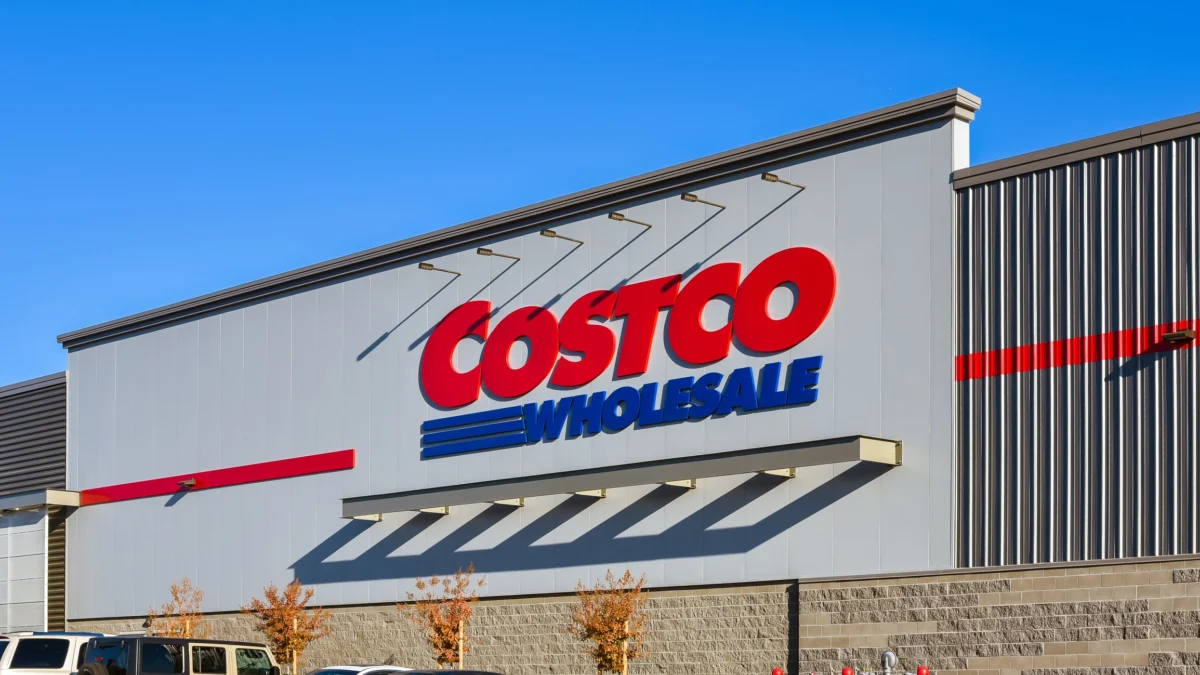
Costco Wholesale Corporation has long cemented its reputation as a mecca for budget-conscious consumers, offering an expansive catalog of products and services at what are widely perceived as unbeatable prices, all accessible through its distinctive membership model. This perception is often reinforced by the company’s strategic deployment of "loss leaders" – select items sold below their actual cost to entice customers into the warehouse, banking on the likelihood of additional, more profitable purchases. The iconic $1.50 hot-dog-and-soda combo stands as a prime example of this strategy, a testament to Costco’s commitment to delivering perceived value. However, the sprawling aisles and bulk packaging, while often synonymous with significant savings, do not guarantee superior value across the board. A closer examination reveals that certain items, despite their presence in a warehouse club setting, might not always be the most economical choice, and the very act of bulk buying can, in some instances, backfire for the unprepared consumer.
The inherent business model of warehouse clubs like Costco hinges on volume and membership fees. By selling large quantities, they can negotiate lower prices from suppliers and pass some of these savings on to their members. The annual membership fee provides a stable revenue stream, allowing for tighter margins on products. This model has proven exceptionally successful, attracting millions of members globally who trust the brand for quality and value. Yet, the retail landscape is dynamic and highly competitive, with traditional grocery stores, discounters, and online retailers constantly adjusting their strategies to capture market share. This fierce competition means that for specific product categories, the "best deal" can often be found outside the cavernous walls of a warehouse club. Understanding these nuances is key to truly maximizing savings and avoiding inadvertent overspending or waste.
The Nuance of Value: Beyond the Bulk Discount
While the allure of a lower unit price on a bulk item is strong, several critical factors can diminish or even negate this perceived advantage. The primary contenders challenging Costco’s pricing dominance are often conventional grocery stores like Walmart and Aldi, known for their aggressive pricing strategies, particularly on everyday staples. These retailers frequently employ their own loss leader tactics, focusing on high-frequency purchases to drive foot traffic. Furthermore, the sheer volume required for a Costco purchase can present challenges related to product perishability, storage capacity, and even consumption rates, transforming an initial saving into an eventual loss due to spoilage or overconsumption.
Detailed Examination: Five Items to Reconsider
Savvy shoppers adopt a strategic approach, understanding that true savings come from a combination of price, utility, and waste avoidance. Here are five categories where a second thought might be warranted before adding them to your oversized shopping cart:
1. Milk
Costco offers a diverse selection of milk, catering to various dietary preferences with options ranging from traditional dairy to almond, oat, and coconut varieties. However, when it comes to standard cow’s milk, particularly gallon-sized containers, the perceived value at Costco often falls short compared to mainstream grocery retailers. Stores like Walmart and Aldi strategically price milk as a deeply discounted loss leader. Milk is a fundamental household staple, purchased with high frequency, making it an ideal product to draw customers into a store where they are likely to purchase other, higher-margin items. The competitive pricing of milk at these conventional supermarkets can result in prices that are several cents, or even a dollar, lower per gallon than what Costco typically offers. For instance, a quick comparison of average prices might show a gallon of milk at Aldi for $2.50-$3.00, while Costco’s bulk two-gallon pack might break down to $3.25-$3.50 per gallon. This difference, while seemingly minor on a single purchase, can accumulate into significant savings over a year for families with high milk consumption. Consumers are advised to check local grocery store flyers, as milk is frequently featured in weekly promotions, often priced at or below cost.
2. Brand-Name Breakfast Cereal
While Costco’s shelves are stocked with nationally recognized breakfast cereal brands, the convenience of bulk purchasing these familiar boxes often comes with a higher unit price than alternatives found elsewhere. The economics of brand-name products include substantial marketing, advertising, and distribution costs, which are ultimately reflected in the retail price. In contrast, retailers like Walmart and especially Aldi heavily invest in their private-label brands. Aldi, for example, built its entire business model on offering high-quality private-label alternatives at significantly lower prices, cutting out the overhead associated with national branding. These store brands often mimic the flavor and nutritional profiles of their brand-name counterparts but can be sold at a fraction of the cost, sometimes 30-50% less per unit. A large box of a national brand cereal at Costco, while offering a bulk discount over a small box at a regular grocery store, might still be more expensive per ounce than a comparable store-brand option at Aldi or even a brand-name sale price at Walmart. Shoppers looking for genuine savings on cereal should prioritize comparing unit prices (price per ounce or gram) and consider opting for high-quality private-label versions available at other retailers.
3. Chicken Breast
Costco’s rotisserie chicken is an undisputed legendary deal, serving as another powerful loss leader. However, the same cannot be consistently said for boneless, skinless chicken breasts, a lean protein staple for many households. The fresh meat department is a highly competitive arena for all grocery retailers, with supermarkets frequently engaging in price wars for popular cuts of meat. Walmart and Aldi, with their razor-thin margins and efficient supply chains, are often able to offer boneless, skinless chicken breasts at highly competitive prices, especially during promotional sales. While Costco sells chicken breasts in large, multi-pound packages, the per-pound price may not always beat the sale prices at local supermarkets. For example, a typical Costco package might be 6-8 pounds, costing around $3.49-$3.99 per pound. Many conventional grocery stores will periodically offer chicken breasts on sale for $1.99-$2.99 per pound, often limiting quantities, but still providing a superior per-unit cost. The challenge with Costco’s bulk chicken is not only the price but also the sheer quantity, requiring immediate portioning and freezing for most households to prevent spoilage, which adds a layer of effort and potential freezer burn risk.
4. Books
The retail landscape for books has undergone a dramatic transformation over the past two decades, with online giants like Amazon revolutionizing pricing and selection. Costco, acknowledging this shift, has strategically scaled back its general book aisles, opting instead to focus on specific, high-turnover categories. While Costco may occasionally offer competitive pricing on new releases or bestsellers, and excels in curated multi-book children’s sets (which are often packaged specifically for warehouse clubs), it rarely competes on the breadth of selection or the consistent discounting offered by online retailers. Amazon, with its vast inventory, sophisticated pricing algorithms, and direct-to-consumer model, frequently provides books at prices that are difficult for brick-and-mortar stores, including Costco, to match. For the casual reader or someone seeking a specific title, Amazon or even dedicated booksellers often present a better option in terms of both variety and price. The exception remains those attractive, pre-packaged children’s book sets, which Costco continues to prioritize due to their appeal as gifts and their higher perceived value in a bulk format.
5. Avocados
The increasingly popular avocado is another item where Costco’s bulk-only approach can lead to more expense than savings. Avocados are known for their relatively short ripening window and rapid deterioration once ripe. Costco typically sells avocados in large bags, often containing five to six fruits. While the per-avocado price in such a bag might seem lower than buying them individually, the critical factor is consumption rate. For individuals or smaller households who cannot consume five to six avocados within their optimal ripeness window (typically a few days), a significant portion of the purchase is likely to spoil, effectively negating any per-unit saving and turning it into waste. Grocery stores like Aldi, Trader Joe’s, and Walmart offer the flexibility to purchase single avocados, allowing consumers to buy only what they need, when they need it. This eliminates waste and ensures that every avocado purchased is consumed, leading to genuine savings. The fluctuating market price of avocados also plays a role; while Costco might have a good bulk price when the market is high, individual stores might offer competitive prices during peak season or sales.
Beyond the Core Five: Other Categories Requiring Scrutiny
The principle of aligning purchase quantity with consumption rate extends beyond just avocados. Several other categories, while appearing to be a good deal in bulk, can easily lead to financial waste:
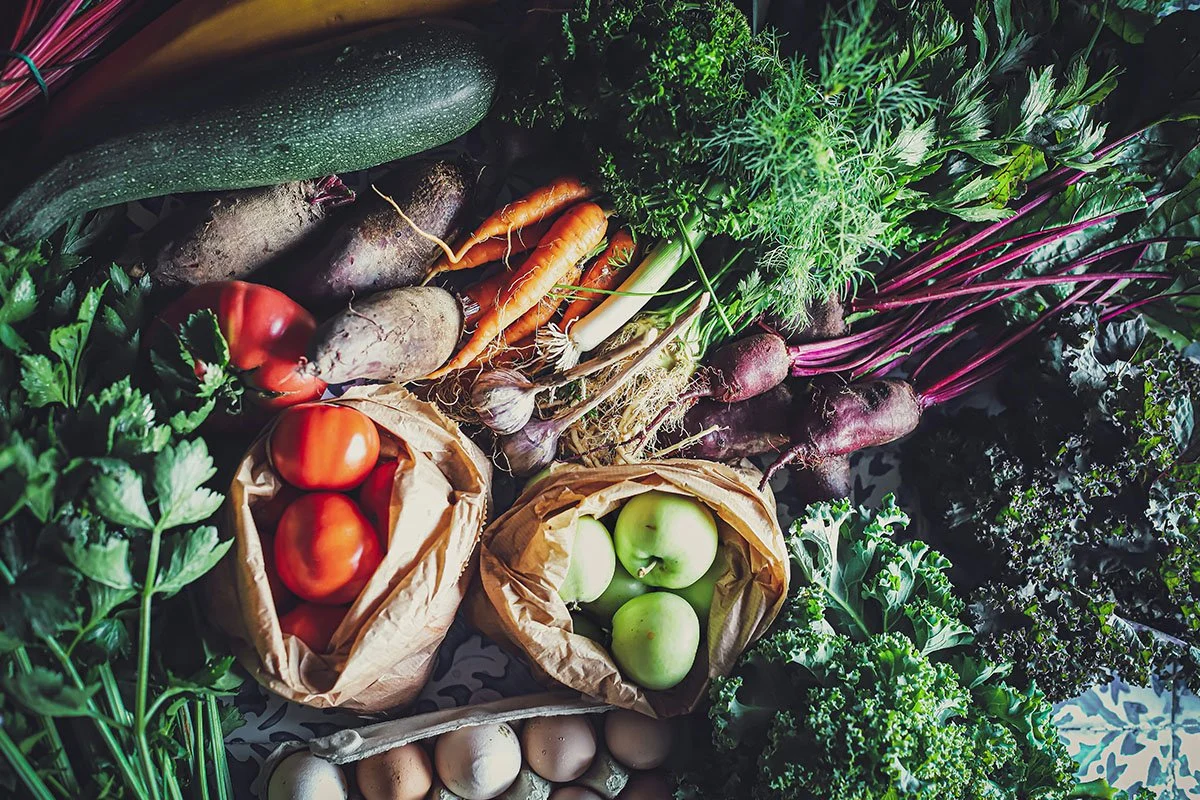
Perishable Bulk Foods: Items like bakery goods (e.g., large packs of muffins, bagels), salad greens (e.g., industrial-sized bags of mixed greens), and many fresh produce items (e.g., massive clamshells of berries, large bags of apples) are prime candidates for spoilage if not consumed quickly. While the unit price for a dozen muffins might be lower than a half-dozen at a regular bakery, the likelihood of a smaller household finishing all twelve before they go stale or moldy is often low. The same applies to salad greens, which can wilt rapidly, and berries, which have a notoriously short shelf life. Forcing consumption or enduring food waste ultimately diminishes any initial savings.
Bulk Baking Flour and Staples: For avid bakers or large families, a 20 to 25-pound bag of baking flour from Costco might seem like a dream deal. However, for the average household, this quantity presents significant logistical challenges. Such a large bag takes up considerable pantry space, can be cumbersome to store, and, crucially, can expire before it’s fully utilized. Flour, especially whole-grain varieties, can go rancid over time, and all types are susceptible to pantry pests if not stored meticulously in airtight containers. Smaller, more manageable quantities available at conventional grocery stores, while perhaps slightly higher per pound, offer convenience, reduce waste potential, and free up valuable storage space. This principle also extends to other long-shelf-life bulk items like rice, sugar, or spices – while they last longer, the sheer volume can be impractical for many.
Discounted Gift Cards: Costco often sells discounted gift cards for various restaurants, entertainment venues, and other businesses, typically offering a 20-25% discount (e.g., $100 worth of gift cards for $80). While this appears to be a straightforward saving, consumer behavior experts caution that these discounts can subtly influence spending habits, leading to unintentional overspending. This phenomenon, often termed "mental accounting," means that consumers might feel less inhibited to spend when using a gift card. For example, if you buy a $100 restaurant gift card for $80, but then go out of your way to dine at that restaurant and end up spending $150 (because you feel you’re "saving" $20 on the first $100), you’ve actually spent $70 more than the initial $80 outlay. The "discount" incentivized a purchase and an expenditure that might not have occurred otherwise. The true value of discounted gift cards is realized only if they are purchased for businesses you already frequent and would spend money at regardless, and if you adhere strictly to your intended budget. Otherwise, they can act as a subtle prompt for discretionary spending.
The Strategic Shopper: Maximizing Membership Value
Despite these caveats, it is crucial to reiterate that Costco remains an exceptional value proposition for a vast array of products and services. The key lies in strategic shopping and understanding where the true value lies for your specific needs. Items that consistently offer superior value at Costco often include:
- Gasoline: Often among the lowest prices in the local market.
- Tires: Competitive pricing, installation, and excellent warranty services.
- Electronics: Particularly on larger items like televisions, often with extended warranties.
- Certain Kirkland Signature Products: Many of Costco’s private-label goods, from olive oil to batteries, coffee, and even some apparel, consistently receive high marks for quality and value.
- Health and Wellness: Prescription medications (pharmacy), optical services, and hearing aid centers often provide significant savings.
- Alcohol: In states where allowed, Costco’s alcohol prices can be highly competitive.
- Non-perishable Staples: Large quantities of items like paper towels, toilet paper, detergent, and certain canned goods often offer genuine long-term savings, provided storage space is adequate.
A balanced approach involves a hybrid shopping strategy. Make a list of items that reliably offer the best value at Costco and purchase those during your warehouse visits. For other items, especially perishables, specific brand-name cereals, or individual needs like single avocados, leverage the competitive pricing and flexibility of traditional grocery stores and online retailers. Always compare unit prices (e.g., price per ounce, per sheet, per pound), realistically assess your consumption habits and storage capacity, and be mindful of the psychological influences of discounts.
Conclusion: A Balanced Perspective on Warehouse Shopping
Costco’s model of membership-based bulk purchasing undeniably offers substantial benefits and savings for millions of consumers worldwide. Its commitment to quality and value, epitomized by its loss-leader strategies and renowned private-label brand, underpins its enduring appeal. However, the notion that every item in a warehouse club is an automatic bargain is a misconception that can lead to unintended overspending or waste. The modern retail environment is characterized by intense competition, with various retailers carving out niches through aggressive pricing, specialized selections, or private-label dominance.
For the informed consumer, navigating this landscape requires a discerning eye, a willingness to compare prices across different retail channels, and a realistic assessment of household needs and consumption patterns. True savings emerge not merely from a low sticker price, but from purchasing the right quantity at the right price, ensuring that every dollar spent translates into usable value rather than discarded waste. By applying this strategic approach, members can fully leverage the advantages of their Costco membership while intelligently avoiding the pitfalls of certain bulk purchases, ultimately achieving genuine financial efficiency in their shopping endeavors. This analysis, based on in-depth research and market dynamics, aims to provide clarity on these complex purchasing decisions, offering objective insights to empower consumers.