Julia Chirkova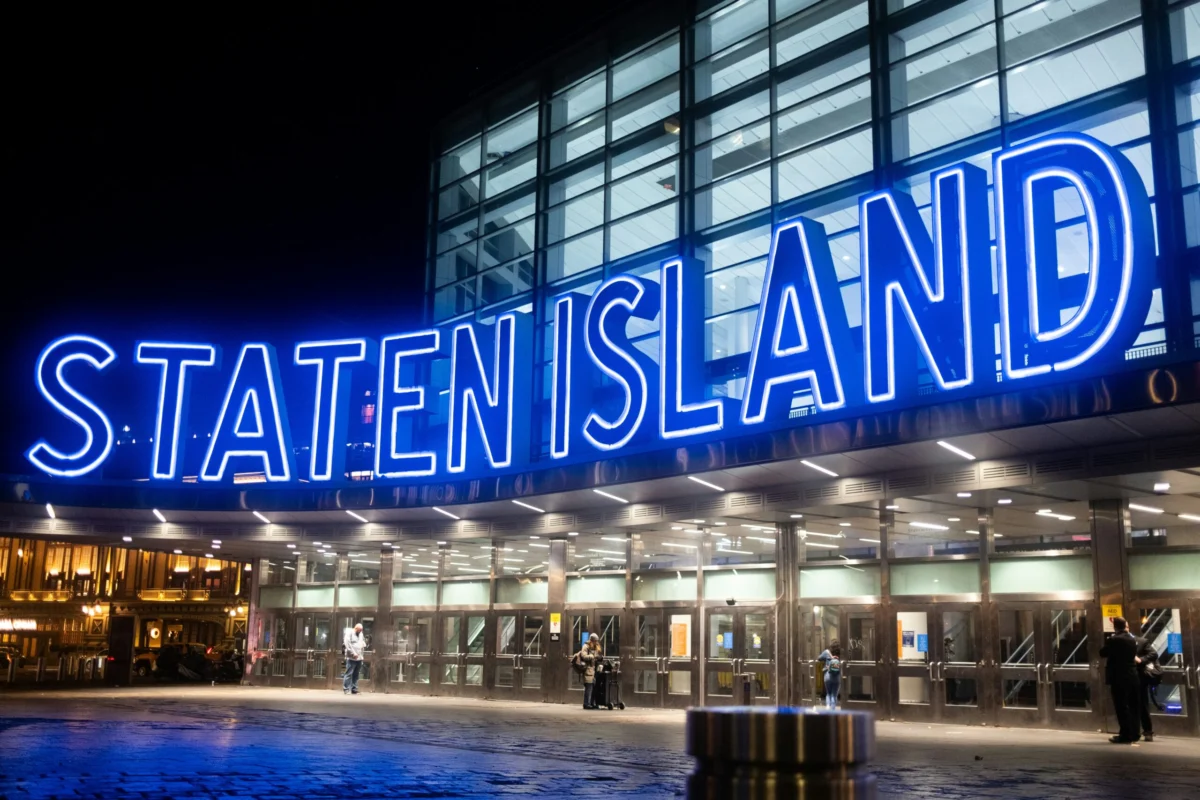
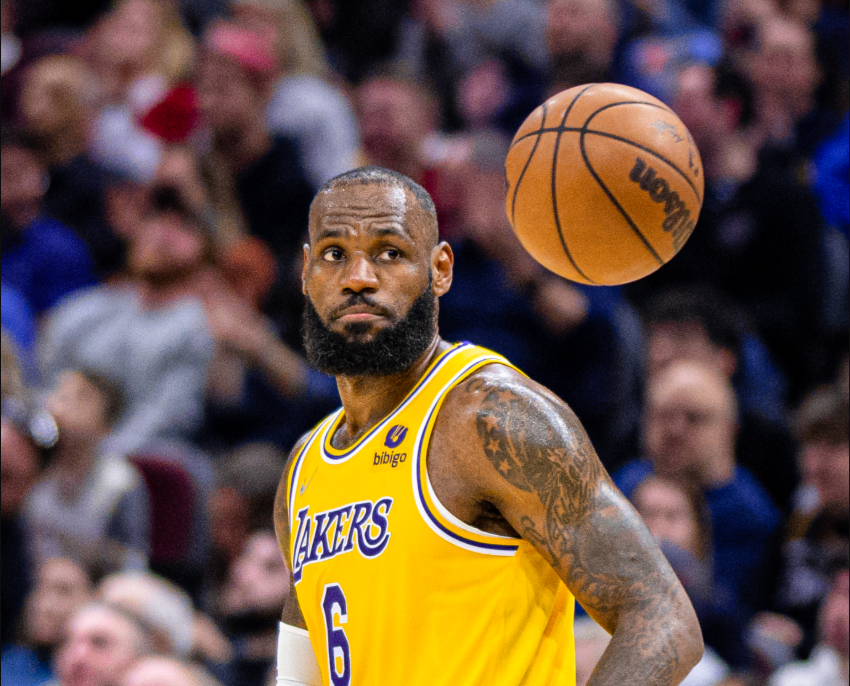
Albany, NY – July 29, 2026 – The press office of New York Governor Kathy Hochul engaged in a pointed social media exchange with NBA superstar LeBron James, playfully labeling him "LePied-a-Terre" in response to reports of his potential relocation to New York City. This digital jab, disseminated via the platform X (formerly Twitter), occurred in the wake of an ESPN report suggesting James would commute via helicopter from Manhattan to play for the Philadelphia 76ers. The governor’s office’s response directly referenced New York’s recently enacted "pied-à-terre" tax, a surcharge specifically targeting expensive residential properties not designated as a primary residence.
The "pied-à-terre" tax, officially known as the Mansion Tax surcharge, was approved earlier this year as part of the state’s budget. This controversial measure imposes an additional tax on residential sales exceeding $5 million, with the rate increasing based on the sale price. For properties valued between $5 million and $10 million, an additional 1% tax is levied. This escalates to 1.25% for sales between $10 million and $25 million, and 1.5% for sales exceeding $25 million. The tax is intended to generate revenue from affluent individuals who own luxury properties in the city but do not primarily reside there.
While the initial report suggested James’s potential move and commuting arrangements, it is important to note that the application of the pied-à-terre tax is contingent on an individual’s primary residency status. If James were to establish the reported Manhattan property as his principal home, he would likely be exempt from the surcharge. However, the governor’s office’s swift and public commentary highlights the sensitivity and public scrutiny surrounding the implementation of this new tax.
This incident arrives at a time when the administration of Mayor Zohran Mamdani is facing considerable backlash for releasing a searchable database of properties potentially subject to the pied-à-terre tax. The publication of this list, intended to promote transparency, has sparked concerns about privacy and potential harassment for property owners. Critics argue that the database inadvertently exposes individuals to unwanted attention and could lead to the misuse of personal information. The controversy surrounding the tax and its public disclosure has created a complex political landscape, with the governor’s office seemingly leveraging the situation for public engagement, albeit in a manner that some may deem politically charged.
This is not the first instance of Governor Hochul’s office garnering public attention for social media activity or public statements related to sports. In May, the governor faced criticism for an apparent misstatement regarding the year of a New York Knicks championship during a press conference. Such instances, while seemingly minor, can contribute to public perception and the overall narrative surrounding political figures and their communications.
Background of the Pied-à-Terre Tax
The introduction of the pied-à-terre tax was a significant development in New York’s fiscal policy, driven by a need to address budget deficits and to appeal to progressive constituencies advocating for increased taxation on the wealthy. The debate surrounding the tax was protracted, with proponents arguing it was a fair and necessary measure to ensure that those with the greatest capacity to pay contribute more to public services. Opponents, however, voiced concerns about its potential impact on the real estate market, arguing it could deter investment and lead to a decline in property values.
The legislation, as passed, stipulated that the tax would apply to residential sales of more than $1 million that are not the purchaser’s primary residence. However, for the specific "pied-à-terre" surcharge, the threshold is higher, targeting more expensive properties. The tax is levied at the point of sale, meaning that current owners of properties that might qualify as a pied-à-terre are not immediately impacted unless they sell their property. The intention was to capture revenue from transactions that have historically been a significant part of New York’s luxury real estate market.

The administrative burden of implementing and enforcing this tax has also been a subject of discussion. The creation of a searchable database, as released by Mayor Mamdani’s administration, represents a significant effort to identify and track properties that fall under the new tax regulations. This move, while intended to streamline the collection process, has evidently raised privacy concerns among some homeowners, particularly those who may have legitimate reasons for owning secondary residences in the city.
LeBron James’s Potential Move and Tax Implications
LeBron James, one of the most recognizable athletes in the world, has been the subject of extensive speculation regarding his future in professional basketball. While his recent contract signing with the Philadelphia 76ers indicates a professional commitment, reports of him considering a residence or regular commute to New York City have fueled further discussion. His vast wealth and high-profile status inevitably draw attention to any financial implications associated with his personal and professional decisions.
The $8 million, two-year contract with the Philadelphia 76ers positions James as a significant player for the team. However, the details of his living arrangements remain a matter of public interest, especially given the proximity of Philadelphia to New York City and the reports of a potential Manhattan residence. The "LePied-a-Terre" moniker employed by the governor’s office cleverly plays on the French term for a small apartment or dwelling used for occasional stays, directly alluding to the tax’s focus on non-primary residences.
The tax code in New York offers specific provisions for primary residences, which are generally afforded certain tax benefits, including exemptions from specific levies. For an individual like James, establishing a property as a primary residence would involve fulfilling criteria such as spending a significant amount of time at the location, registering to vote there, and filing taxes as a resident of that jurisdiction. If these conditions are met, the pied-à-terre tax would not apply to his Manhattan property, regardless of its market value.

Broader Implications and Public Reaction
The interaction between the governor’s office and LeBron James highlights the evolving nature of political communication in the digital age. Social media platforms have become arenas for direct engagement, policy commentary, and even playful banter, blurring the lines between official pronouncements and more informal exchanges. While some may view the governor’s office’s tweet as a clever and engaging way to draw attention to a key fiscal policy, others might perceive it as an inappropriate use of official channels for what could be considered political posturing.
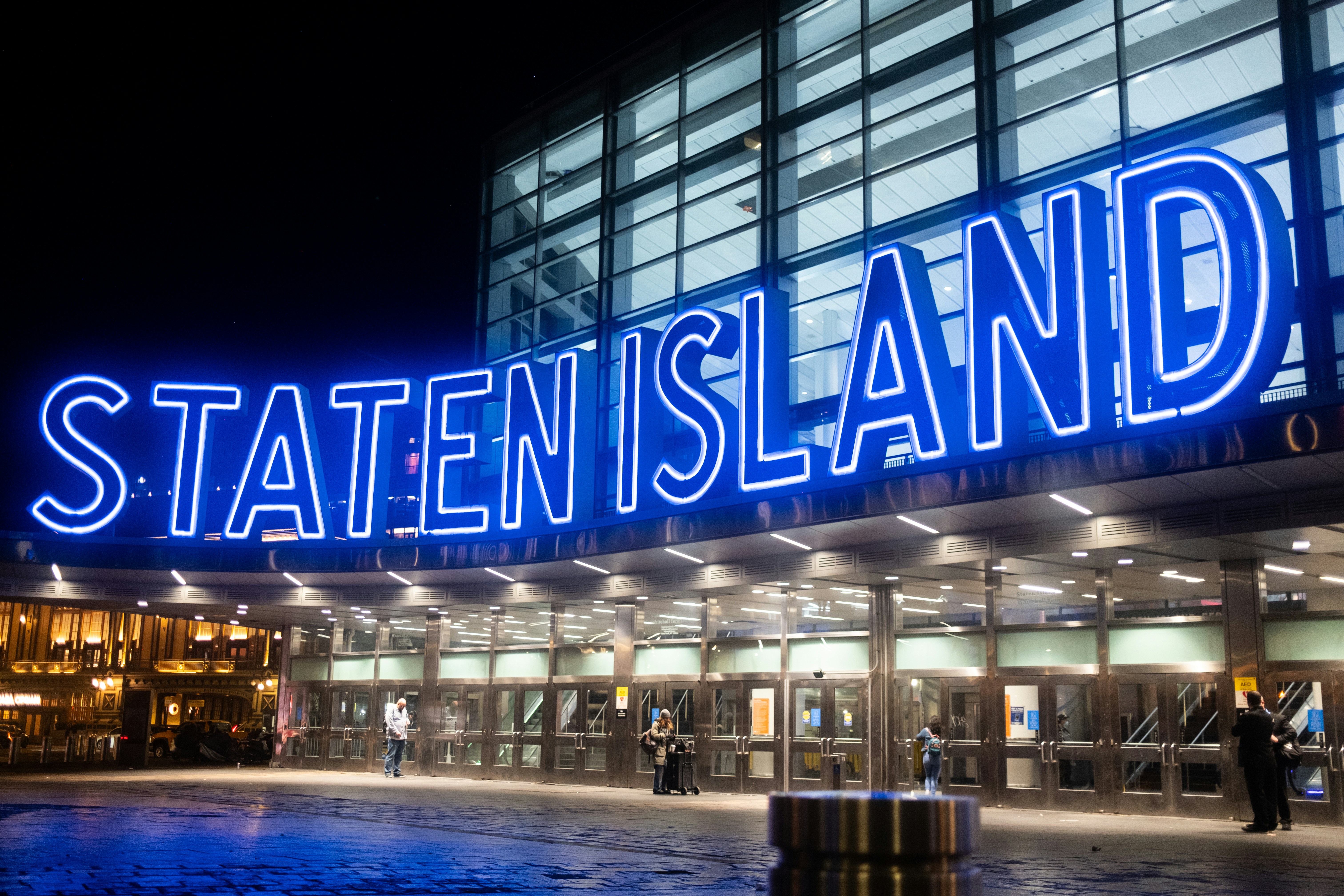
The controversy surrounding the release of the pied-à-terre tax database by the city administration underscores a broader tension between transparency in governance and the protection of individual privacy. Homeowners in New York City, particularly those in high-value properties, are increasingly conscious of their data being publicly accessible. The fear of becoming targets for burglary or other forms of crime, as expressed by some Staten Island homeowners whose names and addresses appeared on the tax list, is a legitimate concern that authorities must address. This incident raises questions about the balance between the public’s right to information and the need to safeguard citizens from potential harm.
The recent history of Governor Hochul’s office engaging with sports-related narratives suggests a strategic approach to public relations. By referencing a prominent sports figure and a widely discussed tax policy, the office aims to remain relevant and visible in public discourse. However, such tactics can be a double-edged sword, potentially leading to accusations of trivializing important issues or engaging in political stunts.
The pied-à-terre tax, with its focus on luxury real estate and its potential to generate substantial revenue, is likely to remain a topic of discussion and debate. The administration’s efforts to enforce it, including the controversial database release, and the public’s reaction to these measures will shape its future implementation and impact on the New York real estate market. The playful jab at LeBron James, while seemingly lighthearted, serves as a stark reminder of the pervasive influence of such policies and the scrutiny they attract, especially when individuals of his stature are involved.
This incident, therefore, is more than just a social media quip; it reflects the intricate interplay between celebrity, policy, and public perception in contemporary New York. The effectiveness and fairness of the pied-à-terre tax, along with the methods employed to administer it, will continue to be under a microscope, with public figures like LeBron James inevitably becoming focal points in these ongoing discussions. The governor’s office’s approach, while attention-grabbing, also underscores the need for careful consideration of the broader implications of public communication strategies.
The long-term impact of the pied-à-terre tax on New York City’s real estate market remains to be seen. Economists and real estate analysts are closely monitoring trends to assess whether the tax deters foreign investment, reduces demand for luxury properties, or ultimately contributes significantly to the city’s coffers. The current political climate, marked by public scrutiny of data privacy and tax fairness, suggests that any missteps in implementation or communication could have lasting repercussions. The playful, yet pointed, tweet directed at LeBron James is a testament to the high-stakes nature of public policy debates in an era of instant information and widespread social media engagement.