Candice Horbacz
Voters in recent election cycles have unequivocally signaled their deep concern over the escalating cost of living, a sentiment that has profoundly reshaped the political landscape and influenced legislative priorities. Following the economic upheaval triggered by the COVID-19 pandemic and the subsequent surge in inflation, the electorate expressed its dissatisfaction at the ballot box, leading to significant political shifts, including Republicans gaining control of the House of Representatives. The message from constituents is clear: policies perceived to exacerbate prices at the gas pump, the grocery store, and across supply chains are being rejected, demanding a renewed focus on economic affordability from Washington.
The Genesis of Economic Pressures: COVID-19 and Its Aftermath
The current economic environment, characterized by persistent inflationary pressures, has its roots in the extraordinary circumstances of the COVID-19 pandemic, which began its global sweep in early 2020. As economies worldwide grappled with unprecedented lockdowns, supply chain disruptions, and a sudden halt in various sectors, governments implemented aggressive fiscal and monetary policies aimed at preventing a catastrophic economic collapse and supporting households and businesses.
In the United States, a series of legislative actions, including the CARES Act in March 2020, the Consolidated Appropriations Act in December 2020, and the American Rescue Plan in March 2021, injected trillions of dollars into the economy. These packages provided direct payments to citizens, enhanced unemployment benefits, aid for small businesses through programs like the Paycheck Protection Program (PPP), and financial assistance to state and local governments. The intent was to cushion the blow of the pandemic, maintain household solvency, and stimulate demand once public health conditions improved.
Concurrently, the Federal Reserve responded with equally unprecedented monetary easing. It slashed the federal funds rate to near-zero, embarking on large-scale asset purchases (quantitative easing) to inject liquidity into financial markets and keep borrowing costs low. The combination of expansive fiscal stimulus and accommodative monetary policy created a potent cocktail, designed to avert a depression but also laying the groundwork for future inflationary pressures.
As the world gradually emerged from lockdowns in late 2020 and throughout 2021, consumer demand rebounded sharply, often outstripping the capacity of global supply chains that were still reeling from pandemic-induced disruptions. Factories faced labor shortages, shipping ports experienced unprecedented backlogs, and transportation costs soared. This mismatch between surging demand and constrained supply became a primary driver of inflation. Initially deemed "transitory" by many economists and policymakers, the price increases proved more persistent and widespread than anticipated, affecting nearly every sector of the economy.
The Impact on Everyday Americans and Electoral Outcomes
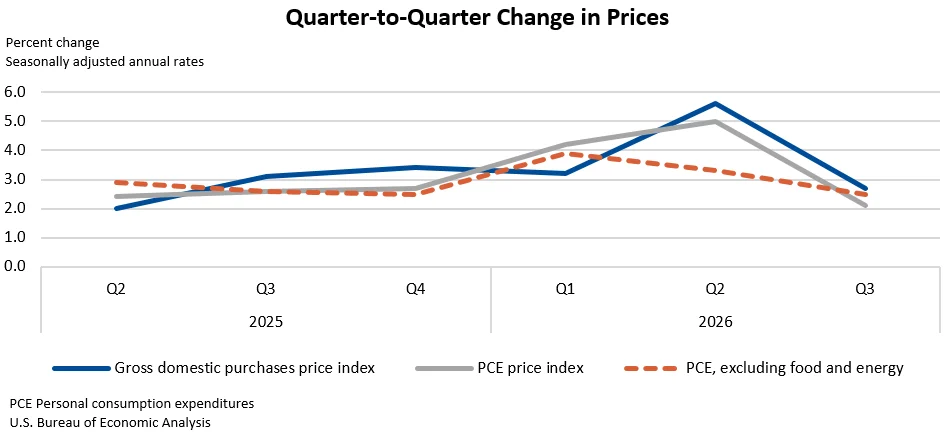
The ripple effect of these economic dynamics quickly translated into tangible burdens for American households. The general price increase of goods and services, commonly referred to as inflation, began to erode the purchasing power of the dollar, making the same paycheck cover less in terms of goods, services, and bills. This phenomenon is sometimes termed a "hidden tax," as it effectively leaves taxpayers less well-off without any explicit increase in tax rates.
By mid-2021 and into 2022, the impact of inflation became a dominant concern. Data from the Bureau of Labor Statistics revealed staggering price increases across key consumer categories. Gasoline prices, for instance, surged from a national average of around $2.17 per gallon in January 2021 to over $5.00 per gallon in June 2022, driven by a combination of increased demand, geopolitical events, and constrained global oil supply. Food prices also saw substantial hikes, with the Consumer Price Index for food at home rising by over 11% year-over-year in June 2022, impacting staples like meat, dairy, and produce. Housing costs, both rental and home ownership, accelerated rapidly, exacerbating affordability challenges, particularly in major metropolitan areas. Utilities, from electricity to natural gas, also saw significant upticks, adding to household budgetary strain.
While nominal wages did see increases during this period, often spurred by a tight labor market, these gains frequently failed to keep pace with the rate of inflation. Real wages, adjusted for inflation, effectively declined for many workers, meaning their take-home pay bought less than it did before. This erosion of purchasing power directly contradicted the economic security that many families sought.
Against this backdrop, public sentiment shifted dramatically. Polling data from August, as highlighted by Politico, revealed a significant public preference: Americans desired a reduction in their costs more than they sought additional government handouts or targeted tax carveouts. By a substantial 20-point margin, respondents indicated that they wanted the government to focus primarily on lowering overall costs rather than attempting to boost wages through interventionist policies. This finding underscores a fundamental desire for structural economic stability over temporary relief measures.
The political ramifications of these economic pressures were undeniable. The 2022 midterm elections served as a powerful referendum on the state of the economy and the policies enacted in the preceding years. While many factors contribute to election outcomes, inflation and the cost of living emerged as the top concern for voters, consistently overshadowing other issues. Voters, particularly independent and swing voters, expressed their frustration with rising prices, attributing much of the blame to the incumbent party’s economic agenda. This widespread discontent contributed significantly to the Democratic party experiencing a "significant setback," leading to Republicans securing a majority in the House of Representatives. This electoral shift was widely interpreted as a clear mandate for a change in fiscal direction, with voters explicitly rejecting policies perceived to contribute to unaffordability.
Policy Debates and Divergent Approaches to Affordability
The voter mandate to address affordability has ignited intense policy debates in Washington, highlighting fundamental disagreements between the two major parties on the optimal path forward. As newly elected members of the House and Senate prepare for legislative sessions, they face the immediate challenge of navigating these divergent philosophies, particularly with critical fiscal deadlines looming.
One perspective, often championed by Republicans and fiscally conservative organizations like the Tax Foundation, advocates for a shift away from what they term a "tax and spend agenda." Proponents of this view argue that excessive government spending, particularly when financed by increased borrowing or money creation, injects too much demand into the economy, fueling inflation. They contend that such policies can lead to "bracket creep," where inflation pushes individuals into higher tax brackets without a real increase in purchasing power, effectively increasing their tax burden. Their proposed solutions typically involve fiscal restraint, reducing government expenditures, controlling the national debt, and often advocating for tax cuts to stimulate supply-side growth and reduce the regulatory burden on businesses, which they believe will ultimately lower consumer prices.
In contrast, many Democrats and progressive economists often argue that targeted government spending is necessary to address societal needs, invest in infrastructure, bolster social safety nets, and stimulate long-term economic growth. They might contend that the inflation seen post-COVID was primarily a supply-side phenomenon, exacerbated by corporate profiteering, and that government investments can alleviate supply constraints over time (e.g., investing in port infrastructure or manufacturing capacity). While acknowledging the inflationary impact of some past policies, they often propose funding these initiatives through tax increases on corporations and high-income earners, arguing this approach ensures fairness and does not unduly burden middle- and lower-income families. They might also advocate for policies aimed at directly reducing costs for consumers, such as capping prescription drug prices or investing in renewable energy to lower utility bills.
A critical point of contention and a looming challenge for the next legislative session is the national debt ceiling. The debt ceiling is a statutory limit on the total amount of money the United States government can borrow to meet its existing legal obligations. Historically, it has been raised or suspended numerous times without major incident. However, with the current debt ceiling expiration on the horizon and Democrats’ continued list of spending priorities clashing with Republican demands for spending cuts, a political standoff is highly probable. Republicans in the House, emboldened by their electoral gains and the voter mandate for fiscal responsibility, are expected to leverage the debt ceiling debate to push for significant reductions in government spending. Democrats, conversely, will likely resist deep cuts to programs they deem essential, potentially leading to a prolonged negotiation. A failure to raise or suspend the debt ceiling could trigger a default on U.S. government obligations, an unprecedented event with potentially catastrophic global economic consequences, including soaring interest rates, a collapse in financial markets, and a severe recession.
Beyond these partisan divides, other policy approaches to affordability are also being discussed. Supply-side reforms, such as streamlining regulations to boost domestic production, investing in workforce development to address labor shortages, and modernizing infrastructure, are areas where bipartisan consensus might be found. Trade policies, too, play a role; tariffs, while sometimes intended to protect domestic industries, can increase the cost of imported goods, passing those costs onto consumers. Re-evaluating such policies in the context of persistent inflation is an ongoing consideration for policymakers. Energy policy remains crucial, with debates over increasing domestic oil and gas production versus accelerating the transition to renewable energy sources, each with different implications for short-term and long-term energy costs.
The Mandate for Newly Elected Officials and Future Challenges
The clear signal from the electorate regarding the cost of living presents a profound mandate for newly elected members of Congress. They cannot afford to ignore the widespread concern over affordability, as history has shown that neglecting this issue carries significant political consequences. The challenge lies in crafting sustainable, long-term solutions that address the root causes of inflation and cost escalation without stifling economic growth or undermining essential government functions.
The balancing act required is delicate. Policymakers must weigh the immediate need for price stability against the long-term goals of economic investment, social equity, and national competitiveness. Decisions made in the upcoming legislative sessions, particularly concerning federal spending, taxation, and the national debt, will have far-reaching implications for household budgets, business investment, and the overall trajectory of the U.S. economy.
Looking ahead, economic forecasts remain varied, with ongoing concerns about potential recession risks as the Federal Reserve continues to raise interest rates to combat inflation. The global economic environment, marked by geopolitical tensions and lingering supply chain fragilities, further complicates the picture. Addressing affordability will require a comprehensive approach that considers both demand-side management (through fiscal and monetary policy) and supply-side enhancements (through investments and regulatory reforms).
Ultimately, the enduring importance of affordability as a political and economic priority cannot be overstated. The public’s clear rejection of policies perceived as unaffordable serves as a powerful reminder that effective governance must translate into tangible improvements in the daily lives of citizens. The path forward demands thoughtful, data-driven policymaking focused on fostering a stable, prosperous economy where the value of a paycheck is secure, and the cost of living is within reach for all Americans.