Julia Chirkova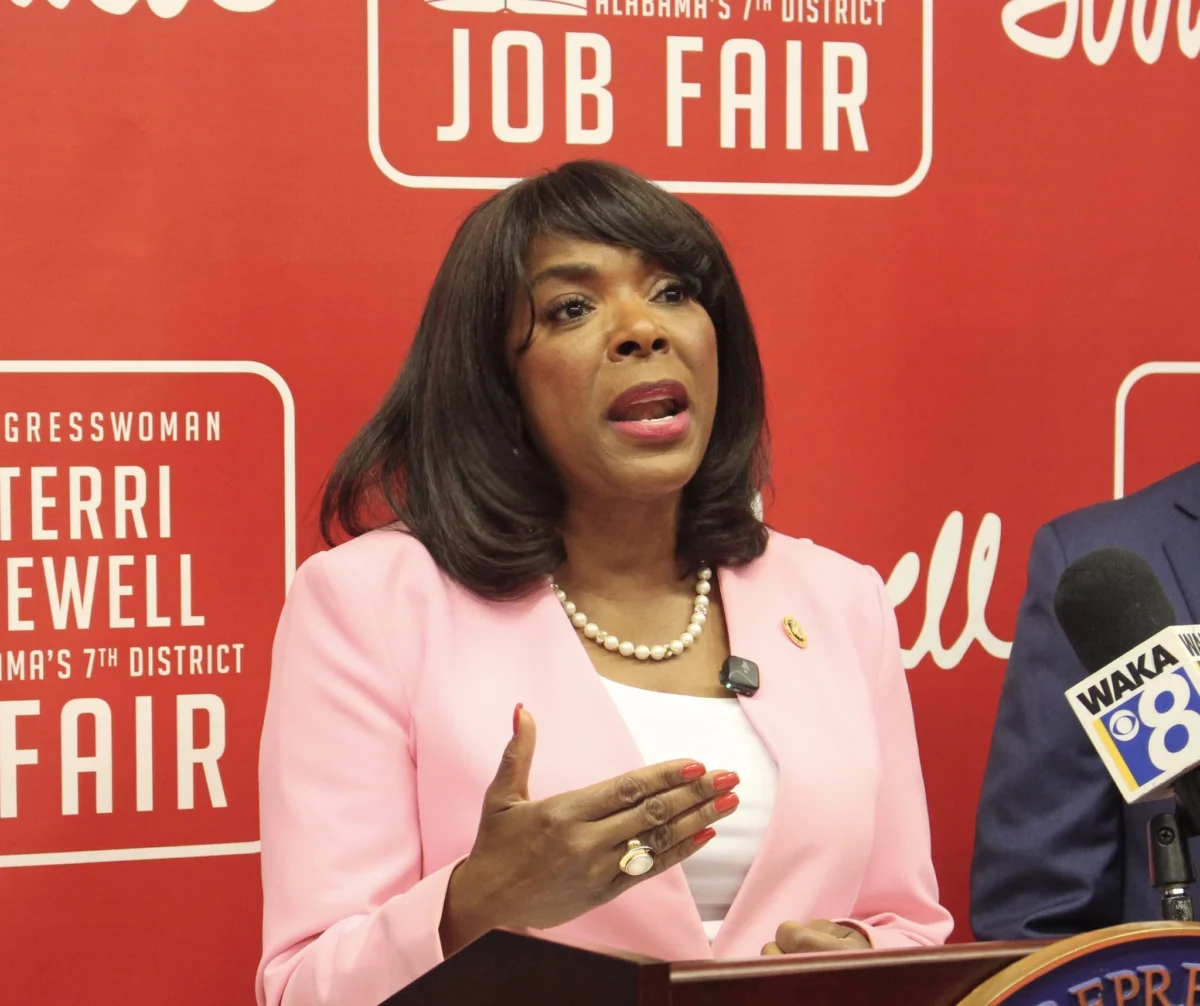
U.S. Representative Terri Sewell, a senior member of the House Ways and Means Committee and representative for Alabama’s 7th Congressional District, has introduced the "Protecting Student-Athletes from Unexpected Tax Liability Act." This legislative proposal aims to safeguard college athletes navigating the burgeoning Name, Image, and Likeness (NIL) landscape from unforeseen federal tax burdens and penalties. The bill seeks to implement a system of automatic tax withholding on NIL compensation, mirroring the process for traditional employment income.
The introduction of this legislation comes at a pivotal moment for college athletics, as the NIL era has fundamentally reshaped how student-athletes can monetize their talents. While this shift has opened up significant financial opportunities, it has also exposed a critical gap in financial literacy and tax preparedness among young athletes. Representative Sewell’s initiative underscores a growing recognition within Congress of the need to provide student-athletes with the tools and protections necessary to manage their newfound wealth responsibly.
"I am thrilled that college athletes are finally being compensated for the tremendous talent, hard work, and value they bring to their schools, communities, and sports," stated Representative Sewell in a press release. "But as the NIL landscape continues to evolve, too many young athletes are being asked to navigate complex tax obligations without the knowledge or resources they need." Sewell’s concern highlights the disparity between the earning potential of these athletes and their preparedness to handle the financial implications.
The proposed legislation would mandate that a portion of NIL compensation be automatically withheld for federal tax purposes. This approach is designed to function similarly to how taxes are withheld from a typical employee’s paycheck, ensuring that a portion of income is set aside to meet tax obligations throughout the year. This proactive measure aims to prevent the accumulation of large, unexpected tax bills and subsequent penalties that could arise from a lack of understanding or preparedness. Sewell emphasized that this legislation is a crucial step towards ensuring that student-athletes are protected from tax burdens that could have long-lasting consequences, extending well beyond their collegiate careers.
Background: The Evolution of NIL and Emerging Challenges
The landscape of collegiate athletics underwent a seismic shift in 2021 when the Supreme Court’s decision in NCAA v. Alston significantly curbed the National Collegiate Athletic Association’s (NCAA) authority to prohibit student-athletes from receiving payments related to their name, image, and likeness. This ruling paved the way for individual states to establish their own NIL policies, leading to a patchwork of regulations across the country. Consequently, student-athletes are now empowered to earn income through endorsements, sponsorships, and other business ventures without jeopardizing their eligibility to compete.
This newfound earning potential has transformed college sports into a multi-billion dollar industry where top athletes can secure lucrative deals. However, the rapid emergence of NIL opportunities outpaced the development of comprehensive educational resources for student-athletes regarding financial management and tax compliance. Many athletes, often eighteen to twenty-two years old, found themselves managing significant sums of money for the first time without prior financial education or guidance.
A Stark Illustration of Tax Pitfalls
The urgency for legislative action was underscored by testimony before the House Ways and Means Committee by Sam Acho, a nine-year NFL veteran and former Vice President of the NFL Players Association. Acho, who has been a vocal advocate for collegiate athlete welfare, presented a compelling case study illustrating the financial precariousness faced by some student-athletes.
Acho recounted the story of an eighteen-year-old college athlete who earned an impressive $750,000 in NIL income. Despite this substantial earnings, the athlete was left with just over $6,000 after facing a staggering tax bill of $320,000. This dire situation arose because the athlete was unaware of their tax obligations and failed to make the required estimated quarterly tax payments throughout the year. This example serves as a potent reminder of how quickly substantial earnings can be diminished by unaddressed tax liabilities, leaving young athletes in a vulnerable financial position.
During his testimony, Acho implored Congress to address this issue, specifically proposing automatic withholding as a viable solution. His insights provided a direct, real-world perspective on the challenges student-athletes are encountering, reinforcing Representative Sewell’s rationale for the "Protecting Student-Athletes from Unexpected Tax Liability Act."
Representative Sewell’s Commitment to Student-Athlete Welfare
Representative Sewell has demonstrated a consistent interest in the evolving dynamics of NIL. Her legislative efforts reflect a commitment to ensuring that the benefits of NIL are sustainable and do not inadvertently create financial hardship for the athletes themselves. Her district, encompassing Tuscaloosa and Birmingham, Alabama, is home to the University of Alabama, a prominent athletic institution, and also headquarters both the Southeastern Conference (SEC) and the Southwestern Athletic Conference (SWAC), placing her at the nexus of college sports discussions.
In a significant move earlier in 2024, Sewell hosted a panel discussion that featured former legendary Alabama Crimson Tide Coach Nick Saban. This event provided a platform for Saban to share his perspectives on NIL and its profound impact on college football, further highlighting the legislative and policy discussions surrounding this critical issue in Congress. The engagement with high-profile figures like Saban signals the breadth of Sewell’s efforts to understand and address the multifaceted implications of NIL.
"I have heard troubling stories of student-athletes who were unaware of their tax obligations and later found themselves facing significant tax bills and penalties from the IRS after much of their NIL income had already been spent," Representative Sewell stated. "No young person should be blindsided by an unexpected tax liability simply because they did not understand the complex rules that came with their newfound income." This statement underscores the compassionate and protective intent behind her proposed legislation.
Key Provisions and Potential Implications of the Act
The "Protecting Student-Athletes from Unexpected Tax Liability Act" proposes a straightforward yet impactful mechanism: mandatory tax withholding. This would involve a percentage of each NIL payment being directly remitted to the federal government, effectively pre-paying a portion of the athlete’s annual tax liability.
Potential Benefits of Automatic Withholding:
- Reduced Tax Penalties: By ensuring timely tax payments, the act would help athletes avoid penalties and interest charges imposed by the IRS for underpayment.
- Improved Financial Planning: Automatic withholding encourages a more consistent approach to financial management, helping athletes to budget and plan for their tax obligations.
- Enhanced Financial Literacy: While not a direct educational program, the act could serve as a catalyst for athletes and their support systems to seek out financial and tax advice, thereby fostering greater financial literacy.
- Leveling the Playing Field: This measure could provide a more equitable financial experience for all student-athletes, regardless of their access to sophisticated financial advisors.
Considerations and Broader Impact:
The successful implementation of this act will likely require collaboration between collegiate athletic departments, NIL collectives, payment processors, and the IRS. Clear guidelines and transparent reporting will be essential to ensure compliance and prevent confusion.
The legislation also raises broader questions about the role of educational institutions and governing bodies in preparing student-athletes for the financial realities of professional life, both within and beyond sports. As NIL continues to evolve, there may be a growing need for standardized financial education programs integrated into collegiate athletic departments.
Furthermore, the act could serve as a precedent for how Congress addresses the unique financial circumstances of other emerging income streams for young individuals, particularly those who enter lucrative professions at a young age with limited financial experience.
The introduction of the "Protecting Student-Athletes from Unexpected Tax Liability Act" represents a proactive and necessary step in adapting to the evolving landscape of college athletics. By addressing the critical issue of tax liability, Representative Sewell’s legislation aims to ensure that student-athletes can fully benefit from their NIL opportunities without facing debilitating financial repercussions, allowing them to focus on their athletic pursuits and future endeavors. This initiative reflects a growing bipartisan understanding of the need to support and protect student-athletes as they navigate the complexities of modern collegiate sports and its economic implications.