admin
admin
The lawn care industry, characterized by its rapid seasonal growth and mobile workforce, presents a unique set of payroll management challenges that demand careful attention from business owners. While the burgeoning demand for professional landscaping services can see businesses rapidly expand their operations from a handful of yards to a full roster requiring multiple crews, this growth simultaneously introduces complex administrative responsibilities, chief among them being the meticulous execution of payroll. Unlike a conventional office or retail environment, the inherent variability of seasonal hiring, extended summer workweeks, and the dynamic deployment of crews across multiple job sites add layers of intricacy to payroll processing, often tripping up even seasoned entrepreneurs. Navigating these specific regulatory and operational hurdles efficiently is crucial for ensuring compliance, maintaining profitability, and fostering a stable, satisfied workforce.
The professional landscaping services market in the United States alone is a significant economic force, valued at over $100 billion annually and projected to continue its steady growth. This robust demand fuels the seasonal hiring spree many lawn care businesses experience each spring, as they scale up operations to meet the influx of clients seeking lawn mowing, fertilization, pest control, and garden maintenance. However, this period of intense activity, while lucrative, also marks the onset of heightened payroll complexities. Business owners must swiftly transition from managing a small, perhaps owner-operated, venture to overseeing a team of employees, each requiring accurate wage calculations, tax withholdings, and timely payments. The administrative burden can quickly become overwhelming, potentially diverting valuable time and resources away from core business operations and client service. This article aims to elucidate the specific payroll rules and considerations that frequently challenge lawn care operators, demonstrating how modern payroll software solutions can significantly alleviate these burdens, enabling business owners to focus on what they do best: cultivating beautiful outdoor spaces.
The Distinctive Nature of Lawn Care Payroll Operations
At its core, payroll for any business involves calculating gross wages, deducting appropriate taxes and withholdings, distributing payments to employees, and filing the necessary governmental forms. However, the lawn care sector diverges significantly from many other industries due to several key characteristics that shape its operational and compliance landscape.
- Profound Seasonal Demand Fluctuations: The industry’s operational rhythm is heavily dictated by weather patterns and seasonal changes. Peak demand typically spans from early spring through late fall, leading to periods of intense hiring to meet client schedules. Conversely, the off-season often necessitates reduced hours or temporary layoffs, creating a dynamic workforce environment. This seasonality demands a payroll system capable of easily and compliantly adding and removing employees, managing varying work hours, and adapting to fluctuating payroll liabilities.
- Highly Mobile Workforce Dynamics: Lawn care crews are inherently mobile, operating independently across various job sites throughout a workday. This decentralized work environment makes traditional, static time-tracking methods challenging. Accurate tracking of hours, especially crucial for calculating overtime and ensuring accountability, requires innovative solutions that can accommodate employees moving between locations.
- Physically Demanding and Hazard-Prone Work: The nature of lawn care involves strenuous physical activity, prolonged exposure to outdoor elements, and the frequent operation of potentially dangerous machinery such as mowers, trimmers, and blowers. This elevates the industry’s risk profile, underscoring the critical importance of robust workers’ compensation insurance, stringent safety protocols, and clear understanding of injury reporting procedures.
- Diverse Service Offerings and Specialized Labor: While core services revolve around routine lawn maintenance, many businesses diversify into related areas such as tree trimming, irrigation system installation, pest control, and hardscaping. These expanded offerings may necessitate engaging specialized contractors or utilizing different pay structures for various tasks, adding another layer of complexity to payroll and worker classification decisions.
These intrinsic elements combine to create a payroll environment that demands not only rigorous adherence to federal and state labor laws but also a nuanced understanding of industry-specific operational realities.
Navigating Key Payroll Considerations for Lawn Care Businesses
For lawn care entrepreneurs, understanding and implementing several critical payroll-related practices is paramount to ensure legal compliance, mitigate risks, and optimize operational efficiency. These considerations span the entire employment lifecycle, from initial hiring to ongoing compensation and benefits administration.
1. Strategic Hiring to Meet Demand and Compliance Requirements
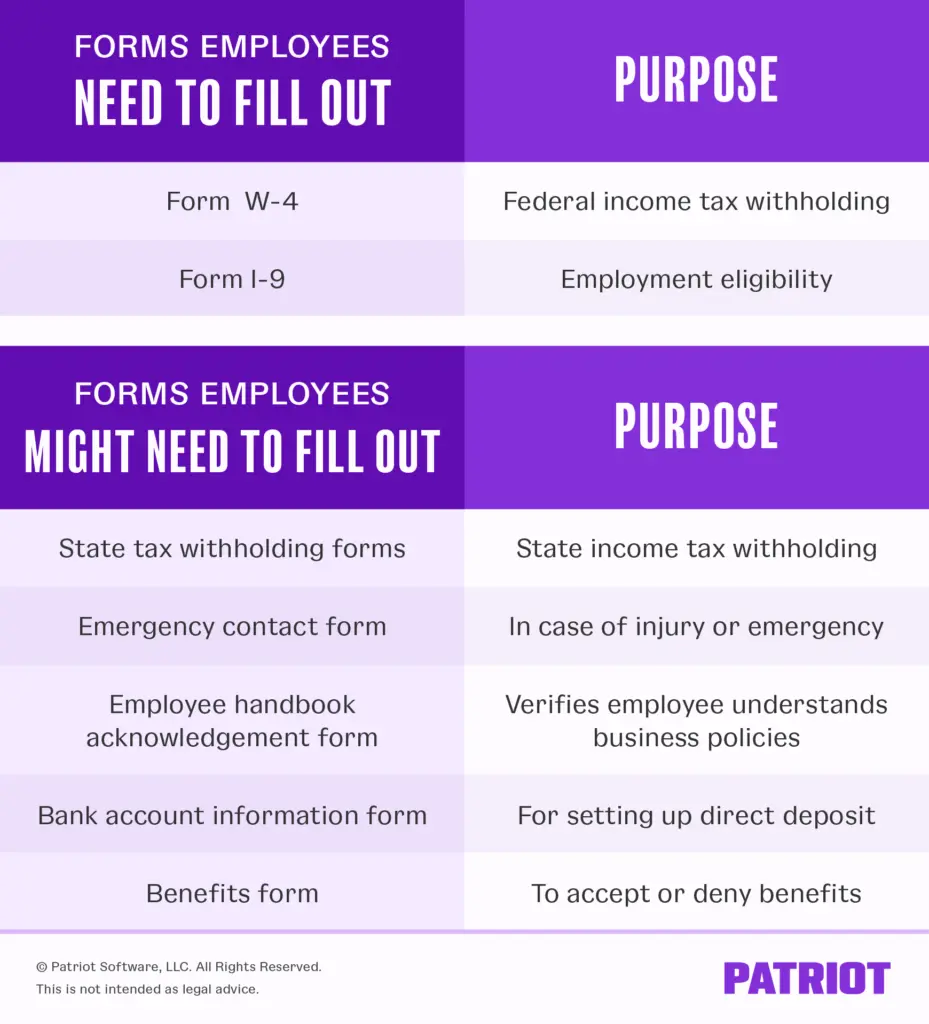
The rapid ramp-up in demand during spring and summer often necessitates swift hiring cycles. This process, while urgent, must adhere strictly to federal and state regulations to avoid future penalties. Upon hiring new employees, businesses are required to complete several crucial steps:
- Collect Forms I-9 and W-4: Form I-9, Employment Eligibility Verification, is mandatory for all new hires to verify their identity and authorization to work in the United States. This form requires specific documentation to be presented and verified by the employer. Form W-4, Employee’s Withholding Certificate, allows employees to indicate their tax withholding preferences, guiding the employer on how much federal income tax to deduct from their wages. Employers must also check for any state-specific W-4 forms or equivalent requirements. It is crucial to complete these accurately and maintain them securely on file. For employees rehired within three years of their original hire date, employers can often update the original Form I-9 rather than initiating a new one, which streamlines administrative effort.
- Report New Hires to the State: Federal law mandates that employers report all new hires to state agencies within 20 days of their hire date. This requirement serves multiple critical functions, including aiding in child support enforcement and detecting unemployment insurance fraud. Individual states may impose even shorter reporting deadlines, making timely submission essential.
- Onboard Employees to Payroll System: Once all necessary paperwork is collected and verified, employees must be formally integrated into the payroll system. This involves inputting their personal details, established pay rate, chosen pay schedule (e.g., weekly, bi-weekly), and any authorized deductions for benefits or other programs.
Furthermore, lawn care businesses frequently engage independent contractors for specialized tasks such as certified pesticide application, extensive tree removal, or complex hardscaping projects. For these 1099 contractors, a Form W-9 (Request for Taxpayer Identification Number and Certification) is collected instead of a W-4. Crucially, payments to contractors are not subject to payroll tax withholdings or employer-provided benefits. However, businesses must report payments exceeding $600 to a contractor in a calendar year using Form 1099-NEC (Nonemployee Compensation). Many modern payroll software platforms offer functionalities to manage and pay contractors alongside regular employees, simplifying financial oversight. The critical distinction between an employee and an independent contractor is a frequent area of government scrutiny and is detailed further below, as misclassification carries significant penalties.
2. Meticulous Planning and Calculation of Overtime Pay
The intensive work schedules characteristic of peak lawn care season mean that employees frequently exceed 40 hours in a standard workweek. Under the Fair Labor Standards Act (FLSA), nonexempt employees must be paid at least 1.5 times their regular rate of pay for all hours worked over 40 in a workweek. The vast majority of lawn care crew members are classified as nonexempt and are therefore legally entitled to overtime pay.
To illustrate, consider a scenario where a crew member earns $20 per hour and works 48 hours in a single week. Their pay calculation would be as follows:
- Regular Pay: 40 hours × $20/hour = $800
- Overtime Pay: 8 hours × ($20/hour × 1.5) = 8 hours × $30/hour = $240
- Gross Pay for the Week: $800 + $240 = $1,040
It is vital for businesses to implement robust time-tracking mechanisms that automatically and accurately apply overtime rules. Furthermore, employers must be acutely aware that several states have stricter overtime regulations than the federal standard. For instance, California mandates overtime pay for hours worked over eight in a workday, and in some cases, for hours worked on the seventh consecutive day of work. Ignoring these state-specific nuances can lead to substantial fines, back pay liabilities, and costly legal disputes. Robust time-tracking systems, particularly those integrated with payroll software, are indispensable for accurate overtime calculations and ensuring full compliance across all jurisdictions.
3. Deciding on an Appropriate and Compliant Pay Rate Structure
Lawn care businesses have flexibility in how they compensate their crew members, typically choosing between hourly wages, salaries, or piecework pay. Each method has its distinct advantages and compliance considerations:
- Hourly Pay: This is the most prevalent and straightforward method, where employees are paid a set rate for each hour worked. It simplifies the calculation of regular and overtime wages and ensures clear adherence to minimum wage laws. The primary requirement is accurate time tracking.
- Salary Pay: A fixed amount is paid each pay period, irrespective of the precise number of hours worked. Salaried employees may be exempt from overtime regulations if they meet specific "duties tests" (e.g., executive, administrative, professional) and earn above a certain federal and state mandated salary threshold. However, most field-level lawn care workers performing manual labor would not qualify for salary exemption and would still be entitled to overtime, making hourly pay a more practical and compliant choice for the majority of the workforce.
- Piecework Pay (Per Yard/Job): This method involves paying a predetermined amount for each specific job completed (e.g., per lawn mowed, per bush trimmed). While it can effectively incentivize efficiency and productivity, it introduces complexities regarding minimum wage and overtime compliance. Employers must rigorously ensure that the piece rate effectively translates to at least the federal and state minimum wage for all hours worked. Crucially, overtime must still be calculated and paid for hours exceeding 40 in a week, even for piecework employees. This often necessitates tracking actual hours worked in addition to units completed to ensure full legal compliance.
The choice of pay method should align with the business’s operational model and financial strategy, always prioritizing compliance with all applicable wage and hour laws to avoid legal complications.
4. Correct Worker Classification: Employee vs. Independent Contractor
One of the most critical decisions a lawn care business owner makes when bringing on additional help is accurately determining whether an individual is an employee or an independent contractor. Misclassification is a significant area of enforcement for both the IRS and the Department of Labor, often resulting in severe penalties, demands for back taxes, and accrued interest.
Employees are individuals integrated into the business’s payroll, for whom the employer withholds taxes (federal, state, FICA) and typically provides benefits (e.g., health insurance,