Julia Chirkova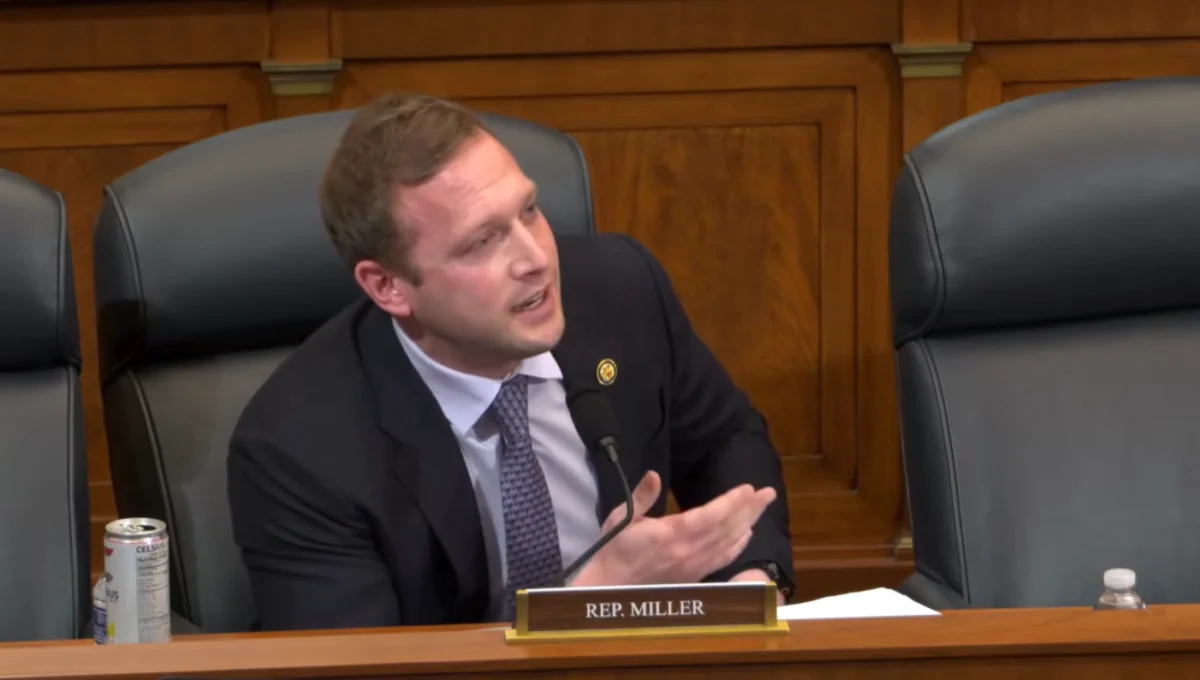
Americans who fall victim to financial fraud and scams may soon find some relief at tax time, as a bipartisan bill championed by U.S. Representative Max Miller (R-Bay Village) overwhelmingly passed the House of Representatives on Tuesday. The legislation, titled the Tax Relief for Fraud Victims Act, aims to significantly alter the current tax code to provide a much-needed lifeline to individuals who have lost money through fraudulent schemes. The bill, which was adopted by a resounding 408 to 17 vote, now heads to the U.S. Senate for consideration.
This landmark legislation seeks to repeal a key provision that currently restricts the personal casualty loss deduction, limiting it exclusively to losses incurred from federally or state-declared disasters. Representative Miller, a Republican representing Ohio’s 7th Congressional District, has been a vocal advocate for this change, emphasizing the devastating financial and emotional toll that fraud takes on its victims.
"Americans who fall victim to fraud have already suffered enough," Representative Miller stated in a press release following the vote. "The last thing they need is for the federal government to tax money that was stolen from them." This sentiment underscores the core principle behind the bill: that victims of criminal acts should not be penalized further through their tax obligations on funds they were coerced or tricked into surrendering.
Key Provisions of the Tax Relief for Fraud Victims Act
The Tax Relief for Fraud Victims Act introduces several critical changes designed to provide comprehensive relief to fraud victims. Beyond simply allowing a deduction for stolen funds, the bill offers flexibility in how and when victims can claim these losses.
One significant amendment allows fraud victims to choose to claim the theft loss deduction in the year the theft occurred, rather than being restricted to the year in which the loss was discovered. This provision is crucial for individuals who may not realize they have been defrauded until a considerable time has passed, potentially after the tax year in which the crime took place.
Furthermore, the bill extends the deadline for filing a refund claim tied to such deductions. Victims will now have at least one year from the date they discover the loss to file for a refund, providing a more realistic timeframe for recovery and resolution. The legislation also seeks to remove certain caps that may currently limit the amount of refund a victim can claim, ensuring that the full extent of their financial recovery is recognized.
Addressing Retirement Account Withdrawals and Early Penalties
A particularly impactful aspect of the proposed legislation addresses the difficult choices fraud victims sometimes face when trying to recoup their losses. For those who have been defrauded and subsequently withdraw funds from their retirement accounts to cover immediate expenses or attempt to mitigate further damage, the bill proposes to waive the 10% early withdrawal penalty. This penalty, typically levied on early distributions from retirement plans, can significantly exacerbate the financial hardship already faced by victims.
Additionally, the Tax Relief for Fraud Victims Act grants victims a grace period of one year from the date they discover the theft to repay any money withdrawn from retirement accounts without incurring tax consequences. This provision aims to alleviate the pressure on victims to make immediate financial decisions under duress, allowing them a reasonable period to re-evaluate their financial situation and make more informed choices about how to manage their recovered or replaced funds.
A Bipartisan Effort with Strong Committee Support
The path to the House floor for the Tax Relief for Fraud Victims Act was paved with bipartisan collaboration. Representative Miller introduced the legislation alongside Democratic Representative Tom Suozzi of New York. The bill received further endorsement from the House Ways and Means Committee, which approved it on July 2nd.
Chairman of the House Ways and Means Committee, Representative Jason Smith (R-Missouri), expressed strong support for the bill, highlighting the necessity of providing comprehensive relief to those targeted by fraudsters. In a statement, Chairman Smith emphasized that taxpayers recovering from victimization "need all the relief they can get." He lauded Representative Miller’s dedication to ensuring that victims receive the support they require, stating, "His focus on ensuring taxpayers get the relief they need is commendable."
Chairman Smith further elaborated on the historical context of tax relief for victims, noting, "Historically, the IRS has helped grant some of that relief by giving individuals the ability to deduct their losses, so their tax liability better reflects their personal financial reality. Unfortunately, current law imposes restrictions on what qualifies as a loss and needlessly harms fraud victims who are simply trying to rebuild their finances." This statement points to a perceived inconsistency in current tax law that the new bill seeks to rectify by broadening the scope of deductible losses to include those stemming from fraud.
The Broader Landscape of Fraud and its Impact
The passage of this bill comes at a time when financial fraud and scams continue to pose a significant threat to Americans’ financial security. According to data from the Federal Trade Commission (FTC), U.S. consumers reported losing over $8.8 billion to fraud in 2023. This figure represents a substantial increase from previous years, underscoring the growing sophistication and prevalence of fraudulent schemes. The most commonly reported types of fraud include identity theft, impostor scams, and online shopping scams, with telephone and internet-based scams being particularly prevalent.
The economic impact of fraud extends beyond the direct financial losses. Victims often experience significant emotional distress, including anxiety, depression, and a loss of trust. The time and effort required to resolve fraudulent transactions, recover stolen identities, and navigate the legal and financial aftermath can be overwhelming, further compounding the hardship.
The current tax code’s limitations on deducting losses from fraud can exacerbate these financial burdens. Without the ability to offset their taxable income with the money they have lost to criminals, victims may face higher tax bills, further diminishing their financial recovery. The Tax Relief for Fraud Victims Act directly addresses this issue by aligning tax policy with the reality of financial victimization.
Implications and Future Considerations
The Tax Relief for Fraud Victims Act, if enacted into law, would represent a significant shift in how the U.S. tax system addresses the financial consequences of fraud. By making it easier for victims to deduct their losses and providing greater flexibility in claiming these deductions, the bill aims to provide tangible financial relief and support the rebuilding of lives and finances.
The legislative journey of this bill is not yet complete. Its passage in the House is a critical step, but it must now secure approval from the U.S. Senate. The strong bipartisan vote in the House suggests a favorable reception, but the Senate’s legislative agenda and priorities will ultimately determine its fate. Should it pass the Senate and be signed into law by the President, the Tax Relief for Fraud Victims Act would offer a much-needed measure of support to millions of Americans who have been victimized by financial fraud.
The bill’s passage also highlights a growing recognition among lawmakers of the need to adapt tax policies to address evolving forms of financial crime. As fraudsters become more sophisticated, so too must the legislative and regulatory frameworks designed to protect citizens. The success of this bipartisan initiative could pave the way for further legislative efforts to combat fraud and support victims.
Context of Representative Miller’s Re-election Campaign
The passage of the Tax Relief for Fraud Victims Act marks a significant legislative accomplishment for Representative Max Miller as he campaigns for re-election in Ohio’s 7th Congressional District. This vote provides him with a tangible legislative win to present to his constituents.
Representative Miller is facing a competitive race against Democratic challenger Brian Poindexter. The election is considered a "toss-up" by both Cook Political Report and Sabato’s Crystal Ball. The congressman has been actively highlighting federal funding he has secured for his district and his strong support for Ukraine as key reasons for voters to support his re-election. He has also been navigating domestic violence allegations from his ex-wife, Emily Moreno, which have prompted an investigation by the House Ethics Committee and calls from some fellow Republicans for him to withdraw from the race. Miller has denied these allegations. The passage of this bill, therefore, offers a positive legislative achievement that can be leveraged in his campaign narrative, potentially appealing to a broad range of voters concerned about financial security and consumer protection.
The legislative process, from introduction to committee approval and floor vote, showcases the collaborative efforts required to bring impactful legislation to fruition. The Tax Relief for Fraud Victims Act, with its clear intent to alleviate the financial burdens of fraud victims, is poised to become a significant piece of legislation if it successfully navigates the remaining legislative hurdles.