admin
admin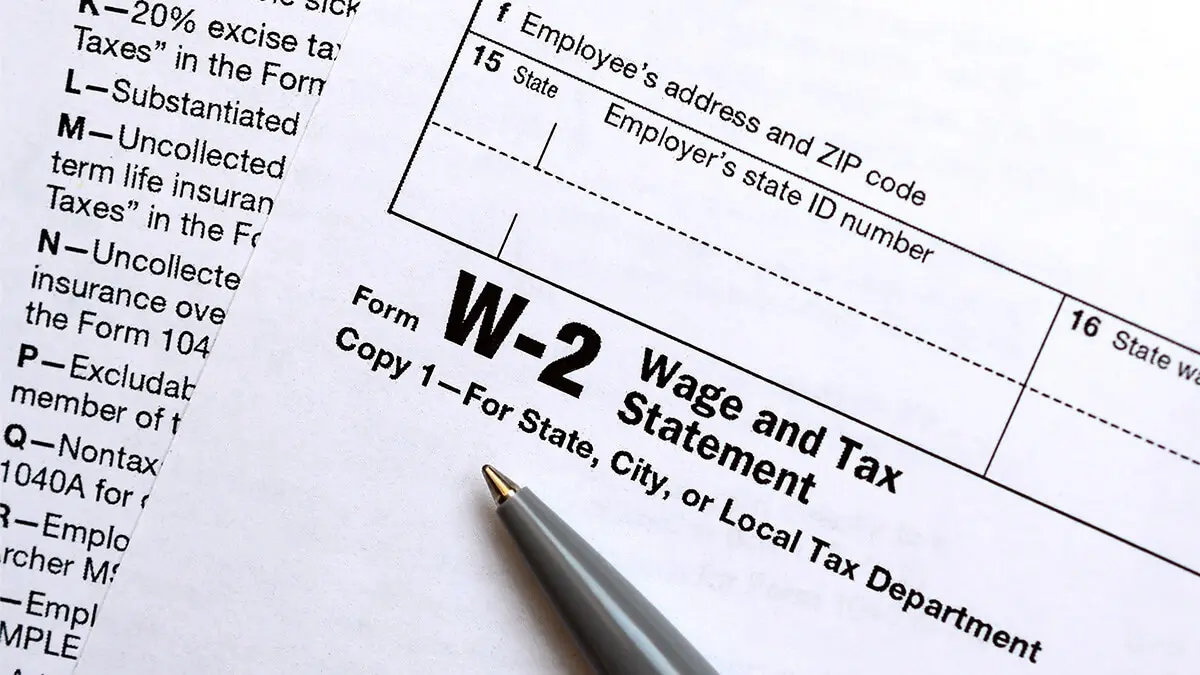
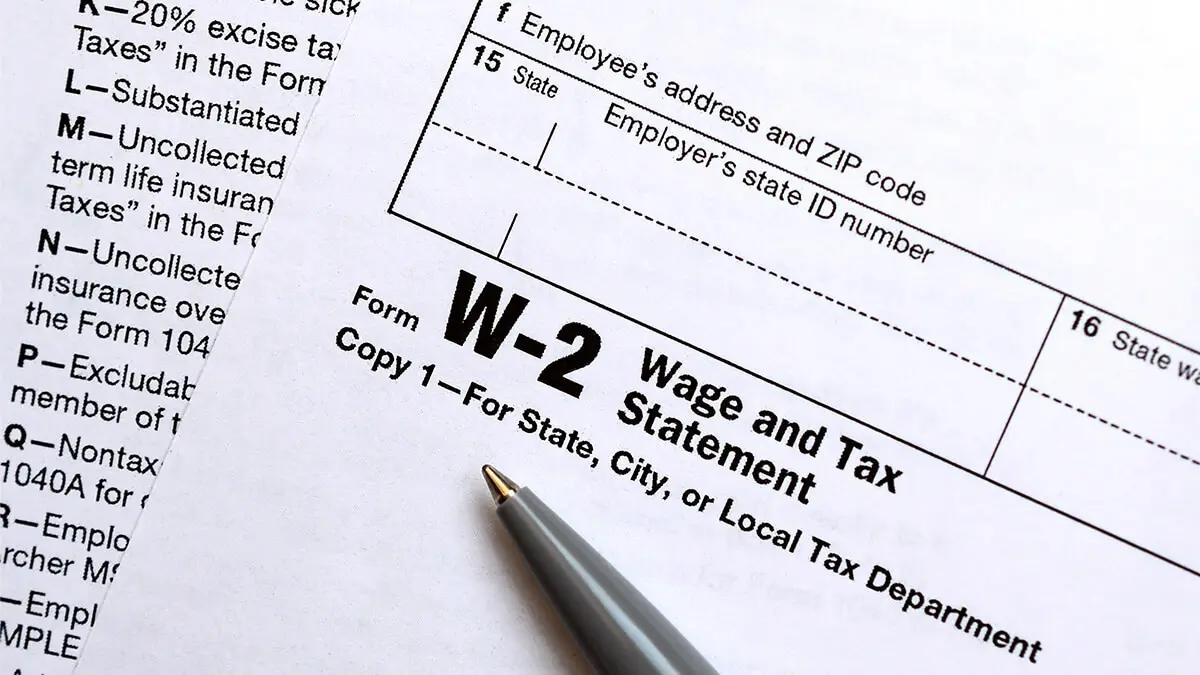
Each year, employers are mandated to file Form W-2, Wage and Tax Statement, for their employees, a critical document for both individual taxpayers and the Internal Revenue Service (IRS). A particularly intricate section of this form is Box 12, which serves as a vital conduit for reporting various types of compensation, benefits, and deferred arrangements that are not captured in the primary wage boxes (Boxes 1, 3, and 5). Understanding and accurately applying Form W-2 Box 12 codes is paramount for employers to ensure compliance with federal tax regulations, avoid penalties, and provide employees with correct information for their personal tax filings. This section, often overlooked in its complexity, currently encompasses 26 distinct codes, ranging from life insurance coverage values to employer contributions for adoption expenses, each carrying specific reporting requirements and tax implications.
Understanding the Anatomy of Form W-2 Box 12
Form W-2 is designed for clarity, yet its nuances require careful attention. Box 12, specifically, is structured to accommodate multiple types of information. It is divided into four distinct parts: 12a, 12b, 12c, and 12d. This multi-part design allows an employer to report up to four different codes and their corresponding amounts on a single Form W-2. The practical implication is significant: if an employee has more than four items requiring Box 12 reporting, the employer must issue an additional Form W-2 to capture all necessary data. This requirement underscores the IRS’s demand for comprehensive and segregated reporting of specific compensation and benefit categories.
Visually, Box 12 on the Form W-2 presents each sub-box (12a-d) with a vertical line. The designated code is entered on the left side of this line, followed by the precise dollar amount on the right. For instance, if an employee has contributed $1,200.00 to a 401(k) retirement plan through elective deferrals, the employer would accurately record this as "D | 1200.00" within one of the Box 12 sections. This standardized format ensures that the IRS and the employee can readily identify the nature and value of the reported item. The IRS provides detailed instructions and examples for accurately completing Form W-2, including the intricacies of Box 12, within its annual "General Instructions for Forms W-2 and W-3." These instructions serve as the authoritative guide for employers navigating their reporting responsibilities.
Navigating the Labyrinth of Box 12 Codes: A Comprehensive Guide
The 26 available codes in Box 12 are categorized to cover a broad spectrum of employee compensation and benefits. Each code is designed to capture specific financial transactions that may have unique tax treatments or reporting requirements.
Section 1: Uncollected Taxes and Taxable Benefits (A, B, C, M, N)
- Code A: Uncollected Social Security or RRTA tax on tips. This code is used when an employer has not collected Social Security tax or Railroad Retirement Tax Act (RRTA) tax on an employee’s reported tips. The amount entered here represents the employer’s uncollected portion. This typically arises when an employee’s tips, combined with regular wages, exceed the available funds for withholding during the payroll period. Employers are responsible for withholding these taxes, and uncollected amounts are reported for the employee to account for them on their personal tax return.
- Code B: Uncollected Medicare tax or RRTA tax on tips. Similar to Code A, this code applies when Medicare tax or RRTA tax on an employee’s tips could not be collected by the employer. The significance here lies in ensuring all due taxes are acknowledged, even if not withheld at source.
- Code C: Taxable cost of group-term life insurance over $50,000. When an employer provides group-term life insurance coverage exceeding $50,000, the cost of the coverage above this threshold is considered a taxable fringe benefit. This amount must be reported in Box 12 with Code C and is also included in Boxes 1, 3, and 5 as part of the employee’s taxable wages. The method for calculating this taxable cost is detailed in IRS Publication 15-B, "Employer’s Tax Guide to Fringe Benefits," and depends on the employee’s age and the amount of coverage. This reporting ensures that employees are taxed on the economic benefit of the excess insurance.
- Code M: Uncollected Social Security or RRTA tax on taxable cost of group-term life insurance over $50,000 (former employees only). This specific code addresses situations where an employer could not collect Social Security or RRTA tax from former employees on the taxable cost of group-term life insurance exceeding $50,000. The distinction for former employees is crucial, as the mechanisms for tax collection differ significantly once an individual is no longer on the active payroll.
- Code N: Uncollected Medicare tax on taxable cost of group-term life insurance over $50,000 (but not Additional Medicare Tax; for former employees only). Analogous to Code M, Code N reports uncollected Medicare tax (excluding the Additional Medicare Tax) on the taxable cost of group-term life insurance over $50,000 for former employees. These codes highlight the enduring tax obligations related to certain benefits, even after the employment relationship has ended.
Section 2: Retirement Savings and Deferred Compensation (D, E, F, G, H, S, Y, Z, AA, BB, EE)
This is a heavily utilized section of Box 12, reflecting the diverse landscape of employer-sponsored retirement and deferred compensation plans.
- Code D: Elective deferrals under a section 401(k) cash or deferred arrangement plan (including a SIMPLE 401(k) arrangement). This code reports an employee’s pre-tax contributions to a 401(k) plan, a cornerstone of employer-sponsored retirement savings in the private sector. These deferrals reduce the employee’s taxable income in Box 1. Employers must also check the "Retirement plan" box in Box 13 to indicate participation.
- Code E: Elective deferrals under a section 403(b) salary reduction agreement. Similar to 401(k)s, 403(b) plans are retirement savings vehicles, but they are typically offered by public schools and certain tax-exempt organizations. Code E reports elective deferrals to these plans, which also reduce current taxable income. The "Retirement plan" box in Box 13 must also be checked.
- Code F: Elective deferrals under a section 408(k)(6) salary reduction agreement (SEP plans). This code is for elective deferrals made to a Simplified Employee Pension (SEP) plan, specifically those under a salary reduction agreement. SEP IRAs are simpler, less costly retirement plans typically used by small businesses and self-employed individuals.
- Code G: Elective deferrals and employer contributions (including nonelective deferrals) to a section 457(b) deferred compensation plan. Section 457(b) plans are deferred compensation plans available to employees of state and local governments and certain tax-exempt organizations. Code G includes both employee elective deferrals and employer contributions (including "nonelective" contributions, which are employer contributions not subject to employee choice).
- Code H: Elective deferrals to a section 501(c)(18)(D) tax-exempt organization plan. This less common code pertains to elective deferrals to specific tax-exempt organization plans established before June 25, 1959. These plans have unique historical tax treatments, and the amounts are also included in Box 1.
- Code S: Employee salary reduction contributions under a section 408(p) SIMPLE plan. A Savings Incentive Match Plan for Employees (SIMPLE) IRA is another retirement plan option for small businesses. Code S reports employee salary reduction contributions. These amounts are included in Boxes 3 and 5 (Social Security and Medicare wages) but are excluded from Box 1. The "Retirement plan" box in Box 13 must be checked.
- Code Y: Deferrals under a Section 409A nonqualified deferred compensation plan. This code reports amounts deferred under a nonqualified deferred compensation (NQDC) plan. NQDC plans allow highly compensated employees to defer income beyond qualified plan limits. Code Y reports the total deferrals, regardless of whether they are currently includible in income.
- Code Z: Income under a nonqualified deferred compensation plan that fails to satisfy Section 409A. This is a critical and punitive code. If an NQDC plan fails to meet the stringent requirements of Section 409A of the Internal Revenue Code, the deferred income becomes immediately taxable to the employee. Furthermore, a 20% additional tax, plus interest, is levied on the amount reported under Code Z on the employee’s Form 1040. This code highlights the severe consequences of non-compliance with NQDC regulations.
- Code AA: Designated Roth contributions under a section 401(k) plan. Roth 401(k) plans allow employees to make after-tax contributions that grow tax-free and are withdrawn tax-free in retirement, provided certain conditions are met. Code AA reports these designated Roth contributions. The "Retirement plan" box in Box 13 must be checked.
- Code BB: Designated Roth contributions under a section 403(b) plan. Similar to Roth 401(k)s, Roth 403(b) plans allow after-tax contributions for employees of public schools and certain tax-exempt organizations. Code BB reports these contributions, and the "Retirement plan" box in Box 13 must be checked.
- Code EE: Designated Roth contributions under a governmental section 457(b) plan. This code reports after-tax Roth contributions made to a governmental 457(b) plan. These amounts are included in Boxes 1, 3, and 5, as they are after-tax contributions for income tax purposes.
Section 3: Specialized Compensation and Exclusions (J, K, L, P, Q, R, T, V, W)
This category captures a diverse array of items, from sick pay to stock options and specific military benefits.
- Code J: Nontaxable sick pay. This code reports sick pay paid by a third party (e.g., an insurance company) that is not includible in income and not shown in Boxes 1, 3, and 5, because the employee contributed to the sick pay plan. It distinguishes between employer-paid taxable sick pay and employee-funded nontaxable sick pay.
- Code K: 20% excise tax on excess golden parachute payments. Golden parachute payments are substantial compensation packages often provided to executives upon a change in company ownership or control. If these payments exceed certain statutory limits, an additional 20% excise tax is imposed on the excess amount. Code K reports this excise tax, reflecting the penalty for excessive severance in certain corporate transactions.
- Code L: Substantiated employee business expense reimbursements. This code reports nontaxable reimbursements made to employees for business expenses under an "accountable plan." An accountable plan requires employees to substantiate expenses and return any excess reimbursement. Taxable portions of reimbursements, under non-accountable plans, are reported in Boxes 1, 3, and 5. The IRS provides detailed guidance on accountable plans to prevent abuse of business expense deductions.
- Code P: Excludable moving expense reimbursements paid directly to members of the Armed Forces. Prior to the Tax Cuts and Jobs Act of 2017, moving expenses were generally excludable from income. Currently, this exclusion is highly restricted and applies almost exclusively to active members of the Armed Forces who move due to a military order and permanent change of station. Code P reports these specific nontaxable reimbursements.
- Code Q: Nontaxable combat pay. This code is exclusively for military personnel, reporting combat zone compensation that is excludable from gross income under Section 112 of the Internal Revenue Code. This benefit acknowledges the unique service of military members in designated combat zones.
- Code R: Employer contributions to an Archer Medical Savings Account (MSA). Archer MSAs were a precursor to Health Savings Accounts (HSAs) and are now generally limited to individuals who were already participating in an Archer MSA before 2007. Employers contributing to an employee’s Archer MSA report these amounts with Code R. Any amounts not excluded from the employee’s gross pay are also included in Boxes 1, 3, and 5.
- Code T: Adoption benefits. This code reports the total amount of qualified adoption expenses paid or reimbursed by an employer, including amounts contributed by an employee through a Section 125 adoption plan. These benefits are generally excludable from the employee’s income up to a certain annual limit (which is adjusted for inflation each year). The total amount is also included in Boxes 3 and 5.
- Code V: Income from exercise of nonstatutory stock option(s). Nonstatutory stock options (NSOs) are a common form of equity compensation. When an employee exercises an NSO, the difference between the fair market value of the stock on the exercise date and the price the employee paid for it (the exercise price) is considered taxable income. This "spread" is reported in Box 12 with Code V and is also included in Boxes 1, 3, and 5 as wages.
- Code W: Employer contributions to a Health Savings Account (HSA) (including employee contributions through a cafeteria plan). HSAs are tax-advantaged savings accounts available to individuals enrolled in high-deductible health plans. Employer contributions to an employee’s HSA, as well as employee contributions made through a cafeteria plan (pre-tax salary reductions), are reported with Code W. These contributions are generally excludable from the employee’s gross income (Box 1).
Section 4: Health and Welfare Benefits (DD)
- Code DD: Cost of employer-sponsored health coverage. This code, introduced as part of the Affordable Care Act (ACA), reports the total cost of employer-sponsored health coverage. It is an informational reporting requirement, meaning the amount reported is not taxable income to the employee. Its primary purpose is to inform employees about the total cost of their health care coverage, fostering transparency and potentially influencing health care decisions. Employers are generally required to report this for most employees, though there are exceptions for certain small employers and types of coverage.
The "Currently not used" codes (I, CC) reflect the IRS’s practice of reserving codes for future use or removing them if they become obsolete, maintaining flexibility in reporting requirements.
The Importance of Accuracy and Compliance for Employers
For employers, accurately completing Form W-2 Box 12 is more than just a procedural task; it’s a critical compliance obligation. Errors in reporting can lead to significant issues, including:
- IRS Penalties: Incorrect or missing information can result in penalties for employers, ranging from monetary fines for each erroneous W-2 to more severe penalties for intentional disregard of filing requirements.
- Audits and Scrutiny: Inaccuracies can trigger IRS audits for both the employer and the employee, leading to time-consuming investigations and potential reassessments of tax liabilities.
- Employee Dissatisfaction and Errors: Employees rely on their W-2s to file their personal income tax returns (Form 1040). Errors in Box 12 can cause employees to miscalculate their income, deductions, or credits, potentially leading to incorrect tax payments, delayed refunds, or even their own penalties.
- Legal and Reputational Risks: Consistent errors or non-compliance can damage an employer’s reputation and potentially lead to legal challenges.
To mitigate these risks, employers must maintain meticulous payroll records, stay updated on IRS regulations, and utilize robust payroll systems capable of accurately tracking and reporting these diverse compensation elements. The annual review of IRS publications, such as the "General Instructions for Forms W-2 and W-3" and Publication 15-B, is essential.
Employee Perspective: Deciphering Your W-2
From an employee’s standpoint, understanding Box 12 is crucial for accurate tax filing. While many employees focus primarily on Boxes 1, 3, and 5 for their wages, the information in Box 12 can significantly impact their deductions, credits, and overall tax liability. For example, knowing the amount of pre-tax retirement contributions (Code D, E, G) helps confirm the accuracy of their taxable income. Similarly, understanding the cost of employer-sponsored health coverage (Code DD) provides valuable insight into the total compensation package and the value of their benefits, even if it’s not directly taxable. Employees should review their W-2s carefully and consult tax professionals if they have questions about the codes or amounts reported in Box 12.
Official Guidance and Resources from the IRS
The IRS is the primary authority for all tax-related reporting, and it provides extensive resources to help employers and employees navigate the complexities of Form W-2. Key resources include:
- IRS Publication 15 (Circular E), Employer’s Tax Guide: Provides general guidance on federal income tax withholding and FICA taxes.
- IRS Publication 15-B, Employer’s Tax Guide to Fringe Benefits: Details the tax treatment of various fringe benefits, including the calculation for group-term life insurance.
- IRS General Instructions for Forms W-2 and W-3: The most critical document specifically detailing how to complete each box on Form W-2, including the nuances of all Box 12 codes.
- IRS.gov Website: Offers searchable databases, FAQs, and the latest forms and publications.
Employers are strongly advised to consult the most current versions of these publications annually, as tax laws and reporting requirements can change.
The Evolving Landscape of Payroll Reporting
The specific codes and their interpretations in Form W-2 Box 12 are not static. They evolve over time in response to changes in tax law, economic conditions, and shifts in employee compensation and benefit structures. For instance, the introduction of Code DD was a direct consequence of the Affordable Care Act, reflecting a legislative push for greater transparency in healthcare costs. Similarly, new types of retirement plans or benefit programs could lead to the introduction of new codes or modifications to existing ones. This dynamic environment necessitates continuous vigilance and adaptation from employers, particularly those managing diverse workforces and complex benefit packages.
Conclusion: Ensuring Seamless Annual Tax Reporting
The accurate reporting of Form W-2 Box 12 codes is a cornerstone of federal tax compliance for employers. Far from being a mere administrative detail, it represents a detailed account of various elements of an employee’s total compensation and benefit package, many of which carry specific tax implications. From uncollected taxes on tips to contributions to complex deferred compensation plans and the cost of health coverage, each code serves a precise purpose in ensuring transparency and adherence to tax law. By understanding the intricacies of these codes, maintaining diligent record-keeping, and leveraging official IRS resources, employers can navigate their reporting obligations effectively, minimize risks, and contribute to a seamless annual tax reporting process for themselves and their employees. The complexity underscores the value of robust payroll systems and, often, the expertise of payroll professionals in ensuring that every ‘D’ or ‘DD’ on a W-2 is placed with precision and accuracy.