
 Layla Zulfa
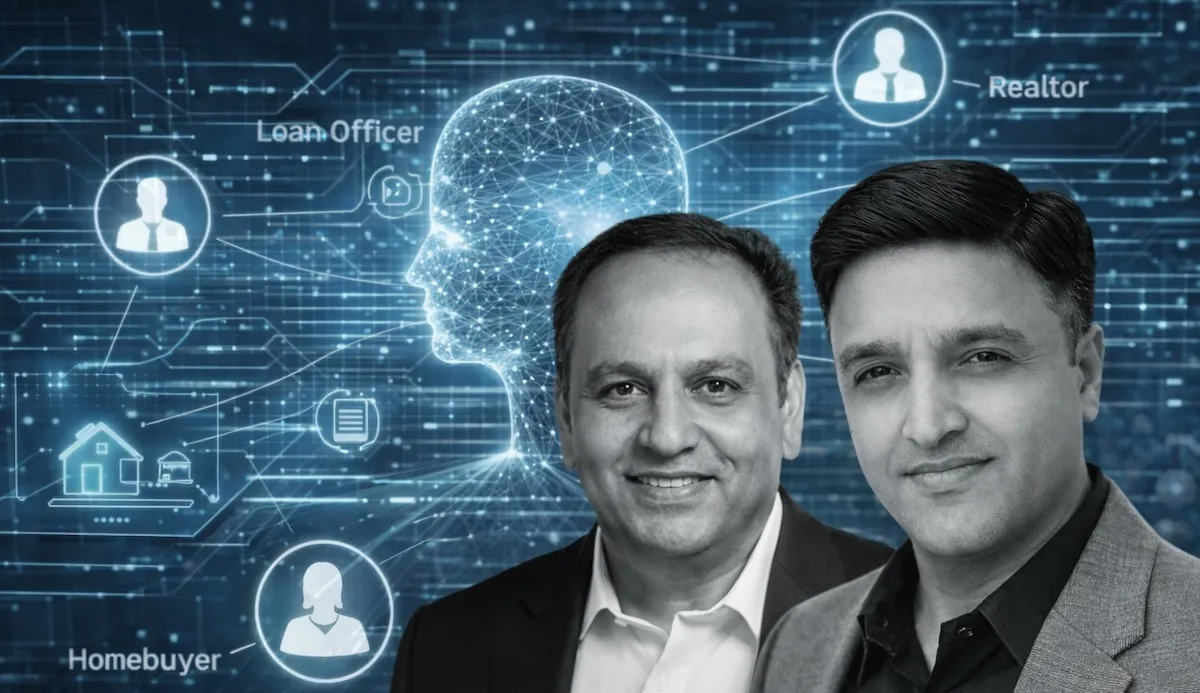
In an era where artificial intelligence (AI) is rapidly reshaping industries, the fundamental principle of human connection remains the bedrock of sustained success, particularly within relationship-driven sectors. While the allure of AI for streamlining processes and scaling operations is undeniable, a seasoned perspective from industry leaders emphasizes that genuine relationships are the ultimate catalyst for sales revenue and organizational growth. This nuanced view posits that AI can serve as a powerful tool for strategy and outreach, but the critical act of closing a deal—and building lasting trust—remains inherently human.
The housing industry, like many others, is currently experiencing a significant wave of interest in AI. From predictive analytics for market trends to automated customer service bots, the potential applications are vast. However, experts like Dalila Ramos, founder of Taco Tuesday Talks + Career Matchmaker, argue that this technological fascination should not overshadow the enduring value of interpersonal connections. Ramos asserts that while AI can assist in drafting follow-up emails or outlining marketing strategies, it cannot replicate the empathy, intuition, and trust required to secure a client or foster a loyal customer base. "People don’t just buy services; they buy trust, confidence, and connection," Ramos states, underscoring the deeply human elements that drive purchasing decisions.
The Foundation of Trust: Cultivating Meaningful Alliances
The adage, "Show me your friends, and I’ll show you who you are," attributed to Ramos’s grandmother, encapsulates a core tenet of professional development: the profound influence of one’s network. In a relationship-centric industry, an individual’s reputation precedes them. The connections forged, both personally and professionally, directly impact how one is perceived and, consequently, their potential for success. This perception is not merely about social signaling; it is about the tangible currency of trust.
Studies in consumer psychology consistently highlight trust as the paramount factor in purchasing decisions. Research from Nielsen, for instance, has indicated that consumers are significantly more likely to trust recommendations from people they know, with recommendations from friends and family scoring the highest in terms of trustworthiness. This translates directly into business, as a lack of trust can be a significant barrier to both initial sales and future referrals. Gaining this trust requires consistent effort, reliability, and a proactive approach to offering value. As Ramos advises, "You have to show up, time after time. You have to stay consistent. And you have to give first." This principle of "giving first" is particularly crucial when engaging with established professionals or high-level clients who have multiple options. It demonstrates self-assurance and a genuine commitment to the relationship, rather than a purely transactional motive.
The Nuances of "Showing Up": Beyond Physical Presence
The concept of "showing up" extends far beyond simply attending meetings or industry events. In a professional context, it encompasses a holistic presentation of oneself. This includes not only attire and demeanor but also the individual’s conduct, communication style, and overall energy. The way one interacts with all individuals, regardless of their perceived status or immediate utility, speaks volumes. Interactions with support staff, for example, are often closely observed and can significantly influence an individual’s reputation.
The housing market, with its high-stakes transactions and long-term client relationships, places a premium on consistency and reliability. Overpromising and underdelivering, or exhibiting a disconnect between stated intentions and actual actions, can swiftly erode trust and damage professional standing. In an environment where word-of-mouth and reputation are critical, a track record of dependability is a powerful differentiator. Data from professional networking platforms like LinkedIn often reveals that individuals with strong, consistent engagement and a history of fulfilling commitments tend to build more robust professional networks and achieve greater career advancement.
Navigating Professional Relationships: Discernment and Value Alignment
A critical aspect of relationship building in business involves discerning which connections are mutually beneficial. Not all professional interactions or potential business opportunities are inherently positive. Ramos’s insight, "Not all money is good money," serves as a vital caution. Some relationships, despite initial promises, can become energy drains, impacting confidence, time, and overall peace of mind. Identifying and strategically disengaging from such relationships is essential for maintaining focus and optimizing growth potential. This principle aligns with the concept of "quality over quantity" in network building, emphasizing depth and value over mere breadth.
The ability to perceive oneself as a "fountain" of value rather than a "drain" is a key indicator of professional maturity. Individuals who consistently contribute positively to their network, offer insights, and support others are more likely to attract beneficial opportunities and collaborations. This perspective encourages a proactive approach to identifying those who are truly engaged and contributing to the collective success of the industry.
Inclusivity and Approachability: Expanding the Professional Circle
Inclusivity and approachability are fundamental to fostering a thriving professional community. The "mean girl" or exclusive clique mentality, often characterized by an unwelcoming or dismissive attitude, can be detrimental to both individual and collective growth. Creating an environment where newcomers feel welcome and are given the opportunity to build connections is crucial. This open-door policy not only expands one’s immediate network but also fosters a more dynamic and collaborative industry landscape.
The quiet observer in a room, often overlooked, can possess invaluable insights and influence. Rushing to judgment based on outward presentation can lead to missed opportunities to connect with influential individuals. Recognizing that relationships can blossom in unexpected settings—from casual elevator encounters to industry conferences—encourages a mindset of constant vigilance and openness. This aligns with the understanding that serendipity often plays a role in professional development, but it requires an open and receptive attitude to be capitalized upon.
The Strategic Integration of AI and Human Capital
The current discourse surrounding AI often positions it as a disruptive force that could potentially supplant human roles. However, a more integrated perspective suggests that AI’s true power lies in its ability to augment human capabilities. As Ramos articulates, "AI can assist us. But relationships will always lead us." This implies a symbiotic relationship where AI handles the data-intensive, repetitive tasks, freeing up human professionals to focus on the high-touch, relationship-building aspects of their work.
For instance, AI can analyze vast datasets to identify potential leads or predict market shifts, providing a strategic roadmap. It can automate the initial stages of communication, sending out personalized outreach messages based on pre-defined criteria. However, the critical step of building rapport, understanding individual client needs beyond the data points, and ultimately securing their business requires human empathy and strategic negotiation. The ability to adapt to unforeseen circumstances, offer genuine reassurance, and build a foundation of trust are skills that AI, in its current form, cannot replicate.
The long-term implications of this dual approach are significant. Companies that successfully integrate AI while prioritizing and investing in the development of strong interpersonal skills within their workforce are likely to achieve a more resilient and sustainable competitive advantage. This is particularly true in sectors like real estate, finance, and consulting, where client relationships are paramount.
Conclusion: The Enduring Primacy of Human Connection
In conclusion, while the technological advancements offered by AI are undeniable and will continue to shape business operations, the fundamental human element of relationship building remains the most potent driver of growth and success, especially within relationship-centric industries like housing. The ability to cultivate trust, demonstrate consistency, exhibit genuine empathy, and foster inclusivity are not merely soft skills; they are strategic imperatives. As the industry continues to evolve, a balanced approach that leverages AI for efficiency while fiercely protecting and nurturing human connection will be the hallmark of truly successful organizations and individuals. The future of business growth hinges not just on sophisticated algorithms, but on the enduring power of human relationships.