Candice Horbacz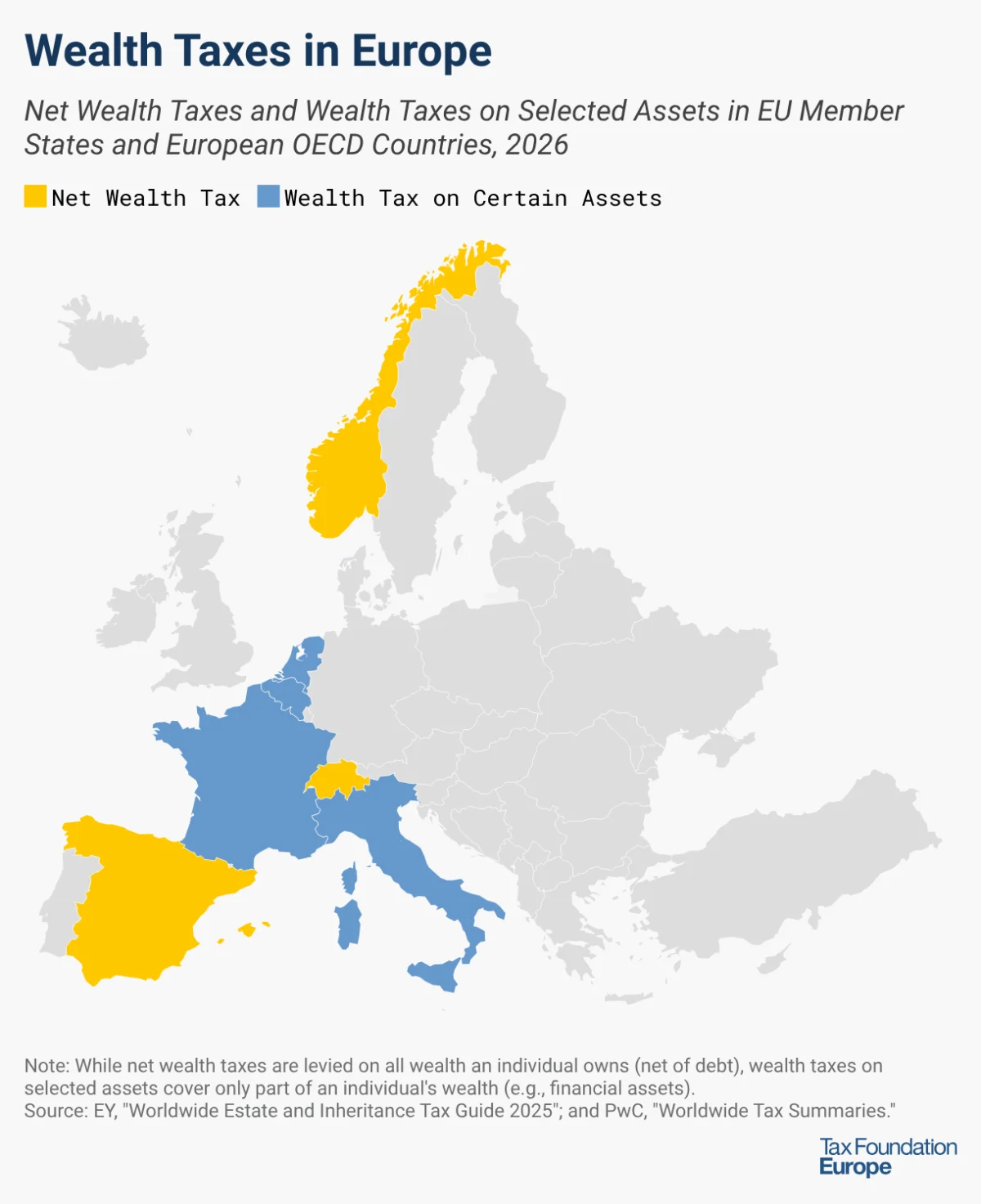
Net wealth taxes, defined as recurrent levies on an individual’s total assets minus liabilities, represent a distinct fiscal instrument often contrasted with traditional real property taxes. While both target wealth, a net wealth tax extends its reach beyond real estate to encompass all forms of personal wealth. Despite a global trend towards their abolition in recent decades, a select few European nations continue to implement broad net wealth taxes, while others have opted for more targeted approaches on specific asset classes. This intricate and often contentious area of fiscal policy reveals diverse philosophies on wealth distribution, revenue generation, and economic incentives across the continent.
Currently, only three European countries maintain a comprehensive net wealth tax: Norway, Spain, and Switzerland. This contrasts sharply with a broader historical trend in Europe, where numerous nations, including Germany, Sweden, Denmark, Austria, Finland, and France, have largely repealed their net wealth taxes since the late 20th century. The rationale for these repeals often cited concerns over capital flight, administrative complexity, valuation challenges, and disincentives for investment and entrepreneurship. However, a renewed global interest in wealth taxation, often spurred by rising wealth inequality and increased fiscal pressures, has kept the debate alive.
The Enduring Pillars of Comprehensive Wealth Taxation
Norway: A Century-Old Fiscal Tradition
Norway stands as one of the longest-standing proponents of a comprehensive net wealth tax, a policy deeply embedded in its social democratic economic model since its implementation in 1892. The Norwegian system levies a net wealth tax on individuals’ total wealth stocks that exceed a certain threshold. For 2024, the tax applies to wealth exceeding NOK 1.9 million (approximately EUR 172,710 or USD 198,996). The standard rate is 1 percent, with the revenue split between local municipalities (0.35 percent) and the central government (0.65 percent). Furthermore, a progressive element is introduced for higher wealth tiers; net wealth exceeding NOK 21.5 million (approximately USD 2.2 million) is subject to an increased rate of 1.1 percent.
The Norwegian wealth tax is designed to contribute to public services and wealth redistribution, aligning with the country’s broader commitment to a robust welfare state. Assets such as real estate, bank deposits, shares, and other financial instruments are typically included in the tax base, with certain deductions for debt. While critics occasionally raise concerns about its potential impact on entrepreneurship and capital allocation, the tax remains a relatively stable feature of the Norwegian fiscal landscape, demonstrating a national consensus on its role in contributing to a more equitable society. The historical continuity of this tax underscores a long-term governmental commitment to using fiscal tools to manage wealth disparities.
Spain: A Progressive System with Regional Variance and Central Intervention
Spain’s approach to wealth taxation is characterized by a high degree of regional autonomy, which has led to significant variations in rates and exemptions across its autonomous communities. The national wealth tax, a progressive levy, applies to wealth stocks above a general threshold of EUR 700,000 (approximately USD 805,330), although this threshold can be lower in some regions. Rates typically range from 0.16 percent in regions like Navarra to a substantial 3.5 percent in others, reflecting distinct regional fiscal policies and priorities.
The regional discretion has also led to different levels of relief. For instance, Andalusia, Cantabria, La Rioja, Madrid, and Murcia have historically offered 100 percent relief for individuals with net wealth below EUR 3 million, effectively eliminating the tax for many within these brackets. Extremadura, notably, provides 100 percent relief across the board. Spanish residents are subject to the tax on their worldwide assets, while non-residents are taxed only on assets located within Spain.
A significant development in Spanish wealth taxation occurred in 2022 with the introduction of a "solidarity wealth tax" by the central government. This new levy, ranging from 1.7 percent to 3.5 percent, targets individuals with net assets exceeding EUR 3 million (approximately USD 3.46 million). Its primary objective was to ensure a minimum level of wealth taxation across the country, especially in regions that had provided significant exemptions. The central government collects any additional revenue from this solidarity tax after deducting the amount already collected via regional wealth taxes. Initially conceived as a temporary measure, the Spanish central government made the solidarity tax’s application indefinite in December 2023, signaling a long-term commitment to its objectives.
This central government intervention prompted reactions from regions like Madrid and Andalusia, which subsequently restored their own wealth taxes, often with thresholds mirroring the solidarity tax, to ensure that the revenue generated remained within their regional coffers rather than being transferred to the central government. This interplay highlights the complex federal-regional dynamics inherent in Spain’s fiscal policy and the ongoing debate over fiscal autonomy versus national solidarity.
Switzerland: Cantonal Sovereignty and Decentralized Taxation
Switzerland’s system of wealth taxation is unique due to its highly decentralized nature, with the tax levied primarily at the cantonal level. This arrangement reflects the deep-rooted principle of cantonal sovereignty within the Swiss confederation. The Swiss net wealth tax, first implemented in 1840, covers worldwide assets, with specific exceptions for real estate and permanent establishments located abroad.
The most striking feature of the Swiss system is the considerable variation in tax rates, allowances, and methodologies across the 26 cantons and numerous municipalities. Each canton sets its own rules, leading to a complex mosaic of tax burdens depending on an individual’s place of residence. This cantonal autonomy allows for fiscal competition and tailoring tax policies to local economic conditions and preferences. For taxpayers, however, it necessitates careful consideration of residency, as moving between cantons can significantly alter their wealth tax liability. While this system offers flexibility and local control, it also presents challenges in terms of cross-cantonal comparisons and potential for wealth migration within the country. The Swiss model exemplifies a federalist approach to wealth taxation, where local self-determination shapes fiscal outcomes.
Targeted Approaches: Wealth Taxes on Selected Assets
Beyond the comprehensive net wealth taxes, several other European nations have implemented more focused wealth-related levies, often targeting specific asset classes or situations. These approaches reflect a nuanced understanding of wealth and an attempt to mitigate some of the complexities and economic disincentives associated with broad wealth taxes.
France: A Shift from Broad Wealth Tax to Real Estate Focus
France, a prominent example of a country that abolished its comprehensive net wealth tax (Impôt de Solidarité sur la Fortune, ISF), reformed its system in 2018. The ISF, which had been in place since 1982 (and its predecessor since 1989), was widely criticized for encouraging capital flight and hindering investment. In its place, France introduced the Impôt sur la Fortune Immobilière (IFI), a real estate wealth tax.
Under the IFI, French tax residents whose net worldwide real estate assets are valued at or above EUR 1.3 million (approximately USD 1.5 million) are subject to the tax. Non-French tax residents are also liable if their net real estate assets located in France meet or exceed this threshold. The tax rate for the IFI can range up to 1.5 percent, depending on the net value of the real estate assets. This strategic shift aimed to stimulate investment in productive assets by exempting financial wealth while still taxing significant real estate holdings, which are less mobile. The reform was a direct response to concerns that the ISF was detrimental to France’s economic competitiveness and entrepreneurial spirit, a common argument for the repeal of broad wealth taxes across Europe.
Italy: Targeting Offshore Assets and Emerging Classes
Italy’s approach to wealth taxation is highly targeted, focusing primarily on financial and real estate assets held abroad by resident taxpayers. This strategy is largely driven by efforts to prevent tax evasion and ensure fiscal equity regarding offshore holdings. Italian resident taxpayers holding financial assets abroad without Italian intermediaries are subject to a tax of 0.2 percent, with a higher rate of 0.4 percent for assets held in certain specified countries.
In a forward-looking move, Italy adapted its tax framework to include emerging asset classes. Since 2023, a specific tax of 0.2 percent per year has been applied to crypto assets held with a non-resident intermediary or stored on physical devices like USB sticks or smartphones. This demonstrates an effort to bring novel forms of wealth into the tax net, reflecting the increasing digitalization of global finance. Additionally, real estate properties held abroad by Italian tax residents are taxed at a rate of 1.06 percent, further reinforcing the country’s focus on offshore wealth.
Belgium: The Solidarity Tax on Securities Accounts
Since 2021, Belgium has implemented a "solidarity tax" or "tax on securities accounts" (TSA). This targeted levy imposes a 0.15 percent tax on securities accounts with an average value of EUR 1 million (approximately USD 1.15 million) or more. The TSA is designed to generate revenue and promote greater fiscal fairness by taxing significant financial portfolios.
The introduction of the TSA followed earlier attempts at wealth-related taxes, which faced legal challenges. The current design aims to navigate constitutional constraints and legal precedents by focusing specifically on securities accounts rather than an individual’s overall net wealth. This approach allows Belgium to tax a segment of wealth without reintroducing a broad net wealth tax, which has proven controversial in many jurisdictions.
The Netherlands: Navigating Legal Challenges and Comprehensive Reform
The Netherlands has a unique system where the value of net wealth (excluding primary residence and substantial interests in companies) is included within the income tax framework, specifically under "Box 3." This system historically applied a deemed return on assets, which was then taxed. However, this approach faced a significant legal challenge in 2021 when the Dutch Supreme Court ruled that the Box 3 system violated European law, specifically concerning property rights and non-discrimination. The court found that taxing a deemed return, rather than actual returns, could lead to a disproportionate burden, particularly for those with low-yielding assets.
In response to this landmark ruling, the Dutch government proposed a new temporary alternative system for the years 2023 through 2027. Under this interim model, each asset category (e.g., savings, debts, other investments) is assigned its own deemed return. For 2026, a weighted average yield across all categories will be applied to total assets exceeding a personal exemption of EUR 59,357 (approximately USD 68,373). The resulting taxable benefit will then be subject to a flat tax rate of 36 percent. Looking further ahead, the government aims to implement a more fundamental reform by 2028, transitioning to a new system based on actual returns on assets, thereby addressing the Supreme Court’s concerns and creating a more equitable and legally robust wealth taxation framework. This ongoing reform highlights the profound impact judicial review can have on national tax policy and the complexities of taxing wealth fairly and effectively.
The Broader Debate: Economic Impact and Policy Implications
The discussion surrounding wealth taxes in Europe, whether comprehensive or targeted, is often polarized, reflecting fundamental differences in economic philosophy and social priorities. Critics, including organizations like the Tax Foundation and the OECD, frequently raise concerns about the efficacy and potential negative consequences of such levies.
Arguments Against Wealth Taxes:
- Limited Revenue Generation: A common critique is that wealth taxes often generate comparatively little revenue relative to other taxes, failing to meet fiscal expectations. The administrative burden of valuation and collection can sometimes outweigh the net fiscal gain.
- Legal Uncertainty and Complexity: Valuing diverse assets, especially illiquid ones like private businesses or art, presents significant challenges. This complexity can lead to legal disputes, high compliance costs for taxpayers, and administrative difficulties for tax authorities. Cross-border wealth further complicates matters, raising issues of double taxation and international tax avoidance.
- Disincentives for Entrepreneurship and Investment: Opponents argue that wealth taxes can discourage entrepreneurship, innovation, and long-term growth. By repeatedly taxing accumulated capital, they can reduce the incentive to save, invest, and create wealth, potentially leading to capital flight and a reduction in productive economic activity. The OECD, in a comprehensive report, has highlighted these potential disincentives, suggesting they can harm economic dynamism.
- Capital Flight: A significant concern is that high wealth taxes can incentivize wealthy individuals to move their assets or even their residency to jurisdictions with more favorable tax regimes, thereby undermining the tax base and fostering a "race to the bottom" in wealth taxation.
- Liquidity Issues: Wealth taxes are levied on accumulated wealth, which may not always be liquid. Taxpayers might be forced to sell assets, including family businesses or illiquid investments, to meet their tax obligations, potentially disrupting economic activity and family legacies.
Arguments For Wealth Taxes (Implicit and Explicit):
- Addressing Wealth Inequality: Proponents view wealth taxes as a crucial tool for reducing burgeoning wealth inequality, arguing that they ensure the wealthiest individuals contribute a fair share to society and help rebalance economic disparities.
- Revenue Generation for Public Services: While often criticized for low revenue, advocates contend that even modest contributions from the wealthiest can fund vital public services, especially in times of increased fiscal need (e.g., post-pandemic recovery, social welfare expansion).
- Fiscal Justice and Fairness: Many argue that wealth taxes promote fiscal justice by ensuring that all forms of capital, not just income or consumption, are subject to taxation. This is seen as a matter of fairness, particularly when wealth is perceived to have accumulated without sufficient societal contribution.
- Broader Tax Base: Wealth taxes can broaden the tax base, reducing reliance on income or consumption taxes, which can sometimes disproportionately affect lower and middle-income groups.
Conclusion
The European landscape of wealth taxation is a dynamic and fragmented one, characterized by a mix of long-standing comprehensive taxes, innovative targeted levies, and ongoing reforms driven by economic realities and judicial interventions. While countries like Norway, Spain, and Switzerland maintain their broad wealth taxes, often with deep historical roots and specific national rationales, others like France have moved towards more targeted approaches, primarily on real estate, to mitigate perceived economic disincentives. The Netherlands stands as a testament to the profound impact of legal scrutiny on tax policy, navigating a complex transition towards a system based on actual returns.
The enduring debate over wealth taxes reflects a fundamental tension between the pursuit of fiscal justice and wealth redistribution on one hand, and concerns about economic efficiency, capital mobility, and administrative feasibility on the other. As global wealth disparities continue to be a subject of intense public and political discourse, the future of wealth taxation in Europe will undoubtedly remain a critical area of policy discussion, with each nation weighing its unique historical context, economic objectives, and social values. The Tax Foundation, among other critics, continues to advocate for the repeal of wealth taxes, viewing them as among the most harmful taxes due to their potential to disincentivize entrepreneurship and long-term growth, underscoring the deep divisions in expert opinion on this complex fiscal instrument.