Pevita Pearce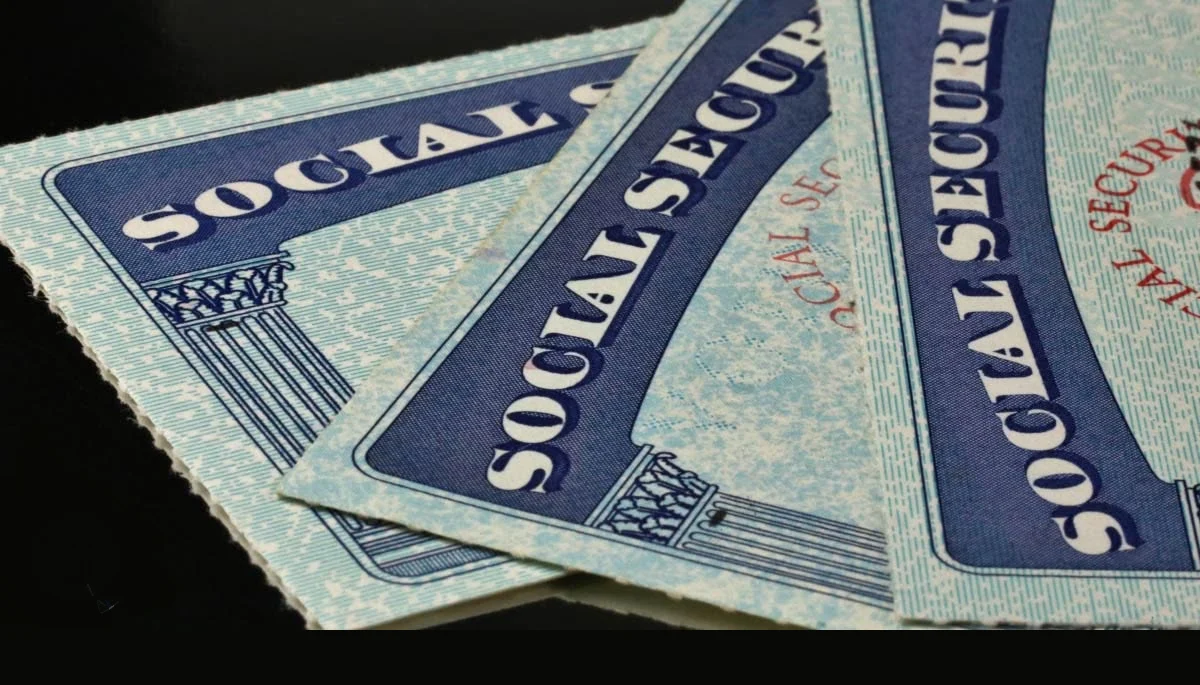
In a significant legislative development poised to offer greater protection to Americans vulnerable to Social Security number misuse, a bipartisan bill has successfully navigated its way through both chambers of Congress and now awaits the President’s signature. The Improving Social Security’s Service to Victims of Identity Theft Act, officially designated as U.S. House Resolution 5345, aims to streamline the process for individuals whose Social Security numbers (SSNs) have been compromised, whether through identity theft or accidental loss. This legislation promises a more direct and efficient pathway for victims to rectify their situations with the Social Security Administration (SSA).
Background: The Growing Threat of Social Security Identity Theft
The Social Security number, a critical identifier for over 280 million Americans, serves as the linchpin for a vast array of financial and governmental transactions. Its widespread use, however, also makes it a prime target for malicious actors. Identity theft involving SSNs can have devastating and far-reaching consequences for victims, extending beyond financial losses to include damage to credit scores, difficulties in obtaining loans or employment, and even the fraudulent claiming of benefits.
The Social Security Administration is the primary agency responsible for managing and protecting SSN data. Historically, victims of SSN misuse have often faced a labyrinthine bureaucratic process when attempting to report and resolve issues with the SSA. This can involve lengthy phone calls, multiple transfers, and a lack of a dedicated point of contact, exacerbating the already stressful experience of having one’s identity stolen. The sheer volume of reported identity theft cases underscores the urgency for improved systems. According to the Federal Trade Commission (FTC), in 2023 alone, nearly 1.4 million reports of identity theft were filed, with a significant portion involving the misuse of personal identification numbers. The SSA itself has acknowledged the challenges faced by individuals navigating these complex systems.
The Genesis of the Improving Social Security’s Service to Victims of Identity Theft Act
The legislative journey of H.R. 5345 began on September 15, 2025, when it was formally introduced in the U.S. House of Representatives by Republican U.S. Representative David Kustoff of Tennessee. Representative Kustoff, a vocal advocate for consumer protection, recognized the systemic issues faced by SSN identity theft victims. His office noted that the bill was developed in response to constituent concerns and a broader understanding of the vulnerabilities within the existing SSA framework for handling such cases.
The bill garnered bipartisan support as it progressed. In December 2025, it received approval from the House Committee on Ways and Means, a crucial step that signals its substantive merit and alignment with fiscal and programmatic considerations. Following this committee endorsement, the measure was passed by the full House of Representatives. This bipartisan passage in the House demonstrated a shared commitment across party lines to address a pressing issue affecting American citizens.
Key Provisions and Proposed Enhancements
At its core, H.R. 5345 mandates the establishment of a direct point of contact within the Social Security Administration for individuals who discover their SSN has been misused or lost in transit. This dedicated contact is intended to simplify the reporting and resolution process, providing a singular, knowledgeable resource for victims.
The scope of "misuse" as defined by the bill is broad and encompasses several critical scenarios:
- Fraudulent Benefit Claims: This includes instances where an individual’s SSN is used to file a claim for Social Security benefits, such as retirement or disability payments, to which they are not entitled.
- Impersonation for Financial Gain: The bill addresses situations where an SSN is used to fraudulently obtain retirement benefits or other financial advantages by impersonating the legitimate holder.
- Continuing Payments for Deceased Relatives: A particularly insidious form of fraud involves failing to report the death of a relative to the SSA, thereby continuing to receive Social Security payments that are no longer due. This can siphon taxpayer dollars and is a direct theft from the Social Security trust fund.
By establishing a direct liaison, the legislation aims to cut through the existing layers of bureaucracy that can often delay or complicate the investigation and correction of these fraudulent activities. This proactive approach is designed to prevent further financial damage and restore the victim’s compromised identity more efficiently.
Congressional Endorsements and Statements
The bipartisan nature of the bill was underscored by the endorsements it received from key congressional figures. Upon the House’s passage of the measure, Representative Kustoff articulated his rationale: "Victims of identity theft shouldn’t have to fight their way through government bureaucracy just to get their identity restored. The Improving Social Security’s Service to Victims of Identity Theft Act is a commonsense bill that will improve government efficiency and ensure victims get access to timely relief." His statement highlighted the bill’s dual focus on both victim assistance and governmental efficiency.
Co-sponsoring the bill was Republican U.S. Representative Nicole Malliotakis of New York, further solidifying its bipartisan appeal. Chairman Jason Smith of the House Committee on Ways and Means, a Republican from Missouri, also lent his support, emphasizing the need to simplify processes rather than complicate them. "Instead of adding more red tape, callbacks, and confusion, our government should make it easier to help victims of identity theft," Chairman Smith stated in December 2025. "The Improving Social Security’s Service to Victims of Identity Theft Act ensures families have a single point of contact at the SSA when their Social Security number is compromised." These statements collectively indicate a legislative consensus on the necessity of improving the SSA’s responsiveness to identity theft victims.
Legislative Progression and Presidential Consideration
Following its successful passage in the House, H.R. 5345 advanced to the U.S. Senate. The Senate took up the bill and passed it on Thursday, September 17, 2026. This marks the final legislative hurdle before the bill is sent to the President.
The bill is now undergoing the process of enrollment. This is the procedural stage where the final, official version of the legislation is prepared in a form that is identical in both the House and Senate. Once enrollment is complete, the bill will be transmitted to the White House.
At this juncture, President Donald Trump will have several options. He can sign the bill into law, at which point it will officially become an act of Congress. Alternatively, he can choose to veto the bill, sending it back to Congress with his objections. Should a veto occur, Congress would have the opportunity to override it with a two-thirds majority vote in both the House and the Senate. The President also has the option of taking no action on the bill while Congress is in session; in such cases, after ten days (excluding Sundays), the bill automatically becomes law without his signature.
Data and Implications: The Broader Impact
The passage of this bill arrives at a critical juncture, given the persistent and evolving nature of identity theft. The U.S. Department of Justice has reported that financial losses due to identity theft have consistently been in the billions of dollars annually. For example, in 2022, the estimated financial losses from identity theft reached approximately $43 billion, impacting millions of consumers. The impact on victims can be profound, extending beyond immediate financial strain to include significant emotional distress and long-term damage to their financial standing and creditworthiness.
The proposed direct point of contact mechanism could lead to several positive outcomes:
- Reduced Resolution Time: A dedicated contact person can expedite the investigation and correction of fraudulent activities, minimizing the period during which a victim’s identity and financial standing are compromised.
- Improved Victim Experience: By providing a single, knowledgeable point of contact, the SSA can reduce the frustration and confusion often associated with navigating complex governmental processes.
- Enhanced Data Security: The increased focus on SSN misuse may spur the SSA to further review and enhance its internal data security protocols and victim support infrastructure.
- Deterrence: A more robust and visible system for addressing SSN misuse could potentially act as a deterrent to criminals engaging in such activities.
The bill’s emphasis on "commonsense" solutions and efficiency aligns with broader governmental efforts to modernize public services and improve citizen interaction with federal agencies. The success of this legislation could serve as a model for future reforms aimed at enhancing consumer protection and governmental responsiveness.
Future Outlook
As the Improving Social Security’s Service to Victims of Identity Theft Act awaits presidential action, its potential impact on millions of Americans is significant. The legislation represents a proactive step by Congress to address a pervasive threat and improve the support mechanisms available to victims. Should it be signed into law, it would mark a substantial improvement in the Social Security Administration’s capacity to serve and protect those whose most sensitive personal information has been compromised, reinforcing trust in a vital federal agency and providing a much-needed lifeline to those affected by identity theft.
Photo credit: mehaniq/Freepik