Pevita Pearce
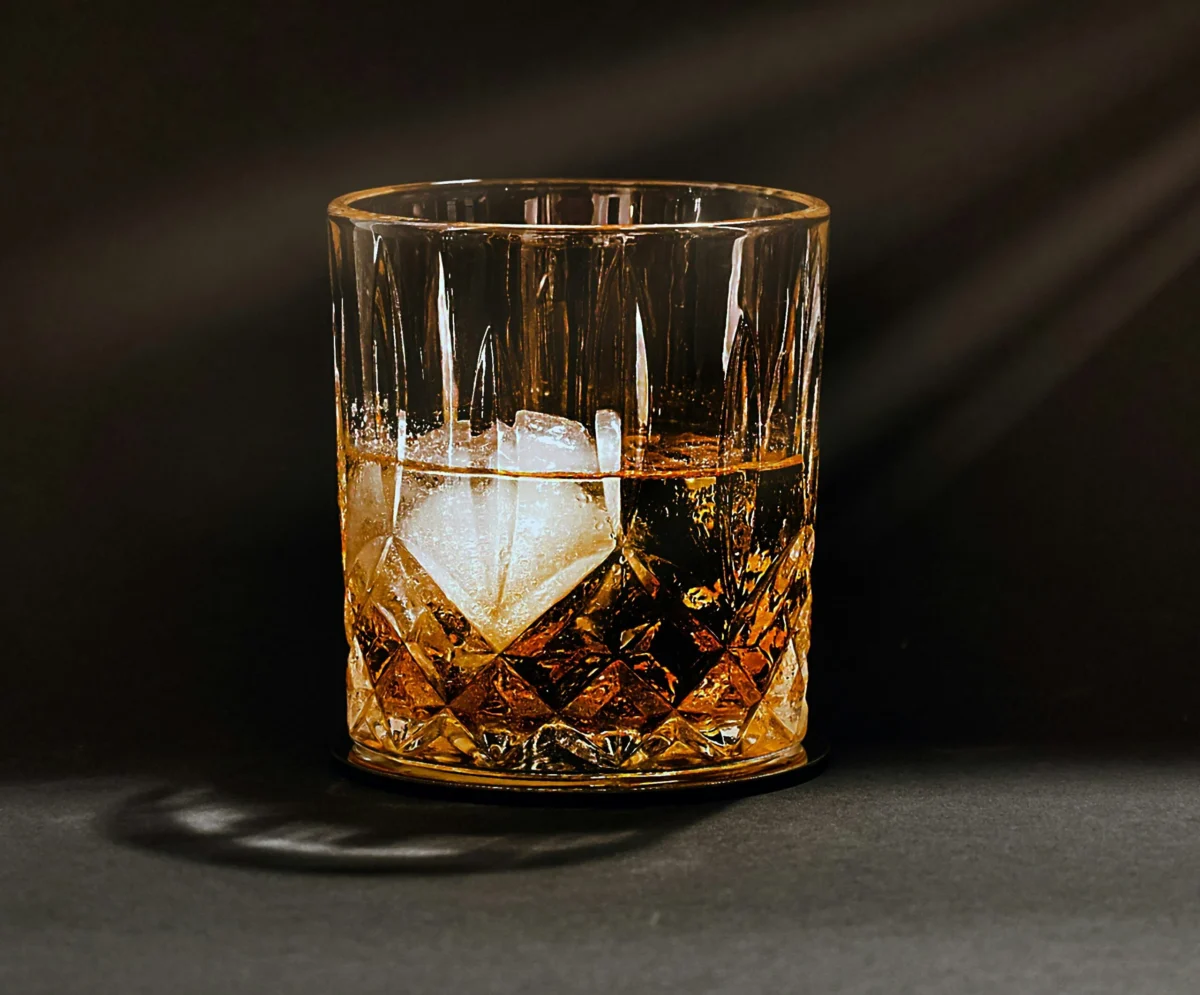
COLUMBUS, Ohio – The U.S. Supreme Court has agreed to hear a pivotal case that could determine whether millions of Americans can legally distill spirits in their homes, a right currently prohibited by a federal law enacted over 160 years ago. The decision, stemming from challenges brought by two individuals, could unlock a new era of craft distillation, mirroring the explosion of the craft brewing movement. At the heart of the legal battle is the scope of Congress’s authority to levy federal alcohol taxes and the extent to which that power justifies a near-total ban on private spirit production.
The case has garnered significant attention from legal experts, industry observers, and hobbyists alike, with the potential to dramatically alter the landscape of alcohol production and consumption in the United States. The Buckeye Institute, a Columbus-based public policy organization, has been instrumental in advocating for the challengers, highlighting the perceived disparity between the legality of home brewing and the prohibition of home distilling.
“It is legal to brew beer at home, and it fueled this whole craft brewing revolution,” stated Robert Alt, president of the Buckeye Institute, drawing a parallel between the two activities. “But if you distill an ounce of liquor, it’s a federal crime.” This stark contrast underscores the central tenet of the legal arguments: if Congress can tax home-brewed beer, why can it not permit and tax home-distilled spirits?
The current federal prohibition against home distilling carries significant penalties, including fines of up to $10,000, imprisonment for up to five years, or both. This stringent legal framework has effectively stifled any widespread home-based spirit production for over a century.
The Path to the Supreme Court: A Tale of Two Lawsuits
The journey to the nation’s highest court began with two separate legal challenges. John Ream, owner of a brewpub in Newark, Ohio, found himself confronted by this federal ban when he sought to replicate the homebrewing experience by distilling whiskey. His desire to experiment with spirit production, akin to his established practice of brewing beer at home, led him to question the legality of the long-standing prohibition.
Simultaneously, Scott McNutt of Texas initiated his own legal challenge against the federal ban. These parallel lawsuits, though originating independently, converged as they progressed through the federal court system, leading to differing rulings in federal appeals courts earlier this year.
The federal government, while acknowledging the need for a definitive ruling, encouraged the Supreme Court to specifically consider McNutt’s case. Their rationale was that Ream’s case presented a more complex legal scenario, particularly concerning the question of whether Ream genuinely faced a credible threat of prosecution, a prerequisite for bringing such a lawsuit to court. The 6th Circuit Court of Appeals, which heard Ream’s case, ultimately ruled in favor of the government on the merits of the prohibition but also affirmed that Ream possessed the legal standing to bring his challenge.
The Core Legal Question: Taxing Power vs. Prohibition
The fundamental legal question before the Supreme Court revolves around the extent of Congress’s constitutional power to levy federal taxes on alcohol. The 1868 prohibition, a relic of the post-Civil War era, was largely rooted in the government’s determination to ensure the collection of liquor taxes. At the time, officials were concerned that individuals producing spirits in their homes could easily conceal their stills from federal inspectors, thereby evading taxation and complicating revenue collection efforts.
However, a significant development occurred in April when the 5th U.S. Circuit Court of Appeals delivered a ruling that challenged this long-held government stance. The judges in this instance rejected the argument that the power to tax liquor implicitly granted Congress the authority to outright ban its private production. Crucially, they asserted that the prohibition actively hindered people from producing liquor that could otherwise be subject to taxation, thus undermining the very purpose of the tax laws.
This ruling from the 5th Circuit created a circuit split, a situation where different federal appellate courts have reached conflicting conclusions on the same legal issue. Such splits are often a primary factor in the Supreme Court’s decision to grant certiorari, as it signifies a need for a uniform interpretation of federal law across the nation.
Broader Implications and Concerns
Robert Alt of the Buckeye Institute has voiced concerns that the government’s broad interpretation of its taxing powers could set a dangerous precedent, potentially enabling federal overreach into other areas of personal activity. “There is no limiting principle,” Alt warned, illustrating his point with a hypothetical scenario: “They could ban working from home under the theory that it is easier to evade taxes this way.” This perspective suggests that if the government can ban home distilling based on tax evasion concerns, it could theoretically extend this logic to other activities deemed to facilitate tax avoidance.
The legal arguments are expected to unfold over the coming months. Alt anticipates that written arguments will be submitted during the winter, with oral arguments likely to take place in late February or early March. A final decision from the Supreme Court could potentially be rendered by late June of next year. While the court has not yet set a definitive date for these proceedings, the anticipation within legal and enthusiast circles is palpable.
A Potential Renaissance for American Spirits
Beyond the legal intricacies, the outcome of this case holds the promise of a significant cultural and economic transformation. Advocates believe that legalizing home distilling could spark an innovation boom, much like the craft brewing revolution of the late 20th century.
“What has created innovation in this country is people tinkering in their basements and garages and creating amazing things,” Alt remarked, emphasizing the role of amateur experimentation in driving progress. The craft brewing movement, which began with passionate homebrewers experimenting with grains, hops, and yeasts, has since evolved into a multi-billion dollar industry, diversifying the American beverage market with an unprecedented array of beer styles.
If home distilling is legalized and regulated, it is plausible that a similar phenomenon could occur in the spirits sector. Enthusiasts could begin experimenting with various grains, fruits, and botanicals, developing unique flavor profiles and potentially leading to the emergence of new, niche distilleries and craft spirit brands. This could foster a more dynamic and diverse American spirits market, offering consumers a wider selection of high-quality, artisanal products.
Historical Context of Alcohol Regulation in the U.S.
Understanding the current legal battle requires a brief look at the history of alcohol regulation in the United States. The prohibition of home distilling is a remnant of a complex and often contradictory history of federal alcohol policy. Following the Civil War, the federal government sought to enhance revenue collection, and the 1868 law was a part of this effort to consolidate and control alcohol production for tax purposes.
The era of Prohibition (1920-1933) further entrenched federal control over alcohol, although its primary focus was on the outright ban of alcohol production, sale, and consumption. While Prohibition was repealed, many of the regulatory structures and concerns about illicit alcohol production and untaxed spirits persisted.
The legalization of homebrewing in 1978 marked a significant shift, recognizing the recreational and artisanal aspects of beer making. This move is often cited by proponents of home distilling as a precedent for allowing private spirit production under a regulated framework. The current legal challenge seeks to extend this principle of personal liberty and artisanal freedom to the distillation of spirits, arguing that the same public policy considerations that led to the legalization of homebrewing should apply to home distilling.
The Economic and Regulatory Landscape
The potential economic impact of legalizing home distilling is difficult to quantify but could be substantial. While the initial focus is on personal consumption and hobbyist experimentation, the history of craft brewing suggests a pathway to commercialization. Small-scale, artisanal distilleries could emerge, creating jobs and contributing to local economies.
However, the regulatory framework for such a change would need careful consideration. Issues such as licensing, taxation, product safety, and age restrictions would all need to be addressed. The government’s historical concern with tax evasion would likely necessitate a robust system for tracking production and ensuring compliance.
The Supreme Court’s decision will not only settle a long-standing legal debate but could also pave the way for a new chapter in American beverage culture, one that embraces the ingenuity and passion of individuals eager to explore the art and science of spirit making in their own homes. The justices’ interpretation of congressional power and individual rights in this context will resonate far beyond the confines of basements and garages, potentially reshaping an industry and enriching the American palate for generations to come.