Pevita Pearce
The Treasury Department and the Internal Revenue Service (IRS) have jointly released proposed regulations providing crucial guidance for the newly established Trump Account contribution pilot program. These regulations, published on March 6, outline the procedures and eligibility criteria for the one-time $1,000 contribution intended for eligible children under the Trump Account initiative. The Trump Account, a custodial-style traditional individual retirement account specifically for minors, was created as part of the "One Big Beautiful Bill Act" (OBBBA) passed last year. The pilot program aims to provide an initial seed investment for these accounts, fostering early financial planning for children.
Understanding the Trump Account and Pilot Program
The Trump Account itself is designed as a custodial IRA, meaning the account is legally owned by the child but managed by an adult trustee, typically a parent or legal guardian. This structure allows for investments to grow tax-deferred, offering a long-term savings vehicle. The introduction of the OBBBA marked a significant legislative development in providing new avenues for minor savings and investment.
The core of the recent regulatory release focuses on the $1,000 pilot program contribution. This initiative is intended to kickstart savings for eligible children by providing a direct federal contribution. The proposed regulations detail the mechanism by which the Treasury Department will administer these funds and the requirements for individuals seeking to elect this contribution for a child.
Key Provisions of the Proposed Regulations
The proposed regulations address several critical aspects of the pilot program:

- One-Time Contribution: The program provides a singular $1,000 contribution per eligible child.
- Election Process: An individual, generally a parent or guardian, must file an election to receive the $1,000 contribution for an eligible child. This individual must reasonably anticipate that the child will be their qualifying child for the tax year in which the election is made.
- Eligibility Criteria: While the specific eligibility criteria are detailed in the proposed regulations, the IRS notes that elections can be made as soon as a child meets all requirements after a Trump Account has been established. This suggests that prospective parents could potentially make an election during the tax year in which their child is born, provided the child subsequently meets the necessary criteria.
- "Pilot Program-Electing Individual": The IRS defines this term as the parent, guardian, or other individual who anticipates claiming the child as a qualifying child for the relevant tax year. This designation is crucial for initiating the election process.
- Form 4547: A new IRS form, Form 4547, "Trump Account Election(s)," has been introduced. This form serves a dual purpose: establishing a Trump Account and formally electing for the child to receive the pilot program contribution.
Timeline and Launch
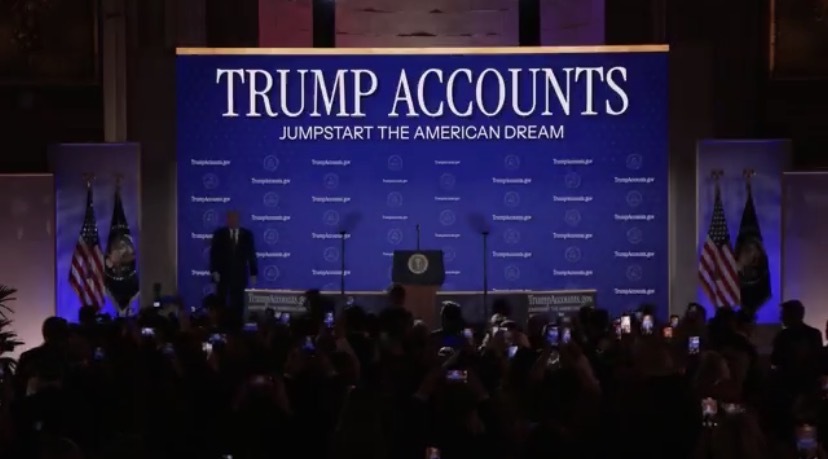
The official launch date for Trump Accounts is set for July 4, 2026. The release of these proposed regulations ahead of the launch signifies the government’s commitment to providing clear operational guidelines to facilitate the program’s smooth implementation. This proactive approach is intended to minimize confusion and streamline the process for families eager to participate.
Background and Legislative Context
The "One Big Beautiful Bill Act" (OBBBA), enacted last year, represents a significant piece of legislation aimed at fostering economic growth and individual financial security. Among its various provisions, the creation of Trump Accounts for minors stands out as a forward-thinking initiative designed to encourage early savings and investment habits. The OBBBA’s broader objectives likely encompass a range of economic and social policies, with the Trump Account program serving as a specific component focused on the financial future of younger generations.
The introduction of a government-funded contribution to a retirement-style account for minors is a novel approach in U.S. financial policy. Historically, individual retirement accounts have been primarily for adults, with some exceptions for specific savings plans like 529 college savings plans. The Trump Account, however, is framed as a traditional IRA, implying a focus on long-term wealth accumulation and retirement planning, albeit initiated at a very young age.
IRS Guidance and Practical Implications
The proposed regulations are designed to provide clarity and practical assistance to individuals who will be making elections for eligible children. The IRS emphasizes that the election must be filed by an individual who anticipates the child will be their qualifying child. This is a critical point, as it links the election to established tax law principles regarding dependent eligibility.
For expecting parents, the ability to make an election during the tax year of the child’s birth is a significant consideration. It allows for the potential to secure the $1,000 contribution from the outset of the child’s life, provided all subsequent eligibility requirements are met. This early engagement with savings can have a compounding effect over the child’s lifetime.
Eligibility Criteria and the "Pilot Program-Electing Individual"
While the article does not list the specific eligibility criteria, the IRS statement that elections can be made "as soon as the child meets all of the following eligibility criteria after a Trump Account has been established for the child" suggests a multi-step process. First, a Trump Account must be opened. Second, the child must meet certain predefined eligibility standards, which are likely to be detailed further in forthcoming official guidance or within the full text of the proposed regulations.
The role of the "pilot program-electing individual" is central to the process. This individual bears the responsibility of initiating the election and ensuring that the child will indeed be a qualifying dependent. This requirement aligns with the broader tax framework where dependents play a key role in various tax benefits and credits.
Form 4547: The Gateway to Trump Accounts
Form 4547, "Trump Account Election(s)," is the official gateway for both establishing a Trump Account and applying for the pilot program contribution. The existence of a dedicated form underscores the structured approach the government is taking to manage this new initiative. Taxpayers will need to familiarize themselves with this form and its requirements to successfully enroll eligible children.
Broader Economic and Financial Planning Context

The introduction of Trump Accounts and their associated pilot program can be viewed within a broader context of efforts to enhance financial literacy and encourage long-term savings. By providing an initial government contribution, the program aims to lower the barrier to entry for early savings, potentially making financial planning more accessible to a wider range of families.
The long-term implications of such a program could include:
- Increased Savings Rates: The seed funding may encourage families to contribute additional funds to these accounts, leading to higher overall savings for minors.
- Improved Financial Literacy: The establishment and management of these accounts could serve as an educational tool for both children and parents, fostering a greater understanding of investment principles and financial planning.
- Potential for Wealth Accumulation: Early and consistent investment, even starting with a $1,000 contribution, can lead to significant wealth accumulation over time due to the power of compounding.
- Economic Stimulus: While the primary goal is savings, the initial disbursement of funds for the pilot program could have a minor short-term economic stimulus effect.
Official Statements and Public Reaction (Inferred)
While the provided text does not include direct quotes from officials beyond the IRS’s official statements, the issuance of proposed regulations typically follows extensive inter-agency deliberation. The Treasury Department’s involvement signifies the fiscal and administrative aspects of the program, while the IRS’s role focuses on the tax compliance and procedural elements.
The public reaction, particularly from financial advisors, tax professionals, and parent advocacy groups, is likely to be varied. Some may welcome the initiative as a positive step towards promoting early savings, while others might scrutinize the program’s design, administration, and long-term sustainability. The specific details of eligibility and the operational framework will be key factors influencing these reactions.
Further Information and Resources
For those seeking more in-depth information, the IRS directs individuals to the official Trump Accounts website, accessible at https://trumpaccounts.gov/. This platform is expected to serve as a central hub for all program-related information, including comprehensive guides, FAQs, and updates.

The proposed regulations themselves are available for review and public comment through the Federal Register. The public comment period is a standard part of the regulatory process, allowing stakeholders to provide feedback and suggestions before the regulations are finalized. This engagement is crucial for ensuring the program is effective and addresses the needs of its intended beneficiaries.
Conclusion
The proposed regulations for the Trump Account contribution pilot program mark a significant step in the implementation of a novel financial initiative for minors. By providing clear guidelines on contributions, elections, and eligibility, the Treasury Department and the IRS are working to ensure a structured and accessible program. The launch of Trump Accounts on July 4, 2026, is anticipated to offer a new avenue for families to begin saving and investing for the long-term financial well-being of their children. As the program develops, ongoing analysis of its impact on savings rates, financial literacy, and wealth accumulation will be essential.