Lina Irawan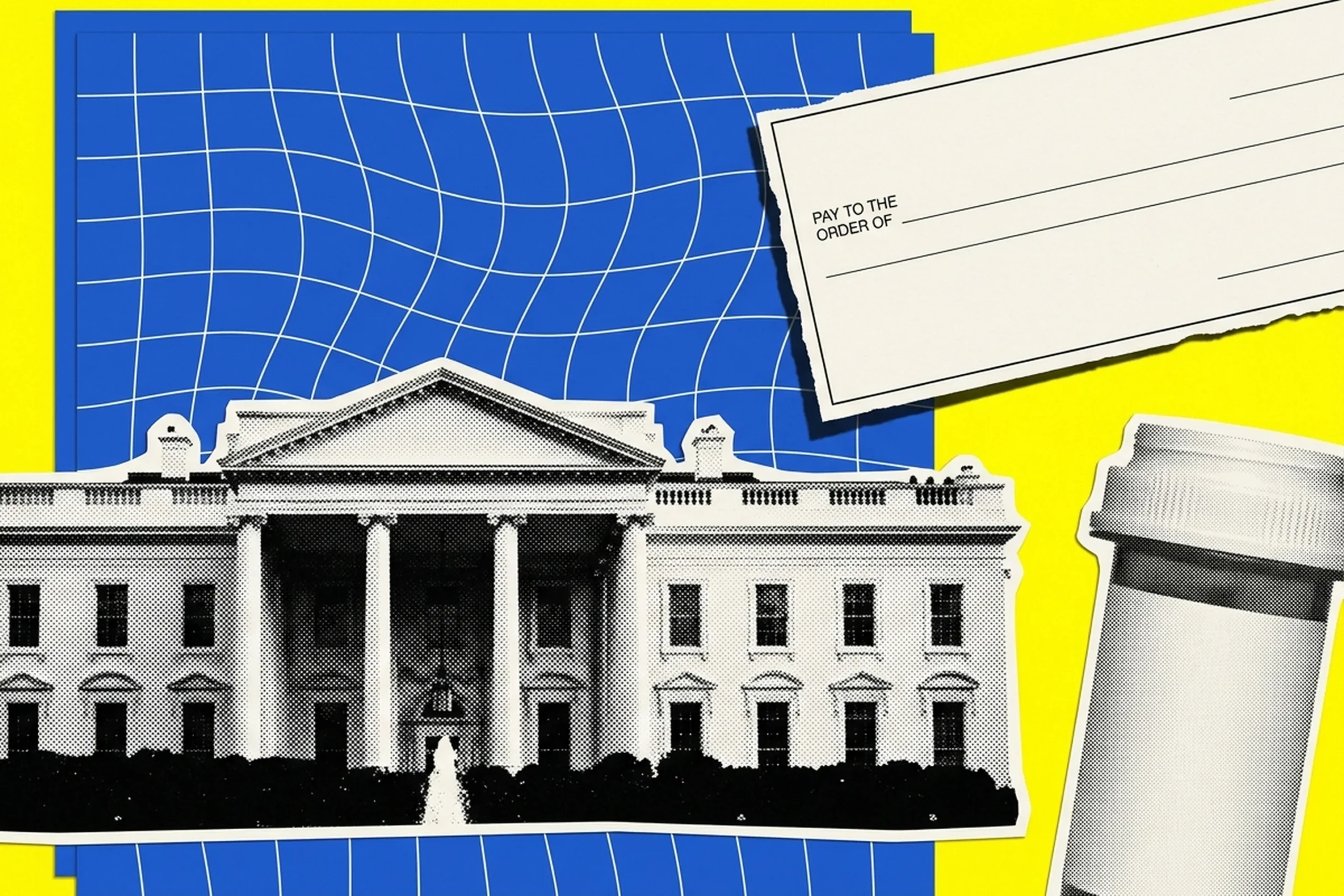
The Trump administration has initiated the distribution of $90 "premium rebate" checks to more than 20 million older adults enrolled in Medicare Part B, a move presented as financial relief for Americans grappling with escalating healthcare costs. This significant disbursement, announced by President Donald Trump, is already generating considerable controversy, prompting questions about whether the administration is strategically deploying government funds to influence the upcoming Nov. 3 elections. Critics are drawing parallels between this initiative and other recent direct payment proposals, arguing they constitute a calculated attempt to sway voters, particularly within the crucial senior demographic.
The Medicare Rebate Unpacked: Details of the $90 Payment
On a recent Friday, President Trump formally announced the plan to swiftly send these one-time payments, intended to "help pay for their Medicare Part B premiums," to over 20 million seniors nationwide. According to a fact sheet released by the White House, these funds are being drawn from the Medicare Improvement Fund. The majority of eligible recipients are expected to receive their payments via direct deposit from the Social Security Administration, streamlining the process for those with banking information on file. For beneficiaries without direct deposit details, paper checks will be issued and mailed, ensuring broader access to the rebate.
Medicare Part B is a crucial component of the federal health insurance program for people aged 65 or older, and younger people with certain disabilities. It covers medically necessary services and supplies, including doctors’ services, outpatient care, durable medical equipment, and some preventive services. Beneficiaries typically pay a monthly premium for Part B coverage, which, at the time of this announcement, stood at a standard rate of $202.90 per month. The $90 rebate, therefore, represents a one-time partial offset of these monthly costs, equating to less than half of a single month’s premium for most enrollees. While acknowledged by some administration supporters as a modest sum, the argument is that "everything helps" in the face of persistent healthcare affordability challenges.
Political Undercurrents and Conspicuous Timing
The timing of these payments has become a central point of contention. The White House indicated that the rebate checks are scheduled to arrive in recipients’ bank accounts and mailboxes in early October. This places their arrival approximately one month before the Nov. 3 elections. This particular timeframe is highly conspicuous given the well-established voting patterns in the United States: older adults consistently demonstrate the highest voter turnout rates of any age group, making them a particularly influential demographic in any election cycle.
Critics, primarily from the Democratic Party, have been quick to highlight this timing, interpreting it as a blatant attempt at electioneering. Senate Minority Leader Chuck Schumer, for instance, has openly pushed back against the administration’s direct payment initiatives, characterizing them as amounting to "bribery for votes." This accusation underscores a broader concern about the use of federal funds in a manner that could be perceived as politically motivated rather than purely for public welfare. The debate centers on whether these payments are genuinely designed to provide meaningful financial relief or are primarily a strategic move to garner electoral support from a key voting bloc. The administration, for its part, has framed the initiative as a "historic action" aimed at "returning healthcare dollars back into the hands of the American people to benefit them and their individual healthcare needs," without explicitly linking it to the electoral calendar.
A Pattern of Direct Payments: Recent Initiatives and Proposals
The $90 Medicare rebates are not an isolated event but rather the third announcement regarding direct payments to Americans made by the Trump administration in less than a month. This pattern has fueled speculation about a concerted strategy to address economic anxieties and secure voter loyalty through direct financial incentives.
The first in this recent series of proposals came on September 9, when President Trump promised to send $5,000 checks to "every adult" if Republicans managed to retain control of both chambers of Congress in the upcoming elections. While this promise was met with enthusiasm by some, it immediately raised significant questions about its feasibility and fiscal implications. Political analysts and fiscal hawks within the Republican Party itself expressed skepticism, estimating the cost of such an initiative to be roughly $1 trillion, an astronomical sum that would likely face substantial resistance even if the GOP achieved a legislative sweep. President Trump continued to promote this ambitious proposal over the subsequent weekend, reiterating in a Truth Social video posted on Saturday that "Republicans can do it, and Democrats can’t, because we’re taking in massive amounts of money through tariffs and record-setting economic success." This statement aimed to frame the Republican Party as the sole entity capable of delivering such large-scale financial benefits to the populace.
Just a day later, on September 10, the administration announced another direct payment initiative: nearly 1 million Affordable Care Act (ACA) customers across 30 states were set to begin receiving approximately $500 in "Obamacare refund checks." This particular payment stemmed from the ACA’s 80/20 rule, which mandates that insurers spend at least 80% (or 85% for large group plans) of premium revenue on medical care and quality improvement. If they fall short, they must issue rebates to consumers. While technically an existing ACA mechanism, the Trump administration’s timing and announcement of these refunds also drew scrutiny for its proximity to the election.
A consistent criticism leveled against both the $500 Obamacare refunds and the $90 Medicare payments is the administration’s decision to proceed without seeking explicit congressional approval for these specific relief measures. This approach has led to accusations of bypassing legislative oversight and utilizing executive authority to distribute funds in a politically advantageous manner.
Furthermore, concerns have been raised about the eligibility criteria for these payments and whether the money is genuinely reaching those who need it most. For instance, in the case of the $500 ACA checks, most enrollees receiving subsidies—who are typically lower-income individuals—would receive nothing, meaning the relief primarily benefited individuals with incomes exceeding approximately $63,000. Similarly, for the $90 Medicare payments, enrollees whose Part B premiums are fully covered by Medicaid or who pay a reduced amount due to their income would not be eligible for the rebate. This selective distribution has amplified the argument that these initiatives are not designed for broad-based relief but rather strategically targeted or, inadvertently, benefit those who are not in the direst financial need.
The Source of Funds: The Medicare Improvement Fund
The primary funding source for the $90 Medicare premium rebates is the Medicare Improvement Fund. The White House announcement explicitly stated that this fund "has been given $2 billion by Congress for the purposes of making improvements to the Medicare fee-for-service program, but has never before been utilized" for direct payments of this nature. Established in 2008, the fund was designed to provide a financial reservoir for initiatives aimed at enhancing the efficiency and effectiveness of the Medicare fee-for-service program. Over the years, Congress has passed dozens of laws adjusting its funding and potential uses, reflecting an ongoing legislative intent to maintain and improve the Medicare system.
However, the administration’s decision to tap this fund for direct premium rebates is being touted as a "historic action." The White House highlighted that "no previous administration has issued direct payments to enrollees using dollars from the Medicare Improvement Fund." This unprecedented use of the fund adds another layer of debate, with questions arising about whether this application aligns with the original legislative intent of the fund’s establishment. While "improvements" can be broadly interpreted, direct cash disbursements to beneficiaries represent a distinct departure from previous applications, which typically involved programmatic enhancements, demonstration projects, or other systemic changes within Medicare. The use of an unspent fund close to an election for direct payments raises fiscal accountability questions and potential concerns about setting new precedents for future administrations.
Reactions from Across the Political Spectrum
The administration’s announcement has elicited a predictable range of reactions from political leaders and stakeholders.
From the Administration and Supporters:
The White House and its allies have steadfastly defended the initiative as a beneficial measure for seniors. As previously noted, the administration frames it as "returning healthcare dollars back into the hands of the American people." When pressed by CNN’s Jake Tapper on whether a $90 payment was truly sufficient to address the ongoing healthcare affordability crisis, Senator Rick Scott (R-Fla.) acknowledged that, in isolation, the answer is "no." However, he quickly added that "everything helps," suggesting that even a modest sum can provide some measure of relief and demonstrate the administration’s commitment to supporting seniors. This narrative emphasizes the intent to provide tangible, albeit limited, financial assistance.
From Democratic Critics:
Democratic leaders have largely condemned the payments as a cynical political ploy. Senate Minority Leader Chuck Schumer’s accusation of "bribery for votes" encapsulates the sentiment among many Democrats, who view the timing and nature of these payments as an overt attempt to influence electoral outcomes. Beyond the timing, Democrats have also voiced strong concerns regarding the equity and efficacy of these payments. They argue that the money is not necessarily reaching those who are most vulnerable or in greatest need of healthcare financial assistance, pointing to the exclusions for lower-income Medicare enrollees and ACA subsidy recipients. This criticism suggests that the initiatives are not genuine solutions to systemic healthcare affordability issues but rather thinly veiled electoral tactics.
Broader Implications for Policy and Precedent
While the immediate impact of a $90 check on an individual’s financial well-being might be limited, the broader implications of these direct payment initiatives are substantial.
Fiscal Responsibility and Congressional Oversight: The use of the Medicare Improvement Fund without explicit congressional approval for direct payments raises significant questions about executive overreach and the circumvention of established legislative processes. It prompts a debate about the appropriate balance of power in determining federal spending and the purposes for which congressionally allocated funds can be utilized. The unprecedented nature of this action could set a precedent for future administrations to unilaterally disburse funds from similar reserves, potentially eroding congressional oversight.
Effectiveness in Addressing Healthcare Costs: The core argument for these payments is to provide "financial relief to Americans facing soaring healthcare costs." However, the modest sum of $90, especially when compared to the monthly Medicare Part B premium of over $200, or the overall burden of healthcare expenses, prompts questions about its actual impact on the affordability crisis. While "everything helps," as Sen. Scott suggested, critics argue that such one-off payments are a palliative measure that fails to address the underlying structural issues driving healthcare costs. True relief, they contend, would require comprehensive policy reforms, not episodic disbursements.
Political Strategy and Electioneering: The timing and targeting of these payments underscore a recognized political playbook. The Biden administration, for example, faced similar outcry for promising student loan forgiveness ahead of the 2024 general election. This indicates a growing trend where administrations, regardless of party, leverage executive actions involving direct financial benefits to specific demographics in the lead-up to significant elections. The architects of both administrations’ policies undoubtedly considered voter demographics, particularly those with high turnout rates, when formulating these initiatives. This raises ethical questions about the blurring lines between legitimate government assistance and politically motivated spending. The focus on seniors, a demographic with consistently high voter participation, further solidifies the perception of a strategic political calculus at play.
Navigating Eligibility and Assistance
For Medicare Part B enrollees seeking clarification on their eligibility for the $90 payments, the White House has provided a direct contact number: 1-800-633-4227. This helpline is intended to assist beneficiaries with general inquiries regarding the rebate program. To check the specific status of a payment once it has been initiated, beneficiaries are directed to contact the Social Security Administration at 1-800-772-1213. These resources are crucial for ensuring that eligible seniors can access the payments and address any questions or issues they may encounter during the disbursement process.
In conclusion, the Trump administration’s initiative to distribute $90 Medicare Part B premium rebates is a multifaceted development. While framed as a measure to alleviate healthcare costs for seniors, its timing and method of funding have ignited a heated debate about its true purpose. Critics view it as a calculated electoral maneuver, part of a broader pattern of direct payments designed to influence upcoming elections, particularly among a vital voting demographic. Supporters, meanwhile, emphasize the financial relief provided, however modest. This action not only impacts millions of older adults but also raises profound questions about fiscal policy, executive authority, and the intricate relationship between government initiatives and electoral politics in the United States.