Dwi Wanna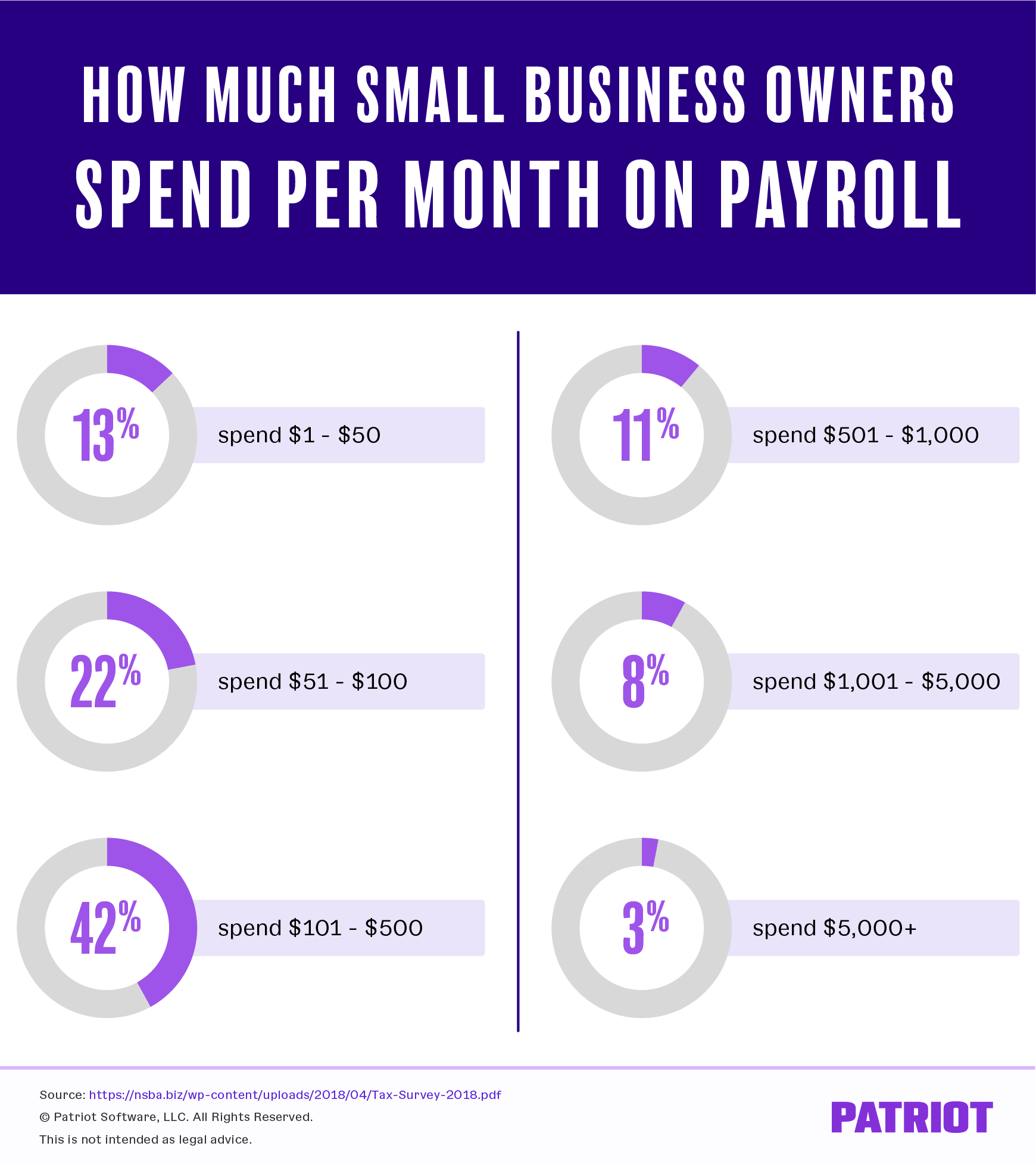
The operational necessity of managing payroll for a growing workforce represents one of the most significant administrative and financial commitments for small business owners in the current economic climate. For any enterprise with employees, the requirement to maintain a reputable system for processing compensation, withholding federal and state taxes, and ensuring the integrity of financial records is not merely a matter of convenience but a fundamental legal obligation. As businesses navigate an increasingly complex regulatory environment, the cost of these services has become a critical variable in annual budgeting. Current market data indicates that payroll pricing is highly stratified, ranging from a nominal few dollars per month for basic self-service tools to several thousand dollars for comprehensive, outsourced solutions. Determining whether a company is overpaying for these services requires a granular understanding of the components that drive costs, including headcount, service levels, and the technological infrastructure utilized.
The Historical Evolution of Payroll Management
To understand the current cost structures of payroll services, one must examine the chronological shift from manual ledger systems to the sophisticated Software-as-a-Service (SaaS) models of today. For decades, payroll was a labor-intensive manual process handled by internal bookkeepers or external accounting firms. The introduction of the Social Security Act in 1935 and the Fair Labor Standards Act in 1938 institutionalized the need for precise record-keeping and tax withholding in the United States.
By the 1970s and 1980s, the emergence of dedicated payroll bureaus allowed businesses to outsource the physical printing of checks and the calculation of tax liabilities. However, these services were often prohibitively expensive for very small firms. The true democratization of payroll services occurred in the early 2000s with the rise of cloud computing. This shift allowed for the "per-employee, per-month" (PEPM) pricing model that currently dominates the industry. Today, the landscape is defined by a spectrum of options ranging from DIY manual entry to Professional Employer Organizations (PEOs) that manage the entire human resources lifecycle.
Analyzing the Core Components of Total Payroll Expenditure
A business’s total payroll expenditure is a multi-layered figure that extends far beyond the net pay delivered to an employee’s bank account. Financial analysts categorize these costs into three primary pillars: direct compensation, mandatory and voluntary contributions, and administrative overhead.
Direct Compensation and Benefits
The most substantial portion of payroll cost is the gross wages or salaries paid to the workforce. This includes base pay, overtime, commissions, and bonuses. Furthermore, the cost of benefits—such as employer contributions to health insurance premiums, 401(k) matching, and paid time off (PTO)—must be factored into the total labor cost. According to the Bureau of Labor Statistics, benefits typically account for approximately 30% of total employee compensation costs in the private sector.
Statutory Tax Obligations
Employers are legally mandated to act as tax collectors for the government. This involves withholding federal income tax, as well as the employee’s portion of FICA (Federal Insurance Contributions Act) taxes, which comprise Social Security and Medicare. Beyond withholdings, the employer must pay their own share: 6.2% for Social Security (up to the annual wage base) and 1.45% for Medicare. Additionally, businesses are responsible for Federal Unemployment Tax (FUTA) and State Unemployment Tax (SUTA), the latter of which varies significantly based on the state of operation and the company’s claims history.
Administrative and Processing Fees
Administrative costs represent the price of the "engine" that runs the payroll. Whether a business uses software or a professional service, these costs often include base monthly fees, per-check or per-employee fees, and ancillary charges for year-end reporting, such as the generation and filing of W-2 and 1099 forms.
Comparative Data: What Small Businesses Are Paying
The National Small Business Association (NSBA) recently conducted a Small Business Taxation Survey to quantify the financial burden of compliance. The findings highlight a diverse range of spending habits among small business owners across various industries. The data suggests that while a segment of the market manages to keep costs low through automation, a significant portion of owners face substantial monthly invoices.
Market research into software-based payroll plans reveals a standard pricing architecture. Most providers charge a monthly base fee ranging from $20 to $80, supplemented by a per-employee fee of $4 to $12. The variance within these ranges is usually dictated by the inclusion of "full-service" features, such as automated tax filing, multi-state support, and integration with time-tracking or accounting software.

For businesses that opt for manual processing, the costs are often hidden but tangible. The National Federation of Independent Business (NFIB) notes that businesses paying via direct deposit without a software intermediary may face transaction fees ranging from $1.50 to $1.90 per transfer, along with initial setup fees that can reach $149. Furthermore, the "opportunity cost" of the time spent by an owner or manager manually calculating withholdings is a significant, albeit often unbooked, expense.
Methodology Comparison: Professional Services vs. Software vs. Manual Entry
The strategic choice of payroll methodology is the primary determinant of service cost. Each approach offers a different balance of risk, control, and financial outlay.
Outsourcing to Professionals and PEOs
Hiring a certified public accountant (CPA) or a Professional Employer Organization (PEO) is generally considered the most expensive route. Accountants may charge a flat monthly fee, a per-payroll run fee, or a percentage of total gross wages. PEOs often operate on a co-employment model, taking over the legal responsibilities of the employer. While this significantly reduces the risk of compliance errors and legal penalties, the cost can be substantial, often justified by the PEO’s ability to negotiate better rates for health insurance and workers’ compensation.
Cloud-Based Software Solutions
SaaS platforms have become the "middle ground" for modern enterprises. These systems automate the complex math of tax withholding and offer "guaranteed" accuracy. Full-service software options, such as those provided by Patriot Software, handle the actual deposit of taxes to the IRS and state agencies. This model is favored for its transparency and scalability; as a company grows, the cost increases incrementally rather than exponentially.
The Risks of Manual Payroll
While manual payroll (using spreadsheets or paper ledgers) appears the cheapest, it carries the highest risk. The Internal Revenue Service (IRS) frequently issues penalties for late deposits or incorrect filings. According to industry analysis, nearly one-third of small businesses penalized by the IRS for payroll errors cited the complexity of the tax code as the primary reason. Consequently, the "savings" from a manual approach can be instantly erased by a single administrative error.
Industry Reactions and Regulatory Implications
Industry advocacy groups have long voiced concerns regarding the complexity of payroll tax compliance for small enterprises. In statements following the NSBA survey, advocates emphasized that the "cost of compliance" is a regressive burden that hits the smallest firms the hardest. Larger corporations can amortize the cost of sophisticated payroll departments over thousands of employees, whereas a firm with three employees pays a significantly higher "per capita" rate for the same level of legal compliance.
Furthermore, the rise of the "gig economy" and remote work has introduced new layers of complexity. Businesses now frequently employ workers in multiple states, each with unique withholding requirements and local taxes. This has forced a shift in the market where "multi-state support" is no longer a luxury feature but a necessity, driving up the baseline cost of even entry-level software.
Broader Economic Impact and Strategic Optimization
The efficiency of payroll processing has broader implications for the national economy. Accurate and timely payroll ensures that tax revenues flow consistently to federal and state treasuries and that employees maintain trust in their employers. From a business strategy perspective, optimizing payroll costs is not just about finding the lowest price but about maximizing "value-per-dollar."
To optimize these costs, financial experts recommend several strategies:
- Bundling Services: Utilizing a single provider for payroll, time-keeping, and human resources can often result in lower aggregate fees.
- Direct Deposit Adoption: Eliminating paper checks reduces costs associated with check stock, postage, and the risk of check fraud.
- Automated Tax Filing: While full-service payroll costs more upfront, it eliminates the risk of expensive IRS penalties for filing errors.
- Regular Audits: Business owners should periodically review their payroll invoices for "feature creep"—paying for add-ons, such as advanced reporting or specialized garnishment services, that the business may not actually require.
Conclusion: Navigating the Path Forward
The bottom line for small business owners is that payroll service costs are a variable but manageable expense. The decision-making process must weigh the immediate monthly fee against the long-term risks of non-compliance and the value of administrative time. As the market continues to evolve toward greater automation and AI-driven compliance, the cost of entry for sophisticated payroll management is likely to remain competitive. However, the onus remains on the business owner to conduct thorough research, utilize free trials, and select a partner that offers transparent pricing without long-term contractual lock-ins. In an era where regulatory scrutiny is high and labor markets are tight, a reliable, cost-effective payroll system is an indispensable asset for any growing enterprise.