Lina Irawan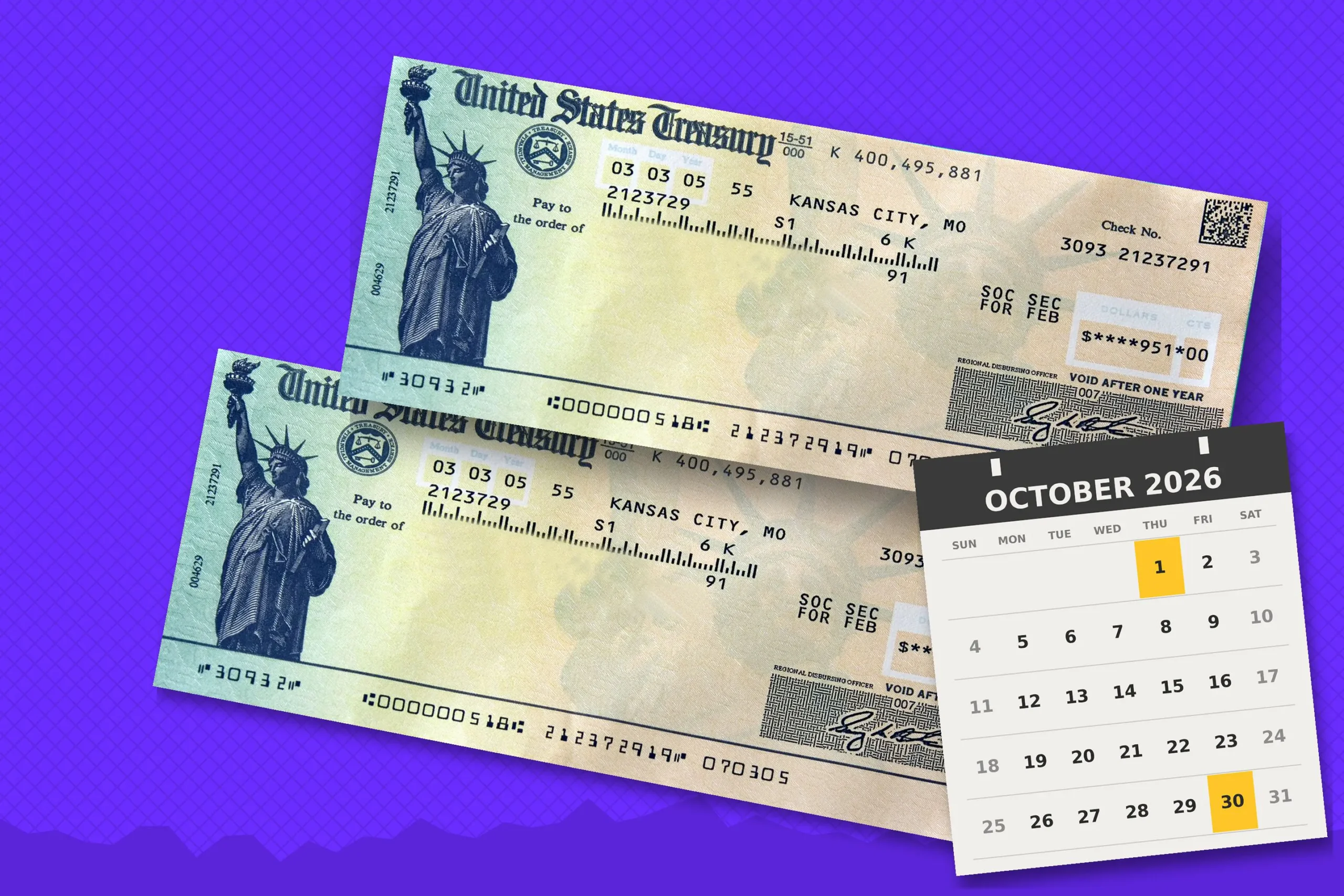
The Social Security Administration (SSA) has confirmed that certain beneficiaries will receive two payments in October, a recurring calendar phenomenon that affects Supplemental Security Income (SSI) recipients several times throughout the year. This double payment is not an error or an "extra" benefit, but rather a standard distributional adjustment designed to ensure timely disbursement when scheduled payment dates fall on weekends or federal holidays. This October’s dual payment for SSI recipients coincides with the eagerly awaited announcement of the 2027 Cost-of-Living Adjustment (COLA), a critical determinant of future benefit levels for millions of Americans.
Understanding the October Dual Payment for SSI Recipients
For approximately 68 million Americans who receive monthly Social Security benefits, including nearly 90% of individuals aged 65 and older, their payment schedule remains largely consistent. However, the approximately 8 million individuals who receive Supplemental Security Income (SSI) benefits operate under a slightly different payment calendar that is susceptible to shifts. In October, SSI beneficiaries are slated to receive their regular October payment on the scheduled date. Subsequently, due to a specific "quirk" in the calendar, they will also receive their November payment on October 31st.
This adjustment stems from the SSA’s policy to never distribute benefits on weekends or federal holidays. Instead, when a payment date falls on one of these non-business days, the benefits are advanced to the last preceding business day. For November 2026, the first day of the month falls on a Saturday. Consequently, the SSI payment typically scheduled for November 1st is moved forward to Friday, October 31st. While this provides beneficiaries with their funds earlier, it is crucial for recipients to understand that this means no separate SSI payment will be issued in the month of November. The November benefit will have already been disbursed.
The Distinct Roles of Social Security and Supplemental Security Income
To fully grasp these payment nuances, it’s essential to differentiate between Social Security benefits and Supplemental Security Income (SSI). Both programs are administered by the SSA, but they serve distinct purposes and have different eligibility requirements.
- Social Security: This program is an earned benefit, funded by payroll taxes (FICA contributions) paid by workers and their employers. Eligibility is based on an individual’s work history and contributions to the system over their lifetime. Benefits typically commence at retirement, disability, or upon the death of a primary earner (for survivors). The amount of Social Security an individual receives is directly linked to their average indexed monthly earnings (AIME) during their highest-earning years. As of early 2026, the average monthly Social Security benefit for retired workers was around $1,750, with a maximum benefit for those retiring at full retirement age reaching over $3,800.
- Supplemental Security Income (SSI): In contrast, SSI is a needs-based program designed to provide financial assistance to low-income individuals who are aged 65 or older, blind, or disabled. Unlike Social Security, SSI is funded by general tax revenues, not FICA contributions. Eligibility is determined by strict income and resource limits, which are reviewed periodically. The program acts as a crucial safety net for some of the most vulnerable populations in the United States, providing a baseline income to help meet essential living expenses. The maximum federal SSI benefit for an eligible individual in 2026 is $994 per month, while eligible couples can receive up to $1,491 per month. Many states also supplement the federal SSI payment with additional funds, further supporting their low-income residents. The average SSI payment in 2026 is approximately $736.
The establishment of the SSI program in 1972, which became effective in 1974, was a significant expansion of the federal government’s commitment to supporting its most vulnerable citizens. It replaced earlier state-run assistance programs for the aged, blind, and disabled, aiming to standardize and nationalize a minimum level of income support.
Payment Schedules: A Deeper Dive
For most Social Security beneficiaries, their payment date is determined by their birth date:
- Those born on the 1st through the 10th of a month receive their payments on the second Wednesday.
- Those born on the 11th through the 20th receive their payments on the third Wednesday.
- Those born on the 21st through the 31st receive their payments on the fourth Wednesday.
This schedule remains consistent regardless of weekends or holidays, as the SSA makes adjustments internally to ensure the payment reaches beneficiaries on the specified Wednesday. However, there are exceptions: individuals who began receiving Social Security benefits before May 1997, or who receive both Social Security and SSI benefits, typically receive their Social Security payment on the 3rd of each month.
It is this latter group – individuals who receive both Social Security and SSI – who will experience a unique three-payment month in October. They will receive their regular Social Security payment on October 3rd, their regular October SSI payment, and then their November SSI payment on October 31st. This specific scenario underscores the importance of beneficiaries meticulously reviewing their payment calendars and financial statements.
Navigating the Payment Shifts: Implications for Beneficiaries
While the SSA’s policy of advancing payments to the last business day before a weekend or holiday ensures beneficiaries receive their funds without delay, it necessitates careful financial planning, particularly for SSI recipients. Receiving two payments in one month and then none in the subsequent month can create budgeting challenges, especially for those living on fixed and limited incomes.
For example, an SSI recipient who receives their October and November payments in October must budget those funds to cover expenses for a longer period, including all of November, without an additional income stream from SSI until December 1st. Advocacy groups and financial advisors frequently recommend that beneficiaries, especially those on SSI, establish a buffer in their savings to manage these anticipated shifts in payment schedules. The SSA, through its official website and public outreach, consistently advises beneficiaries to check their payment schedules and plan accordingly.
Looking Ahead: Upcoming SSI Payment Schedule
The pattern of dual payments in a single month due to calendar quirks is not exclusive to October. SSI recipients can anticipate similar adjustments throughout 2026 and into 2027. The holiday season, in particular, often triggers such shifts.
Here’s an overview of the anticipated SSI payment schedule through early 2027, highlighting these shifts:
- October 2026:
- Regular October SSI payment (date varies, typically early in the month).
- November SSI payment: October 31st (due to Nov. 1st being a Saturday).
- November 2026: No separate SSI payment (as November’s payment was advanced to October).
- December 2026:
- Regular December SSI payment (date varies, typically early in the month).
- January 2027 SSI payment: December 31st (due to Jan. 1st, 2027, being a federal holiday – New Year’s Day).
- January 2027: No separate SSI payment (as January’s payment was advanced to December).
- February 2027: Regular February SSI payment: February 1st.
These predictable shifts are communicated well in advance by the SSA to allow beneficiaries and their caregivers to make necessary financial adjustments. The SSA’s online payment schedule tool and direct deposit notifications serve as primary resources for recipients.
The Crucial 2027 Cost-of-Living Adjustment (COLA) Announcement
Beyond the payment schedule adjustments, October also marks a pivotal moment for all Social Security beneficiaries: the announcement of the 2027 Cost-of-Living Adjustment (COLA). The SSA is scheduled to reveal the 2027 COLA on October 14th. This annual adjustment is vital as it helps Social Security and SSI benefits keep pace with inflation, thereby preserving the purchasing power of beneficiaries.
The COLA is calculated based on the annual change in the Consumer Price Index for Urban Wage Earners and Clerical Workers (CPI-W). Specifically, the SSA compares the average CPI-W for the third quarter (July, August, and September) of the current year with the average CPI-W for the third quarter of the previous year. The percentage increase, if any, determines the COLA. If there is no increase, benefits remain unchanged. This methodology was established by legislation in 1975, shifting from an ad-hoc congressional adjustment to an automatic annual review.
According to the most recent estimates from various advocacy groups and independent analysts, including The Senior Citizens League, Social Security recipients are currently projected to receive a 3.5% COLA for 2027. This figure, if it holds, would represent the largest increase in three years and a significant jump from the 2.8% COLA implemented for 2026. The final figure, however, remains contingent upon the September inflation data, which will be the last piece of the puzzle in the CPI-W calculation.
A 3.5% COLA would translate to a substantial increase for the average retiree. The Senior Citizens League estimates that such an adjustment would boost the average monthly Social Security benefit in 2027 by almost $68. For an individual receiving the average Social Security benefit of around $1,750 in 2026, a 3.5% increase would mean their monthly payment would rise to approximately $1,811.25. While this increase is designed to offset inflation, its real impact on beneficiaries’ finances can vary widely depending on their specific circumstances, including healthcare costs and other fixed expenses.
Broader Economic Context and Future Outlook
The regular disbursement of Social Security and SSI benefits, coupled with the annual COLA, plays a critical role in the U.S. economy and the financial stability of millions of households. These payments represent a significant portion of disposable income for a vast segment of the population, particularly for retirees and individuals with disabilities. Fluctuations in benefit amounts, whether due to calendar shifts or COLA adjustments, have ripple effects throughout various economic sectors, from consumer spending to healthcare expenditures.
The anticipated 3.5% COLA for 2027 reflects ongoing inflationary pressures in the economy. While beneficial for recipients in terms of maintaining purchasing power, it also underscores the persistent challenges of rising living costs. The SSA’s commitment to transparently communicating these changes, through official announcements and resources, is crucial for empowering beneficiaries to manage their finances effectively. As the nation approaches the end of 2026 and looks towards 2027, the timely and accurate distribution of these vital benefits remains a cornerstone of America’s social safety net.