Candice Horbacz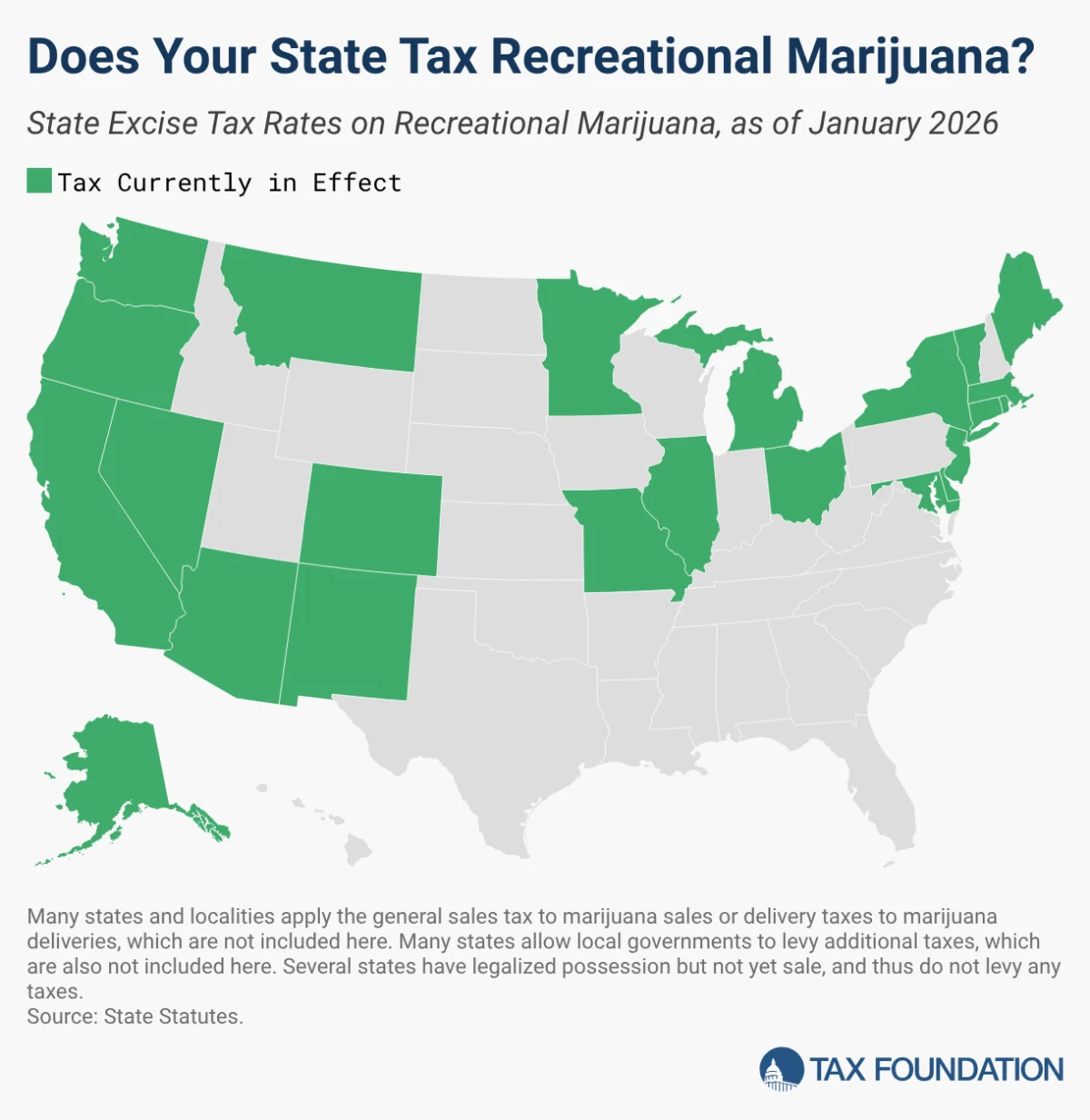
The landscape of recreational marijuana taxation across the United States in 2026 presents a complex and varied picture, reflecting a decade and a half of evolving state-level policy, economic imperatives, and public health considerations. While the federal government continues to maintain cannabis as a Schedule I controlled substance, numerous states have forged ahead with legalization, establishing intricate regulatory and fiscal frameworks to govern the burgeoning industry. These frameworks are designed not only to generate significant revenue for state coffers but also to address social justice concerns, fund public services, and mitigate potential public health impacts. However, understanding the true tax burden on recreational marijuana requires looking beyond just the state excise tax rates, as many jurisdictions layer on general sales taxes, local government levies, and even specific delivery taxes, creating a multifaceted financial mosaic for consumers and businesses alike.
The Dawn of Legalization: A Brief Chronology and Policy Evolution
The journey toward state-level recreational marijuana taxation began in earnest in November 2012 when Colorado and Washington became the first states to legalize cannabis for adult use through ballot initiatives. This marked a pivotal shift in drug policy, moving from prohibition to regulated markets. Colorado, for instance, implemented a multi-layered tax structure from the outset, including a 15% excise tax on the average market rate of wholesale marijuana and a 10% special sales tax on retail sales, in addition to the standard state sales tax. Washington followed suit with a 25% excise tax at three points in the supply chain (producer to processor, processor to retailer, retailer to consumer), a system later simplified to a single 37% retail excise tax.
Following these initial groundbreaking steps, a steady stream of states joined the legalization movement. Alaska and Oregon passed similar measures in 2014, with California, Massachusetts, Maine, and Nevada following in 2016. The momentum continued into the 2020s, with states like Arizona, Montana, New Jersey, New York, Virginia, and New Mexico enacting adult-use cannabis laws, often with a strong emphasis on social equity components alongside revenue generation. By 2026, the number of states with legalized recreational marijuana sales is projected to exceed twenty-five, each having refined or established its own distinct tax regime. This gradual, state-by-state adoption has created a patchwork of regulations and tax rates, driven by diverse local economic conditions, political ideologies, and social objectives. The federal government’s continued stance of prohibition, despite the growing number of states legalizing, has added another layer of complexity, particularly impacting interstate commerce, banking, and the application of federal tax code provisions like 280E, which prevents cannabis businesses from deducting ordinary business expenses.
Deconstructing the Tax Landscape: Diverse State Models in 2026
By January 2026, state excise taxes on recreational marijuana continue to be the primary mechanism for generating dedicated cannabis revenue, but the methodologies vary significantly. These taxes are typically levied at the point of sale to the consumer, or earlier in the supply chain (e.g., cultivation or wholesale), and are then passed on through the product’s final price.
-
Ad Valorem (Percentage-Based) Taxes: This is the most common approach, where a percentage of the retail price of cannabis products is collected.
- California (15%): Maintaining its 15% excise tax on the retail sale of cannabis products, California’s system aims for simplicity but has faced criticism regarding its impact on competitive pricing against the illicit market. This tax is applied on top of local cultivation taxes and the standard statewide sales tax.
- Illinois (Tiered 10-25%): Illinois employs a tiered system based on THC potency. By 2026, the state is expected to continue its structure of taxing cannabis flower at 10%, cannabis products with less than 35% THC at 20%, and products with 35% or more THC (like concentrates and edibles) at 25%. This approach is designed to discourage consumption of higher-potency products, aligning with public health objectives, while also maximizing revenue from diverse product categories.
- Arizona (16%): Arizona maintains a straightforward 16% excise tax on recreational marijuana sales. This is applied in addition to the state’s transaction privilege tax (sales tax), making the total tax burden substantial for consumers.
- New York (Variable by Product Type): New York’s system, fully operational by 2026, is unique in that it levies taxes at multiple points: an excise tax on distributors based on milligrams of THC (0.005 cents per mg for flower, 0.008 cents per mg for concentrates, 0.003 cents per mg for edibles), followed by a 13% state and local retail sales tax. This hybrid model aims to capture value at different stages of the supply chain and account for potency.
-
Weight-Based Taxes (Per Ounce/Gram): Some states opt for taxes based on the weight of the product, typically raw cannabis flower.
- Oregon ($35/Ounce Flower): Oregon’s system primarily relies on a flat excise tax per ounce of cannabis flower. While simple and predictable for revenue forecasting, critics argue it doesn’t account for potency differences within flower strains and can disproportionately impact lower-cost, higher-volume producers.
- Nevada ($10/Ounce Flower): Nevada imposes a wholesale excise tax of 15% on the wholesale value of cannabis, and then a 10% retail excise tax on sales to consumers. While not strictly weight-based at the retail level, its earlier wholesale tax component effectively acts as a weight/value hybrid on cultivators.
-
Potency-Based Taxes (Per Milligram THC): This emerging model taxes products based on their psychoactive content, often seen as a public health-oriented approach.
- Connecticut ($0.00625/mg THC): Connecticut’s system, fully implemented by 2026, applies excise taxes based on THC content: $0.00625 per milligram of THC for cannabis flower, $0.009 per milligram for edibles, and $0.00311 per milligram for other products. This detailed system aims to differentiate tax burdens based on the potential psychoactive effects and production costs of various product types, a complex but increasingly favored method for public health advocates.
- New York (as described above): New York’s system also incorporates a potency-based component at the distribution level, signaling a trend towards more granular taxation.
Beyond the Excise Tax: The Broader Tax Burden
The "State Excise Tax Rates" only tell part of the story. The total tax burden on recreational marijuana consumers and businesses is often significantly higher due to additional levies:
- General Sales Tax: Most states apply their standard statewide sales tax to recreational marijuana sales, similar to other retail goods. These rates typically range from 4% to 8% and are added on top of any specific cannabis excise taxes. For example, a state with a 15% excise tax and a 6% sales tax would effectively have a 21% tax rate before local additions.
- Local Option Taxes: A substantial portion of the overall tax revenue is often derived from local government taxes. Cities and counties in many legal states are permitted to levy their own additional taxes on cannabis sales, cultivation, or businesses. These rates can vary widely, from 1% to 10% or even higher in some municipalities. In Denver, Colorado, for instance, an additional city sales tax and a special sales tax on recreational marijuana are applied, significantly increasing the final price for consumers within city limits. These local taxes are crucial for funding local services and are often a key incentive for local jurisdictions to permit cannabis businesses within their boundaries.
- Delivery Taxes: As cannabis delivery services expand, some states and localities have begun to implement specific taxes on these transactions. While not yet widespread, this trend reflects an effort to capture revenue from new market segments and potentially manage logistical impacts.
- Cultivation/Wholesale Taxes: Several states also impose taxes earlier in the supply chain, such as on cultivation (per pound of flower) or at the wholesale level. These upstream taxes are ultimately passed down to the consumer in the final retail price, contributing to the overall cost, even if they aren’t explicitly listed as a retail excise tax. California’s previous cultivation tax, though repealed in 2022 and absorbed into the retail excise tax, illustrates this historical approach.
The cumulative effect of these various taxes means that the actual tax rate a consumer pays can often be 25-40% or even higher, depending on the state and specific locality. This comprehensive tax burden is a critical factor influencing market dynamics, consumer behavior, and the ongoing competition with the illicit market.
Economic Impetus and Revenue Streams: A Fiscal Lifeline
The primary driver for many states to legalize and tax recreational marijuana has been the promise of substantial new tax revenue. Projections often estimate hundreds of millions, if not billions, of dollars annually once markets mature. This revenue is typically earmarked for various public services:
- Education: A common recipient, with funds directed towards K-12 schools, higher education, or specific educational programs.
- Infrastructure: Investments in roads, public transportation, and other essential infrastructure projects.
- Public Health and Safety: Funding for drug addiction treatment, mental health services, law enforcement, and regulatory oversight of the cannabis industry.
- Social Equity Programs: Increasingly, states are dedicating a portion of cannabis tax revenue to communities disproportionately affected by past drug prohibition, funding initiatives like expungement programs, business incubators, and community reinvestment.
- General Fund: A portion of the revenue often flows into the state’s general fund, providing flexibility for various budgetary needs.
While initial revenue projections can sometimes be overly optimistic, established markets like Colorado and California have consistently generated hundreds of millions in annual tax revenue. Colorado, for example, has collected over $2 billion in cannabis tax revenue since 2014, demonstrating the significant fiscal impact of a mature market. By 2026, states are increasingly using sophisticated economic models to refine their tax rates, aiming to strike a balance between maximizing revenue and ensuring the competitiveness of the legal market against persistent illicit operations.
Industry and Consumer Reactions: Navigating the Tax Maze
The diverse and often high tax rates have elicited strong reactions from various stakeholders.
From the Cannabis Industry:
"The patchwork of high taxes, especially when combined with local levies and the federal 280E tax code, places an immense burden on licensed businesses," stated Sarah Jenkins, spokesperson for the National Cannabis Industry Association. "By 2026, many operators are still struggling to compete with the illicit market, which has no tax overhead. We consistently advocate for more sensible tax rates that promote market stability, encourage consumers to transition to the legal market, and allow legitimate businesses to thrive and create jobs." Industry leaders often point to instances where high cumulative taxes have kept legal prices significantly above black market prices, inadvertently perpetuating illicit sales and undermining the very goals of legalization. They call for tax reforms that consider the entire supply chain and the impact on small businesses and social equity licensees.
From Consumer Rights Advocates:
"Consumers deserve access to safe, tested cannabis products at reasonable prices," commented David Chen, a consumer rights advocate specializing in regulated markets. "While we understand the need for tax revenue, excessive taxation can make legal products unaffordable for many, driving them back to unregulated sources where product safety is a serious concern. By 2026, it’s clear some states need to re-evaluate if their tax structures are truly serving the public interest or simply creating an expensive, exclusive market." Consumers often express frustration over the significant price differential between legal and illicit cannabis, highlighting how tax policies directly impact affordability and accessibility.
From Tax Policy Analysts:
"The evolution of cannabis taxation by 2026 reflects a dynamic policy experiment," explained Dr. Eleanor Vance, a senior fellow at the Tax Policy Institute. "States are grappling with balancing revenue generation, public health goals, and the practicalities of market competition. Potency-based taxes, while complex, represent an attempt to align tax policy with public health objectives, similar to how alcohol is taxed based on proof. However, the cumulative effect of state excise, general sales, and local taxes, especially in the absence of federal legalization, creates a uniquely challenging environment for cannabis businesses compared to other regulated industries." Analysts often emphasize the importance of data-driven adjustments to tax rates as markets mature, to avoid stifling legal commerce while still generating adequate public funds.
Regulatory Frameworks and Public Health Considerations
The tax structure is intimately linked with the broader regulatory framework governing cannabis. States that have adopted potency-based taxes, for example, often do so with an explicit public health objective: to discourage the consumption of high-THC products by making them more expensive. This approach mirrors taxation strategies for alcohol and tobacco, where higher taxes are placed on products deemed to have greater public health risks.
However, the complexity of these tax systems also poses regulatory challenges. Ensuring compliance, preventing tax evasion, and accurately tracking products through the supply chain (from seed to sale) are significant undertakings. The ongoing battle against the illicit market remains a major concern, as high taxes can inadvertently create a strong incentive for consumers and producers to operate outside the legal framework, undermining state control over product safety and quality.
The Federal Conundrum and Future Outlook
Despite the robust state-level tax regimes in place by 2026, the persistent federal prohibition of cannabis casts a long shadow over the entire industry. This federal stance creates several critical challenges:
- Banking Access: Legal cannabis businesses often struggle to access traditional banking services, forcing them to operate largely in cash, which presents security risks and complicates tax compliance.
- Federal Tax Code (280E): Section 280E of the IRS tax code prohibits businesses that traffic in Schedule I or II controlled substances from deducting ordinary business expenses, leading to significantly higher effective tax rates for cannabis companies compared to other industries. This federal tax burden, combined with high state and local taxes, can make profitability extremely difficult for even well-run operations.
- Interstate Commerce: The lack of federal legalization prevents legal interstate commerce, limiting market efficiency and forcing states to maintain isolated supply chains, which can lead to price disparities and supply issues.
Looking ahead, the discussion around federal cannabis reform continues to evolve. Should the federal government eventually move to reschedule or deschedule cannabis, or enact federal legalization, it would dramatically alter the tax landscape. A federal tax framework could potentially simplify the existing patchwork of state taxes, address the 280E issue, and open up interstate commerce. However, even with federal action, states would likely retain significant autonomy in setting their own excise and sales taxes, similar to alcohol and tobacco.
The year 2026 represents a mature but still dynamic phase in recreational marijuana taxation. States continue to refine their approaches, balancing the imperative for revenue generation with the desire to foster a robust, equitable, and safe legal market. The interplay of diverse tax models, the cumulative impact of various levies, and the ongoing federal-state legal dichotomy ensure that the conversation around optimal cannabis tax policy remains central to the future of the industry. As more states consider legalization and existing markets mature, the lessons learned from the complex tax structures of 2026 will undoubtedly shape the policies of tomorrow.