Nila Kartika Wati
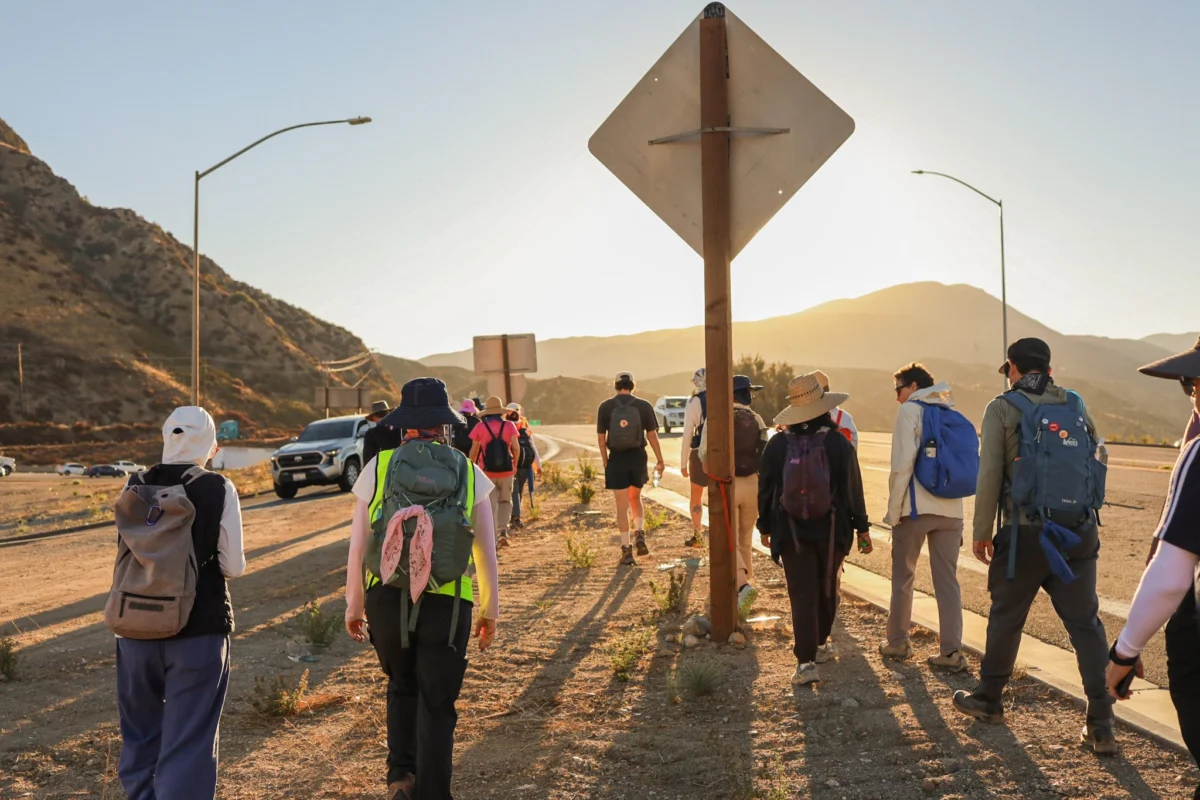
Under a sweltering Southern California sun, a coalition of faith leaders, migrant justice advocates, and families impacted by the American immigration system completed a grueling 96-mile trek from the High Desert to the heart of Los Angeles this week. The "Clear the Road to Freedom" Interfaith Pilgrimage, which began at the Immigration and Customs Enforcement (ICE) detention complex in Adelanto on September 26, concluded Tuesday at the Metropolitan Detention Center in downtown Los Angeles. The eight-day journey was designed to draw national attention to what organizers describe as a humanitarian crisis within the nation’s detention system, marked by record-breaking incarceration rates and a pattern of medical neglect.
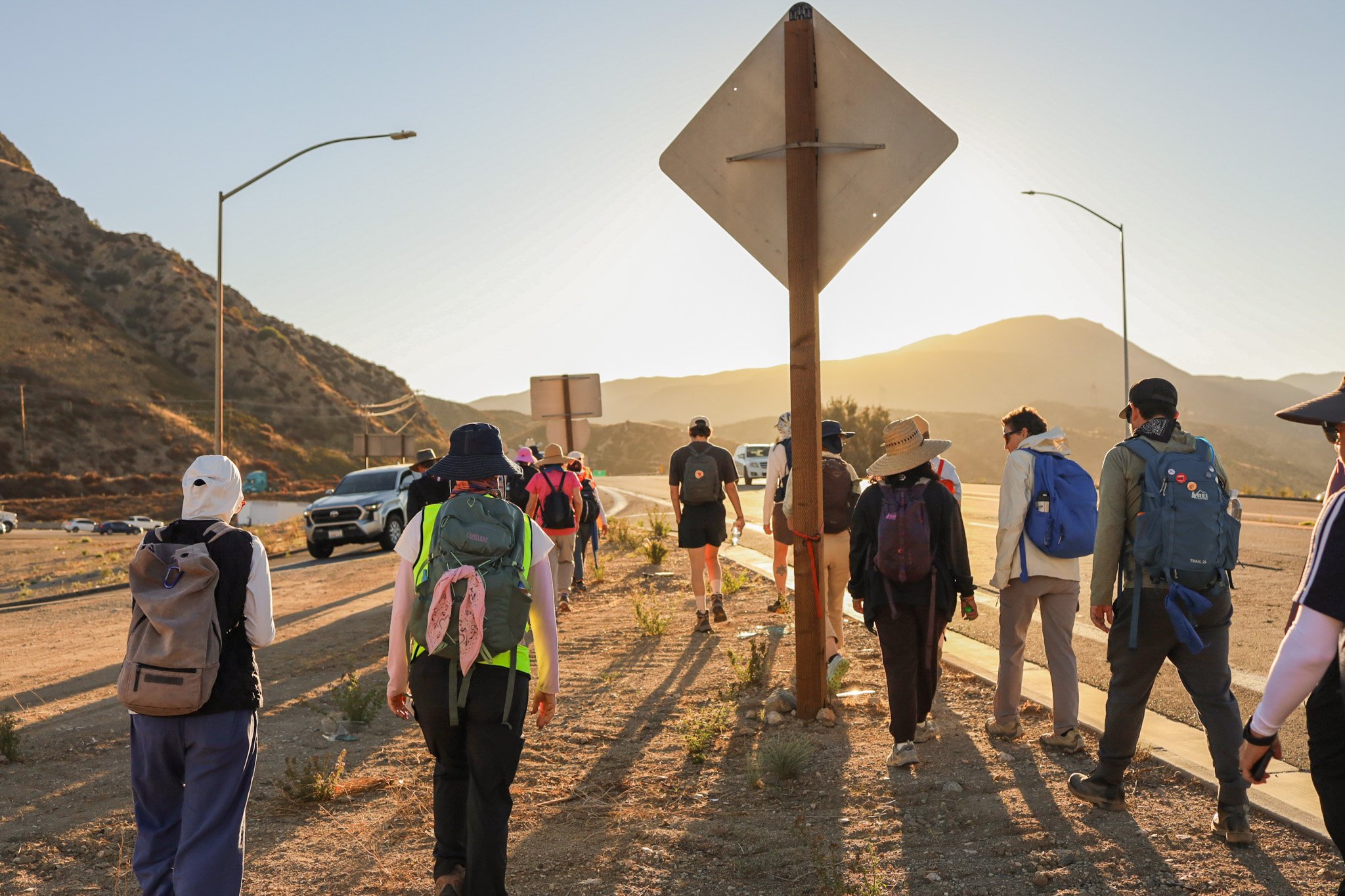
The pilgrimage was led by a core group of over a dozen participants who traversed a diverse and punishing landscape, including desert flats, mountain passes, and dense urban corridors. The march occurred during a period of record-breaking October heat, with temperatures frequently exceeding 100 degrees Fahrenheit. Despite the physical toll, participants maintained a steady pace, stopping nightly at local churches, synagogues, and community centers for vigils, shared meals, and storytelling sessions centered on the lives of those currently held in federal custody.
A Legacy of Displacement and Trauma
For many participants, the journey was deeply personal. One participant, identified by the pseudonym Cristiana to protect her family’s privacy, noted that returning to Adelanto was an act of "hope and repair." Over a decade ago, Cristiana made the two-hour drive from Los Angeles to the Adelanto facility regularly so her three young daughters could visit their father, a Mexican migrant who was detained there before eventually being deported.
"I remember them being so young and not understanding why their dad had gone to work one day and never came back," Cristiana said. "I see the trauma that it caused." Her story reflects a broader pattern of family separation that has become a cornerstone of the advocacy movement in Southern California. For Cristiana, the 96-mile walk served as a physical manifestation of the long, arduous road to justice that many migrant families face.
The pilgrimage was spearheaded by several prominent nonprofit organizations, including Clergy and Laity United for Economic Justice (CLUE Justice), Nefesh (a Jewish community organization in Los Angeles), and Sacred Resistance, a ministry of the Episcopal Diocese of Los Angeles. They were joined by grassroots groups such as No Concentration Camps California, the Shut Down Adelanto Coalition, and the Inland Coalition for Immigrant Justice.
The Adelanto Complex: A Flashpoint for Controversy
The starting point of the pilgrimage, the Adelanto ICE Processing Center, has long been a focal point for human rights investigations. Operated by the private prison corporation GEO Group, the complex consists of three facilities that currently house over 2,000 detainees. In recent years, the site has been the subject of scathing reports from civil rights organizations and state officials.
California Attorney General Rob Bonta has previously issued warnings regarding the "inhumane conditions" at Adelanto, citing poor sanitation and inadequate access to legal counsel. Furthermore, investigations by Disability Rights California have highlighted a systemic denial of medical and mental health care. These deficiencies have allegedly led to tragic outcomes.
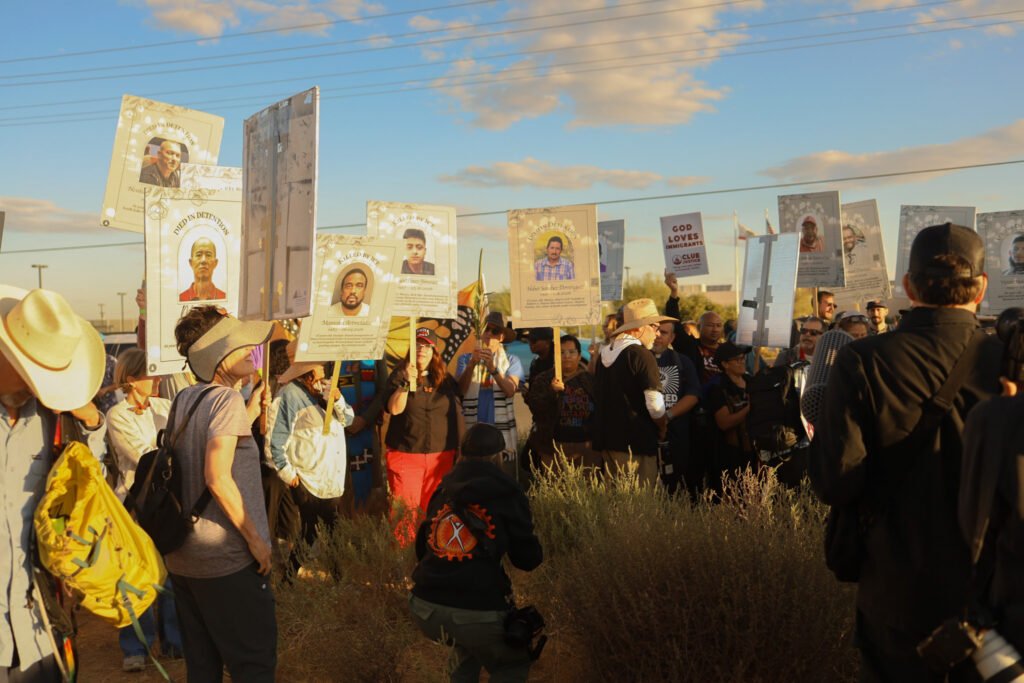
In the past year alone, two deaths have been reported at the facility. In October 2023, 54-year-old Gabriel García-Avilés died from cardiac arrest shortly after his arrival. More recently, in September 2024, 39-year-old Ismael Ayala-Uribe, a former DACA recipient, died following a medical emergency. Reports indicate that while medical staff identified a life-threatening abscess, Ayala-Uribe was not transferred to a hospital for surgery until three days later, by which point his condition had become terminal. Throughout the pilgrimage, marchers carried placards bearing the images of García-Avilés and Ayala-Uribe, transforming the event into a mobile memorial for those who died in federal custody.
Statistical Context: A Ballooning Detention System
The "Clear the Road to Freedom" pilgrimage comes at a time when the U.S. immigration detention system is operating at historic levels. According to data from the Transactional Records Access Clearinghouse (TRAC) at Syracuse University, more than 65,000 individuals were held in ICE detention nationwide as of July 2024. This follows a record peak in January 2024, when the detainee population reached approximately 73,000.
California remains a primary hub for this infrastructure. Despite state-level efforts to phase out private detention facilities, eight centers across the state continue to hold more than 6,400 migrants. Michelle Arkin, a lead organizer with No Concentration Camps California, pointed out that the state holds the third-highest number of detainees in the country. "The fact that more people are not enraged is devastating," Arkin stated, emphasizing that the pilgrimage was intended to pierce public apathy through a "peaceful, beautiful, and dramatic" demonstration of solidarity.
The Chronology of the Pilgrimage
The eight-day event followed a rigorous schedule designed to maximize visibility and community engagement:
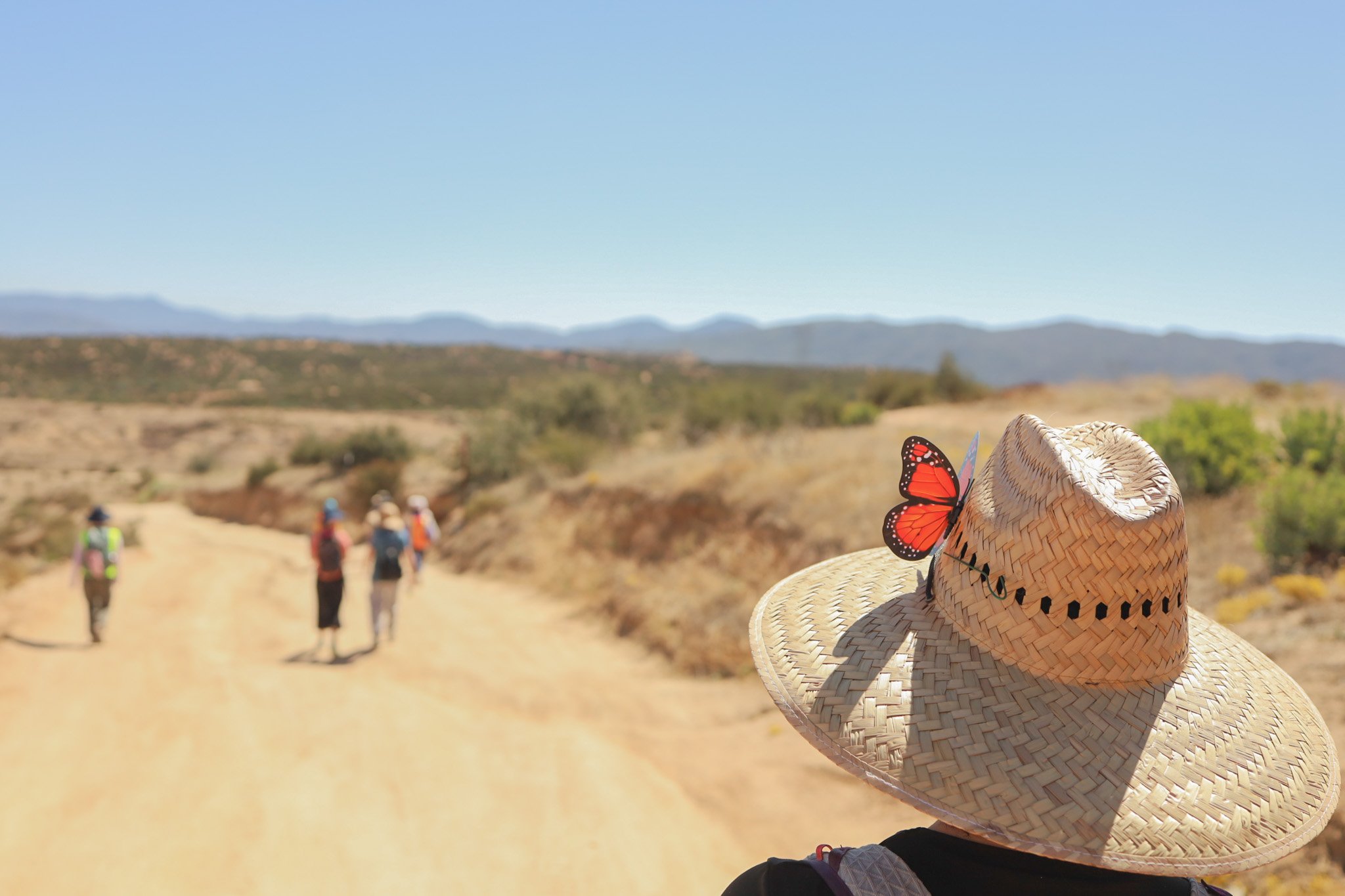
- September 26: The pilgrimage commenced at the Adelanto ICE Processing Center with a blessing from interfaith leaders. The group began the steep ascent through the Cajon Pass, facing high winds and rising temperatures.
- September 27–30: The marchers moved through the Inland Empire, stopping in cities like San Bernardino and Fontana. Local congregations provided sanctuary for the walkers, hosting evening programs that connected the pilgrimage to the historical tradition of the "Sanctuary Movement" of the 1980s.
- October 1: The group entered the San Gabriel Valley. By this stage, the physical strain of the 96-mile journey was evident, yet the core group was bolstered by local residents who joined for several-mile stretches.
- October 2: The penultimate day saw the group move through Alhambra. The heatwave intensified, but the proximity to Los Angeles brought an influx of new supporters and media attention.
- October 3: The final leg began in East Los Angeles. As the pilgrims approached Plaza de la Raza, they were met by musicians and cheering crowds. The march concluded with a massive vigil at the Metropolitan Detention Center in downtown Los Angeles.
Reclaiming Faith from Political Narratives
A significant theme of the pilgrimage was the intersection of spirituality and social activism. Jennifer Gutierrez, Executive Director of CLUE Justice, framed the walk as a "sacred practice" intended to highlight a moral failure in American society. "This is us taking a spiritual journey and a way of calling out where we have been separated from God, where we have failed as a culture… to care for our neighbor," Gutierrez said.
Participants also sought to provide a counter-narrative to the "Christian Nationalist" rhetoric often associated with the MAGA movement and the Trump administration’s immigration policies. Organizers argued that the teachings of the Bible—specifically those regarding the treatment of "the stranger" and the vulnerable—mandate a compassionate approach to migration rather than one rooted in incarceration and deterrence.
Michelle Arkin noted that the movement feels a responsibility to "claim our faith and the teachings of Christ" to protect those targeted by federal enforcement. This theological stance has led to increased direct action; in recent months, clergy members have been arrested at protests in New Jersey, Vermont, and Minnesota, signaling a growing rift between religious communities and federal immigration authorities.
Institutional Response and Broader Implications
While ICE has historically maintained that its facilities meet rigorous "National Detention Standards" and provide necessary medical care, the persistent reports of neglect at facilities like Adelanto have fueled calls for systemic reform. The pilgrimage advocates for several specific policy changes, including the closure of the Adelanto complex, the abolition of profit-driven private prisons, and the expansion of community-based alternatives to detention.
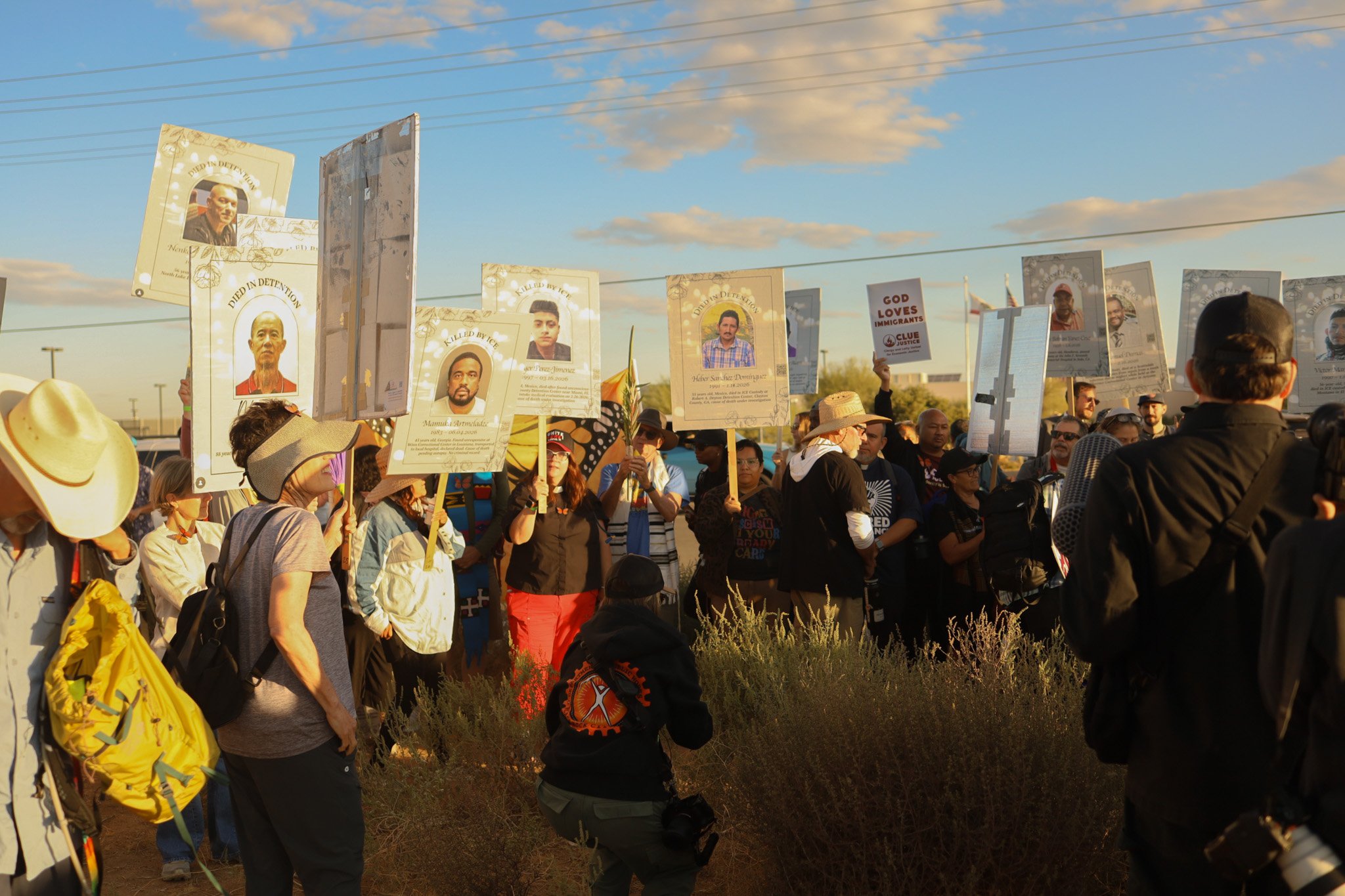
CLUE Justice has already begun implementing practical support systems, such as an immigration bond fund that helps migrants secure release so they can fight their legal cases from within their communities. They also operate a visitation program that trains volunteers to monitor conditions inside jails and provide emotional support to those detained.
The completion of the 96-mile walk is unlikely to be the end of the mobilization. Organizers indicated that the momentum generated by the pilgrimage will be channeled into upcoming legislative sessions in Sacramento and Washington, D.C. As the 2024 election cycle intensifies, the treatment of migrants remains a polarizing issue, yet the "Clear the Road to Freedom" participants argue that human rights should transcend partisan politics.
As the final vigil concluded on Tuesday evening, the names of those who died in detention were read aloud, followed by a moment of silence. For the pilgrims, the 96 miles represented more than a distance on a map; it was a testament to the endurance of the human spirit and a demand for a future where, in the words of Jennifer Gutierrez, "no one is disappeared by a system that has forgotten their humanity."