Dwi Wanna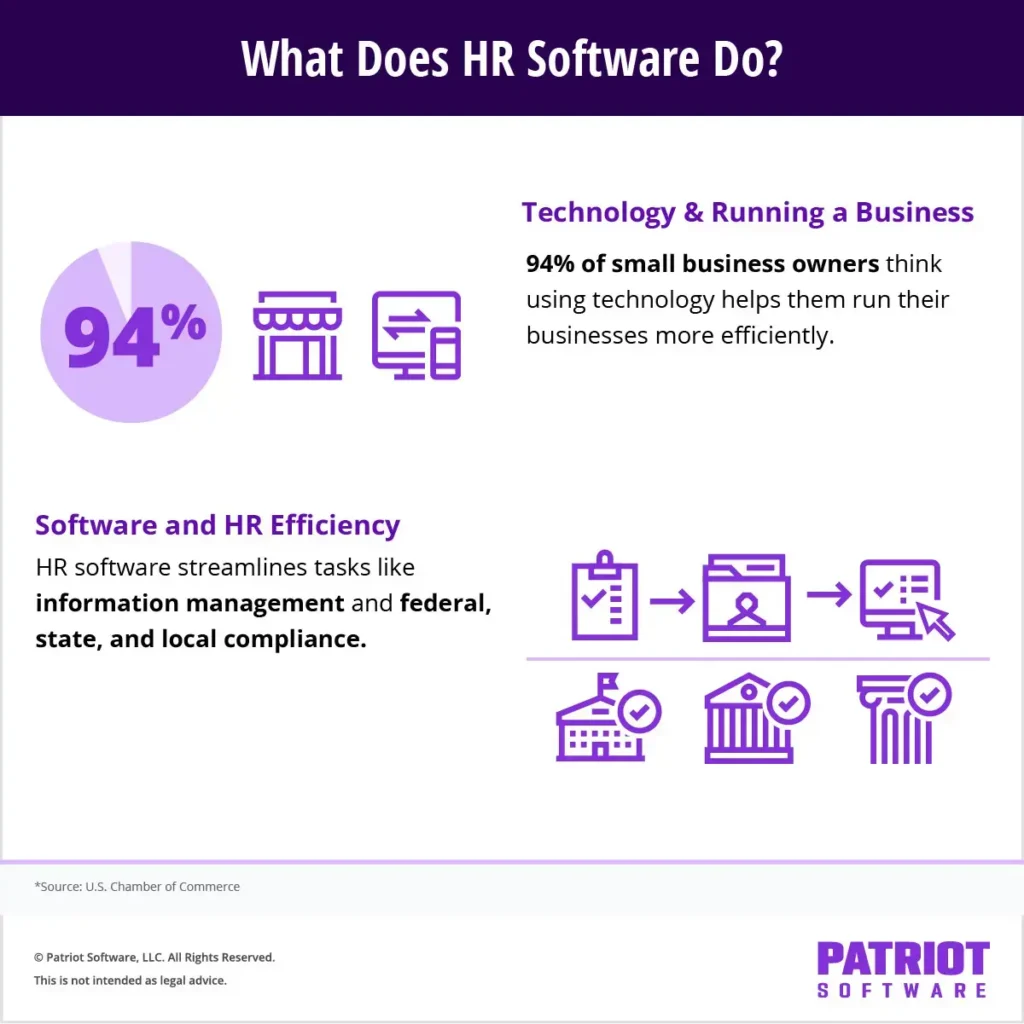
The landscape of small business management has undergone a fundamental transformation over the last decade, shifting from manual, paper-based recordkeeping to sophisticated, cloud-based digital ecosystems. As federal and state labor regulations grow increasingly complex, small business owners are frequently confronted with the challenge of balancing operational growth with the administrative weight of human resources management. HR software, once considered a luxury reserved for large enterprises, has emerged as a critical utility for small businesses seeking to maintain compliance, improve employee retention, and optimize administrative workflows.
According to recent data from the U.S. Chamber of Commerce, approximately 94% of small business owners report that the integration of technology, specifically specialized software platforms, has significantly increased the efficiency of their daily operations. This shift is driven by the necessity to manage a wide array of responsibilities, including policy development, recruitment, onboarding, compensation, benefits administration, and performance management. For the modern small business, HR software serves as a centralized repository that streamlines these processes, moving beyond simple data entry to provide actionable insights and automated safeguards against regulatory lapses.
Historical Context and the Evolution of HR Technology
The evolution of human resources management within the small business sector can be categorized into three distinct eras. In the pre-digital era, HR was characterized by physical filing cabinets, manual ledger entries for payroll, and physical bulletin boards for labor law posters. Compliance was a reactive process, often resulting in errors during audits or tax filings.
The second era, beginning in the early 2000s, saw the introduction of localized desktop software. While this improved data storage, it lacked the connectivity required for real-time updates and employee self-service. The current era, defined by the Software-as-a-Service (SaaS) model, provides small businesses with the same level of technological sophistication as Fortune 500 companies. The post-pandemic shift toward remote and hybrid work models has further accelerated this adoption, as employers required digital means to manage distributed teams across different tax jurisdictions and regulatory environments.
Core Functional Components of Modern HR Platforms
The primary value proposition of HR software lies in its ability to centralize disparate data points into a single, cohesive system. For a small business, this functionality typically manifests in several key areas:
1. Digital Information Management and Security
Modern platforms eliminate the need for physical documentation by providing secure, encrypted cloud storage for sensitive employee files. This includes the storage of I-9 forms, W-4s, performance reviews, and emergency contact information. Beyond mere storage, these systems implement role-based access controls, ensuring that sensitive data—such as compensation history or medical leave information—is only accessible to authorized personnel, thereby meeting the privacy standards required by laws such as the CCPA and GDPR where applicable.
2. Regulatory Compliance and Automated Alerts
Compliance remains the most significant risk factor for small businesses. HR software mitigates this risk through automated alerts for document expiration, such as certifications or work authorizations. Many platforms now include "law alerts" that notify owners of changes in state-specific labor laws, minimum wage increases, or new mandatory training requirements. This proactive approach reduces the likelihood of costly litigation or Department of Labor (DOL) penalties.
3. Standardized Policy Templates and Handbook Builders
Creating a legally sound employee handbook is a significant hurdle for new businesses. HR software often provides customizable templates that cover essential policies, including anti-discrimination, equal employment opportunity (EEO), and family leave policies. These builders allow owners to generate state-specific handbooks that can be digitally distributed and signed by employees, creating a verifiable audit trail of policy acknowledgment.
4. Integrated Learning Management Systems (LMS)
As professional development becomes a key driver of employee retention, many HR platforms have integrated Learning Management Systems. These allow employers to assign and track mandatory training, such as sexual harassment prevention—which is now legally required in states like California, New York, and Illinois—and workplace safety protocols.

The Economic Impact of HR and Payroll Integration
One of the most significant trends in the industry is the convergence of HR software with online payroll systems. For small businesses, managing these two functions in silos often leads to data redundancy and increased error rates. Integration ensures that a single employee record serves as the source of truth for both departments. When an employee’s salary is updated in the HR module, the change is automatically reflected in the payroll calculations, ensuring that tax withholdings and benefit deductions remain accurate.
Data from industry analysts suggest that integrated platforms can reduce the time spent on administrative tasks by as much as 30% to 40%. This efficiency gain translates directly into cost savings, allowing small business owners to redirect their focus toward revenue-generating activities. Furthermore, integrated systems provide a better "Employee Self-Service" (ESS) experience, allowing staff to access pay stubs, update personal information, and view benefits packages through a single portal, which has been shown to improve overall employee satisfaction.
Supporting Data: Cost vs. Return on Investment
While the implementation of HR software involves a recurring subscription cost, the Return on Investment (ROI) is measured through risk mitigation and time recovery. A study on small business compliance found that the average cost of a single employment-related lawsuit can exceed $150,000, including legal fees and settlements. By ensuring that proper documentation is maintained and that labor laws are followed, HR software acts as a form of "administrative insurance."
Furthermore, for businesses with five or more employees, the manual tracking of sick leave, vacation time, and benefits eligibility becomes exponentially more difficult. Automated reporting features in HR software allow for the rapid generation of EEO-1 reports and new hire reporting, tasks that would otherwise take hours of manual data collation.
Chronology of Implementation: Transitioning from Manual Systems
For businesses currently relying on spreadsheets and paper files, the transition to a digital HR system typically follows a structured chronology:
- Audit and Data Collection: The organization gathers all existing employee data, including EINs, tax information, and historical payroll records.
- Provider Selection and Configuration: The business selects a platform—such as Patriot Software or similar providers—and configures the system to reflect its specific organizational structure, including manager designations and department-level permissions.
- Data Migration: Employee information is imported into the new system. High-quality providers often offer migration assistance to ensure data integrity.
- Policy Digitization: Existing employee handbooks and policies are uploaded or rebuilt using the software’s templates.
- Employee Onboarding: Staff are granted access to the self-service portal, where they can verify their information and complete any outstanding compliance training.
- Continuous Monitoring: The business enables automated alerts for compliance updates and regular reporting intervals.
Official Perspectives and Industry Reactions
Professional organizations, including the Society for Human Resource Management (SHRM), have long advocated for the adoption of digital tools in small business settings. SHRM representatives have noted that the "democratization of HR technology" allows small firms to compete with larger corporations for talent by offering professional onboarding experiences and robust benefits administration.
Regulatory bodies also indirectly favor the use of such software. The accuracy provided by automated systems leads to fewer discrepancies in tax filings and labor reports, which simplifies the oversight process for agencies like the Internal Revenue Service (IRS) and the Social Security Administration (SSA).
Broader Implications for the Future of Small Business
As we look toward the future, the role of HR software in small businesses is expected to expand into the realm of artificial intelligence and predictive analytics. Emerging features include sentiment analysis to gauge employee morale and AI-driven recruitment tools that help eliminate bias in the hiring process.
However, the core value remains rooted in the fundamentals: organization, compliance, and efficiency. For the small business owner, the decision to adopt HR software is no longer just about "going paperless." It is a strategic move to insulate the business from legal risk and to create a scalable foundation for future growth. In an era where labor markets are tight and regulatory scrutiny is high, the ability to manage human capital with precision is a significant competitive advantage.
In conclusion, while the initial price tag of HR software may be a consideration for budget-conscious owners, the long-term benefits of streamlined reporting, automated compliance, and integrated payroll functionality provide a clear path to operational maturity. By leveraging these tools, small businesses can ensure they remain compliant with federal, state, and local laws while providing a modern, professional environment for their most valuable asset: their employees.