Julia Chirkova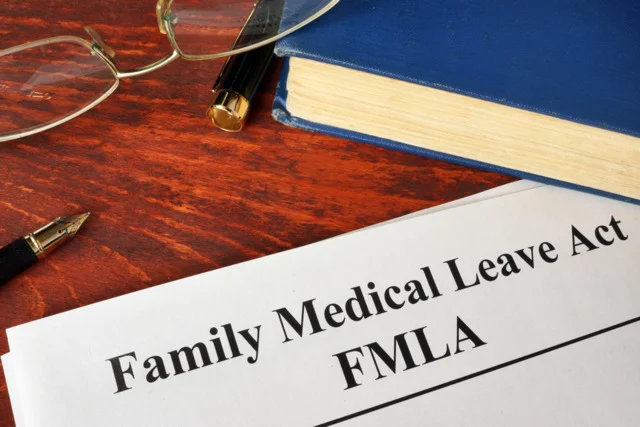
The American Institute of CPAs (AICPA) has formally submitted recommendations and requested comprehensive guidance from the Department of the Treasury and the Internal Revenue Service (IRS) concerning Section 45S of the Internal Revenue Code, which pertains to the paid family and medical leave credit. This proactive engagement stems from significant amendments to the credit made by the One Big Beautiful Bill Act (OBBBA), for which no official guidance has yet been issued. The AICPA’s intervention aims to ensure tax practitioners and employers have the clarity needed to navigate these crucial changes, particularly as the updated provisions are set to become effective in the 2026 tax year.
Expanding Access to Paid Leave Benefits
Section 45S, as amended by the OBBBA, has substantially broadened the eligibility criteria for employers to access the paid family and medical leave credit. Previously, a more restricted group of employers could claim this valuable tax incentive. However, the new legislation has opened the door to a wider array of businesses, recognizing the growing importance of paid leave as a critical employee benefit. This expansion is a significant development, aligning with a national trend towards greater support for workers during periods of family or medical necessity.
The core requirement for claiming the credit, as defined in Section 45S(c), remains centered on an employer’s commitment to establishing a written policy that adheres to specific program parameters. This policy must ensure a defined level and duration of paid leave coverage for all "qualifying employees." The AICPA’s request for guidance highlights the need for precise interpretations of these requirements under the amended law, particularly concerning how the broader eligibility impacts policy design and compliance for a diverse range of businesses.
AICPA’s Key Recommendations and Areas for Guidance
The AICPA’s detailed letter to the Treasury and IRS outlines several critical areas where clarity is urgently needed. These recommendations are designed to facilitate the smooth implementation of the enhanced credit and to assist tax professionals in advising their clients effectively. While the original text did not enumerate these specific areas, a comprehensive request for guidance on an amended tax credit typically would encompass:
- Definition of "Qualifying Employees" under the New Legislation: Clarification on whether the OBBBA’s expansion of employer eligibility also alters the definition or scope of employees considered "qualifying" for the purpose of the credit. This is crucial for employers to accurately determine which employees’ leave benefits contribute to the credit calculation.
- Minimum Benefit Levels and Duration: Specific guidance on the precise minimum wage replacement rates and the required duration of paid leave that employers must offer to qualify for the credit. This includes understanding any tiered structures or new thresholds introduced by the OBBBA.
- Coordination with State and Local Paid Leave Laws: Guidance on how the federal Section 45S credit interacts with existing or emerging state and local paid family and medical leave mandates. This is a complex area, and employers need to understand how to avoid double-counting benefits or navigating overlapping compliance requirements.
- Documentation and Record-Keeping Requirements: Clear instructions on the types of documentation employers must maintain to substantiate their claims for the credit. This includes details on how to document the written leave policy, employee eligibility, and the actual leave taken and paid.
- Calculation of the Credit: Step-by-step guidance on the methodology for calculating the credit, especially for employers with varying employee structures or benefit plans. This might include details on how to handle part-time employees, seasonal workers, or those with different accrual rates.
- Effective Dates and Transition Rules: Precise information regarding the effective dates of the OBBBA’s changes to Section 45S and any transitional rules that may apply to employers making policy adjustments. The AICPA specifically notes the 2026 effective date for the amended section 45S changes.
- Application of the Credit to Different Business Structures: Guidance on how the credit applies to various business entities, such as partnerships, S-corporations, and sole proprietorships, particularly concerning self-employed individuals or owner-employees.
- Interaction with Other Tax Credits and Benefits: Clarification on whether claiming the Section 45S credit affects an employer’s eligibility for other tax benefits or deductions.
Background and Context of Section 45S
The Section 45S paid family and medical leave credit was originally established by the Tax Cuts and Jobs Act of 2017. Its purpose was to incentivize employers to provide paid leave to employees for qualifying family and medical reasons, such as the birth or adoption of a child, or to care for a family member with a serious health condition. The credit was designed to help bridge the gap for workers who might otherwise face significant financial hardship when taking necessary time off.
The OBBBA, a more recent legislative act, has significantly updated and expanded this credit. The key enhancements likely include making the credit permanent, which provides long-term certainty for businesses investing in paid leave, and broadening the eligibility criteria. This latter point is particularly significant, as it suggests that more types and sizes of businesses can now benefit from offering this crucial employee support. The AICPA’s engagement underscores the importance of these legislative changes and the need for regulatory bodies to provide timely and actionable guidance to the tax community.
Timeline and the Path to Compliance
The amended Section 45S provisions are slated to become effective for the 2026 tax year. This means that employers must ensure their written leave policies are compliant with the new regulations during the first full year that these changes are in effect. The AICPA’s proactive approach is crucial for allowing employers sufficient time to understand the requirements, review and potentially revise their existing leave policies, and implement any necessary operational changes.
The process leading up to the 2026 effective date involves several stages:
- Legislative Enactment: The OBBBA introduced changes to Section 45S.
- AICPA’s Advocacy: The AICPA submitted its letter requesting guidance and offering recommendations.
- Treasury and IRS Action: The Treasury Department and IRS are expected to review the AICPA’s recommendations and subsequently issue official guidance, which may take the form of regulations, notices, or revenue procedures.
- Employer Preparation: Employers, advised by tax professionals, will then adapt their policies and practices to align with the issued guidance.
- Compliance Period: The amended Section 45S provisions become effective in the 2026 tax year, requiring employers to have compliant policies in place for that year and beyond.
Expert Commentary and the Significance of Guidance
Kristin Esposito, AICPA Director of Tax Policy & Advocacy, emphasized the critical role of clear guidance in a statement: "The Paid Family and Medical Leave credit is now permanent and has been enhanced, allowing more employers to offer paid family and medical leave as a benefit to their employees. The purpose of our letter is to help practitioners obtain clarity on how to implement the changes to the credit." This statement highlights the dual benefit of the credit: it empowers employers to support their workforce while also providing them with a tangible tax incentive. The absence of guidance, however, creates uncertainty and potential compliance risks.
The implications of this request for guidance are far-reaching. For businesses, clarity on Section 45S means they can confidently invest in and administer paid leave programs, knowing they are meeting federal requirements and can benefit from the tax credit. This, in turn, can lead to improved employee morale, retention, and overall workforce productivity. For tax practitioners, detailed guidance is essential for providing accurate and reliable advice to their clients, helping them maximize their tax benefits and avoid penalties.
Broader Impact and Future Outlook
The AICPA’s engagement with the Treasury and IRS on Section 45S reflects a broader trend towards increased recognition of the importance of employee well-being and work-life balance. As more states and municipalities implement their own paid leave programs, the federal credit serves as a vital mechanism to encourage broader adoption and provide a unified incentive for businesses operating across different jurisdictions.
The expectation is that the Treasury and IRS will respond to the AICPA’s request by issuing comprehensive guidance that addresses the ambiguities created by the OBBBA’s amendments. This guidance will be instrumental in ensuring that the intended benefits of the enhanced Section 45S credit are fully realized by a wider range of American businesses and their employees, fostering a more supportive and resilient workforce. The AICPA’s advocacy demonstrates a commitment to supporting its members and the business community in navigating the complexities of tax law and policy.