Candice Horbacz
North Carolina has significantly strengthened its tax competitiveness over the past decade, meticulously aligning its state tax code with the bedrock principles of sound tax policy: simplicity, transparency, neutrality, and stability. This strategic shift has positioned the Tar Heel State as an economic powerhouse, attracting businesses and residents alike. However, the very success driving this growth has inadvertently brought a critical component of its fiscal landscape—local property taxes—under intense scrutiny, prompting an urgent statewide discussion on reform. While property taxes remain the primary revenue source for local governments, funding essential services like schools, infrastructure, and public safety, their recent trajectory warrants careful re-evaluation to ensure they support, rather than hinder, North Carolina’s continued prosperity.
Across the state, homeowners are confronting sharply higher tax bills, directly tied to rapidly appreciating property valuations and periodic county reappraisals. These increases frequently outpace the rate of inflation, eroding household purchasing power and often occurring without a corresponding, discernible improvement in the quantity or quality of local services. The burden extends beyond property owners, indirectly impacting renters through elevated housing costs, thereby creating a disconnect that threatens to undermine the very fairness and efficiency the state’s broader tax reforms have diligently sought to achieve. Evaluating reform proposals through a comprehensive lens is therefore essential; only changes that restore balance—without distorting investment or unfairly shifting costs—will ensure North Carolina’s local tax system remains a pillar of its economic appeal.
North Carolina’s Economic Boom and the Rising Property Tax Dilemma
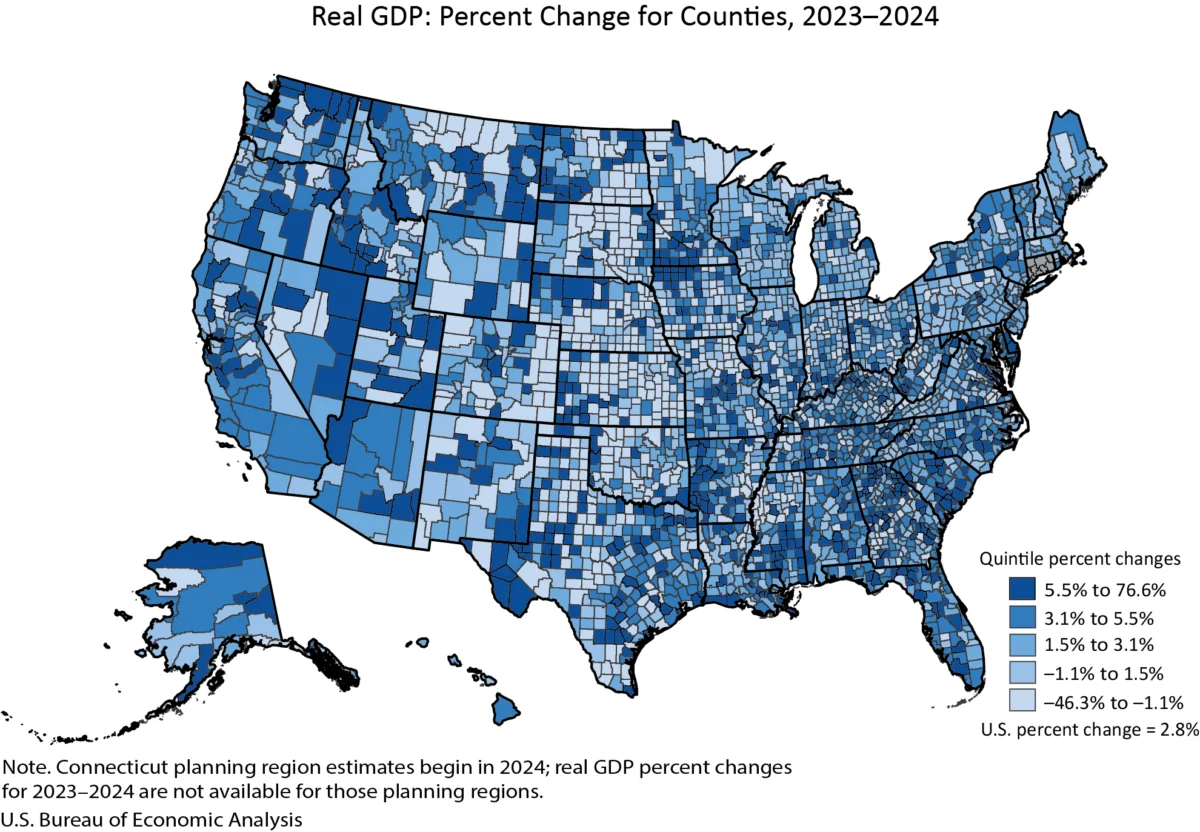
The current property tax conundrum in North Carolina is, in many ways, an unintended consequence of its remarkable economic success. Over the last decade, the state has consistently ranked among the nation’s top destinations for business and population growth. Major companies, particularly in the technology, manufacturing, and life sciences sectors, have established or expanded operations, drawing in thousands of new residents. This influx of capital and people has fueled a robust real estate market, leading to a dramatic surge in property values across urban, suburban, and even rural areas. For many localities, these higher valuations have been welcomed as a means to generate additional revenue, often resulting in substantially higher tax bills for homeowners, even when household incomes have not risen at a commensurate pace. This dynamic has created a significant strain on the budgets of long-time residents, particularly those on fixed incomes, and has exacerbated broader housing affordability challenges.
However, the narrative is not uniform across all 100 counties. While some localities have opted to leverage these higher valuations to increase their revenue streams, others have consciously chosen to adjust their tax rates downwards, declining to fully capitalize on the windfall. This disparity highlights the crucial role of local policy decisions in shaping the property tax burden experienced by residents.
Economists generally view property taxes favorably among major revenue sources, particularly for local governments. Land, by its nature, has a fixed supply, and built-up real estate exhibits a low elasticity of supply and demand. Consequently, taxing property tends to create relatively little economic distortion, often referred to as "deadweight loss," when compared to taxes on labor, capital, or consumption. Furthermore, local services—such as schools, roads, and public safety—directly capitalize into property values, making the property tax a reasonable proxy for benefits received. Its high visibility also promotes accountability: excessive increases quickly generate public opposition, as has been observed recently, thereby encouraging fiscal restraint among local officials. Nationwide, property taxes comprise more than 70 percent of local government tax revenue and over 30 percent of combined state and local tax collections, according to US Census Bureau data. In North Carolina, they are indispensable for funding core local services, underscoring that any reform efforts must preserve this stable base while responsibly addressing recent pressures.
Dissecting the Data: Valuations vs. Revenue Growth
Data analysis from sources like the Federal Housing Finance Agency (FHFA) House Price Index corroborates that North Carolina home values have grown faster than the national average in recent years. Specifically, from 2018 to 2025, the inflation-adjusted FHFA index indicates stronger appreciation in the state, reflecting its economic vibrancy but also signaling burgeoning affordability challenges. Crucially, however, rising property values have not automatically translated into one-to-one increases in tax bills. An examination of North Carolina Department of Revenue (NCDOR) data reveals a Pearson Coefficient of Correlation of 0.52 between changes in home values and property tax revenues across counties. This moderate positive connection indicates that while there’s a relationship, it’s not absolute; only about half the time do significant changes in home prices in a county correspond to fairly similar-sized changes in property tax revenue. The only other variable that directly determines property tax revenue is the levy rate itself. Therefore, local rate-setting decisions explain a substantial portion of the variation in revenue growth, debunking the simplistic notion that soaring property values alone are solely to blame for skyrocketing tax bills.
A deeper dive into fiscal year data further supports this distinction. From FY 2018 to FY 2023, statewide real property values rose by an average of 12.26 percent. Yet, during the same period, property tax revenues grew by a more modest 5.27 percent. This significant gap demonstrates that local governments collectively offset more than half of the potential revenue gain that would have resulted from higher valuations by consciously lowering their tax rates. This crucial finding illustrates that rapid value growth need not automatically produce commensurate tax increases when policymakers exercise restraint and prioritize taxpayer burden.
The outcomes, however, vary significantly by county, reflecting diverse local policy approaches. In 64 of North Carolina’s 100 counties, revenue growth actually exceeded value growth, suggesting active decisions to increase collections despite rising property values. Among the five counties with the fastest-rising property values, only three recorded inflation-adjusted revenue increases. Notably, Mecklenburg County, home to Charlotte and one of the largest and fastest-growing counties, paradoxically recorded a decline in real property tax collections during this period. This suggests a deliberate effort by Mecklenburg officials to reduce rates, thereby providing relief to taxpayers even amidst booming property values. Conversely, the top 10 counties for revenue growth—Johnston, Cherokee, Watauga, Cabarrus, Transylvania, Chatham, Camden, Onslow, Lincoln, and McDowell—saw several exceeding 20 percent growth, indicating aggressive revenue collection strategies. These stark disparities unequivocally highlight that high tax bills in certain jurisdictions are often a direct consequence of local policy choices rather than an inevitable outcome of market forces. Therefore, any meaningful reform must deliver tangible relief to overburdened homeowners while simultaneously avoiding penalties on governments that have demonstrated fiscal efficiency and restraint. Policies must remain neutral, objective, and administratively straightforward to minimize unintended consequences and ensure equitable application.
Exploring Avenues for Reform: Why Levy Limits Stand Out
In response to widespread taxpayer concerns, various reform proposals have been explored by local governments across the country. Each approach carries its own set of advantages and disadvantages, impacting market dynamics, fairness, and administrative complexity.
-
Assessment Limits: These policies cap the annual growth in assessed values, often at a fixed percentage, such as 3 to 5 percent. While they may temporarily shield current property owners from sudden spikes, they invariably create a "lock-in effect." This phenomenon discourages existing homeowners from moving, even when their purchasing power increases or their housing needs change, as relocating would trigger a new assessment at full market value, erasing years of accrued assessment caps. This disproportionately disadvantages new entrants to the market and younger buyers, who are forced to pay taxes on much higher assessed values than their neighbors. Assessment caps also disincentivize major home renovations and new construction, both of which often trigger a new assessment and thus higher taxes. Furthermore, governments can often offset these constraints by raising rates on the uncapped portion of the tax base, leading to inequities and market distortions that frequently undermine the long-term effectiveness of such limits.
-
Targeted Relief Programs: North Carolina already utilizes targeted relief programs, such as homestead exclusions or "circuit breakers" that cap taxes as a percentage of income for specific vulnerable groups, including seniors, disabled residents, or low-income households. These measures provide direct, much-needed assistance to qualifying individuals and can serve as useful supplements to broader reforms, especially when narrowly tailored to address specific hardships. However, they primarily address symptoms rather than root causes, cover only subsets of taxpayers, and can inadvertently shift burdens onto non-qualifying property owners, and in some cases, renters, without actually slowing overall property tax revenue growth.
-
Truth-in-Taxation Requirements: These requirements are designed to improve transparency by mandating public notices and hearings before tax increases are enacted. States like Arizona employ clear notices that explicitly show residents the dollar impact on a typical home and compare proposed bills to what they would be in the absence of an increase. Utah’s experience demonstrates significant benefits when truth-in-taxation is paired with stronger structural limits. However, data from other states, such as Nebraska, suggest that revenues can continue to rise when such legislation is not combined with additional constraints. While transparency alone lacks direct enforcement power, it becomes highly effective when integrated with structural limits that empower taxpayers with information to hold their local governments accountable.

-
Rate Caps: These policies mandate an upper bound to the levy rate that can be charged by a jurisdiction on the value of property. While seemingly straightforward, rate caps prove ineffective in an environment of surging property valuations, as local governments can simply maintain the cap while the tax base expands, leading to higher revenue. They can also hamstring local governments during periods of declining property values, making it difficult to maintain essential services without raising the rate above the cap, which might be legally prohibited.
The Case for Levy Limits: A Balanced and Effective Approach
Among the various reform options, levy limits stand out as the most effective and least distortive. These policies cap the annual growth in total property tax revenue (the "levy") from existing properties, typically adjusting the cap for inflation and, in some models, population growth. Crucially, new construction and development are excluded from this cap, allowing revenue to naturally expand with population and economic growth, thereby ensuring that new development contributes to the tax base without penalizing existing homeowners. When property values rise faster than the established levy cap, tax rates automatically decline, providing direct relief to taxpayers. This approach directly constrains the overall tax burden, enforces fiscal discipline on local governments, and maintains uniform, market-based assessments free of the artificial caps or resets that plague assessment limits.
Unlike assessment limits, levy limits impose no penalties on home sales, major renovations, or new buyers, thus avoiding the "lock-in effect" and fostering a more dynamic housing market. They provide broad, neutral protection to all property owners against unlegislated tax hikes driven by market surges. By targeting the core issue—excessive revenue growth—rather than individual bills, levy limits preserve local flexibility through established voter-approved overrides for genuine needs, such as emergency services or specific infrastructure projects, ensuring local autonomy is balanced with taxpayer protection.
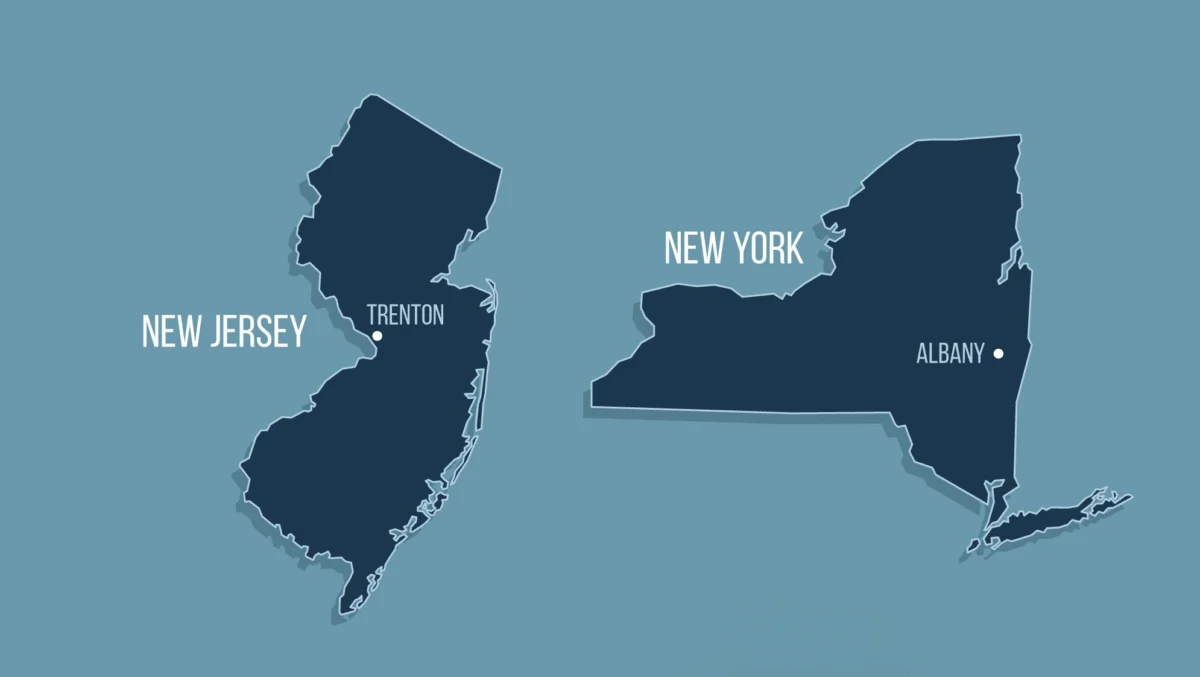
Other states offer compelling evidence of the effectiveness of levy limits. Washington state’s levy limits have successfully protected taxpayers amid sharply rising property values, demonstrating how to accommodate new growth without unduly burdening existing property owners. Similarly, New York’s two percent annual levy limit (or inflation, whichever is lower) has demonstrably moderated property tax growth and improved alignment with prevailing economic conditions. Both cases illustrate slower per-capita tax increases and better fiscal outcomes without sacrificing essential public services, proving that a balance between revenue stability and taxpayer relief is achievable.
Implementing Levy Limits in North Carolina: A Practical Framework
For North Carolina, the adoption of a statutory or constitutional levy limit on revenue growth derived from the existing property base, explicitly excluding new construction, would represent a sound and strategically aligned tax policy. Pairing such a limit with robust truth-in-taxation requirements would maximize transparency, empowering citizens to understand the implications of proposed tax changes and hold their elected officials accountable. To maintain vital local flexibility and responsiveness to unforeseen circumstances, reasonable override mechanisms should remain available, typically via voter approval or a declared emergency.
A practical revenue formula for a North Carolina levy limit would be straightforward:
Maximum Levy$_t+1$ = Prior Year Levy$_t$ × (1 + Inflation Rate$_t$)
The corresponding tax rate would then be calculated as:
Tax Rate = Maximum Levy / (Total Assessed Value – New Construction Value)
This formula ensures that the maximum revenues a local government may collect in any given year from existing properties cannot exceed the previous year’s revenues, adjusted for inflation. The resulting levy rate is then uniformly applied to all properties, both old and new. This design is critical, as it allows new properties and developments to generate revenue outside the cap, thereby supporting growth-related demands on local services without increasing the tax burden on existing properties.
Consider an illustrative example: If a county’s prior year levy was $1,000,000 and the inflation rate is two percent, the maximum collection from the existing tax base this year would be $1,020,000. If the total assessed value of all property in the county is $20,000,000, and $5,000,000 of that value comes from new construction, the taxable base for the existing levy limit would be $15,000,000. The uniform tax rate would then be calculated as $1,020,000 / $15,000,000 = 0.068, or 6.8 percent of home values. This rate would then apply to all properties, including new construction, ensuring a consistent and fair application of the tax.
Such a structured approach aligns seamlessly with ongoing legislative efforts to strike a crucial balance between providing meaningful taxpayer relief and ensuring stable funding for essential local services. It wisely avoids extreme measures, such as outright repeal of property taxes, which could destabilize local funding mechanisms and forgo the economic advantages of a low-distortion tax.
North Carolina’s current property tax pressures largely stem from localized responses to property valuation growth that has outpaced income growth in many areas. A meticulously designed levy limit, robustly supported by truth-in-taxation principles, offers a comprehensive, neutral, and equitable solution. It promotes fiscal efficiency, protects homeowners fairly from unlegislated tax increases, and sustains the state’s hard-won competitive tax environment. Implementing such reforms would not only reinforce North Carolina’s attractiveness for investment and residency but also foster greater accountability at the local level, ensuring that local governance remains responsive to the financial well-being of its citizens. The pathway to sustained prosperity for the Tar Heel State hinges on its ability to evolve its local tax system to reflect current economic realities and safeguard the financial stability of its residents.