Candice Horbacz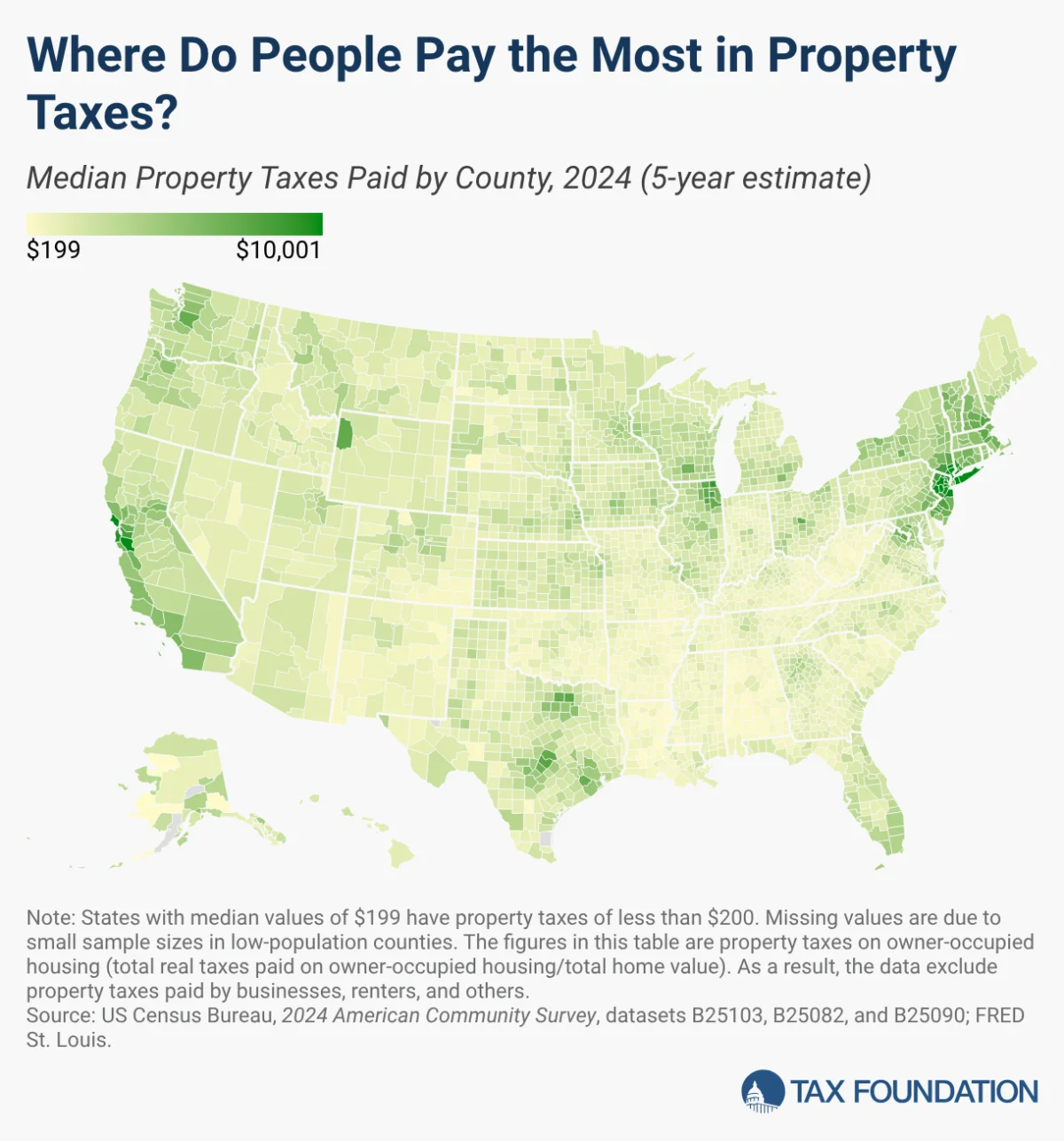
The U.S. property tax system stands as the principal mechanism for funding local government services, a fiscal backbone supporting communities nationwide. In fiscal year 2023, property taxes accounted for a substantial 28.9 percent of all state and local tax collections across the United States, positioning it as the largest single source of tax revenue. This significance is amplified at the local level, where property taxes alone furnished an overwhelming 70.0 percent of local tax collections. These revenues are instrumental in financing essential public services that directly impact residents’ daily lives, including K-12 education, the maintenance of local roads and infrastructure, public safety through police and fire departments, and emergency medical services, alongside various parks and recreational facilities. The reliance on property taxes is deeply embedded in the structure of American local governance, reflecting a historical commitment to local control over local funding.
The Bedrock of Local Governance: A Deeper Look
The evolution of the property tax as the primary funding source for local governments traces back centuries, rooted in agrarian societies where land ownership was a clear indicator of wealth and a stable tax base. Over time, as the economy diversified, the tax base expanded to include improvements on land, such as buildings and other immovable property, as well as, in some jurisdictions, tangible personal property like vehicles and equipment. This foundational role persists today due to several inherent advantages. Property, unlike income or sales, is largely immobile, providing a stable and predictable revenue stream for local authorities. This predictability is crucial for long-term planning and funding of critical services that cannot fluctuate wildly with economic cycles, offering a robust foundation for bond issuances and capital projects.
Local governments, from bustling metropolitan areas to sparsely populated rural counties, leverage this revenue to provide the services most immediately felt by their constituents. Schools, often the largest recipients of property tax dollars, benefit from a dedicated local funding source that allows communities to invest directly in their children’s education, funding everything from teacher salaries and classroom materials to facility maintenance and extracurricular programs. Road maintenance, a constant necessity, ensures safe and efficient transportation within towns and cities, supporting commerce and daily commutes. Police and fire departments, critical for public safety and emergency response, are largely sustained by these local levies, allowing for tailored services that meet specific community needs rather than relying solely on broader state or federal allocations. This localized funding model fosters a direct relationship between taxpayers and the services they receive, embodying the "benefit principle" of taxation where those who pay are often those who benefit most from well-maintained neighborhoods and robust public services.
Varying Fiscal Philosophies: State Approaches to Property Taxation
While property taxes are predominantly a local affair, state policies significantly shape their application and impact. States exhibit diverse fiscal philosophies concerning the balance between local property taxes and other major tax categories, such as income or sales taxes. Some states, like New Hampshire and Texas, demonstrate a pronounced reliance on property taxes, often in the absence of broad-based state income or sales taxes. This model typically entails a greater devolution of authority to local governments, empowering them with more responsibility for funding a wider array of public services than their counterparts in states with different revenue structures. This fiscal independence can lead to strong local accountability and responsiveness to community preferences but also results in significant variations in tax burdens and service levels between communities, potentially creating "tax havens" and "tax burdens" within the same state.
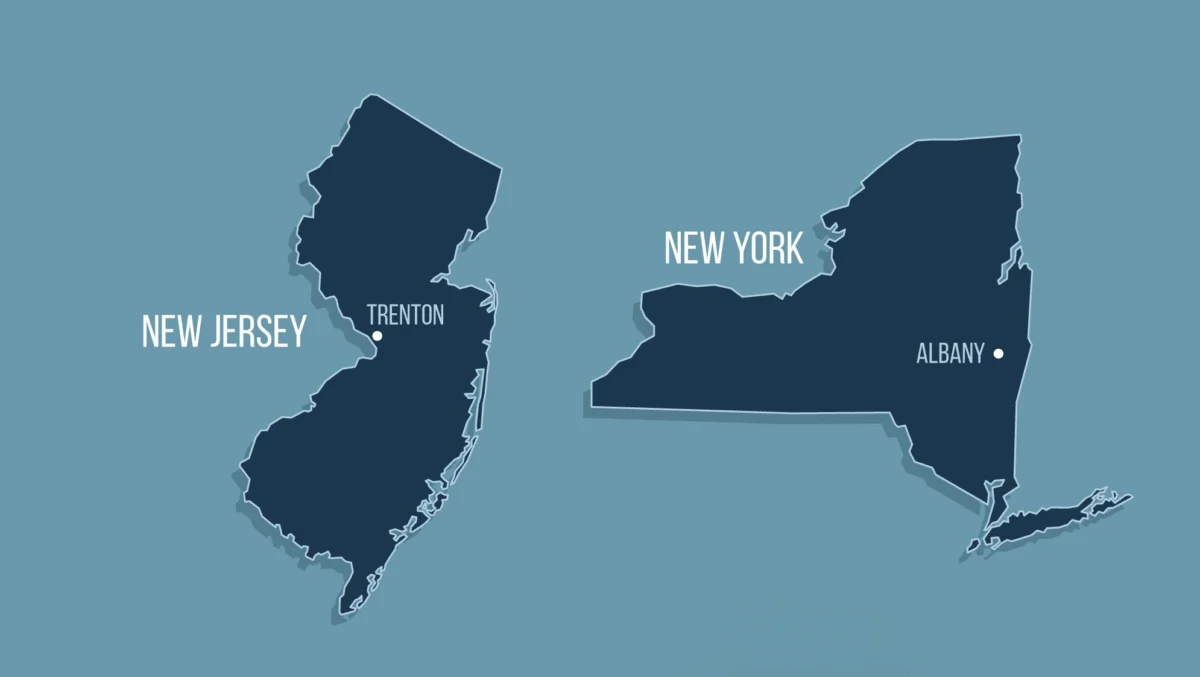
Conversely, states such as New Jersey and Illinois impose high property taxes alongside high rates in other major tax categories, including income and sales taxes. This "high-tax" environment often reflects a broader commitment to robust state-level services and significant state aid to local governments, even as local jurisdictions maintain substantial property tax levies. This approach can lead to higher overall tax burdens for residents but may also ensure a more uniform standard of services across the state, potentially reducing disparities in educational funding or infrastructure quality. The choice between these models involves complex trade-offs concerning local autonomy, equity in service provision, and the overall tax climate for residents and businesses. Economists and policymakers frequently analyze these different models for their impact on economic development, inter-state migration patterns, and the distribution of wealth, with ongoing debates about which approach best fosters prosperity and equity.
The "Good Tax" Paradox: Efficiency and Public Perception
Despite being a frequent target of political criticism and public discontent over rising bills, the property tax is often lauded by tax policy experts as a "good tax" when well-designed. Joan Youngman, a senior fellow at the Lincoln Institute of Land Policy, highlights its core strengths: transparency, simplicity, and stability. Taxpayers can readily see how their property is assessed, the rates applied, and how the revenue is intended to be used, fostering a degree of transparency often lacking in other tax systems where the ultimate incidence of the tax is less clear. Its stability, derived from an immobile tax base, provides a reliable foundation for local government budgets, allowing for predictable long-term planning for infrastructure and public services.
Moreover, property taxes tend to be more economically efficient than many alternative revenue sources. Because land and fixed improvements cannot easily relocate, the tax does not significantly distort economic decisions related to investment or consumption in the same way that income or sales taxes might. Economic studies often suggest that property taxes, particularly on land value, are among the least distorting taxes on economic activity. Attempts to repeal property taxes and replace them with other revenue streams have often been shown to be less conducive to economic growth, as alternative taxes typically carry higher economic efficiency costs. For example, increased sales taxes can disproportionately affect lower-income households and potentially deter consumer spending, while higher income taxes can influence labor supply and investment decisions, potentially leading to capital flight or reduced entrepreneurial activity.
However, the "good tax" label often clashes with public perception. Property taxes are highly visible, paid directly by homeowners, and can feel burdensome, particularly when property values rise rapidly or when fixed incomes struggle to keep pace with increasing tax bills. Critics often point to its potential regressivity, arguing that it can disproportionately affect lower-income homeowners or those on fixed incomes who may live in high-value properties without commensurate disposable income. This tension between economic efficiency and perceived fairness fuels ongoing debates and political campaigns centered on property tax relief, exemptions, and reform measures across the country. The challenge for policymakers lies in designing systems that retain the inherent strengths of the property tax while mitigating its potential adverse impacts on affordability and equity, particularly for vulnerable populations.
A Landscape of Disparity: Property Tax Bills Across the Nation
Comparing property tax burdens across the United States is inherently complex, given that these taxes are almost invariably levied at the local level by thousands of distinct jurisdictions. Millages (tax rates per $1,000 of assessed value) are not directly comparable due to variations in assessment practices, exemption policies, and the percentage of market value on which taxes are levied. To provide a multifaceted view, analysts often examine both median property tax bills and effective property tax rates.
National Averages and Extremes
In 2023, the average countywide median property tax bill in the United States was $1,889, with a significant standard deviation of $1,426, underscoring the vast disparities across the nation. This wide range reflects diverse local economies, housing markets, and government service demands. The data, often compiled from sources like the U.S. Census Bureau’s American Community Survey, provides a granular look at the fiscal realities facing homeowners.
The Lowest Burdens
At the lower end of the spectrum, some regions boast remarkably low property tax burdens. Eleven counties or county equivalents reported median property taxes of less than $250 per year. These include several areas where property taxes are minimal or nonexistent, such as significant parts of Alaska, particularly those with very small populations often excluded from federal surveys due to data limitations. Additionally, specific counties in Alabama (Bibb and Sumter), parishes in Louisiana (Bienville, Catahoula, and East Carroll), and McDowell County in West Virginia reported median property taxes between $250 and $300. These low bills often correlate with lower median property values, fewer extensive local government services, or specific state policies designed to limit property tax burdens, sometimes compensated by higher state-level funding or lower expectations for local amenities.
The Highest Burdens
In stark contrast, 16 counties recorded median property tax payments exceeding $10,000. The geographical concentration of these high-tax areas is notable: nearly all are located in the vicinity of New York City, a region characterized by exceptionally high property values and extensive municipal services. This list includes Rockland County, Nassau County, Westchester County, and Suffolk County in New York, and Bergen County, Essex County, Morris County, Somerset County, and Union County in New Jersey. Beyond the immediate New York metropolitan area, Falls Church City in Virginia and Marin County in California also feature among the highest. Furthermore, Hudson and Middlesex counties in New Jersey, San Francisco, San Mateo, and Santa Clara counties in California, and the Western Connecticut Planning Region all reported median property taxes above $9,000. These figures are driven by a confluence of factors: robust housing markets with high property valuations, a demand for a broad range of high-quality public services (e.g., top-tier schools, advanced infrastructure, extensive public safety), and often, higher operational costs for local governments in densely populated, economically vibrant areas.
Beyond the Bill: Effective Tax Rates and Intra-State Variations
While the dollar amount of a property tax bill provides a snapshot, comparing "effective tax rates" offers a more nuanced understanding of the true burden. An effective tax rate is calculated as the median property tax paid divided by the median value of owner-occupied housing units, thereby accounting for differences in property values across jurisdictions. This metric provides a clearer picture of how much of a home’s value is consumed by taxes annually.
County-Level Effective Rates
The counties with the highest effective tax burdens, all exceeding 2.95 percent, include Allegany and Orleans counties in New York, Camden and Salem counties in New Jersey, and Menominee County in Wisconsin. These areas often represent regions with relatively lower median home values but still require significant tax revenue to fund local services, leading to a higher effective rate relative to property value. This can indicate communities grappling with economic challenges or a high demand for services despite a less affluent tax base. Conversely, the lowest effective tax burdens, all below 0.18 percent, were found in the Copper River Census Area and Northwest Arctic Borough in Alaska, Choctaw County in Alabama, East Feliciana Parish in Louisiana, and Maui County in Hawaii. These regions typically benefit from very high property values coupled with relatively low tax rates, or a combination of both, indicating a strong tax base that can generate sufficient revenue with lower rates.
State-Level Effective Rates
On a state-wide basis for calendar year 2023, New Jersey again led the nation with the highest effective rate on owner-occupied property at 2.23 percent. This was closely followed by Illinois (2.07 percent) and Connecticut (1.92 percent). These states are known for their strong emphasis on local funding for schools and extensive municipal services, which necessitate higher tax rates relative to property values. At the other end of the spectrum, Hawaii boasted the lowest effective rate at 0.27 percent, a figure influenced by its exceptionally high property values and a state fiscal structure that relies less on property taxes for core services, often utilizing tourism taxes or other revenue streams more heavily. Other states with notably low effective rates included Alabama (0.38 percent), Nevada (0.49 percent), Colorado (0.49 percent), and South Carolina (0.51 percent). These states often employ a different mix of revenue sources, have constitutional limits on property tax increases, or provide more state aid to local governments, thereby reducing the direct property tax burden on homeowners.
Intra-State Variations and the Urban-Rural Divide
Significant property tax variations also exist within states. In Alabama, for instance, median property taxes range from below $200 in Choctaw County