Nila Kartika Wati
The University of Southern California Homelessness Policy Research Institute, in a landmark collaboration with the San Francisco-based nonprofit Miracle Messages, has concluded one of the first randomized controlled trials evaluating the efficacy of basic income for individuals experiencing literal homelessness in the United States. The study, slated for publication in a forthcoming issue of the peer-reviewed journal Social Work Research, examined the outcomes of providing 103 homeless individuals in California with $750 monthly payments for a duration of one year. The results offer a nuanced perspective on the limitations of cash transfers in tight housing markets while debunking long-standing myths regarding the spending habits of the unhoused.
Framework and Methodology of the Miracle Money Study
The research was designed to address a fundamental question in social policy: can unconditional cash transfers serve as a primary catalyst for moving individuals from the streets into long-term, stable housing? To answer this, the research team utilized a randomized controlled trial (RCT) format, often considered the "gold standard" of scientific research.
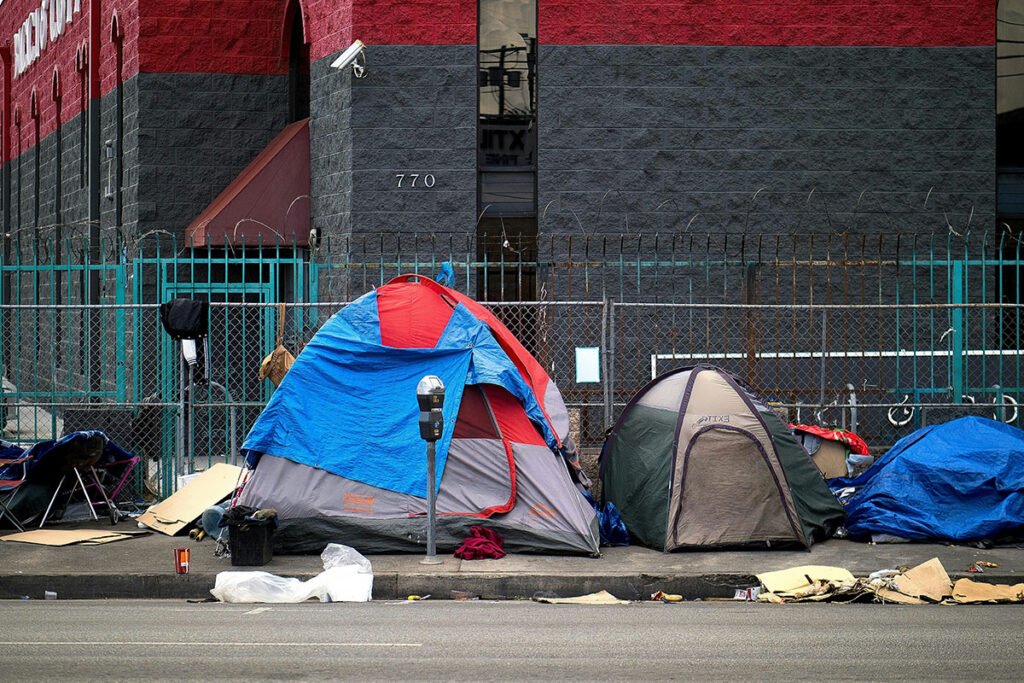
The participant pool consisted of 103 individuals who met the federal definition of "literal homelessness" as established by the Department of Housing and Urban Development (HUD). Under this definition, participants were either residing in emergency shelters or in places not meant for human habitation, such as cars, parks, or sidewalks. A control group of homeless individuals who did not receive the monthly payments was established to provide a baseline for comparison.
The initiative, which began in 2022, was influenced by the growing global interest in Universal Basic Income (UBI) and previous smaller-scale pilots. For instance, Miracle Messages had conducted a preliminary pilot with nine participants, where $500 monthly payments led to six individuals securing long-term housing. Similarly, a 2023 study in Vancouver, Canada, demonstrated that a one-time lump sum of 7,500 Canadian dollars significantly reduced the number of days participants spent homeless. However, the USC researchers sought to determine if these successes could be replicated in the more volatile and expensive economic landscape of California.
Chronology of the Initiative and Comparative Benchmarks
The study unfolded against a backdrop of escalating homelessness across the West Coast. In 2022, when the first payments were disbursed, California accounted for nearly 30% of the United States’ total homeless population, despite representing only 12% of the overall population. The one-year observation period allowed researchers to track long-term behavioral changes and housing transitions in real-time.
The timeline of the study highlights a critical evolution in social science research regarding poverty:
- Initial Phase (Early 2022): Recruitment of participants and establishment of the $750 monthly disbursement structure.
- Implementation Phase (2022-2023): Monthly tracking of expenditures and housing status for both the experimental and control groups.
- Data Analysis Phase (Late 2023-2024): Comparison of housing outcomes and psychological well-being metrics.
- Publication Phase (Upcoming): Formal release of findings in Social Work Research.
While the Canadian experiment provided a precedent, researchers noted significant structural differences. The Canadian safety net generally provides more robust access to healthcare and social services than the American system. Furthermore, the Canadian study utilized a lump-sum payment, whereas the California study focused on a recurring monthly stipend, testing the theory of "income floor" stability versus "capital injection" for immediate housing deposits.
Statistical Findings: The Housing Outcome Paradox
The most striking finding of the USC study was the similarity in housing outcomes between those who received the money and those who did not. After twelve months, nearly 50% of the participants receiving the $750 payments were no longer homeless. However, a nearly identical percentage of the control group—those who received no additional cash—had also managed to find housing within the same timeframe.
This data suggests that homelessness is often a transitional, albeit traumatic, state for many Americans. Most individuals living on the streets are actively engaged in efforts to secure housing through traditional social services, employment, or familial support. The study indicates that while the $750 stipend provided a significant financial cushion, it did not act as a "silver bullet" that accelerated the housing process beyond the rate achievable through existing social mechanisms.
Analysts point to the "housing-cost-to-income" gap as the primary reason for this result. In many California metropolitan areas, the fair market rent for a one-bedroom apartment frequently exceeds $2,000. A $750 stipend, while helpful, covers less than half of the median rent, leaving participants still unable to bridge the gap between their total income and the cost of a lease without additional subsidies or vouchers.
Expenditure Analysis: Debunking the Temptation Goods Myth
One of the most persistent arguments against unconditional cash transfers is the concern that recipients will spend the funds on "temptation goods," such as alcohol, tobacco, or illegal drugs. The USC study provided empirical evidence to the contrary.
Data regarding expenditure patterns revealed that the vast majority of the funds were directed toward fundamental human needs:
- Basic Necessities: Food, transportation, and healthcare accounted for the bulk of spending.
- Housing-Related Costs: Participants used the money for security deposits, application fees, or temporary stays in motels.
- Debt Management: A significant portion of the money went toward paying down credit card debt, which researchers noted was a major source of psychological stress for the participants.
- Vehicle Maintenance: For many unhoused individuals, a vehicle serves as both a primary mode of transport to employment and a temporary shelter. The cash allowed for critical repairs that kept participants mobile and employed.
Crucially, spending on alcohol, cigarettes, and illegal drugs accounted for only 5% of the total disbursements. This aligns with global UBI data suggesting that when given agency over their finances, low-income individuals prioritize long-term stability and immediate survival over vice.
Qualitative Impact: Dignity and Social Contribution
Beyond the quantitative metrics of housing and spending, the study captured the qualitative impact of guaranteed income on the human spirit. Researchers observed that the money often restored a sense of agency and social belonging that is frequently stripped away by the experience of homelessness.
One participant reported using a portion of the funds to buy birthday and holiday gifts for family members, a gesture that allowed them to maintain social ties and fulfill familial roles. Another participant chose to donate a small amount to a local charity, noting that the act of giving—rather than just receiving—restored their sense of being a contributing member of society.
These findings suggest that while the payments may not have changed the final housing destination for all participants, they significantly altered the journey. The income provided a "buffer" against the daily indignities of poverty, reducing the reliance on emergency services and fostering a sense of psychological stability.
Economic Analysis of the California Housing Market
The USC study underscores a critical reality of the modern American economy: cash assistance cannot overcome a fundamental lack of housing supply. In February 2024, the national average rent for a one-bedroom apartment was approximately $1,500, while in California, that figure was substantially higher.
The study’s findings imply that for a basic income program to be effective in ending homelessness in high-cost states, the payment amount must be tethered to the local Cost of Living (COL). If the goal is to move someone from the street into an apartment, the stipend must be sufficient to cover a significant portion of the monthly rent or be paired with a robust housing voucher program.
The "Housing First" model, which prioritizes getting individuals into permanent housing before addressing other issues like mental health or employment, remains a dominant strategy. The USC research suggests that guaranteed income should be viewed as a complementary tool to Housing First, rather than a replacement for it.
Policy Implications and Future Directions
The results of the Miracle Money study are expected to influence the debate over social welfare reform at both the state and federal levels. While the study did not show a statistical "lift" in housing rates, it did demonstrate that cash transfers are a safe, efficient, and dignified way to support the unhoused population without the risk of widespread misuse of funds.
Moving forward, the USC Homelessness Policy Research Institute suggests several policy adjustments for future pilots:
- Scaled Payments: Adjusting the monthly stipend to reflect at least 80% of the Fair Market Rent (FMR) in the participant’s specific zip code.
- Duration Extension: Extending the payments beyond 12 months to provide the long-term security necessary for participants to enter multi-year lease agreements.
- Integration with Services: Combining cash transfers with "navigator" services that help participants find available units in a competitive market.
In a statement reflecting on the study’s broader impact, researchers emphasized that while the $750 did not solve the housing crisis, it provided a level of stability that prevented participants from falling further into the cycle of poverty. The study concludes that while money alone cannot build houses, it can provide the necessary foundation for individuals to maintain their health, employment, and dignity while they navigate a broken housing system.