Layla Zulfa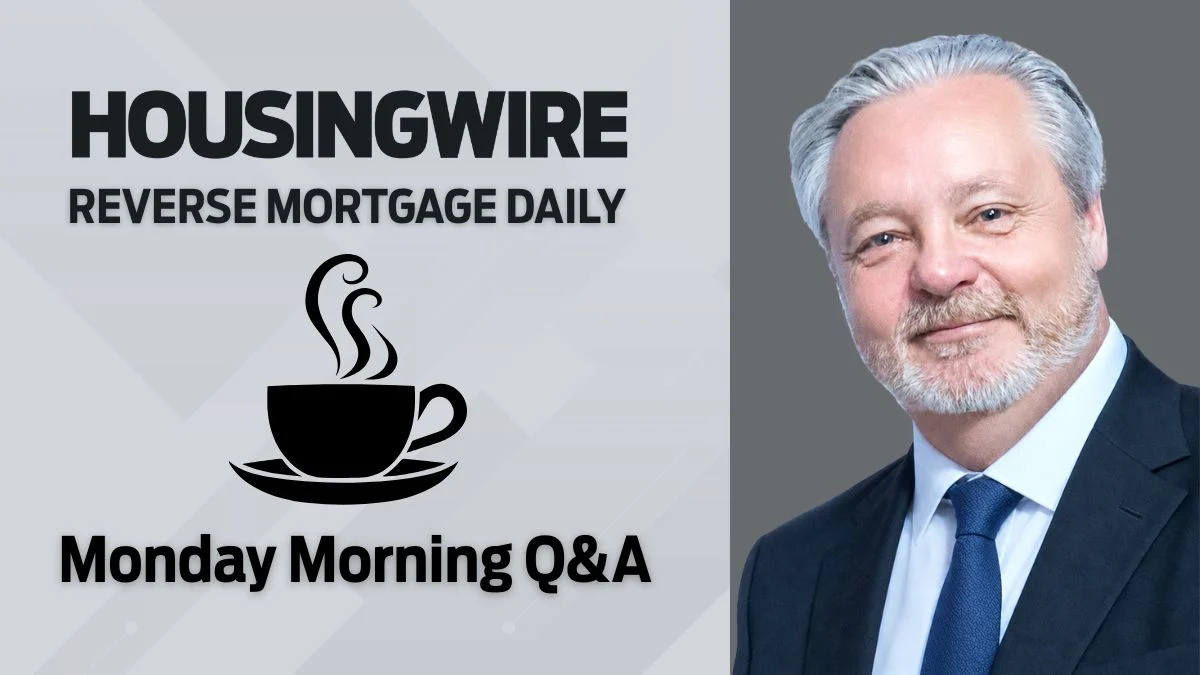
Finance of America (FOA) stands as a prominent force in the reverse mortgage industry, consistently demonstrating its commitment to innovation and market leadership. The company’s strong performance was highlighted by its ranking as the second-largest national provider of Home Equity Conversion Mortgages (HECMs) last year. Building on a robust first quarter, FOA is poised to release its second-quarter earnings report on August 4th, offering further insight into its financial trajectory.
A pivotal figure in FOA’s recent successes is CEO Graham Fleming, who has been with the Texas-based lender for nearly 13 years. His tenure as CEO, which began in 2023, coincided with a significant period for the company, marked by its strategic acquisition of American Advisors Group (AAG). This integration has propelled FOA to the forefront of the HECM market, with nearly 2,500 endorsements in the first six months of 2026, positioning them as the current leader on the HECM leaderboard.
In a recent in-depth interview with HousingWire’s Reverse Mortgage Daily (RMD), Fleming discussed a range of critical topics shaping the reverse mortgage sector. His insights covered the expanding portfolio of reverse mortgage products, FOA’s strategic partnerships designed to enhance seniors’ access to home equity solutions, and the company’s recent acquisition of Onity Mortgage assets. This conversation provided a comprehensive look at FOA’s vision and its role in an evolving financial landscape for seniors.
Addressing Industry Challenges and Expanding Product Offerings
Neil Pierson (RMD): Mr. Fleming, the broader reverse mortgage industry has seen a slowdown in HECM production. While Finance of America’s endorsements have also seen a year-over-year decrease, you’ve characterized this not as an obstacle but as a matter of consumer choice. Could you elaborate on the factors contributing to this dynamic and how FOA navigates them?
Graham Fleming: The term "obstacle" doesn’t quite align with our perspective. As the largest originator and servicer of both proprietary and HECM loans, our core mission at Finance of America is to provide consumers with a spectrum of choices. We introduced our proprietary product in 2019, and over the years, we’ve observed fluctuations in HECM production, experiencing both growth and decline. Therefore, we view these market shifts not as impediments but as opportunities to align our offerings with individual consumer needs. The critical question for us is whether a HECM product or a proprietary loan best suits a senior’s financial situation.
The economic climate of 2021, characterized by a significant rise in interest rates, has led many seniors to remain in their homes, benefiting from low-rate, first-lien mortgages. In response to this trend, we’ve strategically reintroduced a second-lien reverse mortgage product. This allows homeowners to tap into their home equity without disrupting their existing favorable mortgage terms. Our approach is fundamentally about offering choice and ensuring that each consumer receives the loan product that precisely meets their unique requirements, rather than advocating for one product over another.
The Evolving Role of Proprietary Reverse Mortgages
Pierson: Historically, proprietary reverse mortgages have been associated with "jumbo" loan amounts. However, there are indications of demand extending to lower home values, potentially below $200,000. Does this suggest a need for a broader industry mindset shift in how these products are presented to homeowners with more modest property values?
Fleming: From Finance of America’s standpoint, we do not extend our proprietary product to such low loan values. The decision between a first-lien proprietary product and a first-lien HECM often hinges on borrower preferences. Some individuals may opt for the lower interest rate and more modest proceeds offered by a HECM, while others prioritize higher loan amounts, even if it means accepting a slightly higher rate with a proprietary loan.
The second-lien product holds significant appeal, particularly in the current environment where homeowners can retain their low-rate, first-lien mortgages while accessing home equity without incurring a new monthly payment. Given the substantial amount of home equity being leveraged through conventional mortgage channels, we believe this product offers immense value. We recently expanded our HomeSafe Second product into four new states, underscoring our commitment to providing consumers with viable options for accessing their home equity.
As the nation’s demographic continues to age, a retirement savings shortfall is becoming increasingly apparent. Seniors possess a considerable amount of home equity, a fact that has been widely publicized. Our focus is on educating consumers and empowering them with choices. While we aim to provide the most suitable product for each individual, we are not pursuing a "race to the bottom" in terms of credit standards. Our objective is to serve seniors effectively by offering tailored financial solutions.
Enhancing Market Visibility and Consumer Education
Pierson: Finance of America has made strategic hires in the past year, including a new Chief Marketing Officer and three additional team members focused on marketing. How is this initiative progressing in increasing FOA’s visibility and addressing the perceived gap in messaging and education surrounding reverse mortgages?
Fleming: This is an ongoing endeavor, and we are consistently prioritizing increased awareness of our products. One key pillar of our strategy is to highlight the benefits of reverse mortgages and their potential to support seniors in retirement. Even within the forward mortgage professional community, while awareness is growing, the understanding that a reverse mortgage should be a primary consideration for homeowners over 62 seeking to access home equity is not yet fully integrated into their advisory process.
The industry, including Finance of America, will continue to invest in digital experiences to streamline and modernize the transaction process for consumers. We are committed to disseminating more information to both consumers and business-to-business partners, including other mortgage lenders. This outreach aims to dispel the long-standing myths and misconceptions associated with reverse mortgages.
While we have transitioned away from our previous association with Tom Selleck to concentrate on building the FOA brand, our marketing efforts now span all distribution channels, including print, television, streaming, and digital platforms. We meticulously track the return on investment for each channel, and you can expect our marketing investments to continue in the coming years. Our ultimate goal is to normalize reverse mortgages. We envision a future where, upon reaching the age of 62, seniors automatically consider a reverse mortgage as a vital tool for their retirement planning.
Strategic Partnerships for Broader Access
Pierson: Last year, Finance of America partnered with Better to expand its offerings in senior HELOCs and reverse mortgages. What have been the key accomplishments of this collaboration thus far?
Fleming: Our marketing campaigns generate a substantial influx of inquiries from individuals aged 55 and older seeking reverse mortgage solutions. Within this demographic, a significant segment expresses interest in Home Equity Lines of Credit (HELOCs). Recognizing this demand, we established a partnership with Better, primarily leveraging their advanced technology and the speed of their platform, particularly through Tinman.
We have developed the necessary technology infrastructure to seamlessly integrate with Better. When a senior enters our funnel and indicates interest in a HELOC, we can effectively partner with Better to fulfill that need. This process is swift and represents a natural evolution of our service offerings. Finance of America is continuously expanding its presence in new states, and our ambition is to become the preferred lender for seniors seeking to access home equity, whether through a HECM, a proprietary second lien, or a HELOC.
Expanding Geographic Reach and Regulatory Engagement
Pierson: The availability of proprietary reverse mortgages is currently limited to approximately 30 states, with ongoing efforts to address the remaining gaps. Is Finance of America actively involved in these expansion initiatives?
Fleming: We are in constant dialogue with state regulators. Our efforts involve ongoing clarification, education, and engagement with states that may have existing prohibitions on reverse mortgages. We aim to articulate the significant benefits of these programs to regulators, ensuring they understand how these products can positively impact the senior demographic. While the regulatory environment is inherently a gradual process, we remain dedicated to expanding access to these products nationwide.
Capital Infusion and Secondary Market Development
Pierson: Finance of America received a substantial $2.5 billion commitment from Blue Owl Capital last year. How has this infusion of capital been strategically deployed?
Fleming: To clarify, Blue Owl contributed $50 million in equity to Finance of America, and in conjunction with this, they committed to acquiring $2.5 billion of our product in a whole loan format. This arrangement provides us with the flexibility to deliver these loans to Blue Owl; it is not a mandatory commitment with a defined timeframe.
We are exceptionally pleased to have Blue Owl as an equity partner. Their willingness to invest in our company and acquire the product we generate speaks volumes about the growing interest in the reverse mortgage segment. We initiated our first proprietary securitization in 2020 and have maintained a quarterly cadence for the past six years. There is a considerable amount of ongoing education within the secondary market concerning these products among bond buyers. For entities new to this market, overcoming this knowledge gap can be a challenge. However, we have cultivated a robust network of investors who have partnered with Finance of America for many years.
Navigating the Onity Mortgage Acquisition
Pierson: Your company recently acquired assets from Onity Mortgage. The initial approval from Ginnie Mae was not granted, necessitating a reduction in the transaction’s scope. Could you discuss the process of finalizing this deal and its anticipated impact on Finance of America moving forward?
Fleming: Finance of America maintains an excellent standing with Ginnie Mae, as we are the largest HECM servicer in the industry. Naturally, we aim to present transactions that align with their operational framework. In collaboration with Ginnie Mae and Onity, we mutually agreed to modify the transaction. We have essentially acquired the more recent segments of their loan portfolio. Onity, leveraging its expertise as a subservicer, has retained a portion of its legacy book. This revised transaction has been mutually beneficial. We were pleased to close this deal on June 30th and anticipate transferring these loans into our portfolio by the end of July.
As part of this acquisition, we have welcomed approximately 13 individuals from Onity into Finance of America, including originators and operations staff. This move diversifies our subservicing platform, adding Onity to our existing relationship with Celink. We believe this diversification is advantageous for both Finance of America and the broader industry, enabling us to deliver best-in-class service across both agreements, ultimately benefiting consumers.
Furthermore, we have established a partnership with Onity to offer our second-lien product to their forward mortgage portfolio. For seniors within Onity’s servicing portfolio who are looking to access equity, we are collaborating to provide them with our second-lien product. Overall, we view this as a mutually beneficial arrangement for both companies.
Engaging with HUD and Industry Associations for Program Enhancement
Pierson: The industry is awaiting a response from the Department of Housing and Urban Development (HUD) following its request for information regarding the HECM and HMBS programs. What steps is Finance of America taking, in conjunction with HUD and the National Reverse Mortgage Lenders Association (NRMLA), to improve these programs and stimulate demand?
Fleming: We have formally submitted a letter to HUD outlining our recommendations and have also provided our commentary to NRMLA. On the servicing front, we have explored avenues to modernize processes and enhance efficiency. Regarding the assignment of loans to HUD, we have proposed introducing HMBS 2.0 to facilitate greater liquidity in HECM buyouts.
We firmly believe that all the suggestions we have presented to HUD, as well as those put forth by NRMLA, would significantly benefit the HECM program. At this juncture, we are awaiting feedback and do not have a definitive timeline from HUD regarding their response or the stage of their consideration of these proposals. I will refrain from making further projections on timing for HMBS 2.0, as my previous estimates proved inaccurate. However, we remain optimistic about the potential for positive developments.