Layla Zulfa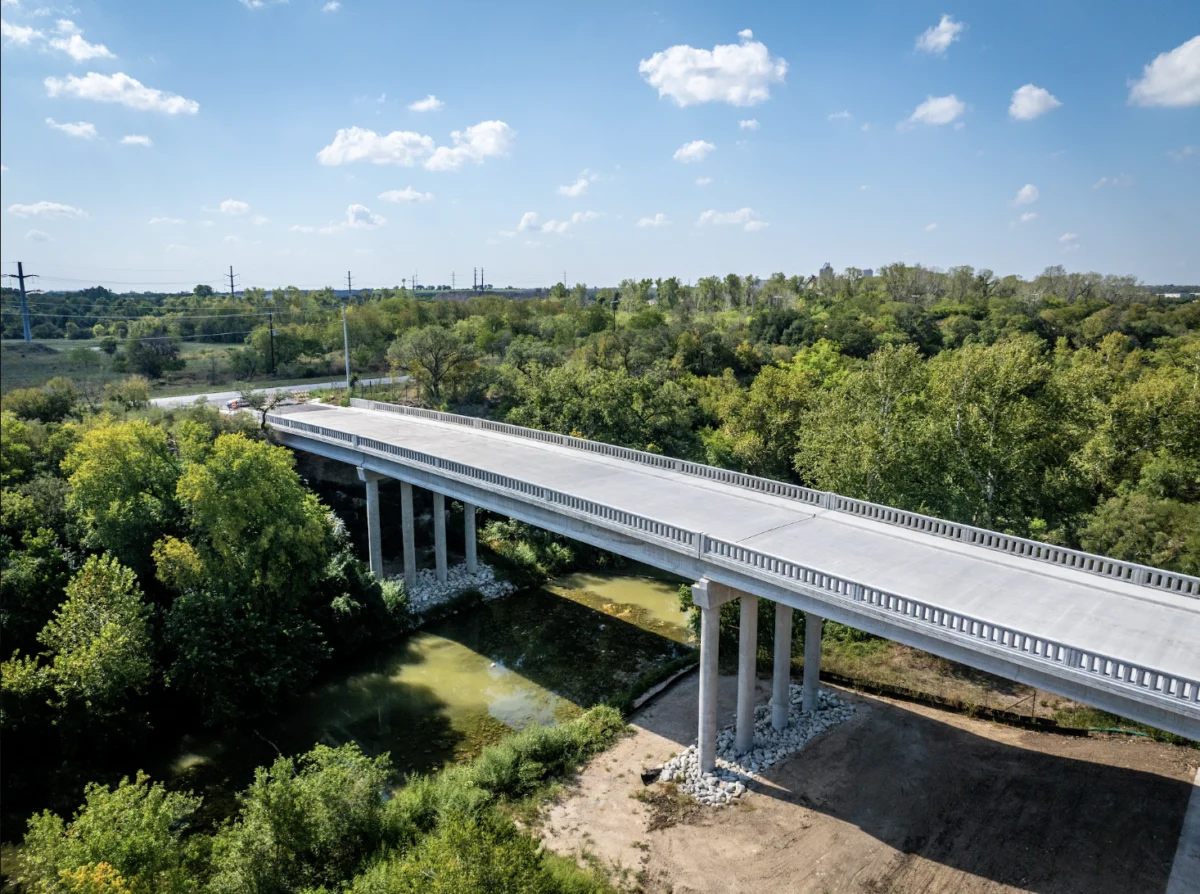
Such public-private partnerships aren’t new. Homebuilders and developers have partnered with cities for years to deliver roads, bridges, and utilities that benefit longtime residents and newcomers alike. However, with builder margins and buyer affordability both already stretched thin, this kind of homebuilder-funded public investment can add an extra layer of complexity for homebuilders already navigating a tough market. Derek Baker, Austin Area President at M/I Homes, told HousingWire that there’s no getting around this tradeoff. Infrastructure commitments and affordability work against each other on every project. The key is finding the sweet spot where the two can coexist at a price point the market can accommodate.
"We’re trying to balance providing the benefits of improvements like a bridge and additional streets, while also providing affordable housing half a mile from downtown Buda. It’s really kind of a balance. Some things are required by the city, and some things we will do on our own. Every community is different," Baker said.
A Deal Years in the Making: The Genesis of the Buda Infrastructure Initiative
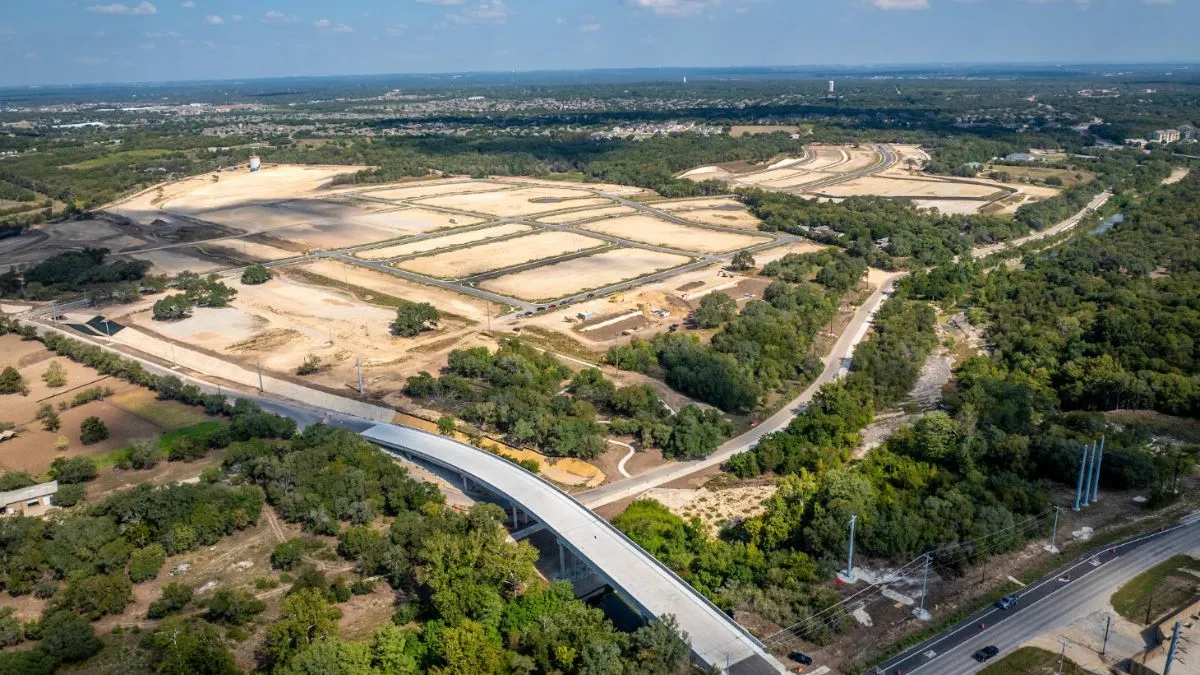
The development agreement in Buda, which culminated in the opening of the new bridge, was the product of extensive negotiation and planning that began approximately in 2018. This multi-year process involved close collaboration between city officials and the developers, M/I Homes and Meritage Homes, to address the critical need for enhanced public infrastructure to support the burgeoning master-planned community of The Colony at Cole Springs. The initiative was designed not only to serve the future residents of the nearly 500-home development but also to benefit the broader Buda community by improving connectivity, reducing traffic congestion, and bolstering economic vitality in the downtown core.
Derek Baker of M/I Homes emphasized the importance of proactive engagement with municipal authorities. "It’s important to get involved and have an open mind and an open dialog early on in the process, so there are no surprises later on," Baker explained. This philosophy guided the early stages of the Buda project, fostering an environment where mutual understanding of challenges and objectives could be established.
The comprehensive development agreement, finalized in 2020, outlined a shared commitment to significant public amenities and infrastructure upgrades. Beyond the centerpiece bridge, the agreement mandated improvements to a primary access road leading to the new subdivision, the installation of a new traffic signal to manage flow, and enhanced access to a local creek and adjacent parkland. These enhancements were crucial for integrating the new development seamlessly into the existing urban fabric of Buda, a rapidly growing city in Central Texas.
Financial Framework and Infrastructure Benefits
A key component of the financial strategy for this extensive infrastructure project was the creation of a Municipal Utility District (MUD). This special district provided a mechanism to finance the project’s infrastructure and land reclamation costs. Residents within the MUD pay additional property taxes, which directly contribute to the repayment of bonds issued to fund these vital public works.
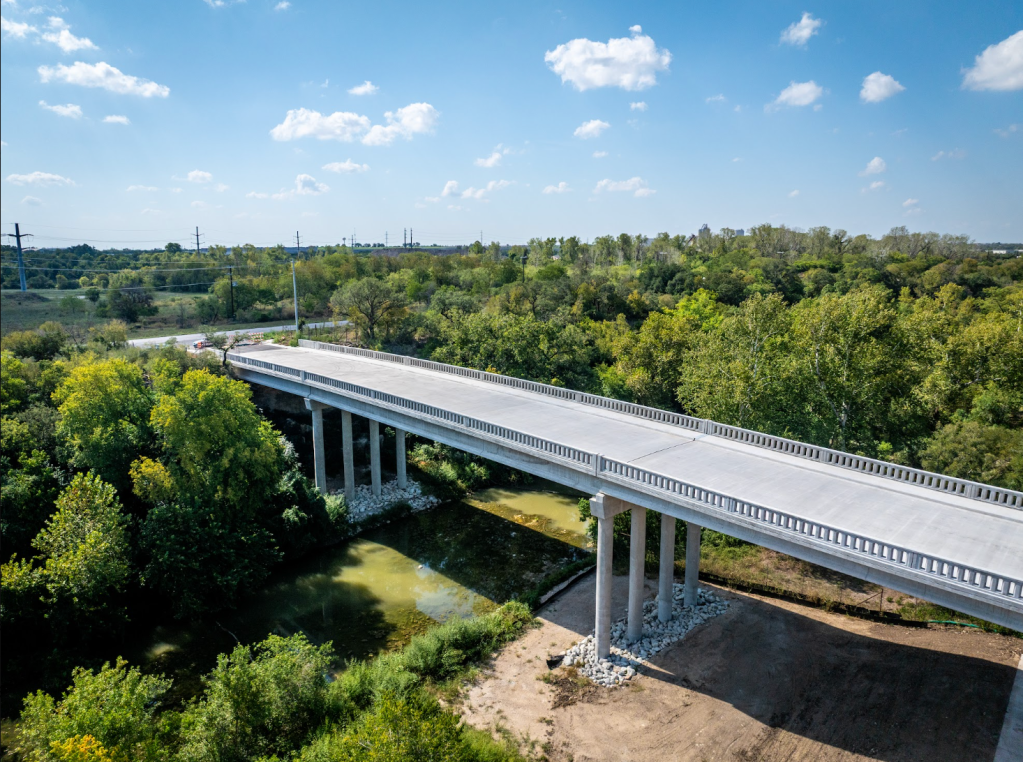
The investment in infrastructure is part of a larger transportation and utility program aimed at accommodating Buda’s substantial growth, particularly in its western areas. The project specifically addressed the challenges posed by undersized and flood-prone roads, a common issue in developing regions experiencing rapid population increase. The newly constructed bridge serves a dual purpose: it provides an essential additional route for traffic originating from The Colony at Cole Springs, thereby alleviating congestion in the downtown area. Furthermore, it significantly enhances accessibility to downtown Buda, making it a mere 10-minute walk for residents of the new community. Crucially, the bridge also improves emergency response times, a vital consideration given the proximity of the city’s main fire station.
Bryan Crouch, Austin and San Antonio area manager at Meritage Homes, highlighted how the scale of The Colony at Cole Springs was instrumental in making such a substantial infrastructure investment feasible. "The scale of Colony at Cole Springs made this level of infrastructure investment possible. A nearly 500-home community allows partners to share costs and deliver meaningful improvements with a long-term vision while preserving affordability," Crouch explained. This synergy between development size and infrastructure scope is a critical factor in the success of such public-private partnerships.
A Crucial Partnership for a Growing City
For a city like Buda, experiencing significant population growth, these kinds of public-private partnerships are indispensable. Buda City Manager Micah Grau underscored the city’s limited capacity to undertake major infrastructure projects independently. "We have a limited ability to take on major infrastructure projects. Most of our major projects have to be funded through a bond that our voters come and approve, and then that would take years of work," Grau stated in an interview. He elaborated on the financial mechanisms that facilitated this collaboration, noting that the developers were able to leverage tax breaks and benefits through the city via the MUD bonds. Additionally, the city implemented a tax increment reinvestment zone (TIRZ), which dedicates 40% of the property taxes generated by the project back to help fund these improvements.
Grau further explained that the partnership with M/I Homes and Meritage Homes was not merely beneficial but essential for the timely execution of these improvements. "The partnership with the builders in this case allows them to move out on those projects quickly and get them built," he said, emphasizing the accelerated timeline that developer involvement enabled. This collaborative approach bypasses the lengthy electoral and approval processes typically associated with municipal bond-funded projects, allowing infrastructure to keep pace with development.
The ultimate goal of the bridge and the associated infrastructure upgrades is to support the existing small businesses within Buda’s downtown core and to foster continued growth and expansion. By improving accessibility and reducing traffic bottlenecks, the project aims to create a more vibrant and economically robust downtown environment. "The [bridge] would not have happened without the development partnership," Grau concluded, reinforcing the pivotal role of the collaboration.
Broader Implications for Housing Affordability and Development
The success of the Buda public-private partnership offers a compelling model for addressing the persistent challenge of balancing housing affordability with the necessary investments in public infrastructure. In many burgeoning suburban areas, the cost of essential infrastructure – roads, utilities, and public amenities – can significantly increase the overall cost of development, which is then passed on to homebuyers. This can push new housing out of reach for a substantial segment of the population, exacerbating affordability crises.
This partnership demonstrates that by strategically aligning the interests of developers and municipalities, these costs can be managed more effectively. The involvement of builders like M/I Homes and Meritage Homes in co-funding infrastructure signifies a willingness to invest in the long-term viability and livability of the communities they are building. This approach can help mitigate the impact on home prices, as shared costs reduce the per-unit burden on both the developer and, consequently, the buyer.
The utilization of mechanisms like Municipal Utility Districts and Tax Increment Reinvestment Zones provides a structured framework for financing these large-scale projects. These tools allow for the pooling of resources and the creation of dedicated funding streams that can support significant capital expenditures. For municipalities, these partnerships offer a way to facilitate growth and improve public services without placing an undue immediate financial strain on existing taxpayers or delaying critical development due to funding constraints.
The implications extend beyond the immediate project in Buda. As housing demand continues to rise in many metropolitan areas, and as development pushes into previously undeveloped or underserved regions, similar collaborative models will likely become increasingly important. The ability of developers and cities to work together to plan, finance, and execute infrastructure projects can be a decisive factor in whether new communities are developed sustainably and affordably.
Furthermore, the emphasis on early and open dialogue, as highlighted by Derek Baker, is a critical takeaway. Proactive communication and a willingness to understand each party’s constraints and objectives can prevent costly disputes and ensure that development plans align with community needs. This fosters a more predictable and efficient development process for all stakeholders.
The Buda initiative underscores a shift in development strategy, where infrastructure is not viewed solely as a municipal responsibility but as a shared investment. By embracing this collaborative ethos, cities can continue to grow and evolve, providing essential housing and amenities while maintaining a commitment to fiscal responsibility and the quality of life for their residents. The successful completion of the bridge stands as a tangible testament to the power of public-private collaboration in navigating the complex landscape of modern urban development.