Lina Irawan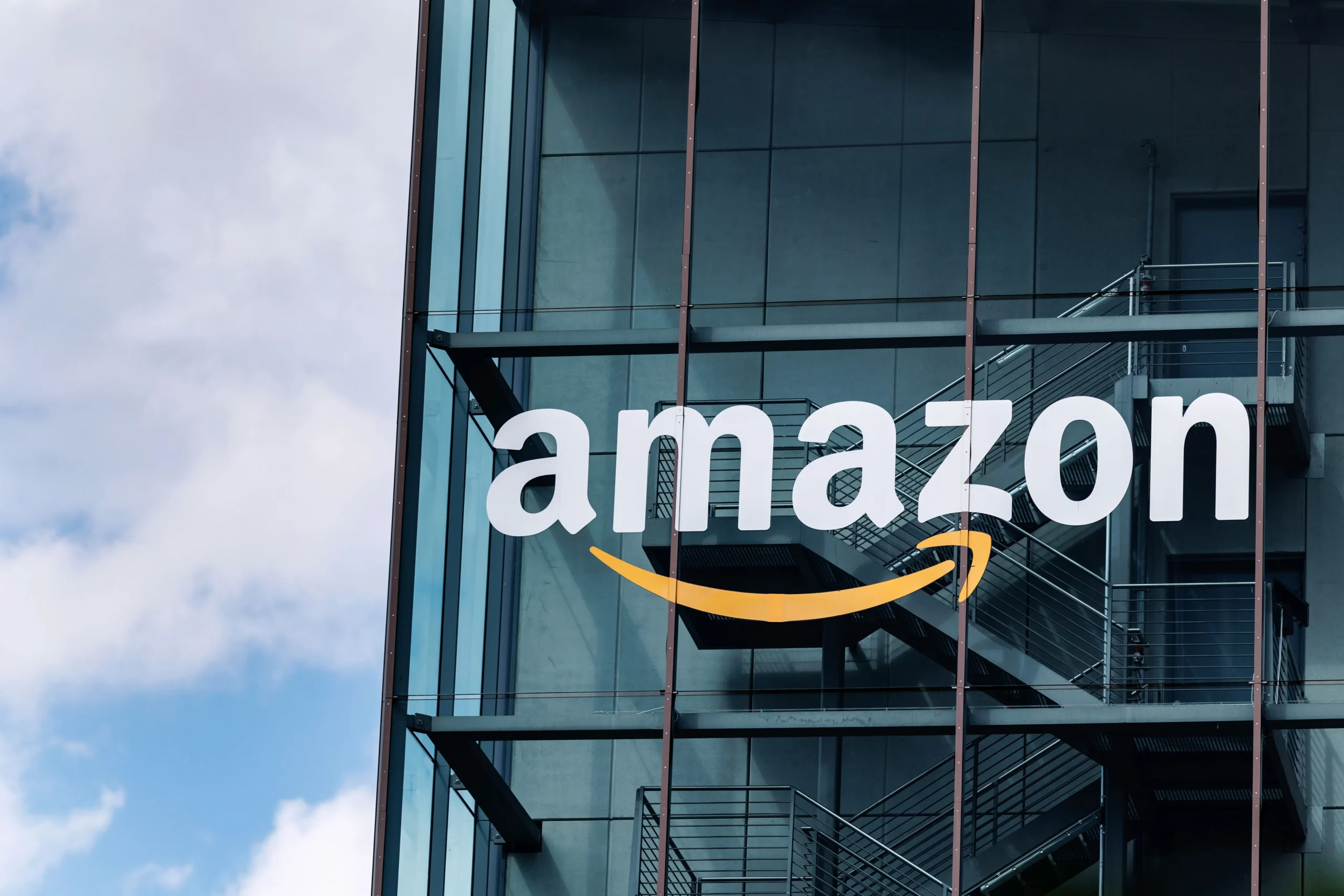
Amazon Prime subscribers across the United States are facing a critical and rapidly approaching deadline to secure their share of a landmark $2.5 billion settlement stemming from a Federal Trade Commission (FTC) investigation into the company’s subscription practices. With only days remaining until Monday, July 29, 2024, eligible customers who did not automatically receive a refund last year must act swiftly to submit their claims. This significant payout addresses allegations that Amazon engaged in deceptive tactics to enroll consumers into its Prime membership program and subsequently made cancellation unduly difficult, affecting an estimated 35 million customers.
The Genesis of the Complaint: FTC’s Allegations and Amazon’s Practices
The legal battle culminating in this massive settlement began in June 2023 when the FTC filed a lawsuit against Amazon. The core of the complaint centered on allegations that Amazon had intentionally designed "sophisticated subscription traps" to manipulate consumers into enrolling in Prime without their explicit consent. FTC Chair Lina Khan, a vocal critic of monopolistic practices, highlighted that Amazon’s practices were a clear violation of consumer protection laws, specifically the Restore Online Shoppers’ Confidence Act (ROSCA).
According to the FTC’s detailed complaint, Amazon utilized a series of manipulative design choices, often referred to as "dark patterns," on its website. These included placing Prime enrollment buttons prominently in the checkout process, making it seem like a necessary step to complete a purchase, or automatically adding Prime memberships to carts without clear disclosure. One particularly egregious allegation involved an internal Amazon project known as "Project Iliad," which purportedly aimed to make the cancellation process for Prime memberships deliberately complex and frustrating. Consumers who wished to unsubscribe reportedly faced multiple steps, confusing navigation, and several prompts to reconsider, making what should be a simple action an arduous task. The FTC argued that these practices trapped consumers in recurring subscriptions they either didn’t want or struggled to exit, leading to unwarranted charges.
Amazon, while agreeing to the settlement terms, has consistently denied any wrongdoing. The company maintained that its sign-up and cancellation processes were transparent and user-friendly. However, the sheer scale of the settlement – comprising $1 billion in civil penalties and an additional $1.5 billion earmarked for customer refunds – underscores the gravity of the FTC’s findings and the potential impact on millions of consumers. Beyond the financial penalties, Amazon also committed to simplifying its Prime cancellation process, a significant victory for consumer advocacy groups and a precedent for future online subscription models.
A Detailed Chronology of the Settlement
The path to this multi-billion-dollar restitution has unfolded over several key phases:
- Pre-June 2023: The FTC conducts extensive investigations into Amazon’s Prime enrollment and cancellation practices, gathering evidence of "dark patterns" and consumer complaints.
- June 21, 2023: The Federal Trade Commission officially files a lawsuit against Amazon, alleging deceptive subscription practices and violations of the Restore Online Shoppers’ Confidence Act (ROSCA). Simultaneously, the settlement agreement is announced, with Amazon agreeing to pay $2.5 billion.
- June 21, 2023: As part of the settlement, Amazon is mandated to simplify its Prime cancellation process, making it clearer and easier for customers to opt-out of their subscriptions.
- By December 24, 2023: Amazon is required to initiate the distribution of automatic refunds. These payments are primarily directed to customers who enrolled in Prime through specific pages and utilized three or fewer Prime benefits within a year of signing up, indicating a likely unintentional or underutilized subscription.
- January 5, 2024: The claims process officially opens for eligible customers who did not receive an automatic refund. These customers are notified via email or mail with instructions, a unique Claim ID, and a PIN to submit their claims through the official settlement website.
- Late July 2024 (Specifically, Monday, July 29, 2024): The final deadline for eligible customers to submit their claims for a refund. After this date, no further claims will be accepted.
This chronology highlights the methodical approach taken by the FTC to first identify the alleged harm, secure a significant settlement, and then ensure a structured process for consumer redress.
Who Is Eligible for a Refund? Defining the Criteria
Understanding the eligibility criteria is paramount for any customer considering filing a claim. The settlement specifically targets individuals who were impacted by Amazon’s Prime enrollment and cancellation practices within a defined timeframe.
To qualify for a potential refund, individuals must meet one of the following conditions:
- Prime Enrollment: You must have signed up for an Amazon Prime membership in the U.S. between June 23, 2019, and June 23, 2025. This six-year window encompasses the period during which the FTC’s investigation identified widespread deceptive practices.
- Failed Cancellation Attempts: Even if you successfully enrolled, you might still be eligible if you attempted to cancel your Prime subscription during that same June 23, 2019, to June 23, 2025, window but were unable to do so due to the alleged complex or misleading cancellation process.
Crucially, both the enrollment and any failed cancellation attempts must have occurred within this specific timeframe. It’s important to note that if you were among the millions of customers who received an automatic refund by December 24, 2023, you do not need to take any further action. Your refund has already been processed. The current claims window is exclusively for those eligible individuals who did not receive an automatic payment but believe they were affected by the practices in question.
Notices regarding eligibility and instructions for filing a claim were distributed by email or mail starting in January 2024. These notices contained a unique Claim ID and PIN, essential for accessing the online claim portal.
Understanding Your Potential Payout: Up to $51
For those who are eligible and successfully submit a valid claim, the potential refund amount is up to $51. This figure is based on the FTC’s calculations of the typical monthly or annual Prime membership fees and the period over which customers might have been unintentionally subscribed.
The automatic payments, which were distributed by Amazon by December 24, 2023, primarily targeted customers who exhibited specific usage patterns. According to the FTC’s ruling, these payments went to individuals who signed up through certain Amazon pages and subsequently used three or fewer Prime benefits within a year of their enrollment. This criterion was designed to identify those most likely to have been unknowingly enrolled or to have struggled with cancellation, leading to charges for a service they barely used.
However, the final amount for those submitting claims might vary. The settlement agreement stipulates that if the total funds allocated for customer refunds ($1.5 billion) are insufficient to cover all valid claims at the maximum $51 per customer, the refunds will be distributed on a pro rata basis. This means that each eligible claimant would receive a proportionally smaller amount, potentially less than the full $51, or even less than what they originally paid for the unwanted Prime subscription. This pro rata distribution mechanism is a common feature in large-scale class action settlements to ensure equitable, though potentially reduced, compensation for all validated claimants.
The Claims Process: How to Secure Your Refund
For those who did not receive an automatic refund but believe they are eligible, the claims process is straightforward, provided they have received the necessary notification.
- Receive Notification: Eligible customers should have received an official notice, either via email or physical mail, containing detailed instructions on how to submit a claim. This notice is crucial as it includes a unique Claim ID and PIN.
- Access the Settlement Website: The official settlement website (e.g., subscriptionmembershipsettlement.com, as referenced in the original article) is the primary portal for filing claims. It is imperative to use only the official website to avoid potential scams.
- Submit Your Claim: Once on the website, claimants will need to enter their unique Claim ID and PIN to access the claim form. The form will likely require confirmation of personal details and potentially information related to their Amazon Prime subscription history.
- Select Payment Method: During the submission process, claimants will be given the option to select their preferred method for receiving the refund. Common options include direct payment via PayPal or Venmo, or a physical check mailed to their provided address.
The claims process opened on January 5, 2024, giving eligible customers several months to complete their submissions. However, the window is now rapidly closing, with the final deadline set for Monday, July 29, 2024. Any claims submitted after this date will not be processed.
Ensuring Secure Payments and Avoiding Scams
In the wake of large-scale settlements, opportunistic scammers often emerge, attempting to defraud unsuspecting individuals. The FTC and the settlement administrators have issued clear warnings to help protect eligible customers:
- No Fees Ever: Legitimate settlement administrators will never ask you to pay a fee to receive your refund. Any request for payment is a clear red flag.
- No Personal Information Demands: You will not be asked to provide sensitive personal information such as your Social Security number, Amazon account password, or login credentials to receive a settlement payment. The claim process typically only requires the Claim ID, PIN, and basic contact/payment preference information.
- Official Communication Only: Be wary of unsolicited emails, texts, or phone calls claiming to be from the settlement administrator. Rely only on communications that directly reference the official settlement website and your unique Claim ID/PIN.
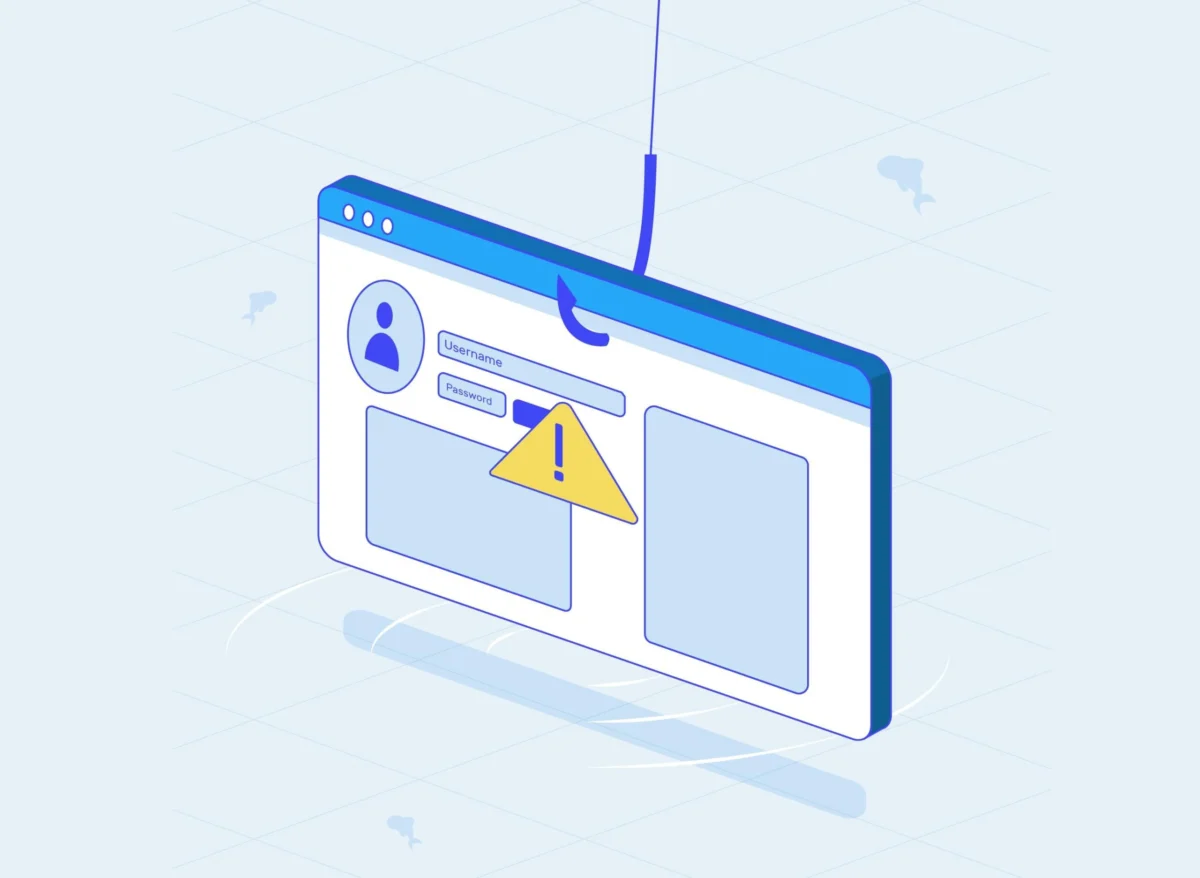
- Verify Sources: Always double-check the URL of any website claiming to be the official settlement portal. Phishing sites often mimic legitimate ones with slight alterations to the web address.
Adhering to these guidelines will help ensure that legitimate claimants receive their due refunds without falling victim to fraudulent schemes.
Broader Implications: Consumer Protection and Corporate Accountability
This $2.5 billion settlement is not just significant for the individual refunds it provides; it carries profound implications for consumer protection and corporate accountability in the digital age. It marks the largest monetary settlement ever secured by the FTC, underscoring the agency’s commitment to aggressively pursuing companies that engage in deceptive practices. Furthermore, the $1.5 billion allocated for consumer refunds represents the second-largest consumer refund distribution in U.S. history, trailing only the Consumer Financial Protection Bureau’s $1.8 billion distribution to victims of credit repair companies.
The case serves as a powerful deterrent to other corporations offering subscription-based services. It sends a clear message that regulatory bodies are closely scrutinizing "dark patterns" and manipulative design tactics used to trap consumers. The requirement for Amazon to simplify its cancellation process sets a new benchmark for transparency and user-friendliness in online subscriptions, potentially influencing industry-wide best practices. Consumer advocacy groups have lauded the settlement as a crucial victory, emphasizing the importance of informed consent and ease of cancellation for all digital services.
From an economic perspective, the settlement highlights the substantial financial impact of deceptive practices. When tens of millions of customers are unknowingly or unwillingly subscribed, the cumulative financial burden on consumers is immense, and the profits generated by such practices are illicit. The FTC’s action demonstrates a commitment to rebalancing this power dynamic between large corporations and individual consumers.
Looking Ahead: The Future of Subscription Services
The Amazon Prime settlement is likely to have a lasting ripple effect on how companies design and manage their subscription services. Expect to see:
- Increased Scrutiny: Regulatory bodies like the FTC will likely intensify their scrutiny of subscription enrollment and cancellation processes across various industries, from streaming services to software subscriptions.
- Simpler Interfaces: Companies may proactively revise their user interfaces to make sign-up and cancellation more transparent and straightforward, preempting potential legal challenges.
- Enhanced Consumer Awareness: The widespread publicity surrounding this settlement will likely make consumers more vigilant about checking their bank statements for unauthorized charges and more proactive in understanding the terms of their subscriptions.
- Legislative Push: This case could also fuel calls for stronger legislative frameworks specifically targeting "dark patterns" and ensuring clearer consumer rights in the digital subscription economy.
In conclusion, while the immediate focus is on the rapidly approaching deadline for Amazon Prime customers to claim their refunds, the broader significance of this settlement extends far beyond individual payouts. It represents a critical juncture in the ongoing effort to ensure fairness, transparency, and accountability in the ever-evolving landscape of online commerce and subscription services. Eligible customers are strongly urged to review their eligibility and submit their claims before Monday, July 29, 2024, to secure their rightful compensation.