Nila Kartika Wati
Canada is currently grappling with a wildfire crisis of historic proportions, with more than 900 wildfires actively burning across more than 3 million hectares of land. While the ecological necessity of fire in the boreal forest is a well-established scientific fact, the human and economic toll of these blazes is falling with startling inequity upon the nation’s Indigenous populations. As the smoke clears and the flames are contained, a growing chorus of scientists, Indigenous leaders, and legal experts is demanding a fundamental shift in how Canada manages its forests, moving away from centralized suppression and toward a model of Indigenous-led stewardship and self-determination.
The boreal forest, which stretches across much of Canada’s northern landscape, is an ecosystem evolved to burn. According to Chelene Hanes, a wildland fire scientist with the Canadian Forest Service, fire is the primary mechanism by which the forest replaces itself and maintains ecological health. However, this natural cycle has been disrupted by centuries of colonial land management policies that prioritized total fire suppression to protect timber assets and burgeoning settlements. When these fires approach human communities, the ecological benefits are overshadowed by the immediate threat to life and property—a threat that Indigenous people are far more likely to face than any other demographic in the country.
The Disproportionate Burden of Evacuation and Loss
The scale of the disparity is highlighted in a landmark 2024 study examining wildland fire evacuations in Canada between 1980 and 2021. The research revealed that nearly 42 percent of all wildfire evacuations during this period occurred in predominantly Indigenous communities. This figure is particularly striking given that Indigenous people represent only about 5 percent of the total Canadian population. The study underscores a systemic vulnerability rooted in geographic location, historical displacement to fire-prone areas, and a lack of infrastructure investment.
The economic ramifications of these evacuations are staggering. Researchers estimated the direct cost of evacuations at approximately $3.7 billion CAD over the study period. When accounting for the loss of economic productivity and the disruption of local industries, that figure rises to $4.6 billion CAD. For many First Nations, these costs are not merely line items in a federal budget; they represent a direct drain on community resources that could otherwise be used for healthcare, education, or housing. Robert Phillips, a member of the Tsq’escen’ (Canim Lake Band) and a political executive of the First Nations Summit, noted that many First Nations are forced to absorb these costs independently, struggling to fund the very infrastructure required to mitigate the fires that threaten their survival.
A Chronology of Exclusion: From 1610 to the Modern Era
The current crisis is the result of a long history of legislative exclusion. As early as 1610, colonial regulations began appearing in what is now Canada, designed to prevent individuals from setting fire to woodlands. These early laws were intended to protect the interests of European settlers and the fur trade, but they failed to account for—and often explicitly criminalized—the sophisticated land management techniques practiced by Indigenous peoples for millennia.
For centuries, Indigenous communities utilized "cultural burning"—small, controlled, low-intensity fires—to clear underbrush, improve habitat for game, and prevent the buildup of the "fuel loads" that lead to catastrophic crown fires. By the mid-20th century, the Canadian government had adopted a policy of total fire exclusion. This shift transformed the landscape. Without regular, low-intensity fires to clear the forest floor, the boreal forest became overgrown and dense.
Amy Cardinal Christianson, a Métis fire scientist and director of Fire Stewardship at the Indigenous Leadership Initiative, explains that this exclusion has created "unhealthy landscapes" that are fundamentally incapable of coping with the high-intensity wildfires currently driven by climate change. The removal of Indigenous fire practitioners from the land effectively stripped the ecosystem of its natural defense mechanism, leading to the massive, uncontrollable "megafires" that have become common in the 21st century.
Cultural Burning vs. Prescribed Burning: A Philosophy of Fire
In recent decades, non-Indigenous government agencies have attempted to reintroduce fire through "prescribed burns." While these are a step toward recognizing the necessity of fire, Christianson and other experts argue they are often mere "course corrections" rather than holistic management strategies. Prescribed burns are typically large-scale, high-intensity interventions designed to reduce fuel loads on a rigid, agency-driven schedule.
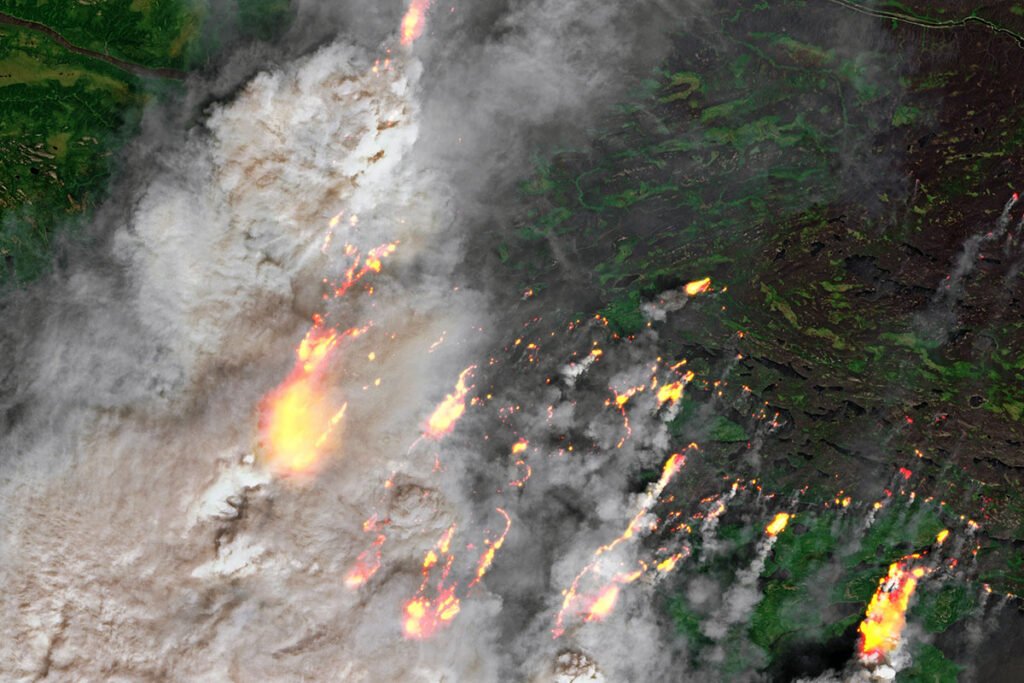
In contrast, Indigenous cultural burning is rooted in a different philosophy. These fires are often described as "fires you can walk beside"—slow-moving, cool-burning flames that are timed according to natural indicators rather than the calendar. Christianson notes that she often conducts burns while snow is still on the ground, using the melting slush as a natural firebreak. This intimate knowledge of the land allows for a more nuanced application of fire that supports biodiversity rather than simply destroying excess vegetation.
Furthermore, cultural burning is viewed by many Indigenous communities as a sacred responsibility and a form of "fire stewardship" rather than just a management technique. Fire is seen as a teacher and a partner in the maintenance of the land. This spiritual and cultural connection is what many leaders believe is missing from current government-led initiatives.
The Role of the Nonprofit Sector and Governmental Accountability
As the frequency and intensity of wildfires increase, the role of the nonprofit sector in supporting Indigenous-led fire management has come under scrutiny. Robert Phillips suggests that nonprofits can play a vital role by facilitating relationships that allow for Indigenous-led work and helping First Nations secure the funding necessary to build local capacity. The goal is to move beyond emergency response and toward a model where communities have the training, equipment, and authority to prevent fires before they become disasters.
However, legal experts caution that the involvement of nonprofits must not overshadow the sovereign status of First Nations. Meaghan Daniel, a lawyer and activist working with affected First Nations, emphasizes that the relationship between Indigenous communities and the Canadian state is fundamentally a "government-to-government" relationship.
"While the nonprofit sector plays an important and valuable role, these are fundamentally government-to-government responsibilities," Daniel said. She warns that depoliticizing the issue risks ignoring the legal obligations of the federal and provincial governments to provide equitable protection and resources to Indigenous citizens. According to Daniel, true recovery must be defined by the First Nations themselves, rather than being dictated by external organizations or government agencies. This involves not only rebuilding infrastructure but also restoring the legal authority of Indigenous governments to manage their traditional territories according to their own laws and traditions.
Implications for Policy and Climate Adaptation
The ongoing wildfire crisis in Canada serves as a stark warning about the limitations of modern wildfire suppression in an era of rapid climate change. As global temperatures rise and drought conditions become more common, the old model of "fighting" fire is becoming increasingly untenable and prohibitively expensive.
The path forward, according to the experts interviewed, requires a multi-pronged approach:
- Recognition of Sovereignty: Federal and provincial governments must recognize the inherent right of Indigenous nations to manage their lands, including the use of cultural burning.
- Resource Equity: Significant investment is needed to ensure that First Nations have the same level of firefighting infrastructure and emergency response capacity as non-Indigenous municipalities.
- Knowledge Integration: Policy makers must move beyond viewing Indigenous knowledge as a "supplement" to Western science and instead treat it as a foundational element of land management strategy.
- Legislative Reform: Provincial fire acts and regulations must be amended to remove barriers to cultural burning and to provide legal protections for Indigenous practitioners.
The 2023 and 2024 wildfire seasons have demonstrated that the status quo is a recipe for both ecological and human catastrophe. The displacement of Indigenous people and the destruction of their traditional territories are not just environmental issues; they are issues of human rights and justice. By returning leadership to the original stewards of the land, Canada has the opportunity to transform its relationship with fire from one of fear and suppression to one of balance and resilience. As Amy Cardinal Christianson noted, the frustration among Indigenous nations is high, but so is the potential for a new way of living with the land—one where the "fires you can walk beside" once again protect the forest and the people who call it home.