Julia Chirkova
This comprehensive webinar, scheduled for Thursday, September 3rd, at 2:00 PM ET, will delve into practical, example-driven strategies for wealth transfer and estate planning, specifically targeting families with net worths between $5 million and $30+ million. Sponsored by Thomson Reuters, this one-hour program aims to equip practitioners with actionable tools to proactively manage assets, navigate the current regulatory environment, and prepare for potential future legislative changes. The session is designed to move beyond theoretical concepts, offering concrete implementation guidance for both immediate and long-term financial planning.
Understanding the Need for Proactive Estate Planning
The landscape of estate and gift tax law is subject to frequent changes, driven by evolving economic conditions, legislative priorities, and judicial interpretations. For high-net-worth families, these shifts can have significant implications for wealth preservation and intergenerational transfer. The current regulatory environment, while offering certain opportunities such as an increased exclusion amount, also presents complexities that require expert navigation. Understanding these nuances is critical to ensuring that assets are transferred efficiently, tax liabilities are minimized, and family control and flexibility are maintained.
The webinar will address the growing concern among affluent families regarding the potential for future changes to estate tax laws. Historically, estate tax exclusion amounts have fluctuated significantly. For instance, the Tax Cuts and Jobs Act of 2017 temporarily doubled the federal estate tax exemption to $11.18 million per individual (adjusted for inflation annually), a level that is scheduled to revert to pre-2018 levels at the end of 2025 unless further legislation is enacted. This impending "sunset" creates a critical window for strategic planning to leverage the current higher exemptions before they potentially decrease. This uncertainty underscores the importance of proactive strategies rather than reactive measures.

Key Strategies and Actionable Tools for Practitioners
Attendees will gain invaluable insights into developing client-specific estate action plans. A significant focus will be placed on evaluating lifetime gifting options, a cornerstone of effective estate planning. This includes strategically utilizing the current increased exclusion amount to transfer wealth during one’s lifetime, thereby reducing the taxable estate at death. The program will explore various gifting vehicles, such as outright gifts, gifts to irrevocable trusts, and annual exclusion gifts, detailing the advantages and disadvantages of each in different family scenarios.
The session will also provide a deep dive into trust structures designed for asset protection and wealth transfer. This includes understanding the nuances of irrevocable trusts, such as Spousal Lifetime Access Trusts (SLATs), Grantor Retained Annuity Trusts (GRATs), and Dynasty Trusts, and how they can be employed to shield assets from creditors, minimize estate and gift taxes, and provide for future generations. The importance of proper trust drafting and administration will be emphasized, ensuring compliance with all relevant legal and tax requirements.
Furthermore, the webinar will cover essential elections and filings crucial for effective post-mortem planning. This includes understanding the implications of electing to treat a grantor trust as a grantor trust for income tax purposes, the proper filing of Form 706 (United States Estate (and Generation-Skipping Transfer) Tax Return), and the strategic use of disclaimers. The course will also address the final anti-clawback regulations, a critical development that provides clarity on the IRS’s position regarding the potential for taxing gifts made during periods of high exemptions if those exemptions are later reduced. This regulatory update is particularly relevant for individuals who have made substantial gifts in anticipation of future tax law changes.
Expert Presenter and Background Context
The webinar will be presented by Michael R. Miranda, owner of MIRANDA CPA & Consulting LLC. With over 50 years of experience in tax consulting and estate planning, Miranda brings a wealth of knowledge and practical expertise to the session. His specialization in serving clients with complex needs, including those with substantial wealth, positions him as an authority on the subject matter. Miranda’s extensive experience includes representing clients before governmental agencies and focusing on niche areas of tax law and strategic planning.
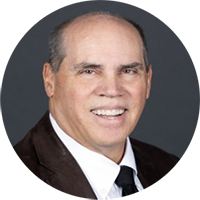
Miranda’s credentials include being a Certified Public Accountant (CPA), a Qualified Plan Administrator (QKA and NQPA), and an Accredited Estate Planner (AEP). He is affiliated with numerous professional organizations, including the AICPA, ASPPA, and NAEPC, underscoring his commitment to professional development and adherence to industry best practices. His national speaking schedule on tax law and estate planning topics further highlights his recognized expertise. Prior to establishing his own firm in 2017, Miranda spent 27 years as a senior manager and shareholder at a regional CPA firm and previously worked as a Tax Specialist with a Big Eight accounting firm, advising individuals and businesses on tax and estate planning.
The webinar is moderated by Isaac M. O’Bannon, the managing editor and digital content manager for CPA Practice Advisor. O’Bannon brings two decades of experience covering professional accounting, taxation, and business productivity technologies. His background includes consulting for various firms and technology leaders, providing him with a broad perspective on the challenges and opportunities facing professionals in the accounting and tax fields.
Sponsorship and Continuing Professional Education
The webinar is sponsored by Thomson Reuters, a global leader in providing intelligent information for professionals and businesses. Thomson Reuters’ involvement underscores the importance of this topic for accounting and tax professionals. The program is offered free of charge, aligning with CPA Practice Advisor’s mission to provide unbiased, independent information on technologies and strategies available to practicing public accountants and tax professionals.
This program is designed to offer 1 Credit of Continuing Professional Education (CPE) per 50-minute session. The Field of Study is Estate, Gift, and Income Taxes. While no specific prerequisites are required, attendees are recommended to have a general understanding of trust and estate taxation. The delivery method is Group Internet-Based, making it accessible to professionals nationwide. CPA Practice Advisor is registered with the National Association of State Boards of Accountancy (NASBA) as a sponsor of continuing professional education.

Broader Impact and Implications for the Profession
The implications of this webinar extend beyond individual practitioners and their clients. In an era of increasing wealth concentration and evolving tax policies, the demand for sophisticated estate planning services is likely to grow. Professionals who can effectively guide families through these complexities will be well-positioned to serve a critical need. The insights provided in this session can help professionals enhance their service offerings, build stronger client relationships, and contribute to the financial well-being of their clients and their families.
The current economic climate, marked by fluctuating market performance and ongoing discussions about fiscal policy, further amplifies the relevance of this topic. Strategies that offer tax efficiency, asset protection, and flexibility are paramount for wealth preservation. The ability to adapt to changing regulations and leverage available planning tools is not merely a matter of optimizing tax outcomes but also of ensuring the long-term financial security and legacy of families.
The availability of this free resource from CPA Practice Advisor, supported by Thomson Reuters, signifies a commitment to professional development and knowledge sharing within the accounting and tax community. By offering practical, real-world guidance, such programs empower professionals to stay ahead of industry trends and provide exceptional service to their clients. The emphasis on actionable strategies and example-driven exploration ensures that attendees can immediately apply the learned concepts to their practice.
In conclusion, this webinar represents a timely and valuable opportunity for accounting and tax professionals to deepen their understanding of wealth transfer and estate planning. By focusing on practical implementation, expert insights, and the current regulatory landscape, Michael R. Miranda and CPA Practice Advisor are providing a crucial resource for navigating the complexities of preserving and transferring wealth for affluent families. The program’s accessibility and free offering further enhance its significance as a key professional development event.