Julia Chirkova
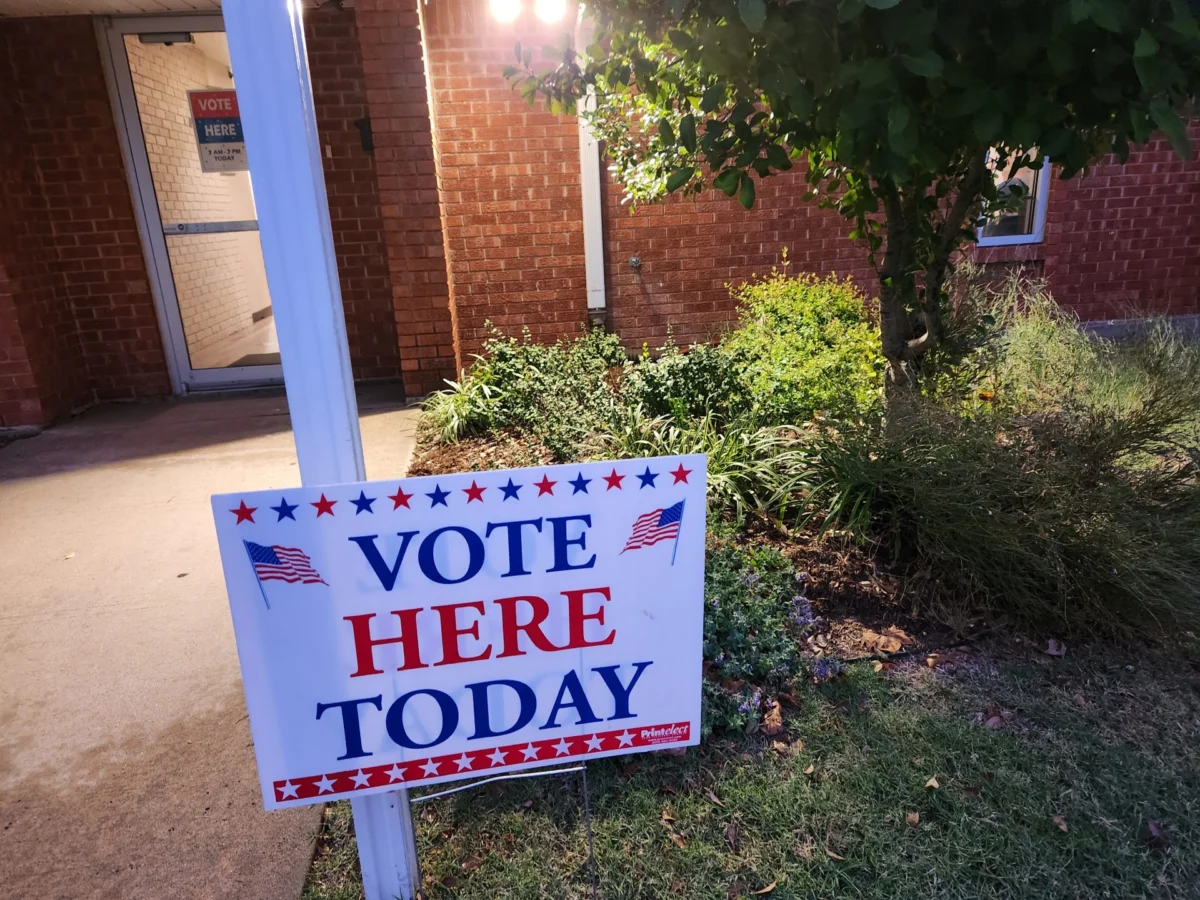
Two days after the November 3 General Election, RKL LLP, a prominent advisory firm, is set to host a critical webinar offering an early, business-focused analysis of the election’s outcomes. This timely event, scheduled for Thursday, November 5, from 2-3 p.m. EST, aims to equip employers, business owners, and organizational leaders with essential insights into the evolving policy landscape and its potential impact on their operations. Registration for the free webinar, titled "Unpacking the 2026 General Election Results: What’s Next for Business Owners and Leaders," is now open on RKL’s website.
The discussion will feature two distinguished Pennsylvanians with deep expertise in public opinion research and business policy: Berwood Yost, Director of Franklin & Marshall College’s Center for Opinion Research, and Luke Bernstein, President and CEO of the Pennsylvania Chamber of Business and Industry. Eric Wenger, Partner at RKL, will moderate the session, guiding the conversation through the complex implications of the election results. RKL positions itself as one of the first organizations to convene Pennsylvania experts for an objective examination of significant federal and state outcomes, emerging voting trends, and the election’s potential business and policy ramifications as the final results continue to solidify.
The webinar’s timing is strategic, occurring shortly after the election when initial results are typically available, but before the full scope of policy shifts becomes definitively clear. This allows for a proactive approach, enabling business leaders to anticipate and adapt to potential changes. The conversation will delve into both federal and state-level implications. At the federal level, the composition of the U.S. House and Senate is poised to significantly influence the direction, scope, and pace of policymaking under the next administration. Understanding the balance of power in Washington is crucial for businesses operating within federal regulatory frameworks or relying on federal economic initiatives.
Within Pennsylvania, the dynamics between the governor’s office and the General Assembly will be a key determinant of the Commonwealth’s legislative and regulatory agenda. This includes potential shifts in tax policy, business incentives, workforce development programs, and environmental regulations, all of which can directly affect the operational costs and strategic planning of businesses across the state.
Eric Wenger emphasized the far-reaching consequences of electoral decisions, stating, "Election results have implications that extend well beyond the campaign trail. Business leaders need a clear, nonpartisan view of the changing policy environment, the issues that may gain momentum, and the developments worth monitoring as government priorities take shape." This sentiment underscores the webinar’s core objective: to provide actionable intelligence rather than partisan commentary.
Key Discussion Points for Business Leaders
The webinar is expected to cover a range of topics crucial for business leaders navigating the post-election environment. While specific bullet points were not detailed in the initial announcement, based on the expertise of the speakers and the stated goals of the event, the discussion will likely include:
- Federal Policy Outlook: Analysis of how the new composition of Congress might affect key business legislation, including potential changes in tax laws, trade policies, and regulatory enforcement priorities under the incoming administration. This could involve discussions on the likelihood of bipartisan cooperation or further partisan gridlock on major economic issues.
- Pennsylvania State Legislature and Governor’s Office Dynamics: An examination of the balance of power within the Pennsylvania General Assembly and the governor’s office. This segment will likely explore potential legislative priorities for the next session, including issues such as business taxation, economic development incentives, infrastructure investment, and labor regulations. The impact of any potential veto overrides or new legislative initiatives will be a key focus.
- Emerging Voting Trends and Demographics: Berwood Yost’s expertise in public opinion research will be invaluable in dissecting voter behavior and demographic shifts observed in the election. Understanding these trends can provide insights into future consumer behavior, workforce demographics, and the evolving political landscape that may influence policy decisions. This could include data on regional voting patterns within Pennsylvania and their implications for specific industries.
- Economic Implications for Businesses: A data-driven analysis of how the election outcomes could translate into tangible economic impacts for businesses in Pennsylvania and beyond. This might involve projections related to economic growth, inflation, interest rates, and sector-specific opportunities or challenges. The discussion will likely touch upon how federal and state policy changes might influence investment, hiring, and operational expansion.
- Policy Areas to Watch Closely: Identification of specific policy areas that are likely to see increased attention or significant shifts following the election. This could encompass sectors like healthcare, energy, technology, manufacturing, and small business support. The webinar aims to highlight which legislative or regulatory battles business leaders should monitor most closely.
- Strategic Planning and Risk Mitigation: Practical advice for business owners and leaders on how to adapt their strategic plans and mitigate potential risks arising from the new political and policy environment. This could involve recommendations for engaging with policymakers, staying informed, and building resilience within their organizations.
Expert Insights from Leading Voices
Berwood Yost brings unparalleled experience in understanding the public mood and its translation into political outcomes. As the Director of Franklin & Marshall College’s Center for Opinion Research, he leads one of Pennsylvania’s most established public-opinion research organizations. Critically, he also directs the Franklin & Marshall College Poll, which holds the distinction of being Pennsylvania’s longest-running statewide poll. This extensive history provides Yost with a unique longitudinal perspective on the state’s political and social currents, allowing him to contextualize current election results within broader trends. His insights are often cited by media outlets and policymakers seeking to understand the nuances of public sentiment. The Center for Opinion Research has conducted numerous studies on a wide array of issues, from political preferences to public attitudes on economic policy, making Yost’s contributions to this webinar particularly valuable for discerning the underlying drivers of election results.
Luke Bernstein leads the Pennsylvania Chamber of Business and Industry, serving as the primary advocate for the state’s diverse employer base. Representing businesses across all sectors, the Chamber is a powerful voice in shaping policies that foster economic growth, stimulate job creation, and maintain a competitive business environment within the Commonwealth. Bernstein’s role places him at the forefront of discussions on business-friendly legislation and regulatory reform. His perspective will offer a direct connection between election outcomes and the practical concerns of employers, providing an overview of how policy shifts might impact the state’s economic vitality, workforce development initiatives, and the overall ease of doing business in Pennsylvania. The Chamber actively engages with legislators and the governor’s office on a myriad of issues, from taxation and unemployment compensation to infrastructure and workforce training, making Bernstein’s analysis highly relevant to the business community.
The moderation by Eric Wenger, a Partner at RKL, ensures a structured and objective discussion. RKL, as a leading advisory firm, has a vested interest in helping its clients and the broader business community navigate complex economic and regulatory environments. Wenger’s role will be to facilitate a balanced exchange of ideas, ensuring that the webinar remains focused on providing actionable intelligence to business leaders.
Background and Context of the Election
The November 3 General Election was a pivotal moment, concluding a highly anticipated and often contentious campaign season. Key races at the federal level included the Presidential election, all 435 seats in the House of Representatives, and 35 seats in the Senate. In Pennsylvania, beyond the national contests, numerous state legislative races and local elections also took place, shaping the composition of the Commonwealth’s governing bodies. The election occurred against a backdrop of significant national challenges, including the ongoing COVID-19 pandemic, economic uncertainty, and pressing social issues. Voter turnout was anticipated to be exceptionally high, driven by the intensity of the political climate and the widespread engagement with mail-in and early voting options.
The results of these elections have profound implications for federal policy, potentially leading to shifts in areas such as economic stimulus packages, healthcare reform, environmental regulations, and international trade agreements. For businesses, these changes can translate into altered market conditions, new compliance requirements, and shifts in consumer demand.
At the state level in Pennsylvania, the election determined the balance of power within the state legislature and influenced the governor’s ability to advance his policy agenda. The outcomes of these races are critical for businesses operating within the Commonwealth, as they directly impact state-level taxation, business regulations, workforce development programs, and infrastructure investment. Pennsylvania’s economic landscape is shaped by its diverse industrial base, ranging from manufacturing and agriculture to technology and healthcare, each with unique sensitivities to policy changes.
Broader Impact and Implications for Organizations
The insights provided by Yost and Bernstein will be crucial for organizational leaders seeking to understand the implications of the election results. The ability to anticipate policy shifts, understand emerging voter sentiments, and assess potential economic impacts can provide a significant competitive advantage. Businesses that proactively adapt their strategies in response to the evolving political and economic landscape are better positioned for resilience and growth.
For example, a shift in federal environmental policy could impact energy-intensive industries or those reliant on specific raw materials. Similarly, changes in state tax policy could directly affect a company’s profitability and investment decisions. Understanding the nuances of these potential shifts, as illuminated by the webinar’s expert panel, is essential for informed strategic planning.
The webinar’s focus on a "business-focused analysis" suggests a practical approach, aiming to translate complex political outcomes into tangible implications for business operations, financial planning, and long-term strategic development. In a rapidly changing world, such informed foresight is invaluable.
RKL LLP, by organizing this event, demonstrates a commitment to supporting the business community during times of significant transition. Their expertise in areas such as tax, accounting, financial management, and workforce strategies, combined with the specialized knowledge of their invited speakers, offers a comprehensive perspective on the challenges and opportunities that lie ahead.
Registration and Access
Interested business owners and leaders are encouraged to register for the free webinar through RKL’s website. The event promises to be an essential resource for anyone seeking to understand and navigate the post-election landscape. The provided link for registration is https://info.rklcpa.com/november-5-whats-next-webinar?utm_source=press-release&utm_medium=newsroom.
About RKL LLP
RKL LLP is a leading advisory firm with a significant presence in Pennsylvania and beyond. The firm offers a comprehensive suite of services, including tax, accounting, financial management, workforce strategies, private wealth, and technology solutions. With a team of over 700 professionals, RKL is recognized for its commitment to helping organizations and individuals navigate complexities and achieve their goals. The firm has consistently been ranked among the nation’s top firms and has received accolades for its workplace culture and client satisfaction, including being named among Pennsylvania’s "Best Places to Work" and earning a Best of Accounting Client Satisfaction award. More information is available at rklcpa.com.