Nila Kartika Wati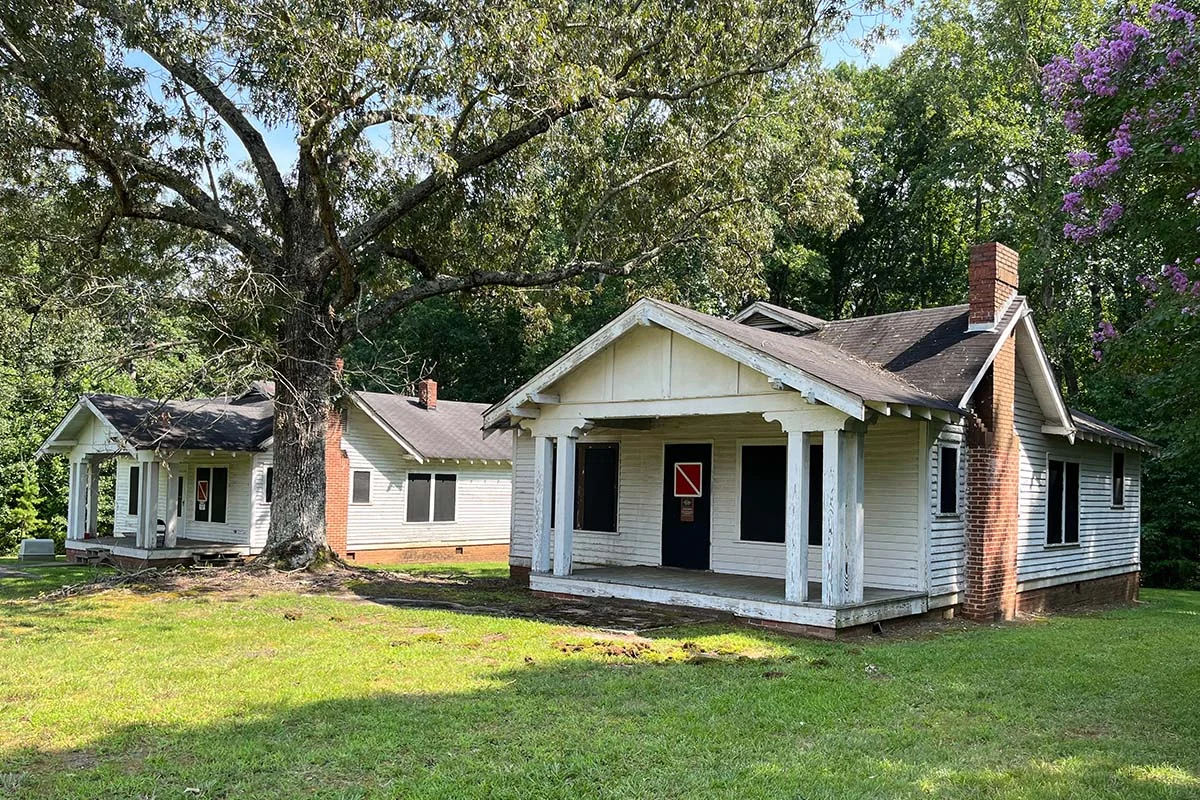
The Palmer Memorial Institute, a cornerstone of African American educational history located in the small town of Sedalia, North Carolina, has embarked on a comprehensive journey toward rehabilitation, preservation, and adaptive reuse. Once a premier preparatory school for Black youth during the era of segregation, the campus suffered decades of physical decline following its closure in 1971. Today, a multifaceted coalition of community members, alumni, professional architects, and national preservationists has unveiled a strategic vision to restore the site’s former glory while repurposing it for 21st-century needs. This ambitious initiative, bolstered by the National Trust for Historic Preservation (NTHP) and the architectural firm Robert A.M. Stern Architects (RAMSA), seeks to transition the site from an endangered relic into a vibrant cultural and economic engine.
The Genesis of an Educational Landmark
The history of the Palmer Memorial Institute is inextricably linked to its founder, Dr. Charlotte Hawkins Brown. Born in Henderson, NC, and educated in Cambridge, Massachusetts, Brown returned to her home state at the age of 18 to teach for the American Missionary Association. When the association closed its small school in Sedalia in 1902, the local community faced a total loss of educational access for their children. At just 19 years old, Brown resolved to establish her own institution.
Naming the school after her mentor, Alice Freeman Palmer—a former president of Wellesley College and a prominent advocate for women’s higher education—Brown began her mission in a converted blacksmith’s shed. Over the ensuing five decades, Brown’s leadership transformed the humble start-up into a nationally recognized boarding school that combined academic rigor with social graces and cultural refinement. At its height, the campus spanned 300 acres and featured 14 buildings, serving as a sanctuary of excellence for Black students navigating the systemic barriers of the Jim Crow South.
Dr. Brown’s pedagogical philosophy was holistic, emphasizing the "three Cs": character, culture, and consciousness. Students were required to participate in the school’s daily operations, from working on the campus farm to assisting in the construction of new facilities. This community-first approach ensured that graduates were not only academically prepared but also socially responsible leaders. By the time of its closure, the institute had educated more than 2,000 students, many of whom went on to become influential figures in the arts, sciences, and civil rights movement.
A Period of Decline and the Struggle for Preservation
The closure of the Palmer Memorial Institute in 1971, precipitated by a devastating fire in the Alice Freeman Palmer Building, marked the beginning of a precarious chapter for the campus. In 1987, the state of North Carolina recognized the site’s significance by designating a 35-acre portion as a State Historic Site. It remains the only site in the state’s historical system dedicated exclusively to the history of Black women.
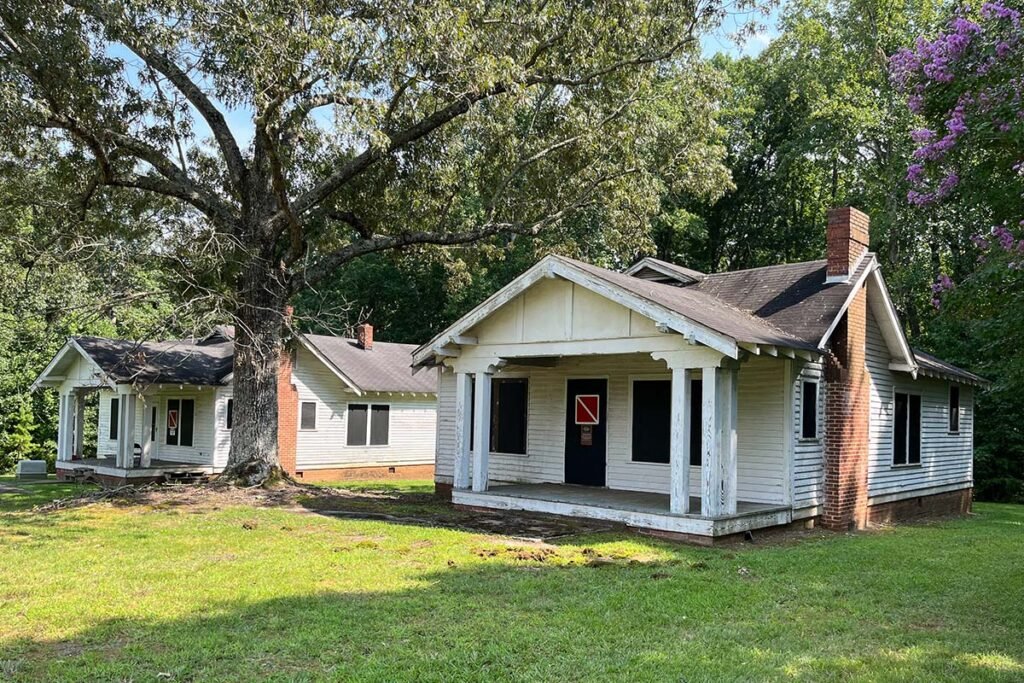
Despite this official recognition, the site has long struggled with chronic underfunding. While the "Canary Cottage," Dr. Brown’s former residence, was successfully restored and opened as the Charlotte Hawkins Brown Museum, other critical structures remained in jeopardy. Decades of deferred maintenance led to severe structural threats; by the early 2020s, the school’s three primary dormitories faced imminent collapse due to water damage, failing roofs, and crumbling masonry.
The urgency of the situation reached a national audience in 2022, when the National Trust for Historic Preservation included the Palmer Memorial Institute on its list of America’s 11 Most Endangered Historic Places. This designation served as a catalyst for action, drawing the attention of the "Where Women Made History" initiative and prompting a partnership with RAMSA to provide pro bono design and technical planning services.
A Collaborative Blueprint for the Future
The rehabilitation of a site with such deep communal roots required more than just architectural expertise; it necessitated a collaborative visioning process. Over a three-year period, museum staff, Sedalia residents, and alumni engaged in a series of "listening sessions" to define the future of the campus. The goal was to ensure that the physical restoration of the buildings would align with the spiritual and historical legacy of Dr. Brown.
Christina Morris, manager of the "Where Women Made History" program, noted that the partnership was born out of a necessity to address the historical oversight of women’s contributions to the American landscape. "There are so many sites out there in this country like the Charlotte Hawkins Brown Museum… sites of incredibly important and overlooked women’s history that are in considerable need," Morris stated.
The resulting adaptive reuse plan, finalized in early 2026, moves beyond mere preservation. It organizes the sprawling campus into distinct "program-specific zones," each corresponding to a pillar of the museum’s strategic vision: economic development, education, community, and leadership. This zoning approach allows for a phased implementation, making the massive project more manageable for fundraising and construction purposes.
Chronology of Recent Preservation Milestones
- 2022: The National Trust for Historic Preservation names Palmer Memorial Institute one of the "11 Most Endangered Historic Places" in America.
- March 2023: The first community listening session is held in Sedalia, bringing together stakeholders to discuss the site’s future.
- 2024: The NTHP’s African American Cultural Heritage Action Fund awards a $75,000 grant to support long-term planning and the establishment of an independent nonprofit entity.
- February 2026: The completed adaptive reuse master plan, developed by RAMSA, is officially shared with the public.
- May 2026: A celebration of the visioning process and master plan is held at RAMSA’s headquarters in New York City, signaling the start of a major capital campaign.
Strategic Goals and Physical Transformations
The first priority of the master plan is the restoration of the former science building, located at the heart of the campus. This structure is slated to become a modern visitor center and gift shop, serving as the primary entry point for tourists and researchers. By centralizing guest services, the museum hopes to increase its visibility and educational impact.
Subsequent phases of the plan include:
- Residential Rehabilitation: Transforming historic cottages into housing for artists and scholars-in-residence, thereby fostering new intellectual and creative contributions to the site.
- Maker Spaces: Creating dedicated areas for community workshops and vocational learning, echoing Dr. Brown’s original emphasis on practical skills.
- Outdoor Infrastructure: Developing a network of walking and bicycling trails throughout the 35-acre site, alongside an expanded community garden. These features are designed to promote wellness, a value Dr. Brown championed throughout her life.
- Institutional Independence: A critical component of the strategy is the formation of a dedicated 501(c)(3) nonprofit organization. This move is intended to provide the site with greater financial autonomy and the ability to pursue private philanthropy more aggressively than is possible under direct state management.
Broader Implications for African American Heritage
The efforts in Sedalia reflect a growing national movement to rectify the historical underrepresentation of Black heritage sites. Data from the National Park Service indicates that while thousands of sites are listed on the National Register of Historic Places, only a small fraction represent the experiences of African Americans, and even fewer focus on Black women.
The $75,000 grant from the African American Cultural Heritage Action Fund is part of a larger trend of philanthropic investment in these spaces. Since its inception, the fund has supported over 200 preservation projects across the United States, acknowledging that the physical preservation of Black history is essential to a complete understanding of the American narrative.
For the town of Sedalia, the project is also an economic necessity. As a small rural community, the revitalization of the Palmer Memorial Institute campus offers the potential for increased tourism, job creation, and local pride. Town Manager Cam Dungee emphasized that Dr. Brown’s legacy remains the focal point of the town’s identity, and the restoration of the school is a restoration of the community’s heart.
Conclusion: A Legacy Reimagined
The rehabilitation of the Palmer Memorial Institute is an ongoing endeavor that requires significant capital and sustained public interest. However, the completion of the RAMSA master plan provides a roadmap that was previously lacking. By combining historical integrity with modern utility, the project aims to honor Dr. Charlotte Hawkins Brown’s belief that education and environment are the keys to social progress.
As the museum transitions into its fundraising phase, the focus remains on the "benefit of the people," as Christina Morris described it. The vision for the site is not merely to create a museum of the past, but to establish a living laboratory for the future—a space where the lessons of the Jim Crow era inform modern leadership, and where a historic campus continues to serve as a beacon of opportunity for generations to come.