Layla Zulfa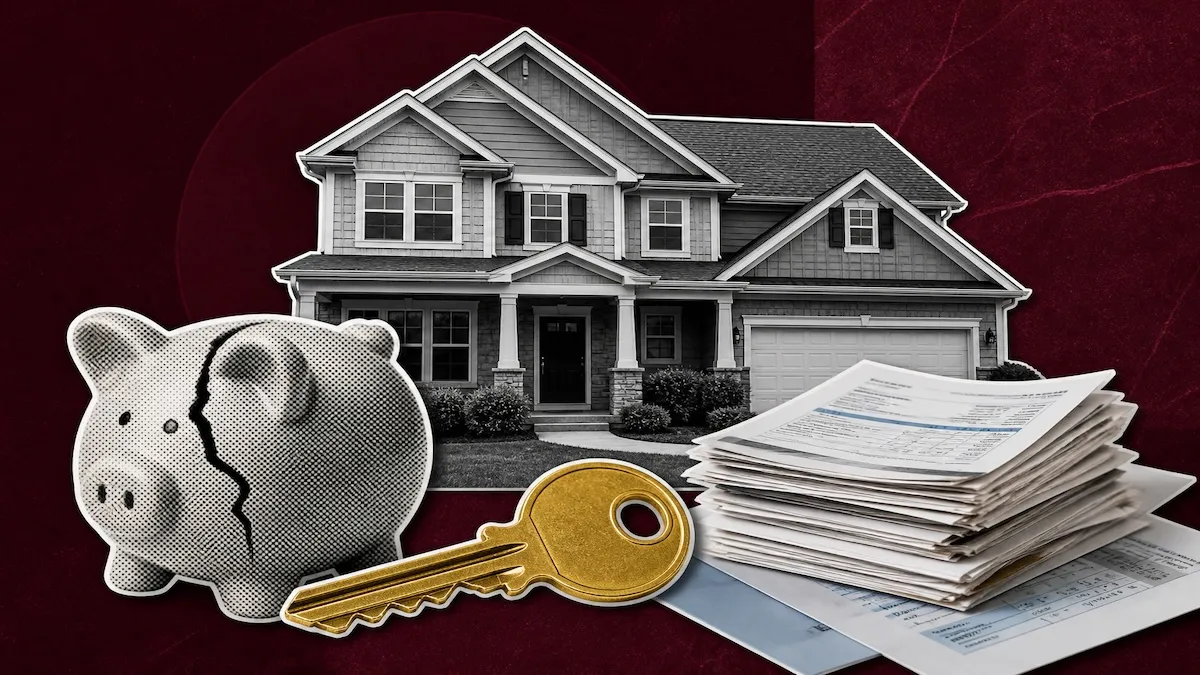
The prevailing image of the Baby Boomer generation is one of immense wealth and financial security, a testament to decades of economic growth and strategic asset accumulation. Collectively, this demographic holds an astonishing $90 trillion in wealth, a figure that dwarfs any previous generation’s financial footprint in American history. However, beneath this impressive aggregate wealth lies a complex and often precarious reality for many individual Baby Boomers entering or navigating retirement. A significant disconnect has emerged between their substantial net worth and their immediate cash flow, leaving a considerable portion of this generation struggling to meet essential monthly expenses. This predicament is further exacerbated by substantial average debts and the escalating costs associated with healthcare, taxes, and familial support, creating a significant challenge for those living on fixed incomes.
The widening gap between accumulated assets and readily available cash has become a focal point for financial analysts and retirement planners. While Baby Boomers have indeed benefited from robust stock markets and consistently rising home values over their working lives, this prosperity has not been uniformly distributed. A recent report from Fortune, which forms the basis of this analysis, underscores that many older Americans are carrying significant financial burdens into their retirement years. This highlights a critical distinction: a high net worth, often tied up in real estate or investments, does not automatically translate into sufficient liquid assets for day-to-day living.
The Shifting Sands of Retirement Finances
The transition into retirement typically involves a fundamental shift in financial circumstances. For many, the regular, predictable income stream of a full-time job ceases, replaced by a combination of Social Security benefits, pensions (where available), and draws from personal savings and investments. This reduction in active income places a premium on readily accessible cash. For Baby Boomers, this shift is proving particularly challenging. Many are finding that their fixed retirement incomes are increasingly strained by ongoing financial obligations.
The average debt burden for a Baby Boomer is reported to be $92,619. This figure is not merely an abstract statistic; it represents real financial commitments that continue to demand monthly payments. This debt load is particularly concerning given that more than half of households headed by individuals aged 75 or older reported carrying debt in 2022, according to data analyzed by Fortune. This indicates that financial challenges extend well into the later stages of retirement for a substantial segment of the population.
Michael McAuliffe, president of the nonprofit Family Credit Management, articulated the growing concern to Fortune, stating, "We’re seeing more and more people carrying high-interest debt later in life, which becomes a much bigger problem for them when they retire, and their income is fixed." High-interest debt, such as that accrued on credit cards, can rapidly erode a fixed income, making it difficult to cover even basic necessities. The combination of reduced income and persistent debt payments creates a precarious financial tightrope for many retirees.
Mounting Pressures on Fixed Incomes
The financial pressures faced by Baby Boomer retirees are multifaceted and intensifying. Beyond the burden of existing debt, several external factors are contributing to the cash flow crunch:
- Escalating Healthcare Costs: The need for healthcare services generally increases with age. Medicare provides a foundation of coverage, but out-of-pocket expenses for premiums, deductibles, co-pays, prescription drugs, and long-term care can be substantial. These costs are often unpredictable and can quickly deplete savings. According to the Kaiser Family Foundation, per capita healthcare spending for individuals aged 65 and older is significantly higher than for younger age groups, and these costs are projected to continue rising.
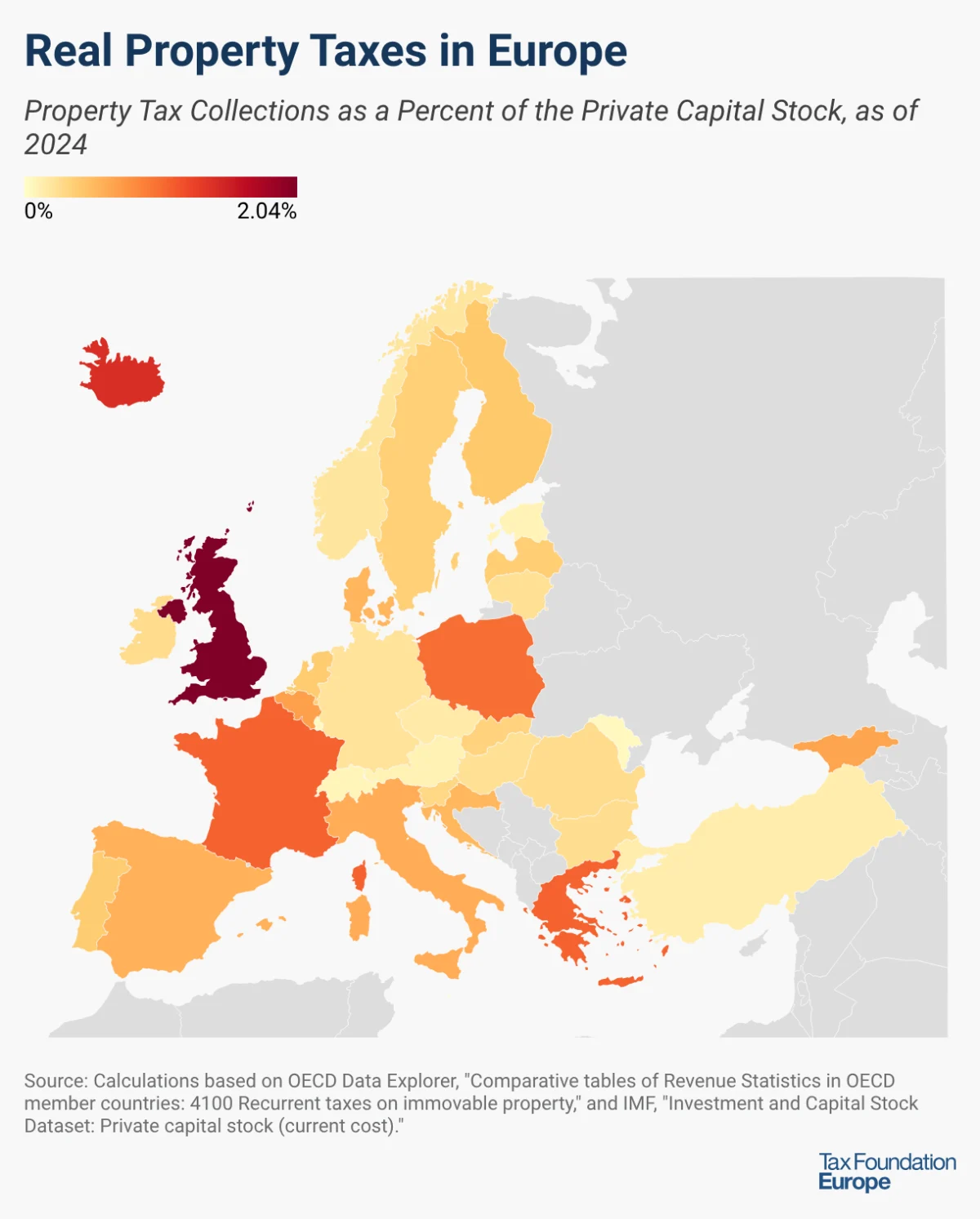
- Property Taxes: For homeowners, property taxes represent a recurring and often significant expense. While property values may have increased, leading to higher net worth, the corresponding increase in tax liabilities can strain a fixed retirement income, especially in areas with high property tax rates. Some states and municipalities offer property tax relief programs for seniors, but eligibility requirements and benefit levels vary widely.
- Long-Term Care Expenses: The prospect of needing long-term care, whether in-home assistance or a nursing facility, is a major financial concern for many older adults. While not everyone will require such services, the potential cost is immense, with average annual costs for nursing home care often exceeding $100,000. Many individuals find that their savings are insufficient to cover these extended care needs.
- Intergenerational Support: A growing trend observed in recent years is the financial support provided by retirees to their adult children and grandchildren. This can include direct financial assistance, help with housing, or contributions to education costs. While driven by familial bonds, these obligations can place an unexpected strain on retirement finances, particularly if the need for support is prolonged or substantial.
- Delayed Retirement: The financial realities of retirement have led many Baby Boomers to postpone their exit from the workforce. The report indicates that some individuals are remaining employed longer than they had planned because retirement is financially out of reach. This delay, while providing continued income, can also mean longer periods of contributing to retirement accounts and potentially delaying access to accumulated funds.
Reverse Mortgages: A Potential Lifeline, With Caveats
For Baby Boomer homeowners who possess significant equity in their homes but are experiencing a shortfall in monthly cash flow, a reverse mortgage presents itself as a potential solution. This financial instrument is designed to allow eligible older homeowners to convert a portion of their home equity into cash, without the obligation of selling their residence.
How Reverse Mortgages Work:
Unlike traditional mortgages, where borrowers make regular payments to the lender, a reverse mortgage allows the lender to make payments to the borrower. These payments can be received in various forms, including a lump sum, regular monthly installments, a line of credit, or a combination thereof. The loan is typically repaid when the last borrower moves out of the home, sells it, or passes away. During the term of the loan, the borrower generally retains ownership of the home and is responsible for maintaining the property, paying property taxes, and keeping homeowner’s insurance in force. Failure to meet these obligations can lead to foreclosure.
Potential Benefits:
The primary appeal of a reverse mortgage for cash-strapped retirees lies in its ability to unlock a significant source of liquidity. This can be particularly beneficial for those whose wealth is heavily concentrated in real estate and who are struggling to manage high-interest debt or cover essential living expenses. The influx of cash can provide immediate relief, allowing retirees to maintain their current lifestyle, pay down existing debts, and cover unexpected costs.
Expert Concerns and Considerations:
Despite the potential advantages, financial experts and consumer advocates emphasize that reverse mortgages are complex financial products with significant implications that require careful consideration.
- Upfront Costs: Reverse mortgages can involve substantial upfront costs, including origination fees, mortgage insurance premiums (for Home Equity Conversion Mortgages, or HECMs, the most common type), appraisal fees, title insurance, and other closing costs. These costs can reduce the net amount of cash received by the borrower.
- Interest Accumulation: Interest accrues on the loan balance over time, and this interest is added to the principal. As the loan balance grows, so does the amount of interest paid. This means that the amount owed on the reverse mortgage can increase significantly over the life of the loan.
- Impact on Home Equity and Inheritance: A reverse mortgage reduces the amount of equity remaining in the home. This can have a substantial impact on the inheritance that beneficiaries might expect to receive. While federal regulations ensure that borrowers or their heirs are never obligated to repay more than the value of the home at the time of sale (for HECMs), the remaining equity for heirs will be diminished by the loan balance.
- Loan Requirements: Borrowers must continue to meet specific loan requirements, including paying property taxes and homeowner’s insurance, and maintaining the home in good condition. Failure to do so can result in loan default and potential foreclosure.
- Suitability: Reverse mortgages are not suitable for everyone. Individuals who plan to sell their homes in the near future or who have ample liquid assets may not benefit from this type of loan. Thorough financial planning and consultation with trusted advisors are crucial before making a decision.
A Broader Economic Context and Future Implications
The financial predicament of many Baby Boomers is not an isolated issue but rather a symptom of broader economic shifts and evolving demographic challenges. The generation that benefited from post-war economic expansion, rising wages, and a more predictable pension landscape now faces a retirement reality shaped by globalization, technological disruption, and a shift towards defined contribution plans like 401(k)s, which place more investment risk on the individual.
The $90 trillion figure, while impressive, also masks a growing wealth inequality. A significant portion of this wealth is concentrated in the hands of a smaller percentage of the Baby Boomer population, leaving many others with far less. This disparity raises questions about the long-term sustainability of retirement security for a large segment of the population and the potential for increased reliance on social safety nets in the future.
The trend of Baby Boomers struggling with cash flow despite high net worth also has implications for the broader economy. If a significant portion of this demographic is forced to curtail spending due to financial constraints, it could impact consumer demand for goods and services. Furthermore, the need for individuals to remain in the workforce longer or to tap into their home equity through mechanisms like reverse mortgages could affect housing markets and the availability of homes for younger generations.
As financial planners and policymakers grapple with these challenges, a deeper understanding of the nuances between accumulated wealth and available cash flow is essential. Innovative solutions and comprehensive financial education will be critical to ensuring that the Baby Boomer generation, and future generations, can navigate their retirement years with greater financial security and peace of mind. The $90 trillion figure serves as a stark reminder that while wealth accumulation is important, its accessibility and usability during the retirement years are paramount.